

Paper
Omayma Abdel-Latif
{
  "authors": [
    "Omayma Abdel-Latif"
  ],
  "type": "commentary",
  "blog": "Sada",
  "centerAffiliationAll": "",
  "centers": [
    "Carnegie Endowment for International Peace",
    "Malcolm H. Kerr Carnegie Middle East Center"
  ],
  "collections": [],
  "englishNewsletterAll": "",
  "nonEnglishNewsletterAll": "",
  "primaryCenter": "Carnegie Endowment for International Peace",
  "programAffiliation": "",
  "programs": [],
  "projects": [],
  "regions": [
    "Middle East",
    "Lebanon"
  ],
  "topics": [
    "Political Reform"
  ]
}

REQUIRED IMAGE
It was an unfamiliar scene. One Friday night in November, in the heart of Hamra, the main thoroughfare in Beirut, a concert entitled “No More Silence” drew a large number of young Lebanese men and women. But this was not just another concert. The gathering was publicizing the Khalass (No More): Together for Lebanon campaign. the latest in a series of moves by civil society forces.
It was an unfamiliar scene. One Friday night in November, in the heart of Hamra, the main thoroughfare in Beirut, a concert entitled “No More Silence” drew a large number of young Lebanese men and women. But this was not just another concert. The gathering was publicizing the Khalass (No More): Together for Lebanon campaign (www.khalass.net), the latest in a series of moves by civil society forces to “drive away the specter of civil war,” in the words of one activist. With the sound of anti-war songs in the background, activists wearing tee-shirts with the word Khalass printed in Arabic and English distributed leaflets, while others explained to audience members why they joined the campaign. “We are fed up with sectarianism, talk of war, and a political elite that does not realize the gravity of the situation,” said Elie Abi Lameh of the campaign’s press team.
The political turmoil that has engulfed Lebanon since the assassination of former Prime Minister Rafiq al-Hariri in February 2005 has cast a heavy shadow on Lebanon’s social fabric. Sectarian language has reentered the political debate, and political forces have engaged in what one observer termed a “cold civil war.” “We had to do something to pull Lebanon back from the brink,” said Ziyad Baroud, a veteran civil society activist. “Khalass is an emergency campaign,” he added.The founding statement of Khalass, which brings together thirty civil society organizations,defines its goal as “exerting pressure on political leaders to overcome the deadlock and assert our will to live together.”
Aside from the concert, other activities included a sit-in at the Lebanese parliament on November 17 and a symbolic funeral procession on November 22 to protest the status quo. Reversing the tide of sectarianism and reminding the Lebanese of its dangers—particularly young people who have not experienced the horrors of civil war—are among Khalass’s core goals. A petition entitled “Together to Save Lebanon,” which calls for dialogue and an end to violence, has drawn some 30,000 signatures.
Lebanon’s civil society is one of the most vibrant in the Arab world, with an established record of attempting to confront the country’s chronic social and political malaises. Lebanese University Professor Fadia Kiwan recalls that before civil war broke in 1975, civil society organizations—especially student and labor organizations—began to appear stronger than traditional communal ties. Baroud relates that activists from the then-nascent civil society organized protests against sectarianism, but the tide of violence was too strong. Another milestone for Lebanon’s civil society came in November 1987, when activists organized a demonstration involving some 250,000 Lebanese who crossed sectarian boundaries to protest the war and the state's complacency. The movement also engaged in a wide range of other activities during the civil war including symbolic strikes, protest sit-ins, blood drives, and two national congresses that affirmed the commitment of all civil society forces to national unity, despite, and with, all Lebanon’s differences. In 1997, civil society forces engaged in a successful campaign to force the politicians to hold municipal elections for the first time in 30 years.
Five months into the Khalass campaign, it is not clear whether the organizers’ efforts to go beyond politics and sectarian polarization are bearing fruit. “It has not created momentum or attracted enough popular attention,” wrote Ghassan Saoud in al-Akhbar newspaper recently. Other observers have suggested that a photo-op between two political enemies such as Saad al-Hariri, head of majority March 14 bloc, and Michel Aoun, head of the Free Patriotic Movement and an ally of Hizbollah, would change the popular mood ten times faster than Khalass and other anti-war civil society activities.
Ziad Baroud has acknowledged that the campaign’s results so far have been less than expected. He does not, however, blame
Khalass’s
young activists. He believes, rather, that “the problem lies within the structural basis of the Lebanese political system. The street and the media have become the only two institutions through which debate takes place because all other state institutions are in complete paralysis.” The severe political polarization that has taken hold of the country has rendered street activities—the backbone of the civil society movement—ineffective. “There is no silent majority in Lebanon,” said Baroud. “What we have experienced is that the majority of the Lebanese people have chosen to ally themselves with one political group or the other. Communal ties have become stronger and it is difficult to ignore their impact. This poses a serious challenge to our efforts.”
Omayma Abdel-Latif is Projects Coordinator at the Carnegie Middle East Center in Beirut.
Former Research and Program Associate, Middle East Center
Abdel-Latif, formerly the assistant editor-in-chief at Al-Ahram Weekly, has done extensive work on Islamist movements with special emphasis on the Muslim Brotherhood of Egypt.
Recent Work
Omayma Abdel-Latif
Omayma Abdel-Latif
Carnegie does not take institutional positions on public policy issues; the views represented herein are those of the author(s) and do not necessarily reflect the views of Carnegie, its staff, or its trustees.
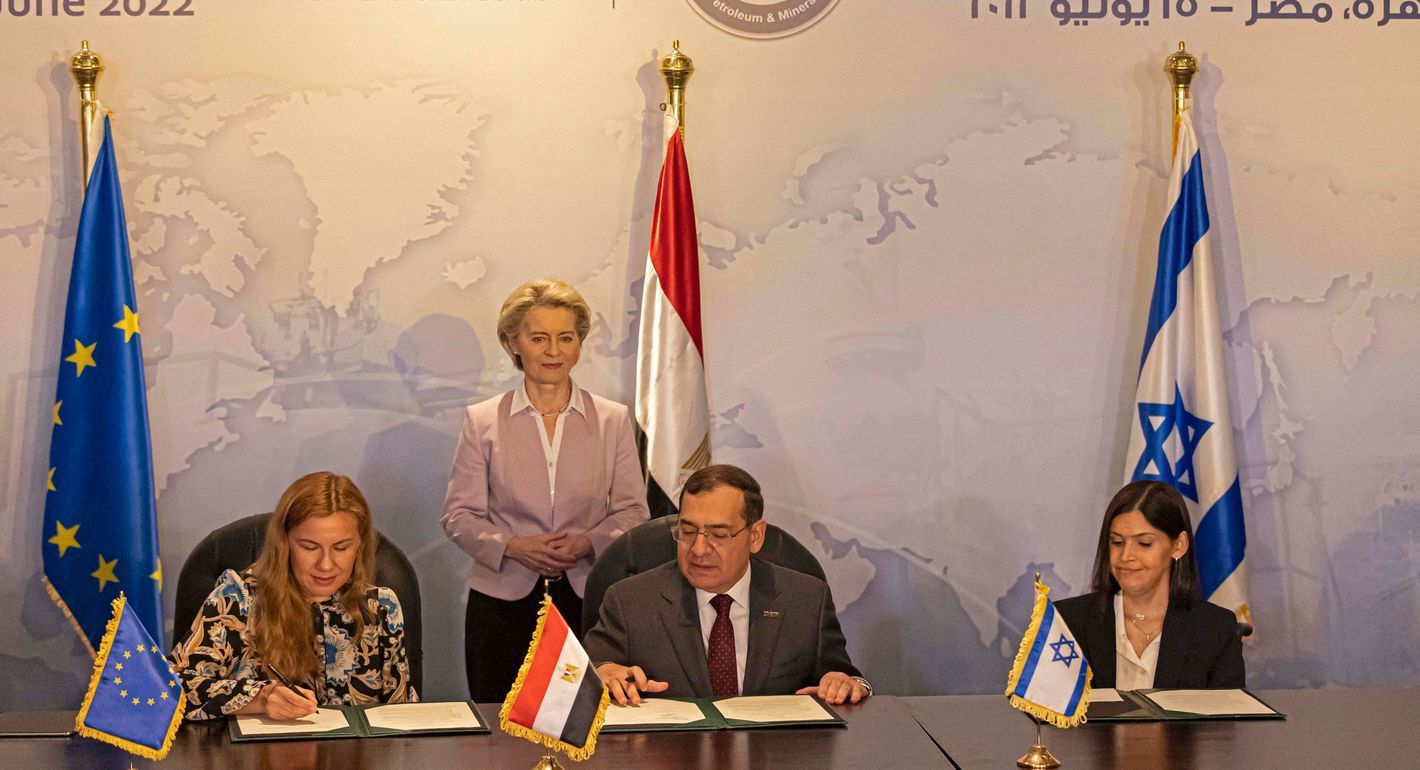
Can economic ties help contain conflict between Egypt and Israel, or do they simply postpone confrontation? Drawing on the German-Russian experience, the article examines how the gas deal creates mutual dependence, keeps channels of cooperation open, and raises the cost of conflict, without necessarily delivering lasting peace.
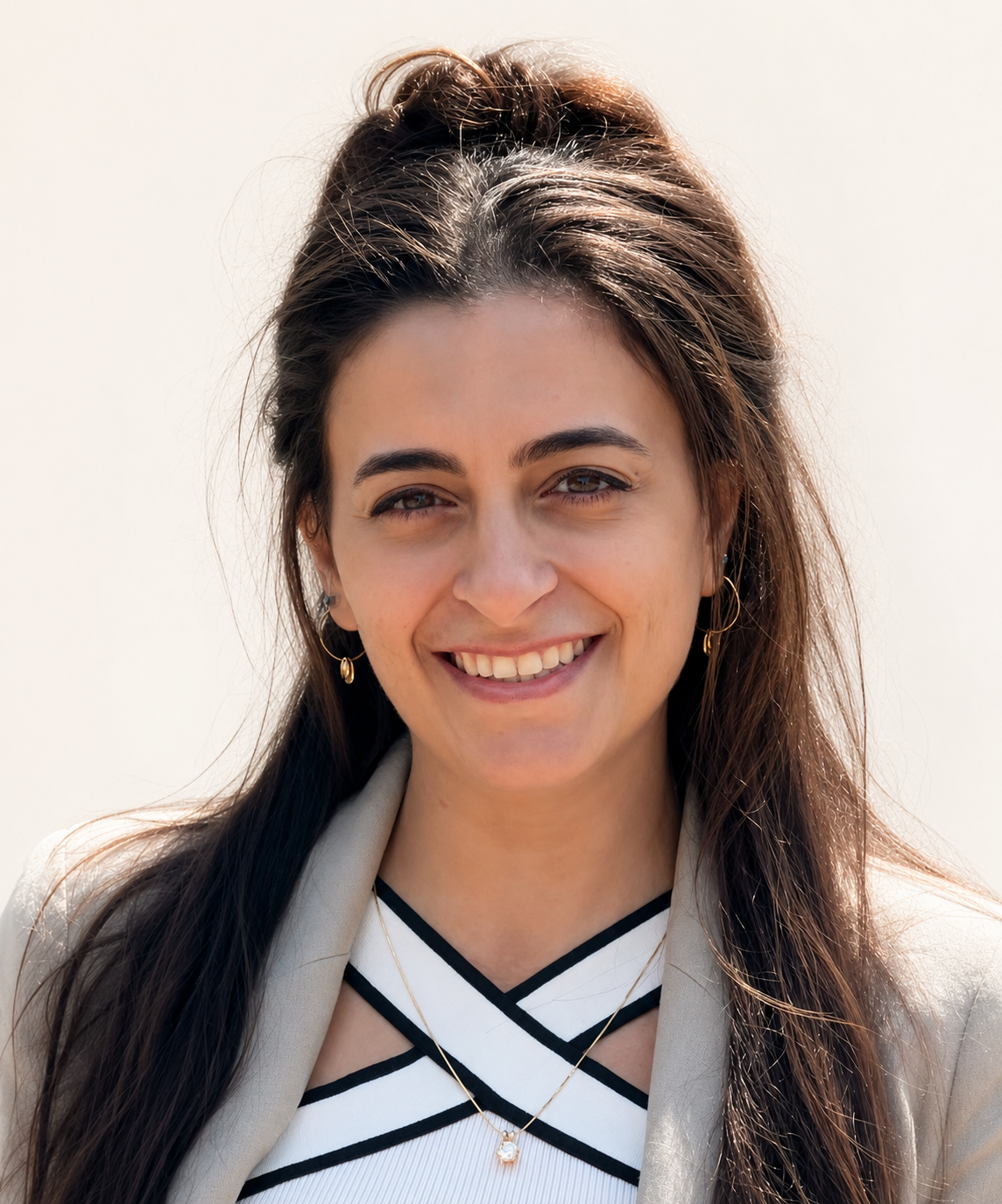
Nourhan Hefzy
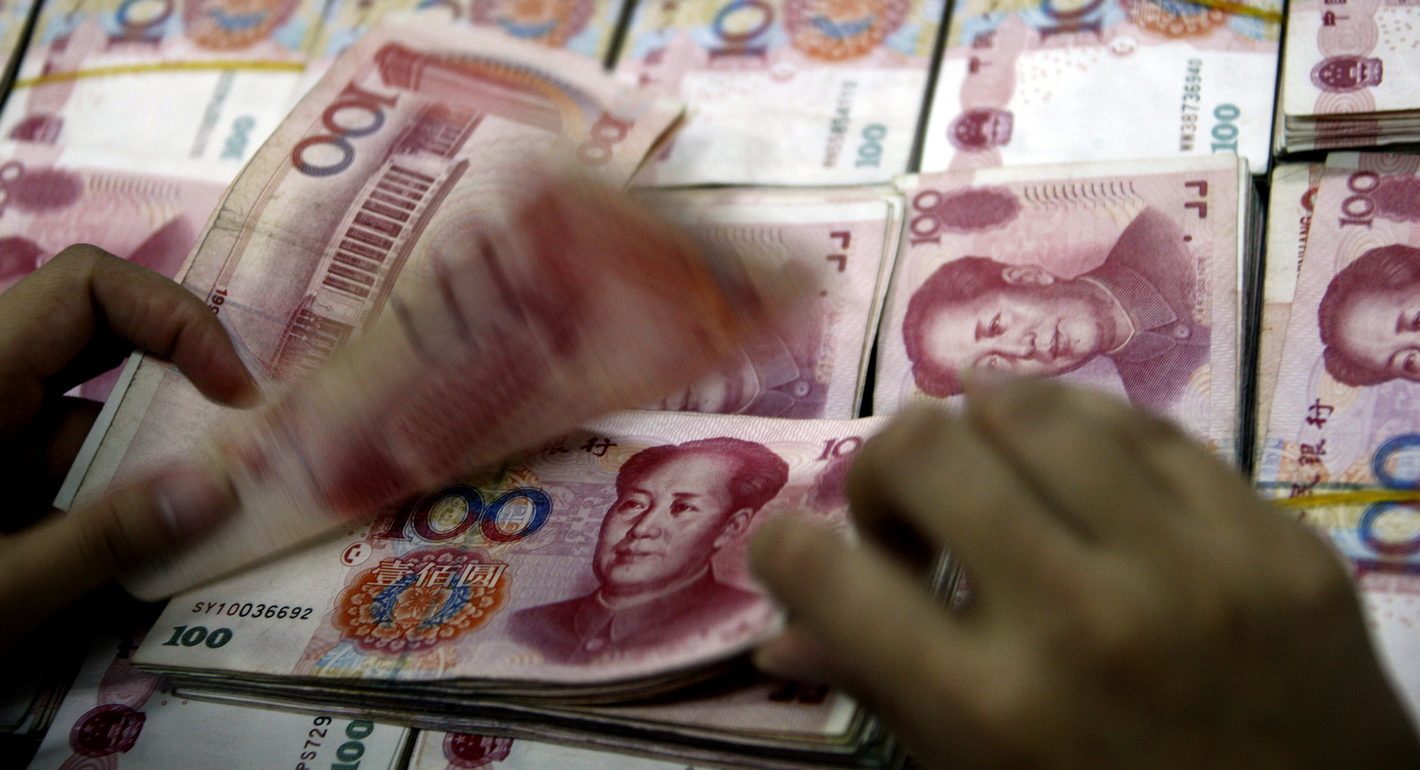
Is the Gulf moving beyond the dollar? This article examines how China is expanding the renminbi's role across Gulf markets, what that means for regional finance, and why the future of global currencies is more complex than the de-dollarization debate suggests.
Andrew Bonney
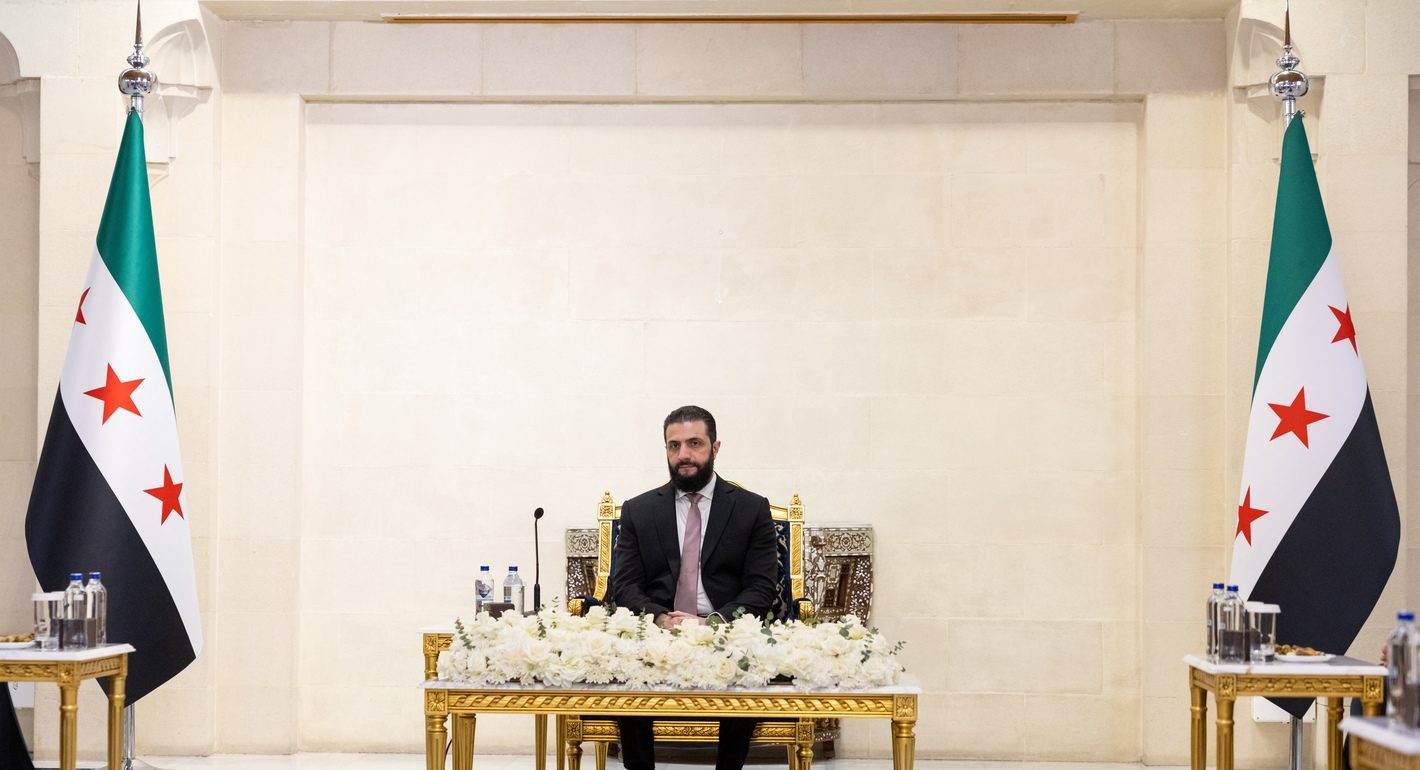
Syria's transition promised a fresh start. But are old habits of power making a comeback? This analysis looks at the warning signs and what it will take to build a more accountable state.
Sima Beitinjaneh
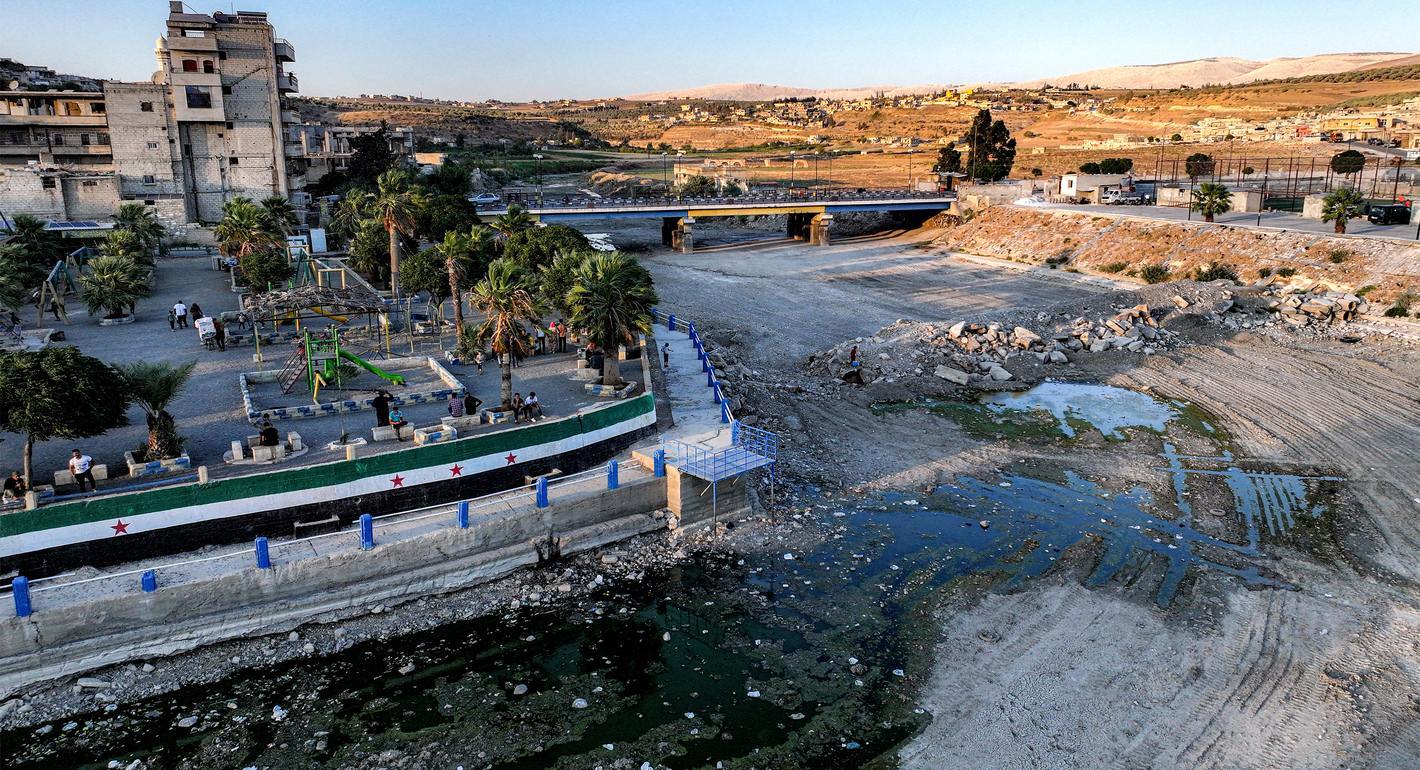
Syria’s worsening drought is no longer a seasonal crisis. This report explains what climate change is doing to rainfall, groundwater, and food security, and what solutions experts say are still possible.
Milia Esper
From anime heroes to online gaming communities, Morocco’s Gen Z is building a new protest culture. What does this digital imagination reveal about youth politics, and how should institutions respond?
Abdelilah Farah