

Commentary
Syria's transition promised a fresh start. But are old habits of power making a comeback? This analysis looks at the warning signs and what it will take to build a more accountable state.
Sima Beitinjaneh
{
  "authors": [
    "Asmae Otmani"
  ],
  "type": "commentary",
  "blog": "Sada",
  "centerAffiliationAll": "",
  "centers": [
    "Carnegie Endowment for International Peace"
  ],
  "collections": [],
  "englishNewsletterAll": "",
  "nonEnglishNewsletterAll": "",
  "primaryCenter": "Carnegie Endowment for International Peace",
  "programAffiliation": "",
  "programs": [],
  "projects": [],
  "regions": [
    "North Africa",
    "Morocco"
  ],
  "topics": [
    "Political Reform",
    "Democracy"
  ]
}

REQUIRED IMAGE
Morocco’s September 7 legislative elections mark—with their 37 percent participation—the lowest voter turn-out in the nation’s history. In such a situation, one might suppose that Morocco had mounted no significant voter awareness campaign, but this was not the case.
Morocco’s September 7 legislative elections mark—with their 37 percent participation—the lowest voter turn-out in the nation’s history. In such a situation, one might suppose that Morocco had mounted no significant voter awareness campaign, but this was not the case. Over the last few months, the Interior Ministry, along with local organizations, led a national campaign to mobilize voters, offering a professional blend of television, radio, print, and electronic media products. A traveling caravan facilitated registration, and 1.2 million Moroccans verified their registration through text-messaging; Moroccan rap artists produced civic-minded videos, and written Berber and colloquial Arabic sat next to formal Arabic and French in campaign materials. Although a few months ahead might seem a late start for such a program, basic information—final revisions in the electoral law, election logistics, registration requirements, and parties and platforms—was not ready until then.
Most observers attribute the low turnout not to late or inadequate voter awareness efforts, but to Moroccans’ disillusionment with the political process and sense that their votes do not translate into meaningful change. An April 2007 Interior Ministry survey revealed that only 7 percent of respondents expressed interest in politics. The voter information/awareness campaign provided basic information and evoked civic responsibilities before the elections, but the lack of political connection and engagement will require more profound change. Even so, efforts to reach voters could do more; short-term voter information/awareness campaigns will only attain their real strength once they are complemented by long-term voter education policies.
At present, voter information/awareness is inaccurately referred to as voter education or even civic education, in part because some aspects of the short-term campaign touch on educational and civic activities. The Moroccan NGO 2007Daba (Daba means “now” in Moroccan Arabic) and other local NGOs took the torch from the National Democratic Institute (NDI), which had led the voter information/awareness campaign in 2002 but played a strictly supporting role in 2007. In addition to this, 2007Daba managed to foster dialogue between citizens and parties, create civic dynamism, and garner institutional support. Yet, as its very name suggests, 2007Daba is a voter information/awareness effort tied to the current electoral cycle, and its many successes do not constitute a sustained education process.
Without a long-term education process, short-term voter information/awareness efforts are also confused with the concurrent election campaigns of partisan politics. As an online user put it, “They want our votes, and they forget about us after the elections.” As with political parties, the voter information/awareness campaign appeared on the eve of elections through a professional and expensive media blitz that addressed voters as important actors. Thus voters may extend their suspicion of politics to the voter information/awareness campaign.
To rally support, major political parties have been working to improve their image. They have enacted organizational reforms—both voluntary and compulsory (pursuant to the 2005 Political Parties Law)—and have become adept at articulating citizens’ interests at election time. Without sustained voter education, however, citizens lack the knowledge and skills necessary to define their own interests, communicate those interests to their representatives and parties, and evaluate the responsiveness of representatives and parties.
As with the parties, the media redoubled efforts for the 2007 elections. A new High Authority of Audiovisual Communications monitored electoral communications and introduced a pre-campaign period to inform citizens about parties before they began their official campaigns. The result was forty-two television programs that featured nearly 600 guests from political parties. These accomplishments notwithstanding, fitting all media efforts to reach voters within a short period had adverse consequences. Under the pressure of an impending campaign, parties often put forward their senior men, rather than new, young, and female representatives (who were more likely to have benefited from strategic communications trainings and more capable of appealing to first-time voters), thereby casting doubt on parties’ claims of internal democratization. Moreover, giving equally limited access to a seemingly limitless list of more than 30 parties, all overflowing with promises, may have exacerbated many voters’ exhaustion regarding politics.
The 2007 elections demonstrated that developing long-term voter education should be a priority. It may not guarantee increased voter turnout; no single policy can do that. But in addition to strengthening voter information/awareness campaigns, voter education will expand the concept of citizenship beyond the occasional vote, creating a well-informed and more politically responsible citizenry. These citizens will certainly push parties to perform better, but they will also understand the limits parties face in dealing with the country’s challenges. All forces—parties, local NGOs, the media, the Education and Interior Ministries, international organizations, and others—should combine efforts in a new and sustainable voter education policy. The next elections, with their voter information/awareness campaign, may not come for another five years, but the time for voter education is now.
Asmae Otmani is Arabic Web Editor at the Carnegie Endowment for International Peace. She managed NDI’s “Art of Voting” campaign during the 2002 elections in Morocco.
Asmae Otmani
Former Web Editor, Arab Reform Bulletin
Carnegie does not take institutional positions on public policy issues; the views represented herein are those of the author(s) and do not necessarily reflect the views of Carnegie, its staff, or its trustees.
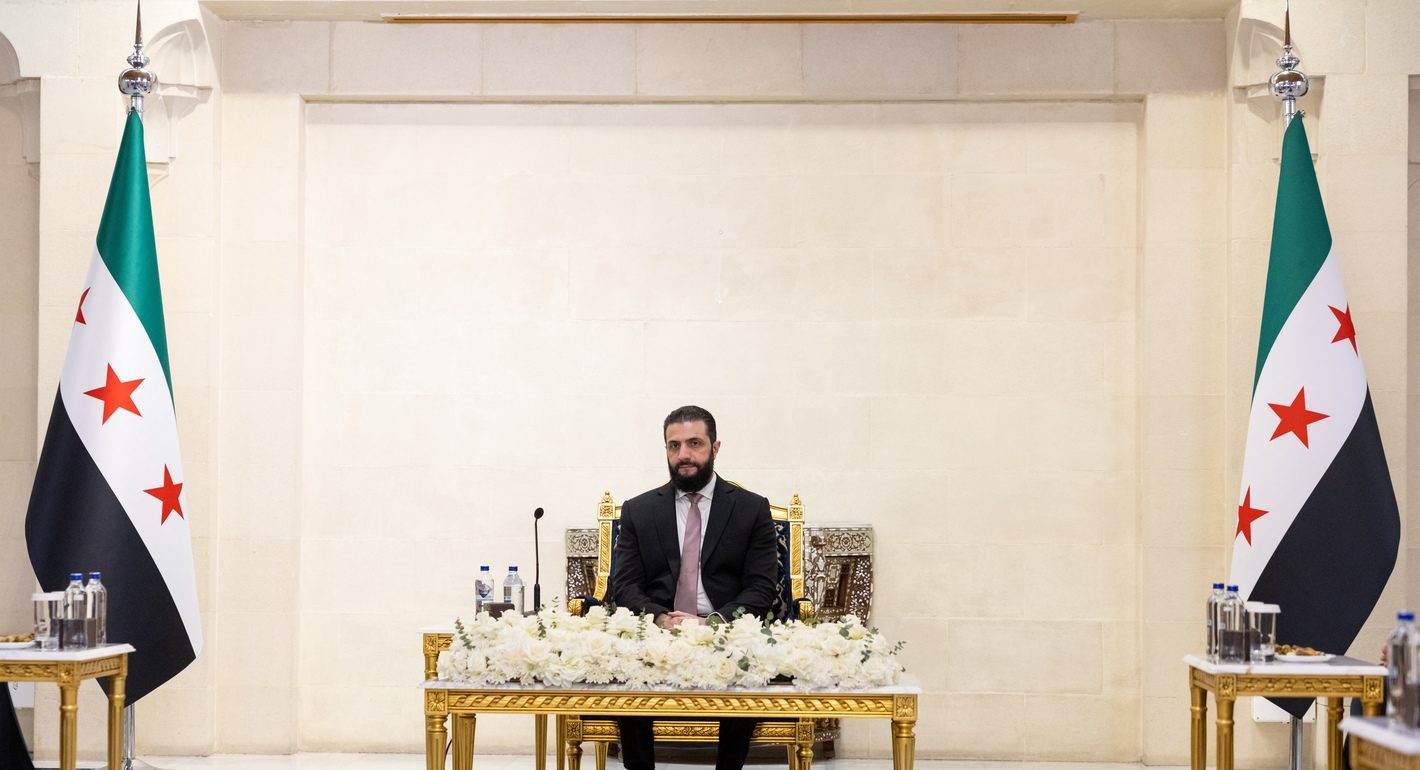
Syria's transition promised a fresh start. But are old habits of power making a comeback? This analysis looks at the warning signs and what it will take to build a more accountable state.

Sima Beitinjaneh
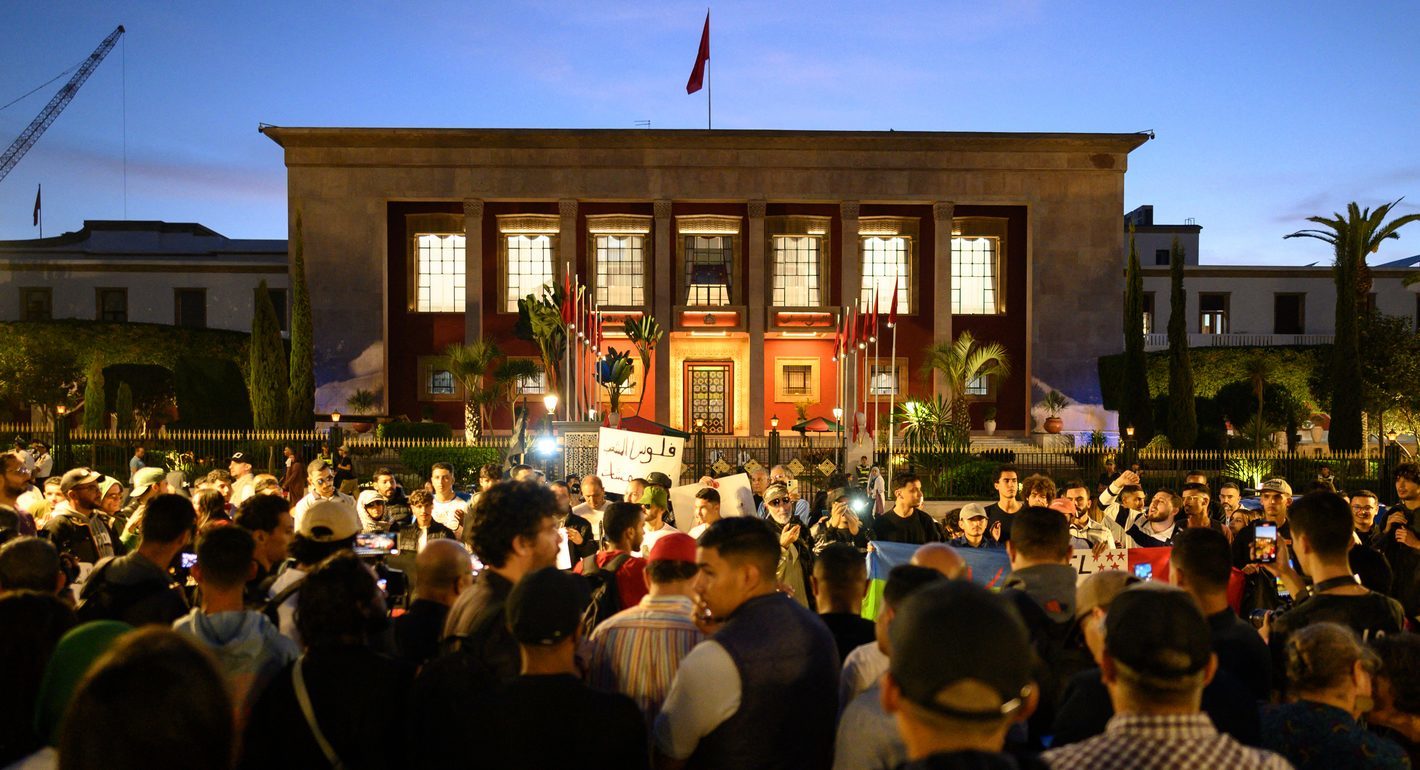
From anime heroes to online gaming communities, Morocco’s Gen Z is building a new protest culture. What does this digital imagination reveal about youth politics, and how should institutions respond?
Abdelilah Farah
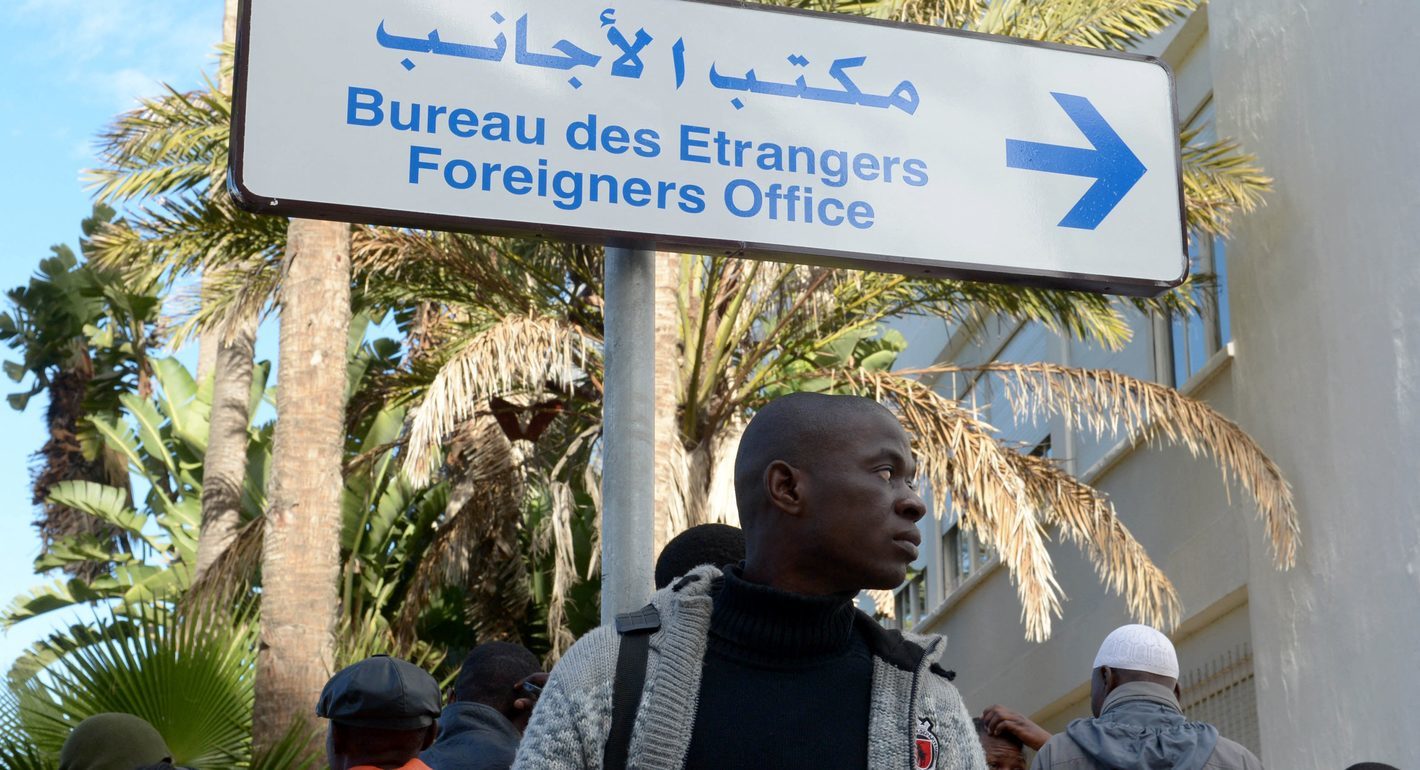
Is Morocco’s migration policy protecting Sub-Saharan African migrants or managing them for political and security ends? This article unpacks the gaps, the risks, and the paths toward real rights-based integration.
Soufiane Elgoumri
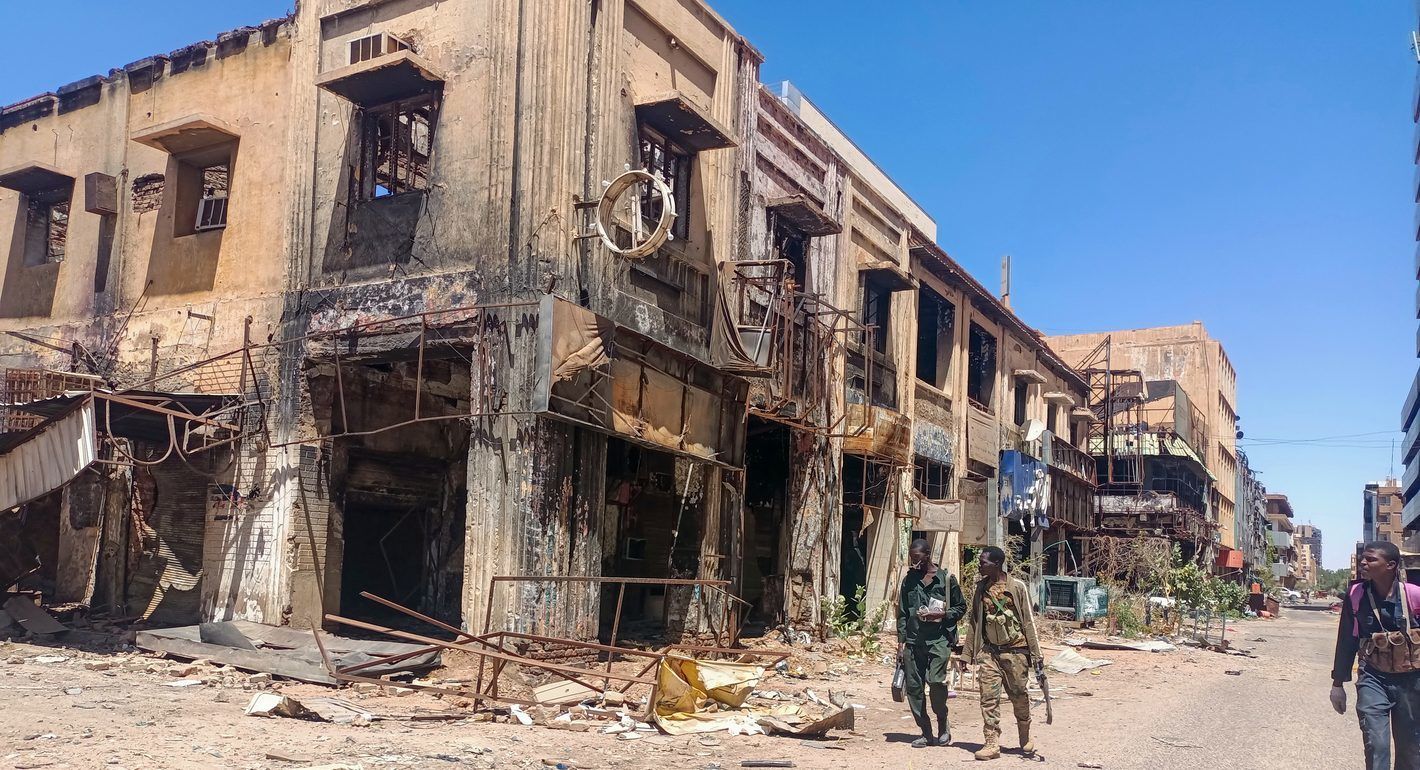
Hate speech has spread across Sudan and become a key factor in worsening the war between the army and the Rapid Support Forces. The article provides expert analysis and historical background to show how hateful rhetoric has fueled violence, justified atrocities, and weakened national unity, while also suggesting ways to counter it through justice, education, and promoting a culture of peace.
Samar Sulaiman

Kuwait’s government has repeatedly launched ambitious reforms under Kuwait Vision 2035, yet bureaucratic inefficiency, siloed institutions, and weak feedback mechanisms continue to stall progress. Adopting government analytics—real-time monitoring and evidence-based decision-making—can transform reform from repetitive announcements into measurable outcomes.
Dalal A. Marafie