

Commentary
Syria’s worsening drought is no longer a seasonal crisis. This report explains what climate change is doing to rainfall, groundwater, and food security, and what solutions experts say are still possible.
Milia Esper
{
  "authors": [
    "Mahdi Abdul Hadi"
  ],
  "type": "commentary",
  "blog": "Sada",
  "centerAffiliationAll": "",
  "centers": [
    "Carnegie Endowment for International Peace"
  ],
  "collections": [],
  "englishNewsletterAll": "",
  "nonEnglishNewsletterAll": "",
  "primaryCenter": "Carnegie Endowment for International Peace",
  "programAffiliation": "",
  "programs": [],
  "projects": [],
  "regions": [
    "Middle East",
    "Israel",
    "Palestine"
  ],
  "topics": [
    "Political Reform"
  ]
}

REQUIRED IMAGE
The changing political balance in Palestine —from domination by the secular nationalist Palestinian Liberation Organization (PLO) to effective challenge for leadership by the Islamist Resistance Movement (Hamas)—can be seen not only at the ballot box, but also in the daily lives of Palestinians.
The changing political balance in Palestine —from domination by the secular nationalist Palestinian Liberation Organization (PLO) to effective challenge for leadership by the Islamist Resistance Movement (Hamas)—can be seen not only at the ballot box, but also in the daily lives of Palestinians. While Islamic culture has deep roots in Palestine, there is a discernable change in social customs and behavior among the middle class in the last decade. For now secular and Islamist trends are coexisting in society, but secularists are losing influence steadily.
The process of social Islamization in Palestine differs somewhat from that in other Arab countries due to the profound impact of external factors over the past three decades. First, the policies and practices of the Israeli military occupation have forced Palestinians to adapt their daily behavior to deal with domination by a coercive power. Second, the culture of the Israeli society—with its currents of European secular thought but also the ascendance of Jewish religious revivalism—has had a bearing on Palestinian thinking. Third, the combination of externally-financed economic modernization and security-motivated restrictions on movement has widened the social gap between a wealthier urban society with access to services and facilities and a poorer, geographically isolated rural society. Palestinians, whether secularist or Islamist in orientation, have had to develop their own methods of coping in order to maintain their heritage and avoid internal disputes that might lead to the downfall of all.
Evolving Palestinian customs reflect this social bifurcation—but also efforts at coexistence—between Islamists and secularists. "Houses of condolence," for example, where mourners pay respect to the deceased, nowadays are often held in a municipal hall rather than a family home. If the family of the deceased is secularist, the event often becomes a social salon where men and women pay their respects side by side, without the Quran being recited as it is usually done in an Islamic Arab society. Islamists, on the other hand, have special halls used as houses of condolence, which are attended by men only and feature Quranic recitation. Similarly, for weddings secularists hold evening celebrations for men and women together while Islamists organize special lunch events for men only or evening celebrations with males separated from females.
Religious services themselves may be divided. In one of the villages in the Ramallah district, for example, there is a regular mosque and another for Hamas. The imam of the former delivers a Friday sermon focusing on social issues, while the imam of the latter preaches that "Islam is the solution," based on the idea that Islam is threatened or that there is a conspiracy against the Muslims.
Generally, Palestinian Islamists and secularists are able to discuss and critique each other's customs peaceably, though often with clear manifestations of their differences. In one recent incident, a group of young men left a mosque in the West Bank village of Al Bireh as the Imam was delivering a Friday sermon. They were protesting the politicization of worship because the Imam had called for a boycott of the proposed referendum over the so-called Prisoners' Document signed by Hamas and Fatah inmates. Another example is that there are generally no conflicts with Islamists when secularists decline to enter a mosque during a funeral (every Muslim, whether religious or not, must have a prayer before burial); those who did not attend the prayer simply wait outside and then join the procession afterward along with their religious brethren.
Amicability and mutual tolerance between Islamists and secularists, however, are not universal and cannot conceal the long-term trend of expanding Islamist power among the middle class, which suffers the most from the many shocks and deprivations Palestinians face. The Islamist-dominated municipal council in the northern West Bank city of Qalqilia, for example, recently banned a musical event that was open to all residents and painted the windows and doors of the municipal building in the green color favored by Islamists. Secularists are increasingly unable to affect public opinion, as they avoid speaking out publicly for fear of being branded atheists or traitors to the Palestinian cause. PLO Executive Committee member Yasser Abed Rabbo had such an experience recently after openly criticizing the Hamas government. What was notable—and sad—about the episode was the fact that no secularist, whether from within the PLO, Fatah, or nongovernmental organizations, came to Abed Rabbo's defense.
Mahdi Abdel Hadi is founder and chairman of the Palestinian Academic Society for the Study of International Affairs (PASSIA) in Jerusalem.
Mahdi Abdul Hadi
Carnegie does not take institutional positions on public policy issues; the views represented herein are those of the author(s) and do not necessarily reflect the views of Carnegie, its staff, or its trustees.
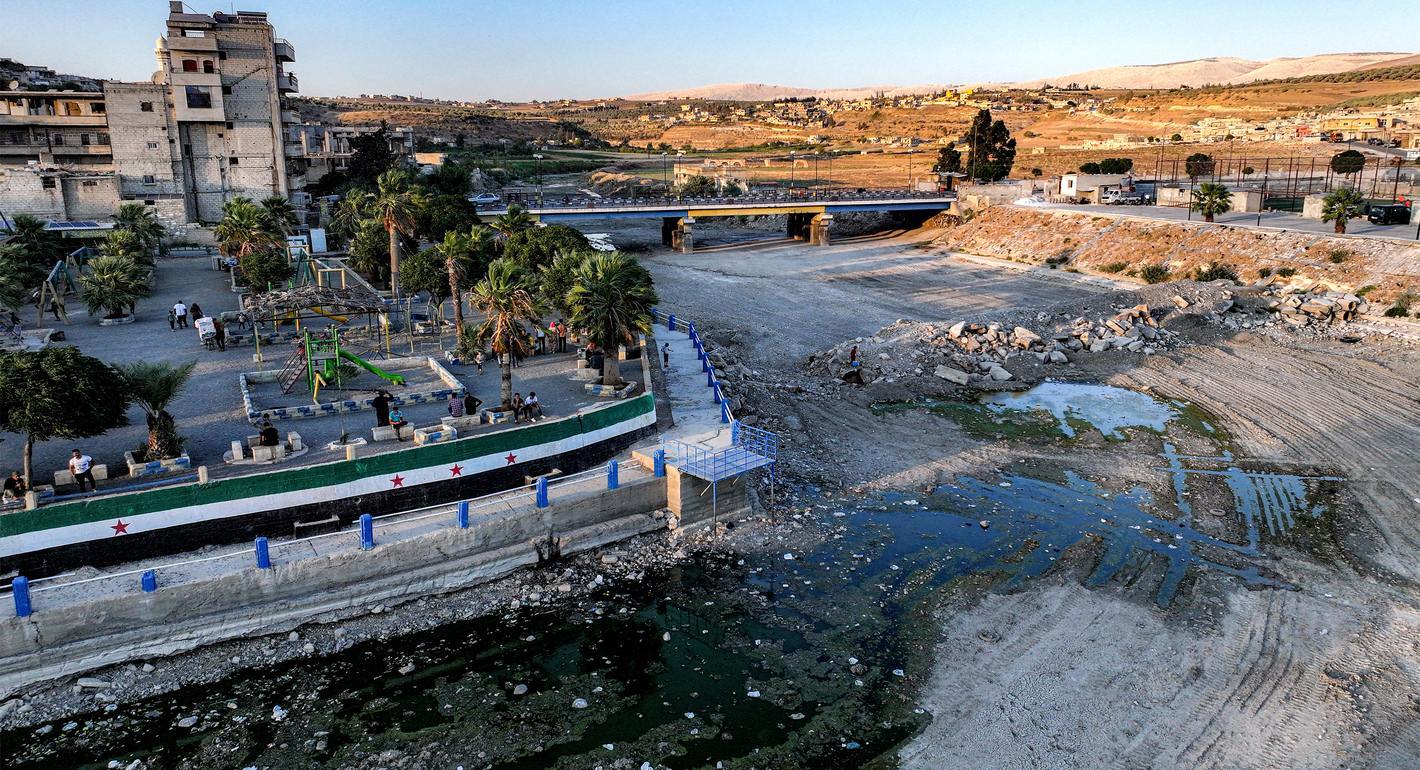
Syria’s worsening drought is no longer a seasonal crisis. This report explains what climate change is doing to rainfall, groundwater, and food security, and what solutions experts say are still possible.
Milia Esper
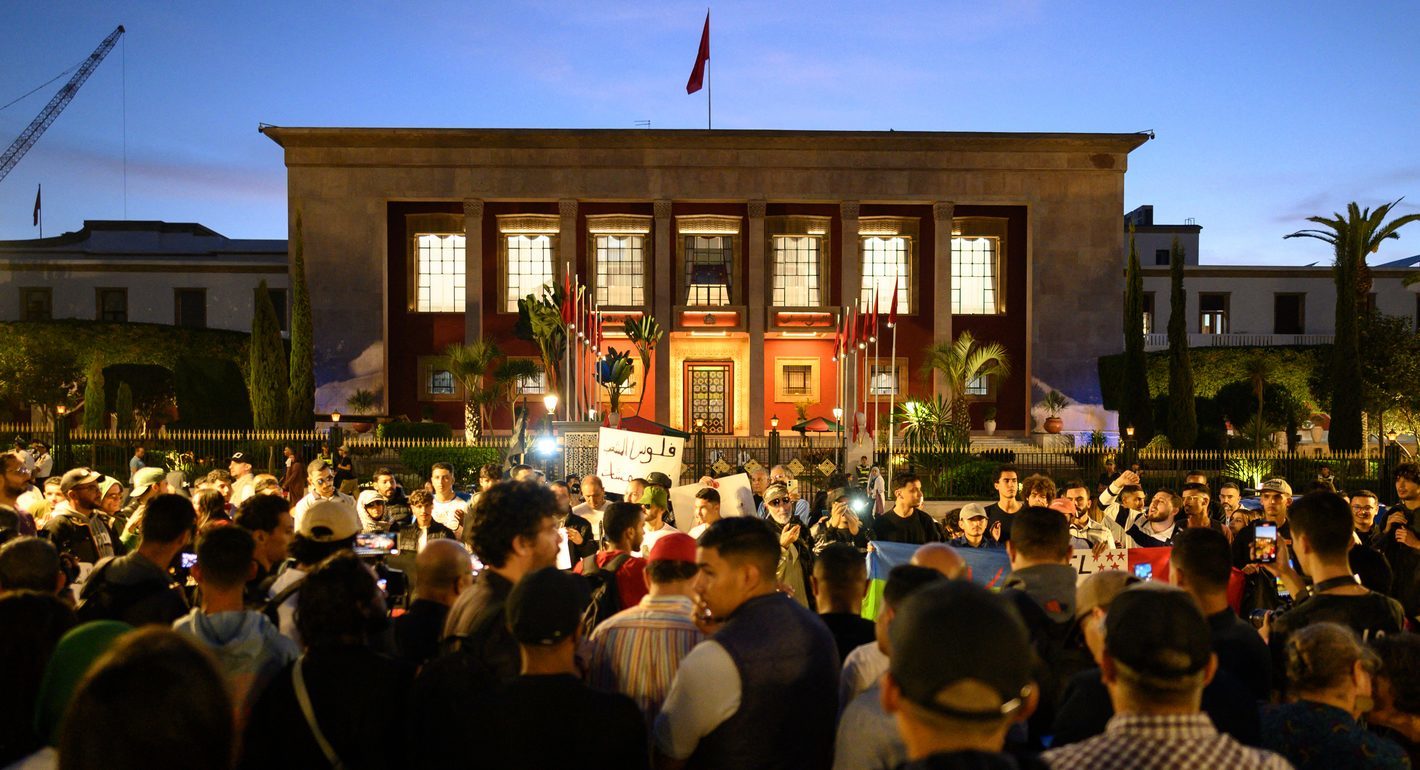
From anime heroes to online gaming communities, Morocco’s Gen Z is building a new protest culture. What does this digital imagination reveal about youth politics, and how should institutions respond?
Abdelilah Farah
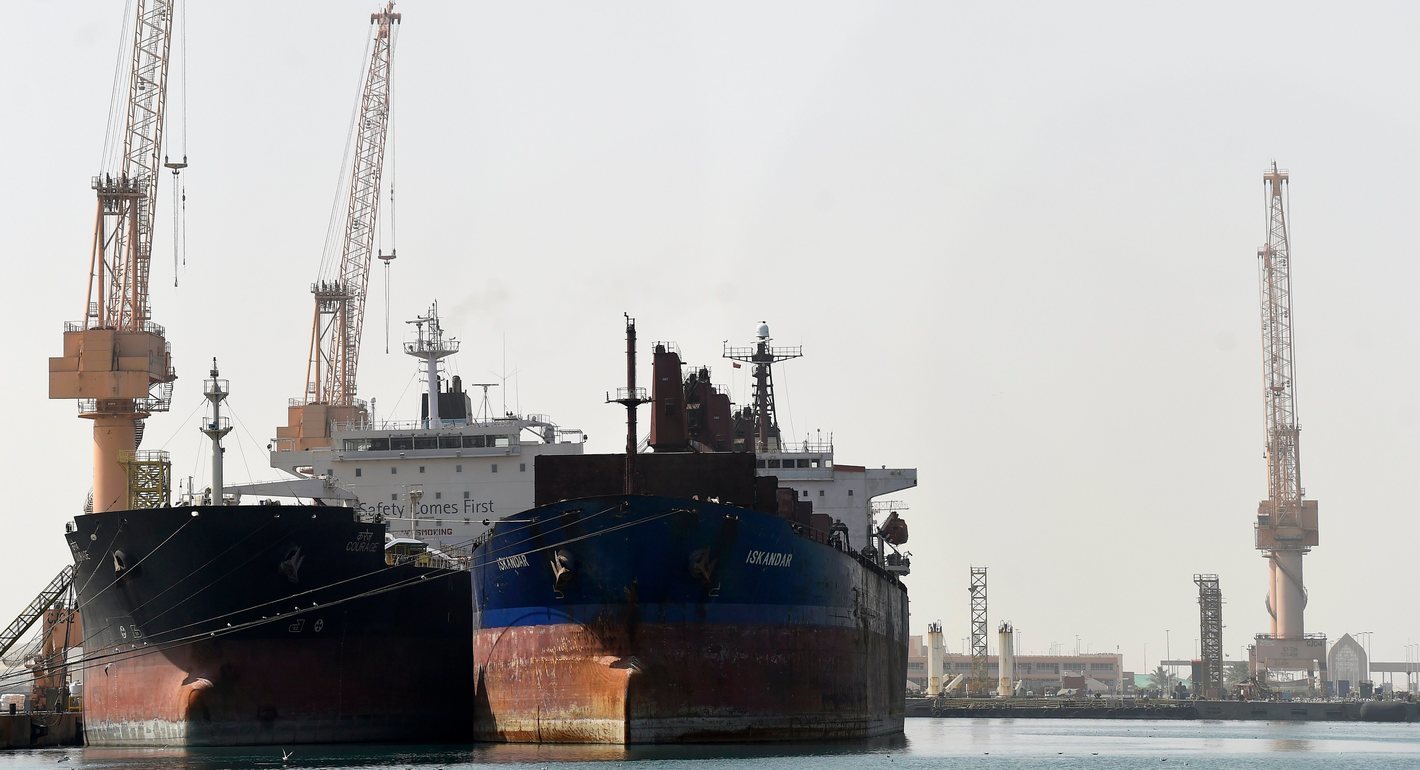
In a volatile Middle East, the Omani port of Duqm offers stability, neutrality, and opportunity. Could this hidden port become the ultimate safe harbor for global trade?
Giorgio Cafiero, Samuel Ramani
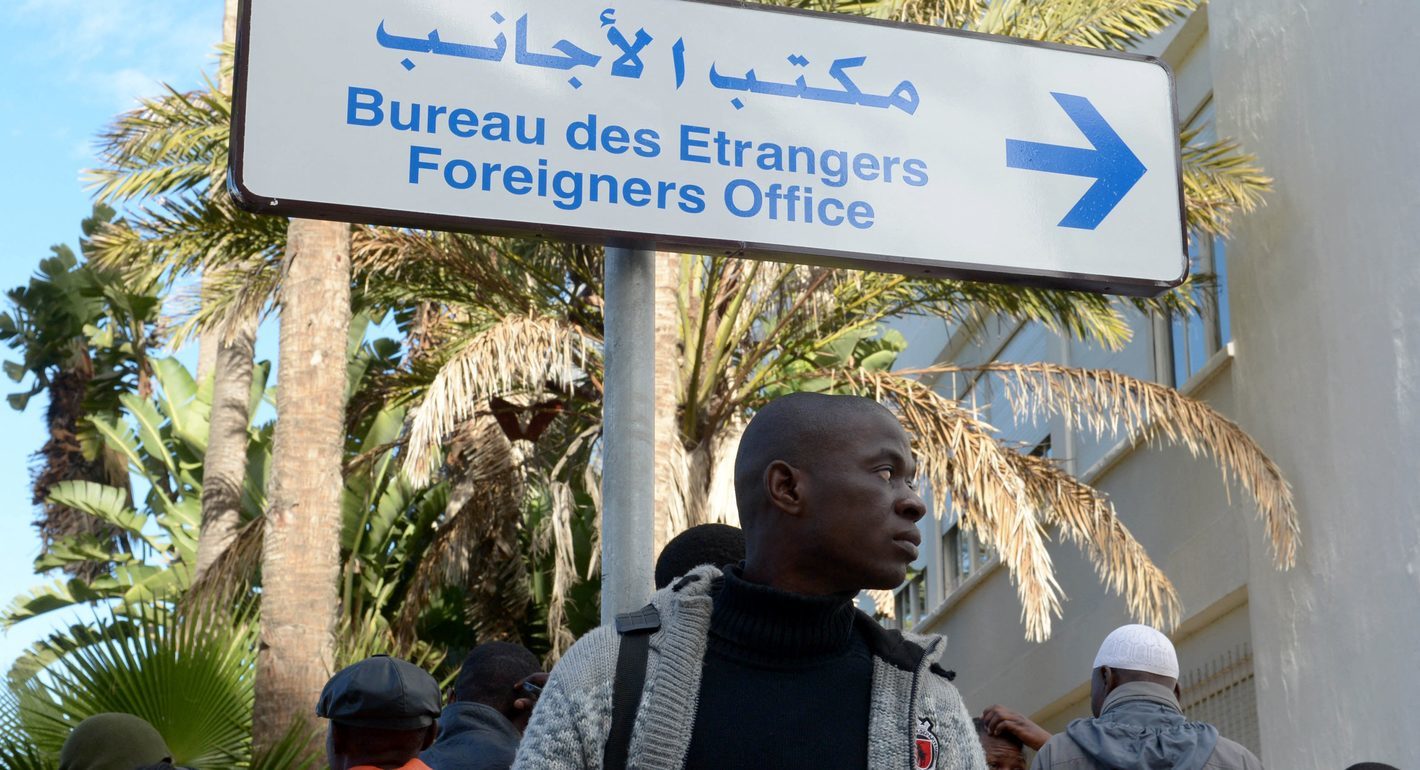
Is Morocco’s migration policy protecting Sub-Saharan African migrants or managing them for political and security ends? This article unpacks the gaps, the risks, and the paths toward real rights-based integration.
Soufiane Elgoumri
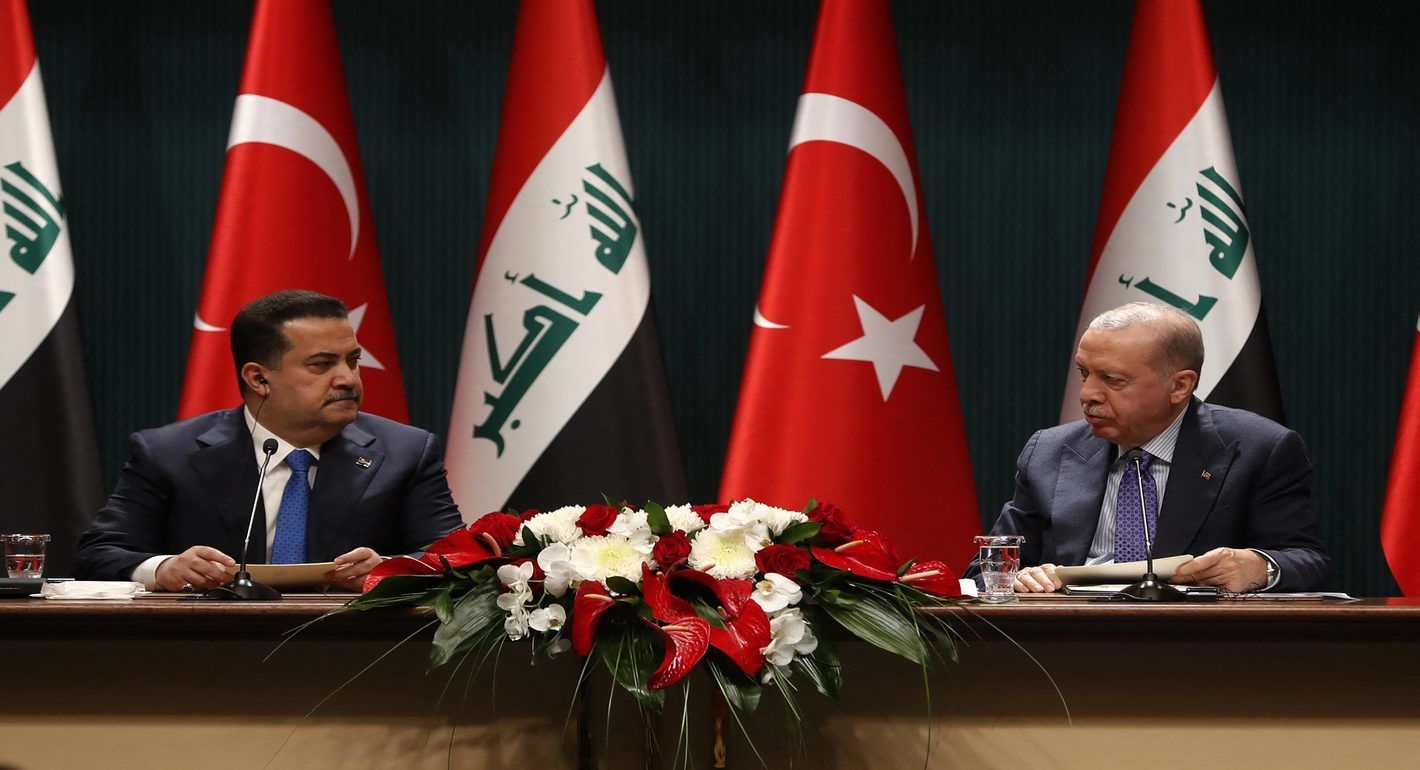
Iraq’s foreign policy is being shaped by its own internal battles—fractured elites, competing militias, and a state struggling to speak with one voice. The article asks: How do these divisions affect Iraq’s ability to balance between the U.S. and Iran? Can Baghdad use its “good neighbor” approach to reduce regional tensions? And what will it take for Iraq to turn regional investments into real stability at home? It explores potential solutions, including strengthening state institutions, curbing rogue militias, improving governance, and using regional partnerships to address core economic and security weaknesses so Iraq can finally build a unified and sustainable foreign policy.
Mike Fleet