

Commentary
Syria's transition promised a fresh start. But are old habits of power making a comeback? This analysis looks at the warning signs and what it will take to build a more accountable state.
Sima Beitinjaneh
{
  "authors": [
    "Jafar Al Shayib"
  ],
  "type": "commentary",
  "blog": "Sada",
  "centerAffiliationAll": "",
  "centers": [
    "Carnegie Endowment for International Peace"
  ],
  "collections": [],
  "englishNewsletterAll": "",
  "nonEnglishNewsletterAll": "",
  "primaryCenter": "Carnegie Endowment for International Peace",
  "programAffiliation": "",
  "programs": [],
  "projects": [],
  "regions": [
    "Saudi Arabia"
  ],
  "topics": [
    "Political Reform"
  ]
}

REQUIRED IMAGE
The local councils of Saudi Arabia elected in spring 2005, still in their formative stages, have yet to make their mark on municipal decision making. They are caught between the promises that they made to voters during last year's elections and the reality of dealing with local governments known for deeply ingrained bureaucracy.
The local councils of Saudi Arabia elected in spring 2005, still in their formative stages, have yet to make their mark on municipal decision making. They are caught between the promises that they made to voters during last year's elections and the reality of dealing with local governments known for deeply ingrained bureaucracy. Although it is difficult to evaluate fully the performance of the local councils during their short tenure so far, the general impression among Saudis is that the councils have far to go in order to produce tangible results for the citizenry.
Three main factors affect the local councils' effectiveness. The first is the council members themselves—elected and appointed—and their understanding of their duties. The second is the official administrative framework governing the councils' operation, authority, and ability to oversee local administration. The third is the general public and its role in monitoring the councils and interacting with them.
To begin with, the eight month gap between the councils' election and taking office had a negative impact, resulting in a retreat by the electorate and even by the elected members from local work. There had been great enthusiasm after the general elections—held in Saudi Arabia for the first time in many decades—and many citizens had held high hopes that the local councils would be a conduit for developing local services, improving conditions in the municipalities, and ending the spread of financial and administrative corruption. In addition, the selection of appointed council members caused several problems. Although the selection process was supposed to choose members whose capabilities were appropriate to the councils' activities, it in fact relied on additional factors such as the need for regional and tribal balance. This undoubtedly contributed to a rearrangement of the agendas of some of the councils according to the tendencies and backgrounds of these new members.
A number of administrative and legal problems surfaced in the relationship between the local councils and municipalities. Although there are statutes that clearly stipulate the councils' authority in supervising all work carried out in the municipalities, a number of conflicts have arisen in dealings with the executive apparatus due to the reservations of local officials and to the municipalities' bureaucratic nature. In most of these situations local councils have been forced to find a compromise solution or delay implementation of their decisions because there is no administrative framework to enforce their decisions.
Despite problems working with municipalities, during their first ten months the councils themselves have, on the whole, been active and dealt with a number of important issues. They first reviewed and approved municipal budgets for the year 2007, then focused on improving services in the municipalities in general and dealing with enduring issues such as land grants to citizens and reprioritizing municipal projects. So far councils have not tackled reorganizing municipalities and reviewing their financial improprieties which are among the councils' most important oversight functions. However, measures are underway in some of the councils to hold contractors responsible for negligence and poor performance. Some council members have proposed to do field research in order to more clearly understand citizens' needs and to learn about how other local councils function, whether in Saudi Arabia or abroad.
Saudi citizens have shown a good deal of interest in—and lack of satisfaction with—the performance of the local councils. A number of councils have held open meetings with citizens to present to them the work they have done. These meetings have witnessed sharp criticism of council members and demands that they be more active and focused on issues of importance to citizens. A number of citizens have also offered cooperation and professional expertise to help improve local services in their neighborhoods, but an appropriate framework for popular participation so far has not materialized.
The future achievements of the local councils will depend on their ability to carve out an appropriate position for themselves through which they can perform their prescribed duties. The councils can do this by working more actively with municipalities and delineating clear mechanisms for monitoring implementation of their decisions. They will also need to work on achieving a more mature relationship and greater unity of purpose among council members, as well as between them and the general public.
Jafar Muhammad Al Shayib is president of the local council of Al Qatif Governate in Saudi Arabia. This article was translated from Arabic by Kevin Burnham.
Jafar Al Shayib
Carnegie does not take institutional positions on public policy issues; the views represented herein are those of the author(s) and do not necessarily reflect the views of Carnegie, its staff, or its trustees.
Syria's transition promised a fresh start. But are old habits of power making a comeback? This analysis looks at the warning signs and what it will take to build a more accountable state.
Sima Beitinjaneh
How can Saudi Arabia turn its booming e-commerce sector into a real engine of economic empowerment for women amid persistent gaps in capital access, digital training, and workplace inclusion? This piece explores the policy fixes, from data-center integration to gender-responsive regulation, that could unlock women’s full potential in the kingdom’s digital economy.
Hannan Hussain
Hate speech has spread across Sudan and become a key factor in worsening the war between the army and the Rapid Support Forces. The article provides expert analysis and historical background to show how hateful rhetoric has fueled violence, justified atrocities, and weakened national unity, while also suggesting ways to counter it through justice, education, and promoting a culture of peace.
Samar Sulaiman
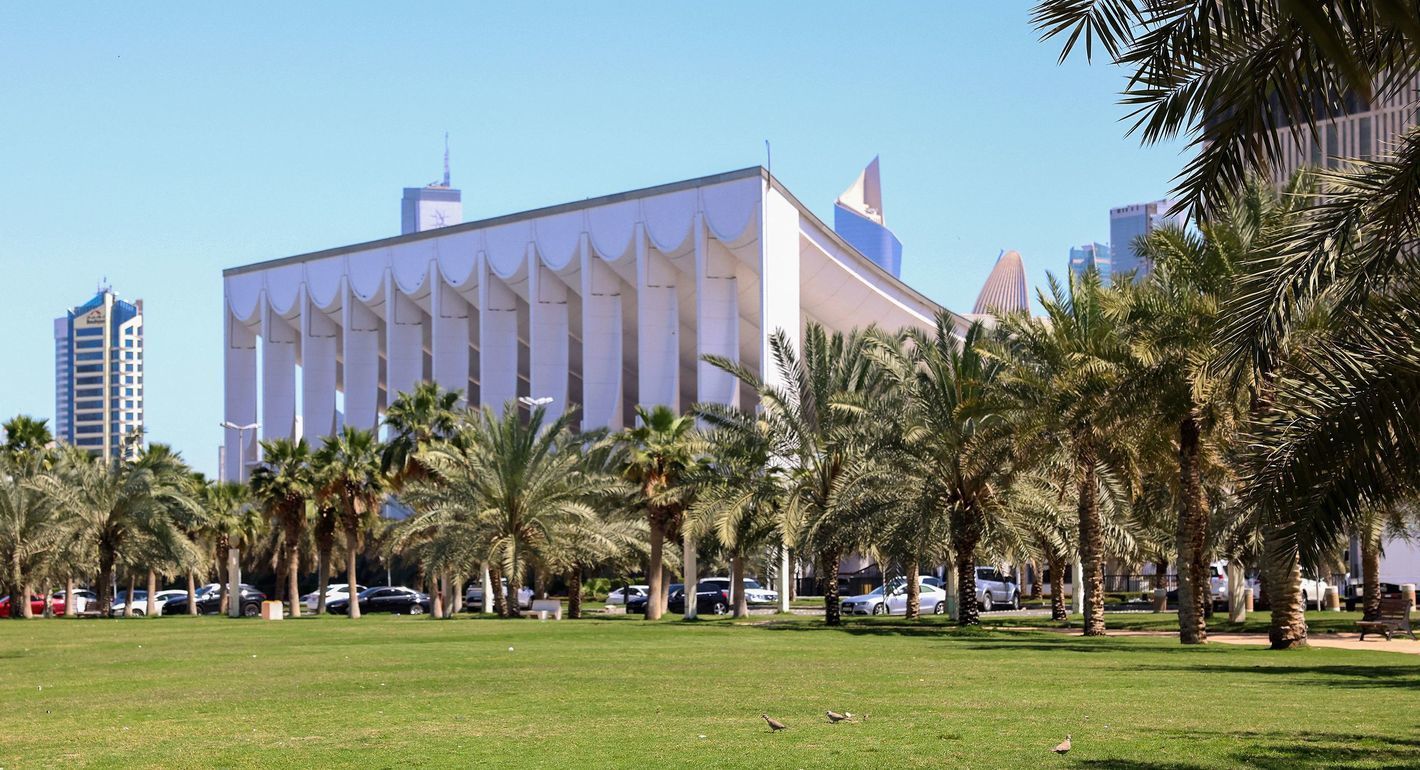
Kuwait’s government has repeatedly launched ambitious reforms under Kuwait Vision 2035, yet bureaucratic inefficiency, siloed institutions, and weak feedback mechanisms continue to stall progress. Adopting government analytics—real-time monitoring and evidence-based decision-making—can transform reform from repetitive announcements into measurable outcomes.
Dalal A. Marafie
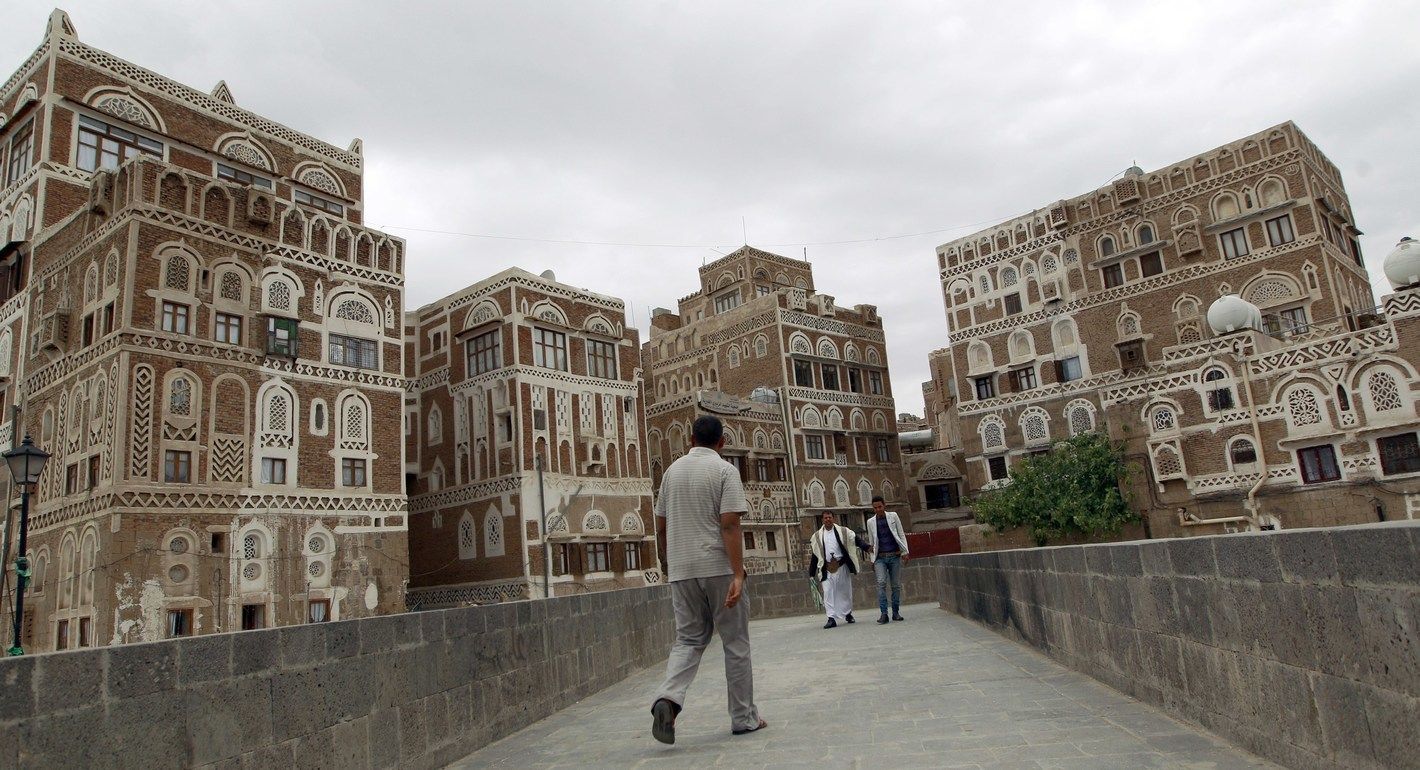
The chaos of street naming in Sana’a reflects the deep weakness of the Yemeni state and its failure to establish a unified urban identity, leaving residents to rely on informal, oral naming systems rooted in collective memory. This urban disorder is not merely a logistical problem but a symbolic struggle between state authority and local community identity.
Sarah Al-Kbat