

Commentary
Syria's transition promised a fresh start. But are old habits of power making a comeback? This analysis looks at the warning signs and what it will take to build a more accountable state.
Sima Beitinjaneh
{
  "authors": [
    "Jafar M. Al-Shayeb"
  ],
  "type": "commentary",
  "blog": "Sada",
  "centerAffiliationAll": "",
  "centers": [
    "Carnegie Endowment for International Peace"
  ],
  "collections": [],
  "englishNewsletterAll": "",
  "nonEnglishNewsletterAll": "",
  "primaryCenter": "Carnegie Endowment for International Peace",
  "programAffiliation": "",
  "programs": [],
  "projects": [],
  "regions": [
    "Saudi Arabia"
  ],
  "topics": [
    "Political Reform"
  ]
}

REQUIRED IMAGE
Saudis are still awaiting the inauguration of their partially-elected municipal councils, despite the fact that the last round of elections was held eight months ago. The delay has dampened popular enthusiasm for the councils and raised questions about the Saudi government's seriousness about political reform.
Saudis are still awaiting the inauguration of their partially-elected municipal councils, despite the fact that the last round of elections was held eight months ago. The delay has dampened popular enthusiasm for the councils and raised questions about the Saudi government's seriousness about political reform. It had been hoped that the municipal elections would open the door for wider popular participation and elections to other political bodies.
Elections and other opportunities for popular participation existed early on in the history of the Kingdom of Saudi Arabia, although they were limited to a few regions and posts. Until the early 1960s, municipal councils were fully elected, as were some academic and business posts. In the early 1960s, however, ultraconservative religious leaders supporting the Saudi regime deemed the idea of elections unlawful. In an effort to strengthen central government, the elected councils were dissolved and replaced with appointed district and provisional councils.
The decision to reestablish municipal councils was technically taken in 1977 but implemented only this year. One hundred seventy-nine municipal councils (consisting of four to fourteen members based on the size of each municipality) were created. Half of the members were elected; the remainder will be appointed by the Minister of Municipal and Rural Affairs. The responsibilities of these councils include preparing the municipality's budget and organizational structure, issuing codes and standards for urban planning and other activities, supervising financial transactions, and setting taxes and service charges.
Positive aspects of this year's elections included wide-ranging debate on issues and experimentation with political tactics. Campaign programs were a sort of democratic wedding, with citizens invited to enormous tents to hear speakers invited by candidates discuss issues such as corruption, land distribution, state budgets, wealth distribution, the rule of law and equal opportunities. Candidates created alliances among themselves, showing fairly sophisticated tactics in forging what were known as the “golden lists.”
Other aspects of the electoral process—which enfranchised only males over twenty-one not serving in the military, a mere 20 percent of the population—limited participation and enthusiasm. The government also exerted little effort to educate citizens and motivate them to vote, which may explain the low turnout around the country. The exceptions were the regions where social activists and community leaders actively promoted the elections and organized registration centers.
The effectiveness of the municipal councils also will be undermined by both electoral and structural factors. Each city was divided into many subdistricts and citizens cast votes for candidates in all of them, weakening the concept of direct representation. The fact that half of the council members will be appointed is likely to create tension in the council, as each appointee will try to defend the interests of his backers. Another shortcoming is the limited authority given to these municipal councils. They have no say in the sale and distribution of public lands (a sensitive issue due to official abuses), for example, nor will they oversee other public services such as health, education, and sewage.
Elected councilmen are well aware of the councils' shortcomings and are considering ways to address them once the councils are activated. Members are preparing to establish a national association of municipal councils in order to coordinate strategies and programs. Such an association could give the councils a more explicitly political role and would help them monitor and supervise government projects in order to reduce corruption and improve performance at the municipal level. Another common goal among elected council members is to increase communication with constituents by establishing community centers in all districts, a measure recently approved by the government.
The municipal elections in Saudi Arabia proved that citizens are ready for more political reform and for additional direct elections. Now it is up to the government to inaugurate the councils, allow them to play an active role in the political life of the country, and move on to begin a comprehensive and inclusive political reform program. Invigorated political debate and activity among Saudis would be an important antidote to the influence of the violent, fanatical groups that threaten the country.
Jafar Al-Shayeb is a Saudi writer and an elected member of the Qatif Municipal Council.
Jafar M. Al-Shayeb
Carnegie does not take institutional positions on public policy issues; the views represented herein are those of the author(s) and do not necessarily reflect the views of Carnegie, its staff, or its trustees.
Syria's transition promised a fresh start. But are old habits of power making a comeback? This analysis looks at the warning signs and what it will take to build a more accountable state.
Sima Beitinjaneh
How can Saudi Arabia turn its booming e-commerce sector into a real engine of economic empowerment for women amid persistent gaps in capital access, digital training, and workplace inclusion? This piece explores the policy fixes, from data-center integration to gender-responsive regulation, that could unlock women’s full potential in the kingdom’s digital economy.
Hannan Hussain
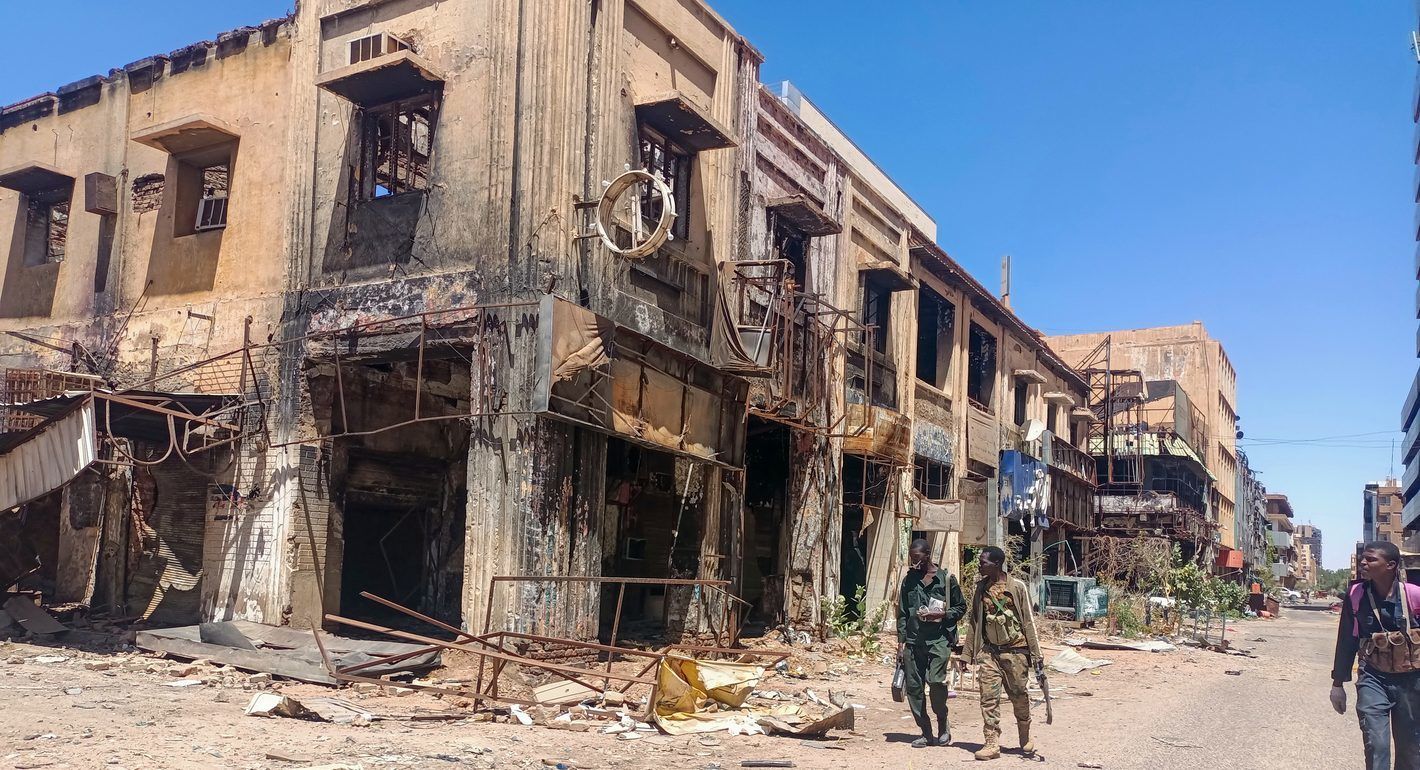
Hate speech has spread across Sudan and become a key factor in worsening the war between the army and the Rapid Support Forces. The article provides expert analysis and historical background to show how hateful rhetoric has fueled violence, justified atrocities, and weakened national unity, while also suggesting ways to counter it through justice, education, and promoting a culture of peace.
Samar Sulaiman
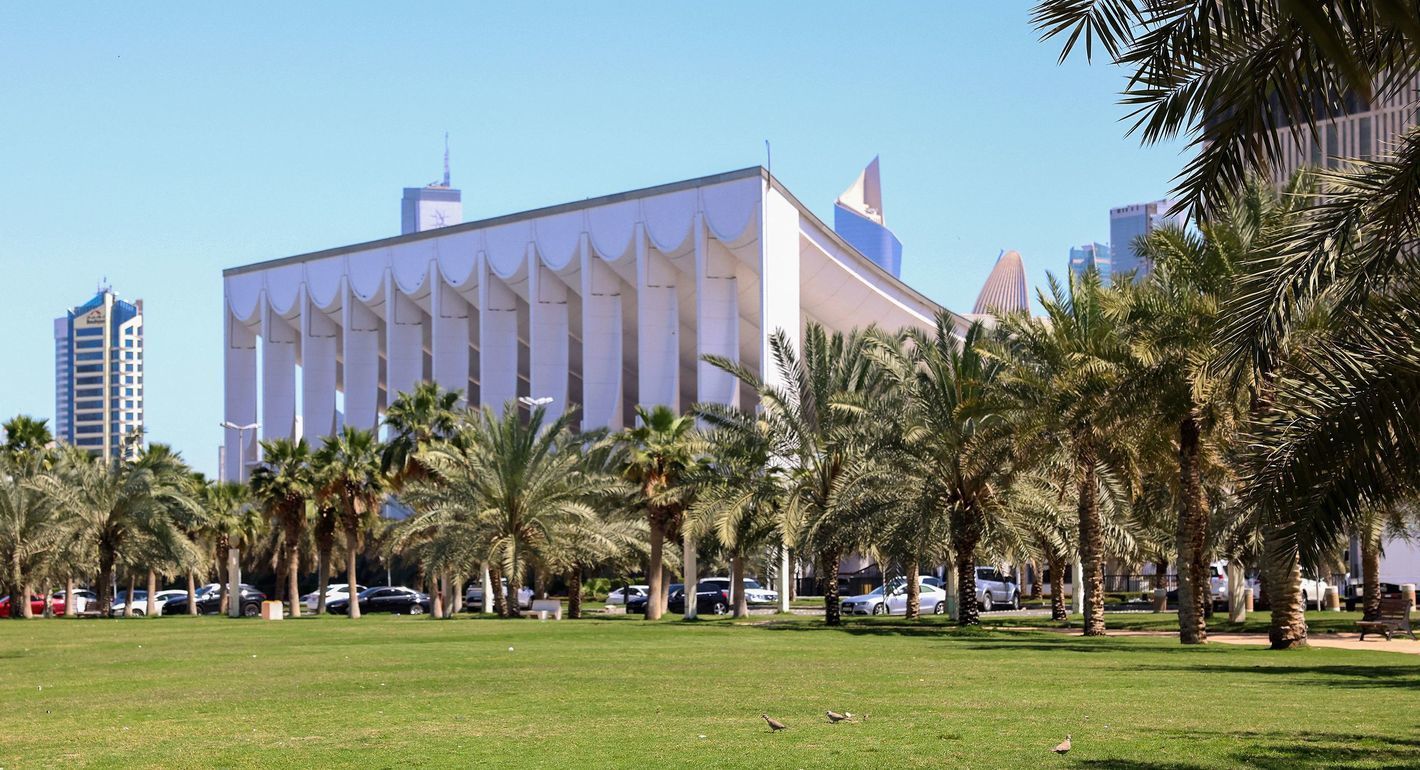
Kuwait’s government has repeatedly launched ambitious reforms under Kuwait Vision 2035, yet bureaucratic inefficiency, siloed institutions, and weak feedback mechanisms continue to stall progress. Adopting government analytics—real-time monitoring and evidence-based decision-making—can transform reform from repetitive announcements into measurable outcomes.
Dalal A. Marafie
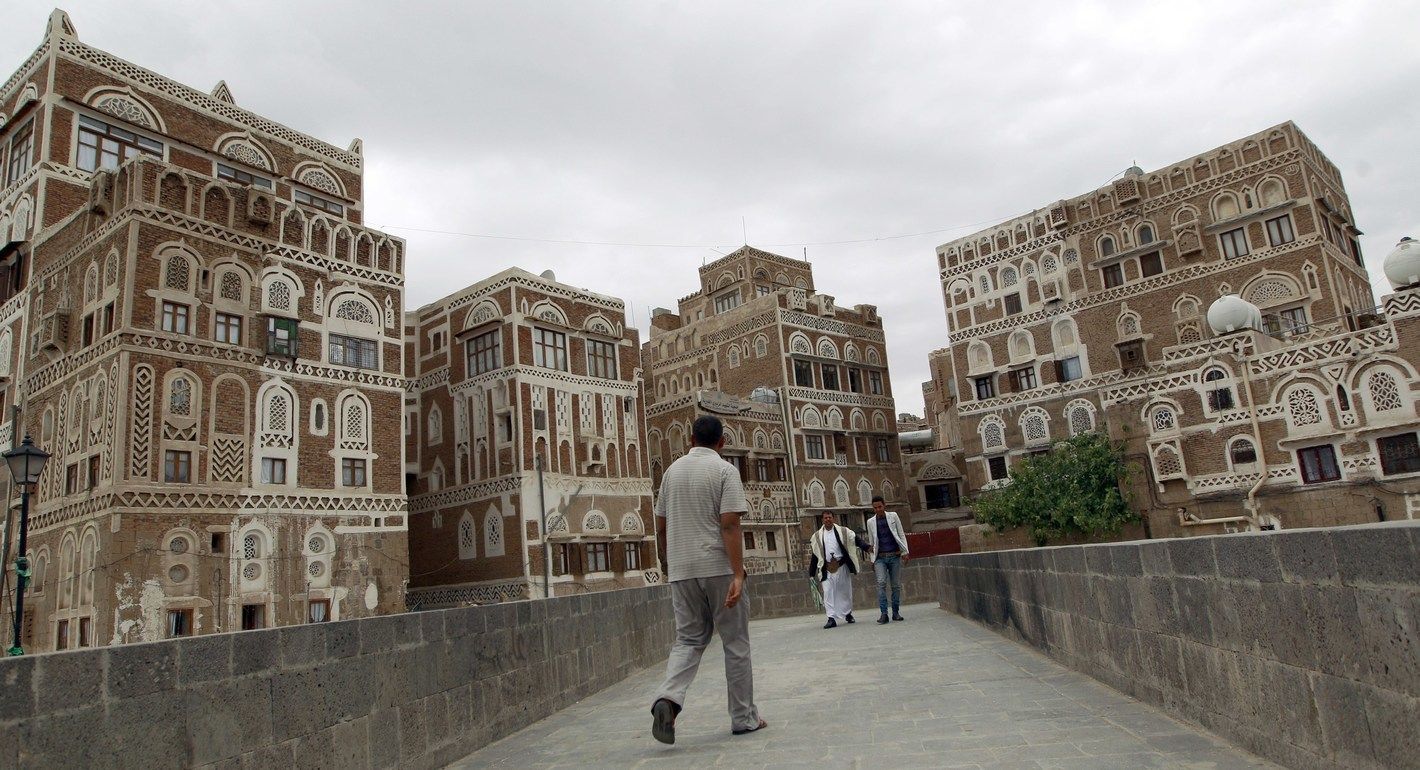
The chaos of street naming in Sana’a reflects the deep weakness of the Yemeni state and its failure to establish a unified urban identity, leaving residents to rely on informal, oral naming systems rooted in collective memory. This urban disorder is not merely a logistical problem but a symbolic struggle between state authority and local community identity.
Sarah Al-Kbat