

Commentary
From anime heroes to online gaming communities, Morocco’s Gen Z is building a new protest culture. What does this digital imagination reveal about youth politics, and how should institutions respond?
Abdelilah Farah
{
  "authors": [
    "Aboubakr Jamai"
  ],
  "type": "commentary",
  "blog": "Sada",
  "centerAffiliationAll": "",
  "centers": [
    "Carnegie Endowment for International Peace"
  ],
  "collections": [],
  "englishNewsletterAll": "",
  "nonEnglishNewsletterAll": "",
  "primaryCenter": "Carnegie Endowment for International Peace",
  "programAffiliation": "",
  "programs": [],
  "projects": [],
  "regions": [
    "North Africa",
    "Morocco"
  ],
  "topics": [
    "Civil Society"
  ]
}

REQUIRED IMAGE
Morocco's King Muhammad VI, who ascended the throne in 1999 following the death of his father, King Hassan II, is moving ahead with reforms in some areas such as women's rights. But he maintains an ambivalent, sometimes hostile attitude toward the country's new independent press.
Morocco's King Muhammad VI, who ascended the throne in 1999 following the death of his father, King Hassan II, is moving ahead with reforms in some areas such as women's rights. But he maintains an ambivalent, sometimes hostile attitude toward the country's new independent press.
This press, which consists of several weekly newspapers published in Arabic and French, emerged in the second half of the 1990s. Their collective circulation exceeds 100,000, a sizeable figure by Moroccan standards. Sovereign from political parties, the government, and the Palace, they have broken many taboos in the past five years by investigating human rights abuses committed by the security apparatus, the corruption of government officials, and the fortune of the King. For this, they have found themselves in frequent confrontation with the government.
During Muhammad VI's first year on the throne, some independent journals were banned and their journalists harassed. Press repression has worsened in the wake of the government's "fight against terrorism," launched after the May 16, 2003 terrorist bombings in Casablanca. Two journalists were the first victims of the anti-terrorist law passed soon after the attacks. They were jailed after publishing a letter from a man claiming responsibility for the bombings and an interview with a member of an illegal Islamist group. Only after intense national and international campaigns did the government release them.
Some analysts attribute such clampdowns to a necessary phase of adjustment for the new King as well as to the audacity of the independent press, which in their view justifies government control. Such an analysis is misleading. It implies that political and media liberalization began under the reign of Muhammad VI. In fact, it was during the last years of Hassan II’s reign that a gradual yet steady opening of the media sector occurred. The press criticized government policies more openly, and published, without incurring the wrath of the Palace, path-breaking stories about the three first decades of Hassan II’s reign, a time known for widespread human right violations.
This analysis is also denied by the facts. If the repression of independent media at the beginning of Muhammad VI's reign reflected his inexperience instead of an anti-liberal vision, then how can ongoing repressive measures be explained more than five years into his reign? To answer this question, it is important to understand the editorial line of publications that have been the target of harassment. The independent papers have been unrelenting in their defense of democratic ideals. They have argued for constitutional reforms to reduce the powers of the monarchy and enhance those of the elected parliament. They have investigated cases of torture perpetrated by the secret police of the new regime. They have published exposés revealing the monarchy’s harmful involvement in the Moroccan business world.
These publications were the recipients of executive orders banning them, and later, of judicial harassment. Such repressive tactics were staunchly denounced, notably by international human rights groups. The criticism tarnished the monarchy’s image abroad, and subsequently, the authorities tried to use less conspicuous methods. Aware that the economic survival of the independent weeklies hinges on advertising revenues, they exerted pressure on companies to stop doing business with them. As most advertising companies are state-owned or controlled by the King, this tactic was relatively easy to carry out. As a result, the independent press is struggling to survive.
In the legal sector, the regime's attitude was manifested in its 2001 reform of the press code. Although the new code was free of some repressive elements of earlier texts, its spirit was the same. It preserved penalties of up to five years imprisonment for those who defame the royal family. It affirmed the government’s right to ban Moroccan or foreign journals if the publications "undermine Islam, the monarchy, territorial integrity, or public order." Morocco's subservient judiciary has shown little hesitation to interpret this broad-brush legal wording in the most repressive manner.
Such an attitude is particularly short-sighted because the independent press offers a public space in which members of society can peacefully debate one another on controversial issues—a space generally lacking in Morocco. A case in point is the debate surrounding the reform of the personal status code, or Mudawwana, to expand women's rights. In June 2002, the independent weekly Le Journal Hebdomadaire convened and published the proceedings of a debate between Nadia Yassine, a representative of al-Adl wal-Ihsan, one of Morocco's most popular Islamist movements, and Said Saadi, a former minister who had first proposed the reforms. At the time, the topic was still highly sensitive and politically charged. The civilized debate allowed both points of view to be expressed in a peaceful setting, and signaled the possibility of adopting changes without great social cleavage. Yassine announced that her movement was not opposed to the proposed reforms, thus weakening the position of radical Islamists who staunchly opposed the reforms and giving the upper hand to the liberals and secularists who strongly supported them. With Islamists further weakened by the implication of radical Islamists in the 2003 bombings, the code was amended with relatively little controversy in 2004. The independent press had helped to dampen down a subject that had been extremely flammable.
Aboubakr Jamaï is the founding editor of Le Journal Hebdomadaire and Assahifa, two independent weeklies in Morocco. He is a 2004 Yale World Fellow at Yale University. This article was translated from the French by Julia Choucair.
Aboubakr Jamai
Carnegie does not take institutional positions on public policy issues; the views represented herein are those of the author(s) and do not necessarily reflect the views of Carnegie, its staff, or its trustees.
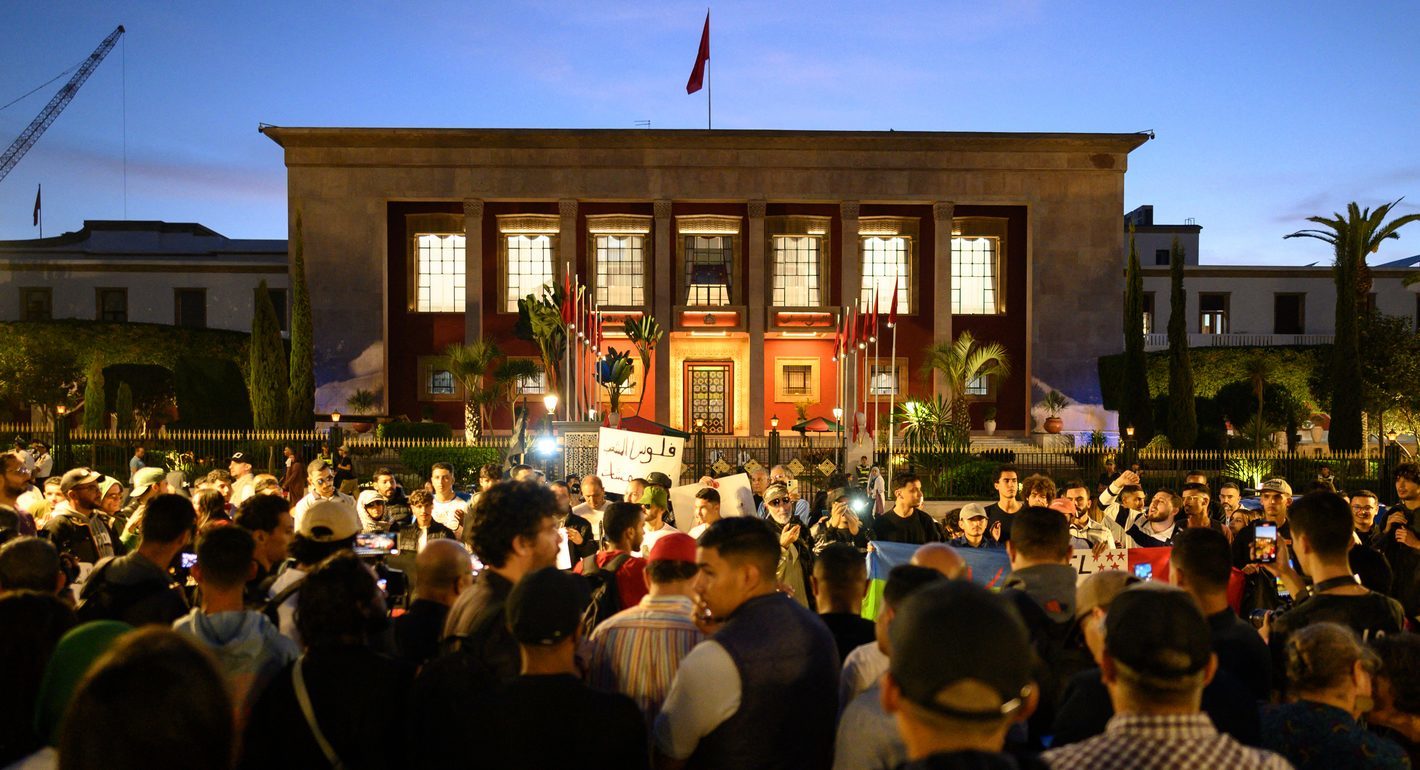
From anime heroes to online gaming communities, Morocco’s Gen Z is building a new protest culture. What does this digital imagination reveal about youth politics, and how should institutions respond?
Abdelilah Farah
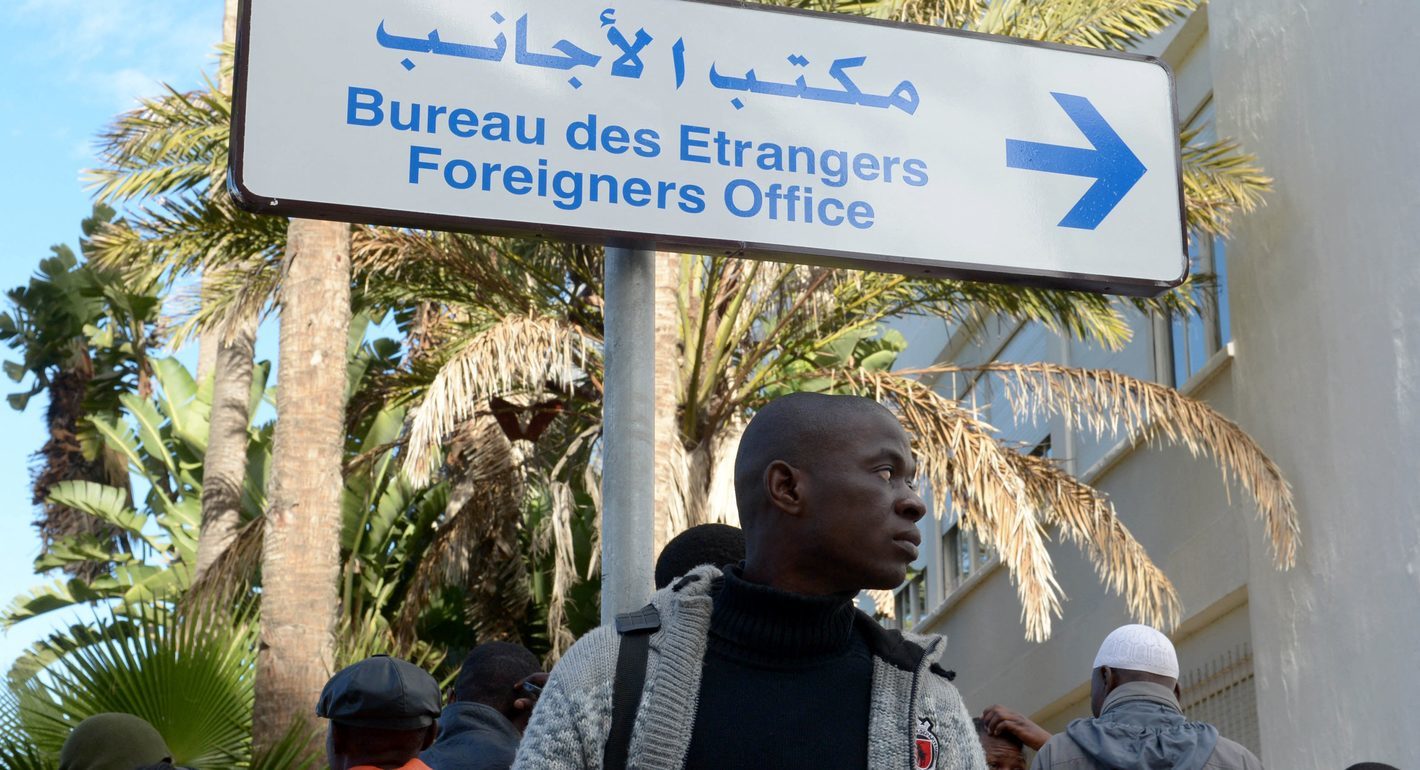
Is Morocco’s migration policy protecting Sub-Saharan African migrants or managing them for political and security ends? This article unpacks the gaps, the risks, and the paths toward real rights-based integration.
Soufiane Elgoumri
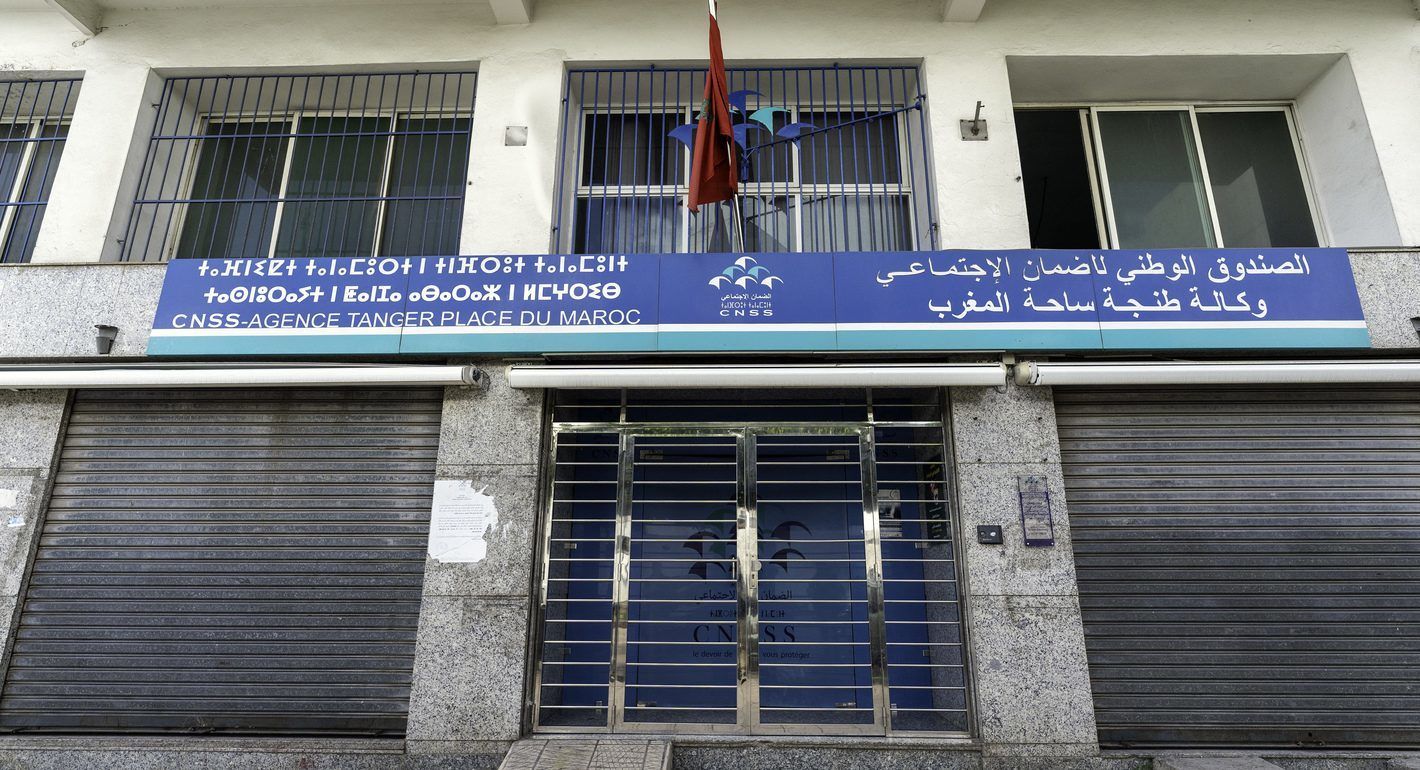
While Morocco’s shift to a digitized social targeting system improves efficiency and coordination in social programs, it also poses risks of exclusion and reinforces austerity policies. The new system uses algorithms based on socioeconomic data to determine eligibility for benefits like cash transfers and health insurance. However, due to technical flaws, digital inequality, and rigid criteria, many vulnerable families are unfairly excluded.
Abderrafie Zaanoun
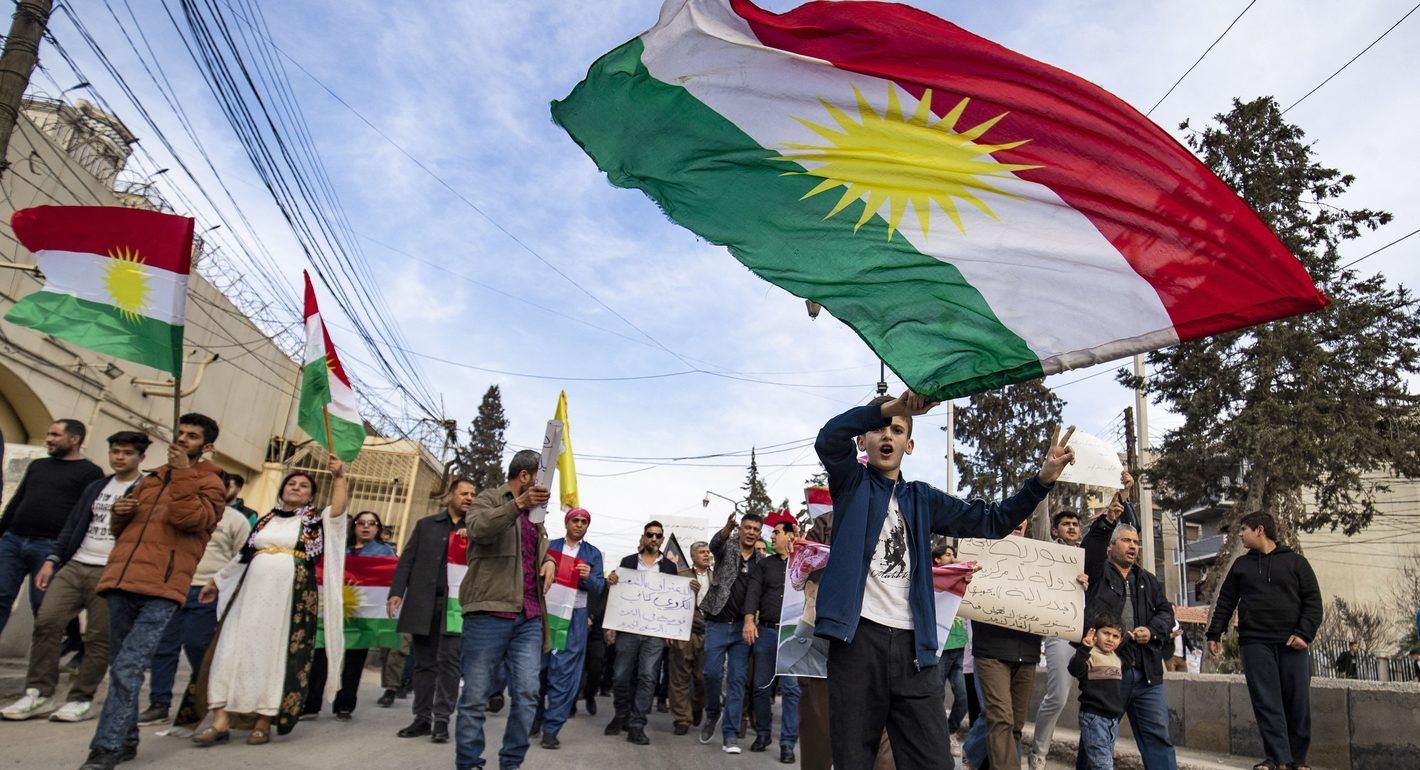
Saudi Arabia’s cautious stance on the Syrian Kurds reflects a delicate balance between leveraging Kurdish autonomy to counter Iran’s influence and managing the risks of destabilizing Syria’s territorial integrity. While Saudi Arabia seeks to safeguard its interests in the region, it remains wary of the potential internal and external consequences of supporting Kurdish autonomy.
Mohammad Salami
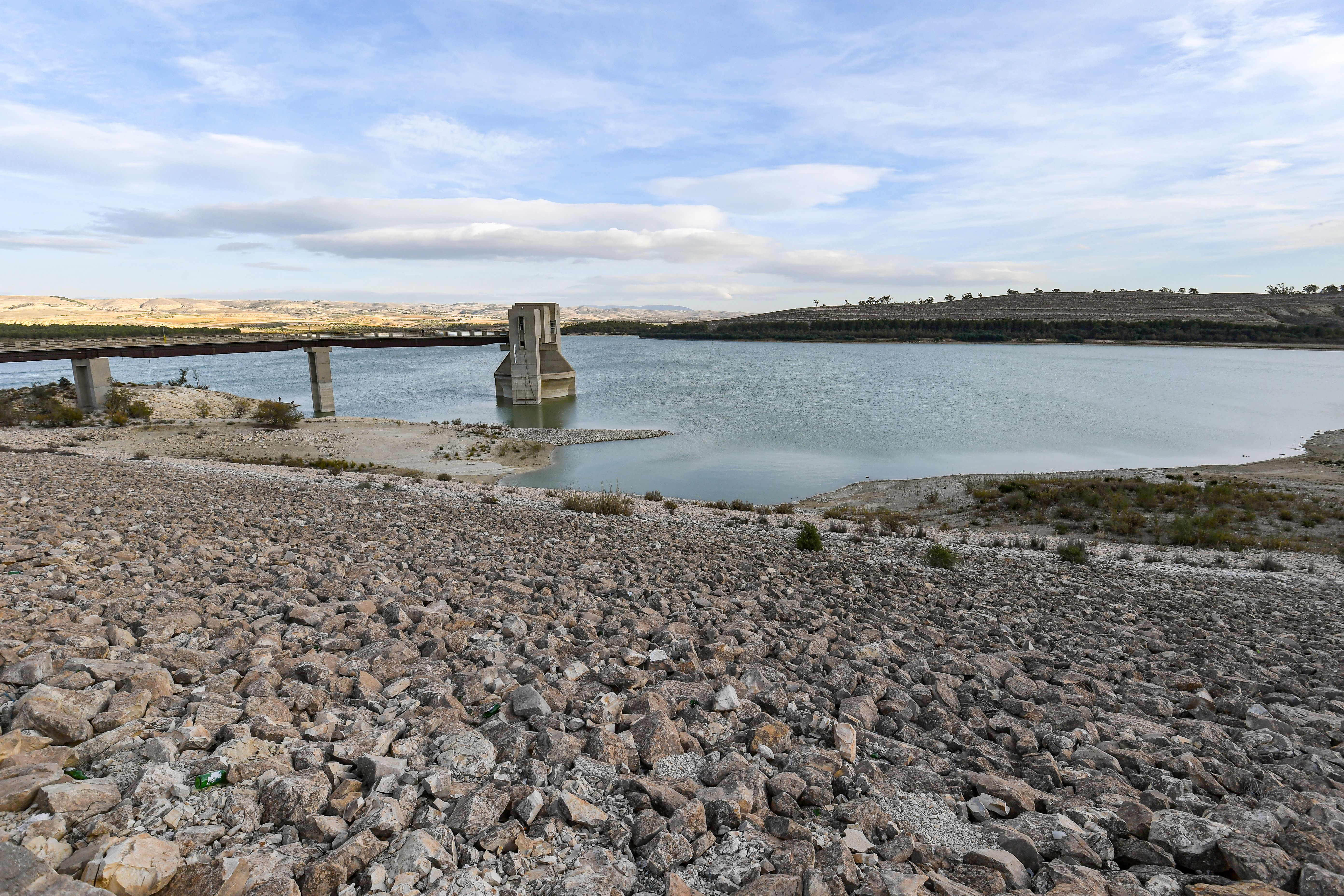
Tunisia is facing a worsening water crisis characterized by widespread protests over access to potable water, particularly in rural areas with underdeveloped supply networks. This situation is exacerbated by climate change, outdated agricultural policies, and industrial water consumption, necessitating comprehensive policy reforms to secure Tunisians’ constitutional right to water and ensure equitable access across the country.
Noura Omar