

Commentary
Nathan J. Brown
{
  "authors": [
    "Nathan J. Brown"
  ],
  "type": "commentary",
  "blog": "Sada",
  "centerAffiliationAll": "",
  "centers": [
    "Carnegie Endowment for International Peace"
  ],
  "collections": [],
  "englishNewsletterAll": "",
  "nonEnglishNewsletterAll": "",
  "primaryCenter": "Carnegie Endowment for International Peace",
  "programAffiliation": "",
  "programs": [],
  "projects": [],
  "regions": [
    "Kuwait"
  ],
  "topics": [
    "Political Reform"
  ]
}

REQUIRED IMAGE
Kuwaitis describe the country’s current parliament with an apparent contradiction: “The opposition is the majority.” In any parliamentary system this would be impossible; a government cannot serve without majority support. Even in presidential or mixed systems, the parliamentary majority enjoys a share of power through cohabitation or divided government.
Kuwaitis describe the country’s current parliament with an apparent contradiction: “The opposition is the majority.” In any parliamentary system this would be impossible; a government cannot serve without majority support. Even in presidential or mixed systems, the parliamentary majority enjoys a share of power through cohabitation or divided government. But while Kuwait displays more democratic features than most of its neighbors, the political system has always fallen short of allowing majority rule in the parliament to determine political authority.
This may be changing. The opposition majority in the current parliament has clear ambitions to move Kuwait in a democratizing direction. In the past, Kuwait’s liberal, secular, leftist, and Islamist movements have regarded each other as rivals more than allies. The government and the ruling family have almost always been able to break up any opposition coalition by playing groups against each other, co-opting deputies, and using the fact that appointed ministers vote on many issues in parliament. On a few occasions the opposition has forced ministers to resign, aided by the constitutional provision that cabinet members cannot participate in votes of confidence. Yet earlier this year, the various opposition factions managed to put together a coalition supporting electoral reform to consolidate Kuwait’s tiny 25 electoral districts into five. Reformers felt this would diminish vote buying and force candidates to run on political platforms rather than family and neighborhood connections. When the government appeared to be sabotaging the effort, some parliamentarians took the unprecedented and audacious step of moving to interpellate the prime minister (a leading member of the ruling family)—a prelude to a vote declaring that the parliament could not cooperate with the cabinet, necessitating either a new cabinet or new elections. Rather than subject his nephew to this indignity, Emir Sabah Al Ahmed Sabah preempted any parliamentary move by calling for new elections. But these brought an unpleasant surprise to the ruling family; even though held under the old 25-district system, the elections produced a solid opposition majority. Now, even if the government brings in all of its ministers to vote, it can be defeated by a united opposition.
The problem for the opposition has been to maintain unity. It has certainly tried, first mustering the votes to pass the electoral reform and then moving to develop a more comprehensive program. Different groupings in the parliament coalesced with some agreeing to vote on major issues as blocs. And the three leading blocs—liberal, populist, and Islamic—drew up a list of twelve laws that they agreed to pass. They are also working toward joint action against certain ministers and government officials identified with corruption or with government intervention in the recent parliamentary elections.
As Kuwaiti politics change, actors in the heretofore self-absorbed system are looking outwards for models. Members of the opposition, even Islamists, speak quietly but definitely about moving toward a constitutional monarchy on a European model. All blocs are trying to anticipate how the new electoral law will work, but most anticipate that Kuwait is moving toward a pluralist political party system of a kind rarely seen in the region.
The ruling family, by contrast, shows signs of casting envious eyes elsewhere in the Arabian Peninsula, where rulers face less obstreperous (and sometimes unelected) assemblies. This has raised fears of what Kuwaitis refer to as an “unconstitutional dissolution” of parliament, a step that the previous emir took on two occasions (from 1976 to 1981 and 1986 to 1992). The ruling family has alternately encouraged and discouraged such speculation, although it is unclear whether it is seriously considering such a step or merely trying to frighten the opposition.
There are ways to avoid a full-scale confrontation between the ruling family and the parliament. A cabinet reshuffle bringing in some reformers might be one conciliatory step. And a confrontation might also be staved off if opposition unity begins to fray, which has already happened on some votes. Suspicions between the Islamists and the other two leading blocs are still extremely strong. Islamists see populists and liberals as lacking in popular support and uncommitted to democracy in cases where it enhances Islamist influences. And liberals and populists believe Islamists view democracy as a means and not an end; they also suspect that Islamists would sell out their allies, especially if given an opportunity to impose their deeply conservative social agenda.
Yet even if a conflict is avoided for the present, the current rivalry between the ruling family and the parliament could easily return after the next round of parliamentary elections (scheduled for 2010), which will be held under the new five-district system. In spring and summer 2006, the campaign for electoral reform and then the election itself brought large-scale rallies and demonstrations, more ideological debates, and some pugnacious opposition language, giving Kuwaitis a sense of what a democratic future could look like.
Nathan J. Brown is a senior associate at the Carnegie Endowment for International Peace and professor of political science and international affairs at George Washington University.

Nonresident Senior Fellow, Middle East Program
Nathan J. Brown, a professor of political science and international affairs at George Washington University, is a distinguished scholar and author of nine books on Arab politics and governance, as well as editor of five books.
Recent Work
Nathan J. Brown
Nathan J. Brown
Carnegie does not take institutional positions on public policy issues; the views represented herein are those of the author(s) and do not necessarily reflect the views of Carnegie, its staff, or its trustees.
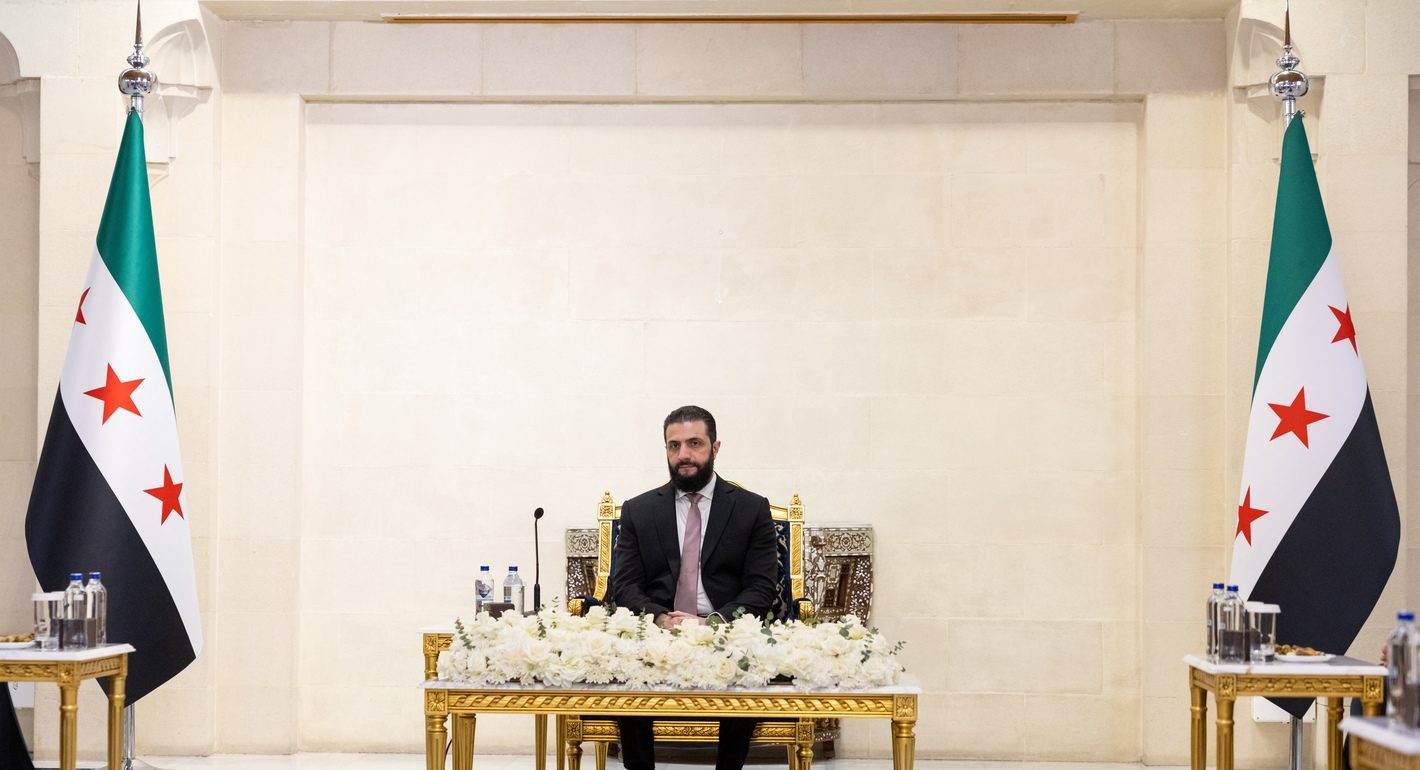
Syria's transition promised a fresh start. But are old habits of power making a comeback? This analysis looks at the warning signs and what it will take to build a more accountable state.
Sima Beitinjaneh
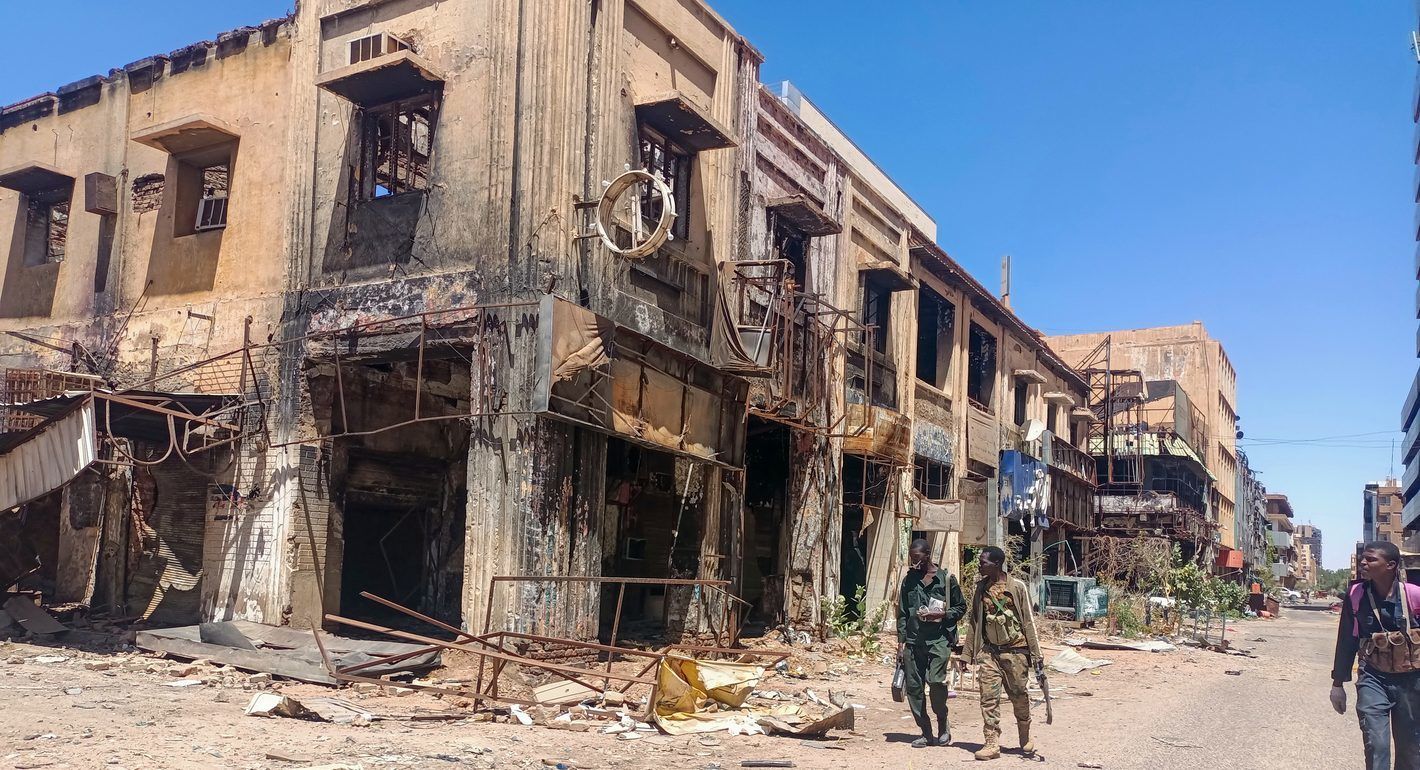
Hate speech has spread across Sudan and become a key factor in worsening the war between the army and the Rapid Support Forces. The article provides expert analysis and historical background to show how hateful rhetoric has fueled violence, justified atrocities, and weakened national unity, while also suggesting ways to counter it through justice, education, and promoting a culture of peace.
Samar Sulaiman

Kuwait’s government has repeatedly launched ambitious reforms under Kuwait Vision 2035, yet bureaucratic inefficiency, siloed institutions, and weak feedback mechanisms continue to stall progress. Adopting government analytics—real-time monitoring and evidence-based decision-making—can transform reform from repetitive announcements into measurable outcomes.
Dalal A. Marafie
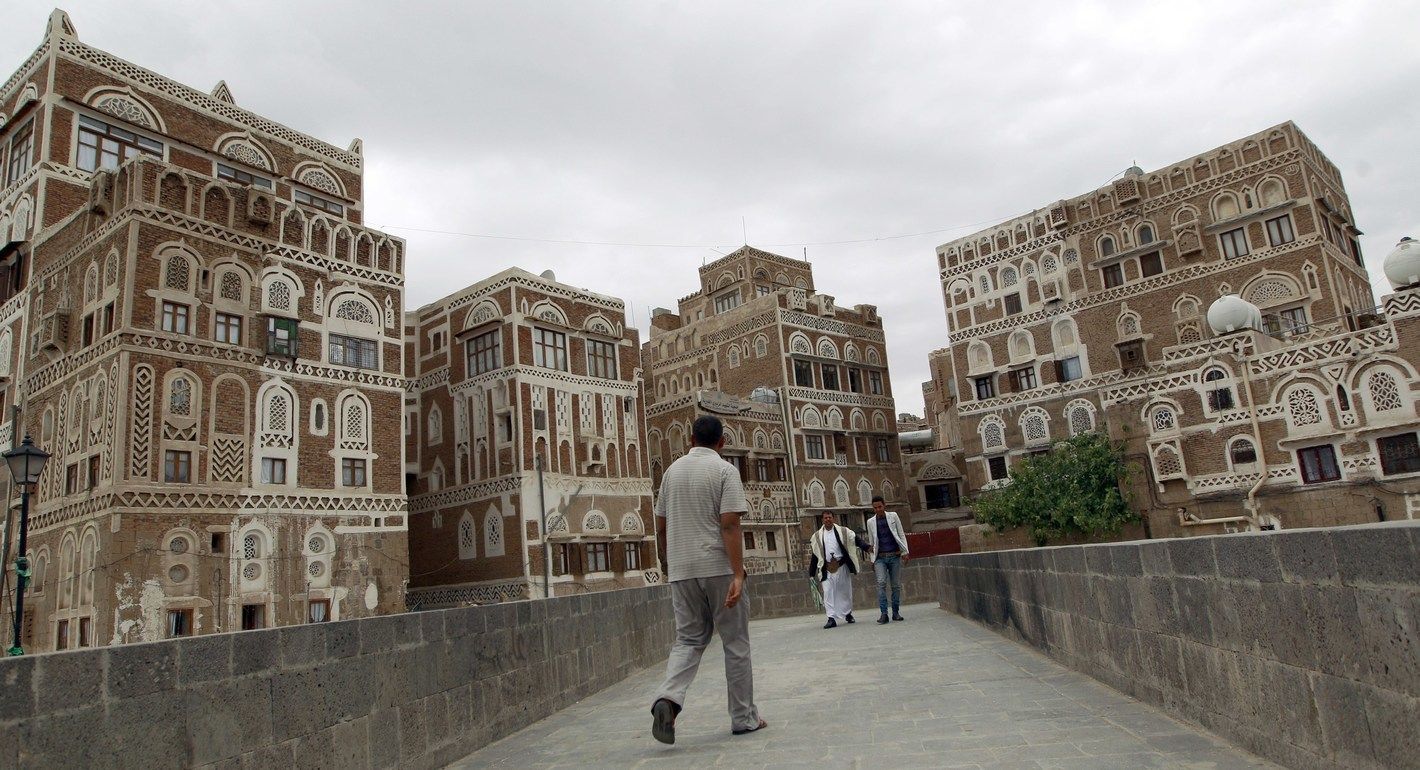
The chaos of street naming in Sana’a reflects the deep weakness of the Yemeni state and its failure to establish a unified urban identity, leaving residents to rely on informal, oral naming systems rooted in collective memory. This urban disorder is not merely a logistical problem but a symbolic struggle between state authority and local community identity.
Sarah Al-Kbat
While Morocco’s shift to a digitized social targeting system improves efficiency and coordination in social programs, it also poses risks of exclusion and reinforces austerity policies. The new system uses algorithms based on socioeconomic data to determine eligibility for benefits like cash transfers and health insurance. However, due to technical flaws, digital inequality, and rigid criteria, many vulnerable families are unfairly excluded.
Abderrafie Zaanoun