

Commentary
Syria's transition promised a fresh start. But are old habits of power making a comeback? This analysis looks at the warning signs and what it will take to build a more accountable state.
Sima Beitinjaneh
{
  "authors": [
    "John P. Entelis"
  ],
  "type": "commentary",
  "blog": "Sada",
  "centerAffiliationAll": "",
  "centers": [
    "Carnegie Endowment for International Peace"
  ],
  "collections": [],
  "englishNewsletterAll": "",
  "nonEnglishNewsletterAll": "",
  "primaryCenter": "Carnegie Endowment for International Peace",
  "programAffiliation": "",
  "programs": [],
  "projects": [],
  "regions": [
    "North Africa",
    "Tunisia"
  ],
  "topics": [
    "Political Reform"
  ]
}

REQUIRED IMAGE
To the surprise of no one, on October 24 Tunisians turned out in record numbers—91.5 percent of the country's 4.6 million eligible voters—to re-elect President Zine Al Abidine Ben Ali to a fourth consecutive five-year term. Voters also gave his ruling party, the Constitutional Democratic Rally (RCD-Rassemblement Constitutionnel Démocratique), an overwhelming victory in parliamentary elections.
To the surprise of no one, on October 24 Tunisians turned out in record numbers—91.5 percent of the country's 4.6 million eligible voters—to re-elect President Zine Al Abidine Ben Ali to a fourth consecutive five-year term. Voters also gave his ruling party, the Constitutional Democratic Rally (RCD-Rassemblement Constitutionnel Démocratique), an overwhelming victory in parliamentary elections held on the same day.
The election results were essentially predetermined when Ben Ali pushed through a constitutional amendment, approved in a landslide referendum in May 2002, that eliminated the three-term limit for presidents. Intentionally or not, Ben Ali seems to be following in the footsteps of his predecessor, Habib Bourguiba, whom he overthrew in a "constitutional coup" on November 7, 1987, partially in response to Bourguiba's self-designation as "president for life."
The early optimism that the post-Bourguiba era would see the arrival of political pluralism, if not democracy, has been all but extinguished in the last fifteen years as the president and his ruling party have dominated the political scene while eradicating all sources of opposition, secular and religious. To be sure, the regime has been enormously successful in pursuing progressive social policies pertaining to women's rights and in advancing economic development—nearly 70 percent of Tunisian households own their own homes and the country's gross national product (GNP) per capita tops $3,500. But this success has simply added to the discontinuity that defines the Tunisian paradox in which enhanced material well-being coexists alongside a robust political authoritarianism.
In part to offset a negative political profile among actual and potential foreign allies and investors, the regime has contrived a carefully crafted but thoroughly transparent pseudo-democracy predicated on controlled political pluralism and predetermined electoral outcomes. The October 2004 elections are the most recent manifestation of this political ploy.
Determined to solidify his "democratic" credentials among his own people and his supporters in Europe and the United States, Ben Ali permitted three non-threatening candidates to contest his re-election, as compared to two competitors in 1999 and none in 1989 and 1994. Of these challengers, only Muhammad Ali Halouani, head of the Ettajdid Party (ex-Communist) and representative of a bloc of independent politicians running under the "Democratic Initiative" label, publicly decried the results after obtaining just 0.95 percent of the vote. Muhammad Bouchiha, Secretary-General of the Popular Unity Party (PUP-Parti de l'Unité Populaire), who also happens to be related to Ben Ali's wife, received 3.78 percent while Mounir Béji of the Liberal Social Party (PSL-Parti Social Libéral) obtained 0.79 percent.
None of these government-approved candidates have a significant political following nor do any challenge the President's personality or policies. In the view of regime supporters, Ben Ali's "modest" 94.48 percent victory, down from his previous highs of 99.7 percent, 99.6 percent, and 99.4 percent in 1989, 1994, and 1999 respectively, highlights the "contested" nature of the presidential election.
The outcome of the parliamentary election paralleled that of the presidency. The Constitution mandates that four-fifths of the legislature's seats be reserved for the ruling party while the remaining 20 percent are contested by the country's seven officially-sanctioned opposition parties. Thus, of the total 189 seats in the unicameral Parliament, the RCD won 152, and the remaining thirty-seven seats were distributed among the Social Democratic Movement (MDS-Mouvement des Démocrates Socialistes), the PUP, the Unionist Democratic Union (UDU-Union Démocratique Unioniste), Ettajdid, and the PSL.
The ruling party is especially proud of its commitment to ensure that at least 25 percent of its candidates are women. RCD women won thirty-nine seats, compared to twenty in the previous Parliament. Overall, forty-three of the 189 newly elected deputies are women, one of the highest proportions in the world. Unfortunately for both male and female legislators, however, the chamber of deputies plays a marginal political role and its influence over national policy is negligible.
None of the opposition parties represented in Parliament challenge the regime's hegemony or the absolute power of the presidency. The "real" opposition is banned, imprisoned, or harassed. It includes the still popular Islamist party, Al Nahda, headed by Rachid Ghannouchi, who lives in self-imposed exile in London. Modernist and secular figures representing a broad spectrum of political tendencies from liberal democrats (Moncef Marzouki) to communists (Hamma Hammami) to progressive socialists (Nejib Chebbi) have all decried the blatantly manipulative character of the political process. Outspoken journalists, human rights activists, academics, lawyers and other public personalities have joined them in condemning the oppressive nature of political life where the media is tightly controlled, the Internet monitored, and freedom of political expression all but banned. Marzouki's description of Ben Ali's three-pronged policy accurately reflects the way this leader is perceived by these and other democratically inclined groups: "To remain indefinitely in power, to remain indefinitely in power, to remain indefinitely in power."
John P. Entelis is professor of Political Science and Director of the Middle East Studies Program at Fordham University, and editor of the Journal of North African Studies.
John P. Entelis
Carnegie does not take institutional positions on public policy issues; the views represented herein are those of the author(s) and do not necessarily reflect the views of Carnegie, its staff, or its trustees.
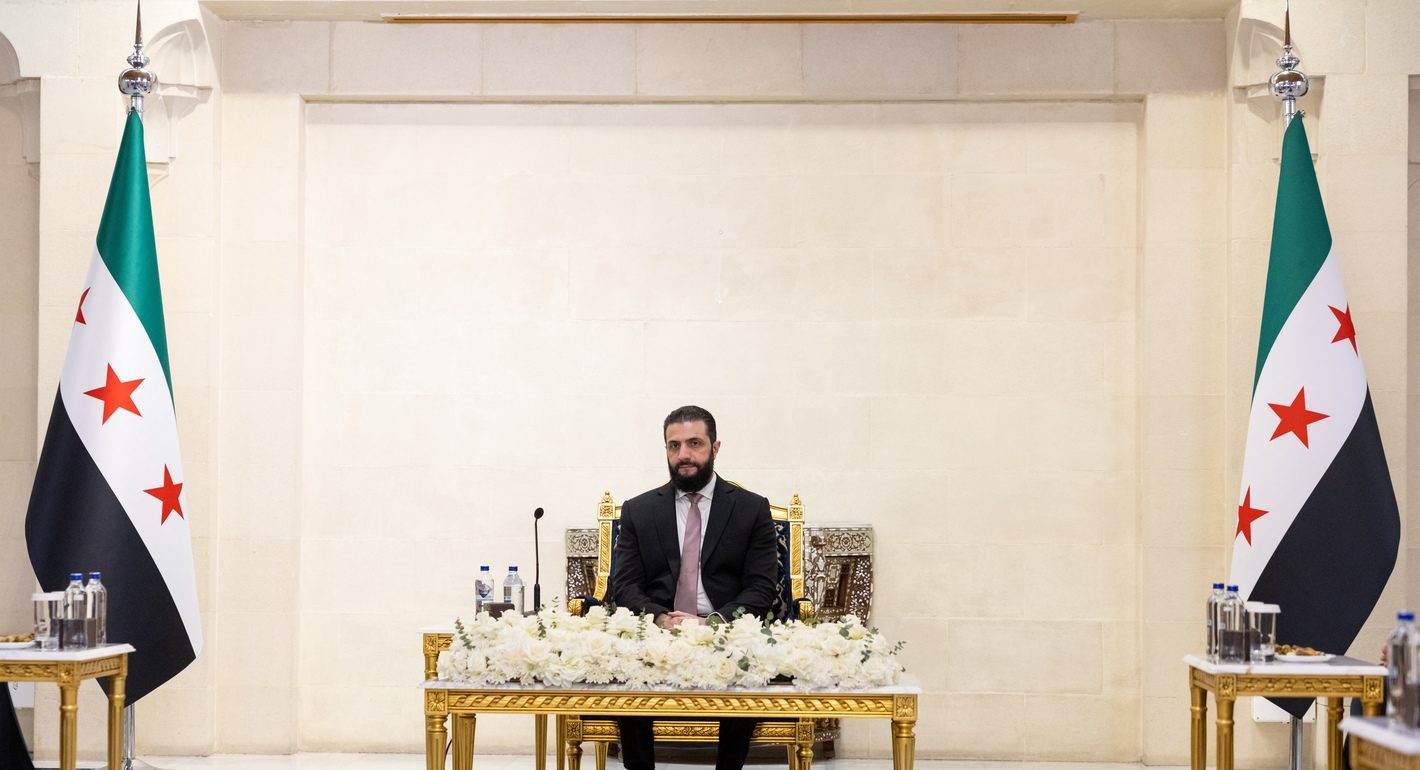
Syria's transition promised a fresh start. But are old habits of power making a comeback? This analysis looks at the warning signs and what it will take to build a more accountable state.
Sima Beitinjaneh
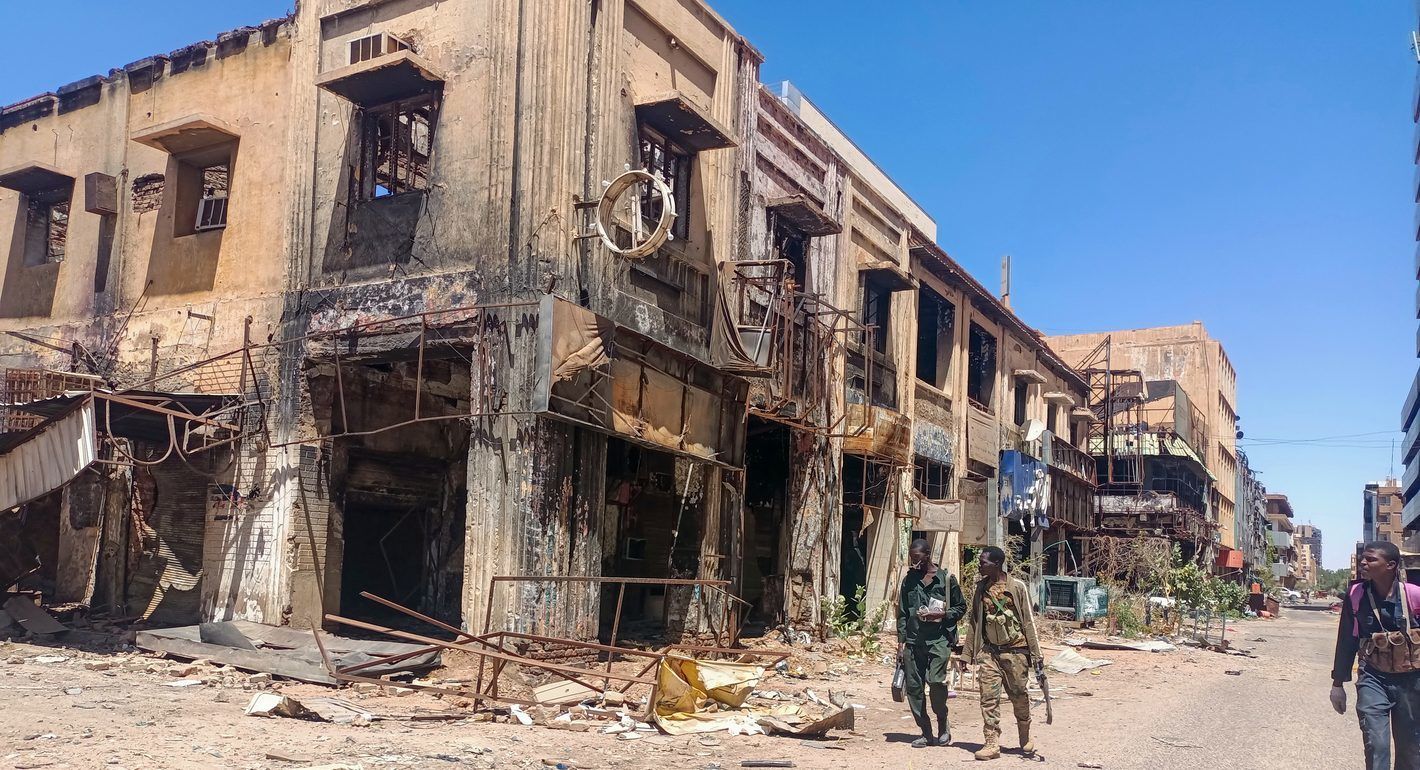
Hate speech has spread across Sudan and become a key factor in worsening the war between the army and the Rapid Support Forces. The article provides expert analysis and historical background to show how hateful rhetoric has fueled violence, justified atrocities, and weakened national unity, while also suggesting ways to counter it through justice, education, and promoting a culture of peace.
Samar Sulaiman
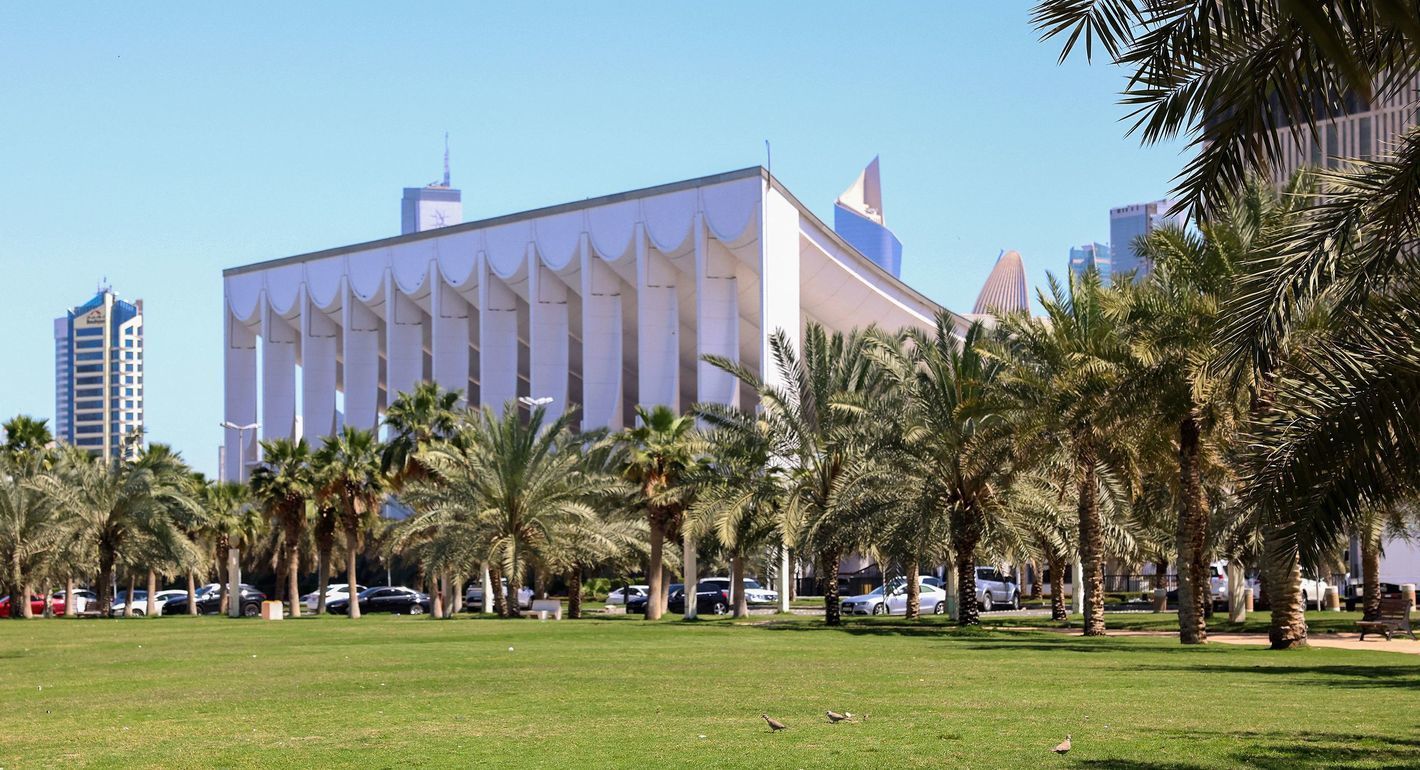
Kuwait’s government has repeatedly launched ambitious reforms under Kuwait Vision 2035, yet bureaucratic inefficiency, siloed institutions, and weak feedback mechanisms continue to stall progress. Adopting government analytics—real-time monitoring and evidence-based decision-making—can transform reform from repetitive announcements into measurable outcomes.
Dalal A. Marafie
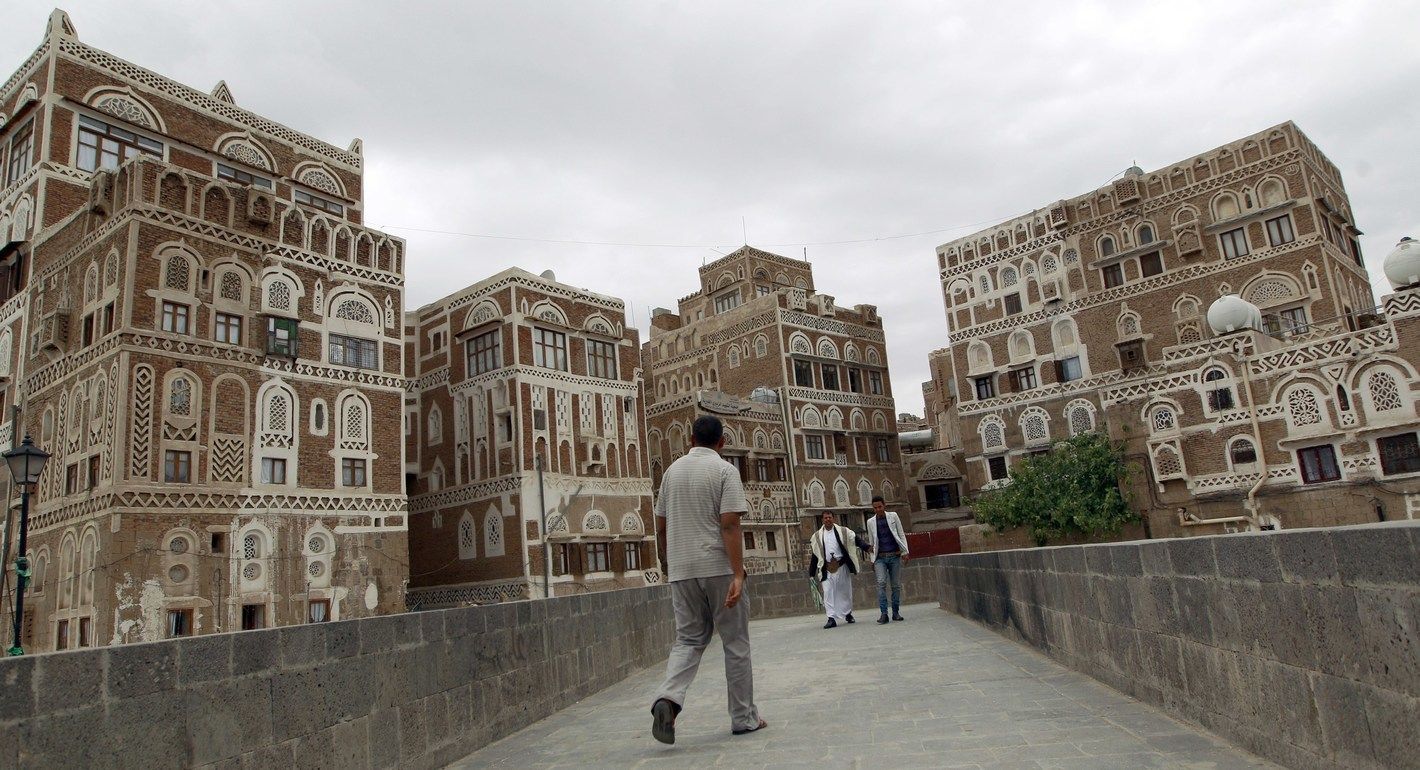
The chaos of street naming in Sana’a reflects the deep weakness of the Yemeni state and its failure to establish a unified urban identity, leaving residents to rely on informal, oral naming systems rooted in collective memory. This urban disorder is not merely a logistical problem but a symbolic struggle between state authority and local community identity.
Sarah Al-Kbat
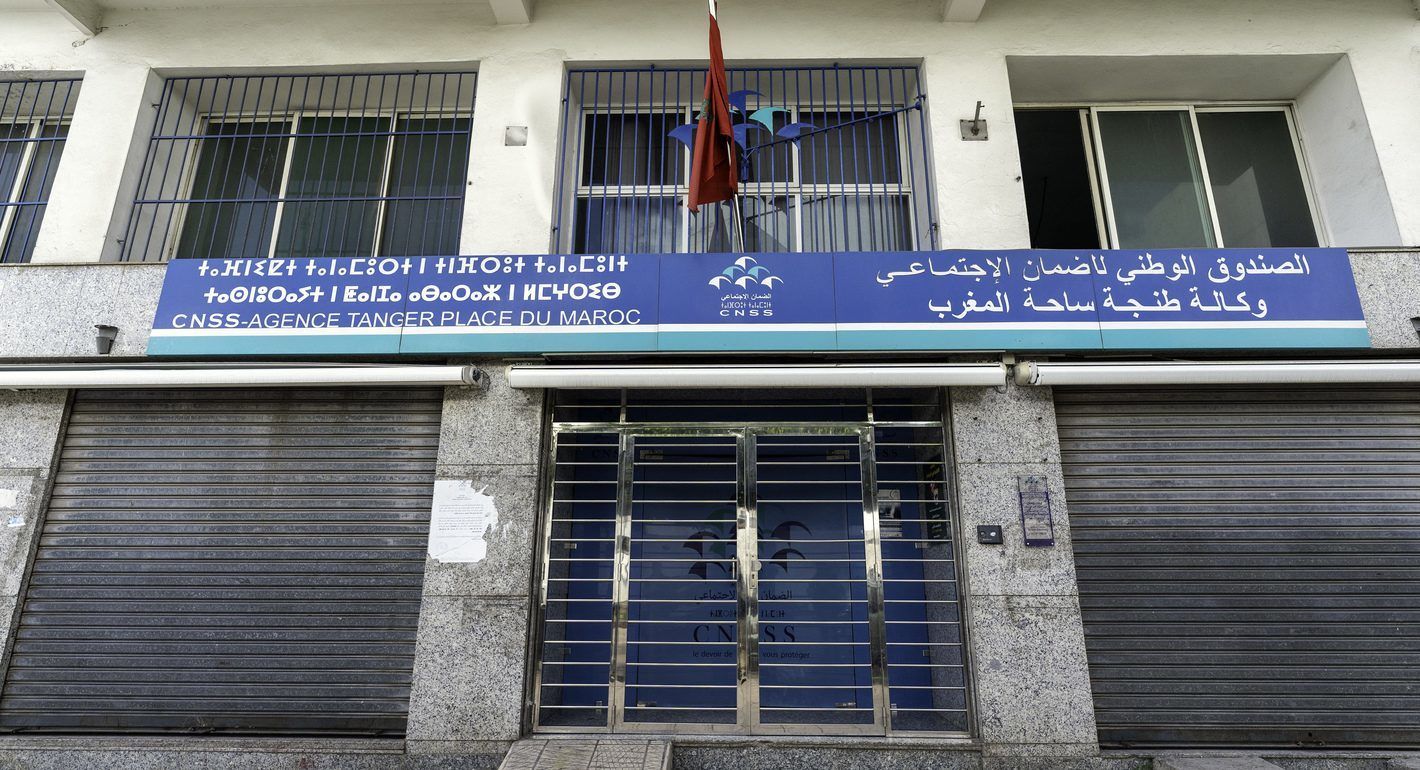
While Morocco’s shift to a digitized social targeting system improves efficiency and coordination in social programs, it also poses risks of exclusion and reinforces austerity policies. The new system uses algorithms based on socioeconomic data to determine eligibility for benefits like cash transfers and health insurance. However, due to technical flaws, digital inequality, and rigid criteria, many vulnerable families are unfairly excluded.
Abderrafie Zaanoun