

Commentary
Syria's transition promised a fresh start. But are old habits of power making a comeback? This analysis looks at the warning signs and what it will take to build a more accountable state.
Sima Beitinjaneh
{
  "authors": [
    "Gregory Johnsen"
  ],
  "type": "commentary",
  "blog": "Sada",
  "centerAffiliationAll": "",
  "centers": [
    "Carnegie Endowment for International Peace"
  ],
  "collections": [],
  "englishNewsletterAll": "",
  "nonEnglishNewsletterAll": "",
  "primaryCenter": "Carnegie Endowment for International Peace",
  "programAffiliation": "",
  "programs": [],
  "projects": [],
  "regions": [
    "Yemen"
  ],
  "topics": [
    "Political Reform"
  ]
}

REQUIRED IMAGE
President Ali Abdullah Saleh's bid for reelection is requiring more effort than anticipated for a man in his twenty-eighth year of power—but not because he faces real competition. He is unlikely to face a serious challenger in the September presidential election, as none of the eleven potential candidates seem capable of gaining the requisite approval vote from the two house of parliament.
President Ali Abdullah Saleh's bid for reelection is requiring more effort than anticipated for a man in his twenty-eighth year of power—but not because he faces real competition. He is unlikely to face a serious challenger in the September presidential election, as none of the eleven potential candidates seem capable of gaining the requisite approval vote from the two house of parliament. The parliamentary vote, which could come as early as June, requires that at least 5 percent of the 301-seat elected assembly and 5 percent of the 111-seat appointed consultative council support a candidate before his name may be placed on the ballot.
The constitution does require that at least two candidates participate in the election, but it is unlikely Saleh will face anything other than a token opponent. So far none of the potential challengers has been endorsed by a political party. During the last presidential elections in 1999, Saleh squared off against a member of his own General People's Congress (GPC) party, while the largest opposition party, Islah, nominated Saleh as its candidate. Not surprisingly, Saleh won in a landslide.
Still, this year's campaign has been more complicated than that of 1999 because Saleh has to win over more than just his domestic constituents. He also has to convince the United States that he is serious about reform if he wants to continue to receive the substantial financial support Yemen will need in the coming years.
Saleh's problems with the external audience became apparent when he visited Washington in November 2005, expecting to be honored as an important ally in the war on terror. Instead he was criticized for corruption in his government and the erosion of democracy. Yemen was suspended from one U.S. assistance program, while the World Bank cut its aid package by one third, from $420 to $280 million.
Then in early February 2006 his reputation in the United States deteriorated even further when 23 prisoners, including 13 Al Qaeda suspects, broke out of a prison in Sanaa. Yemen has been able to do little to dispel the general assumption that the prisoners had help on the inside. In an interview with the pan-Arab daily Al Hayat later that month, Saleh said contacts were underway with the escapees, and nine of them have since been re-captured. But suspicions about Saleh still linger in Washington.
Saleh attempted to burnish his credentials as a reformer and reverse some of the damage to his reputation by reshuffling his cabinet on February 11. While most of the new appointees were uncharismatic bureaucrats, he did name a handful of women and reformers to the cabinet in an attempt to demonstrate that things were changing in Yemen. Saleh named reformers to head up the Ministries of Finance and Information, Saif Al Asali and Hassan Ahmad Al Lawzi respectively. These are two of the most important ministries to foreign governments and institutions worried about corruption and lack of freedom in Yemen. Al Asali supports the same type of economic reforms that the International Monetary Fund and the World Bank have been pushing for in Yemen. Al Lawzi is a popular poet who was expected to reverse some of the recent infringements on press freedoms.
Saleh also doubled the number of women in his cabinet. He replaced his outgoing Minister of Human Rights, Amat Al Suswah, with another woman, Khadija Al Hayshami. Al Suswah, who was extremely popular with western governments, was tapped by Kofi Annan to head the Arab office of the UNDP. He also named Amat Al Raziq Hamad, the highest ranking woman in the GPC, as Minister of Social Affairs.
One of the other major changes intended for western consumption was the replacement of General Yahya Al Amri as the governor of Sadah, epicenter of the low-level Al Huthi insurgency since 2004. Al Amri played a major role in sparking the initial fighting. He was replaced by General Yahya Al Shami, who presided over the release of 627 Al Huthi followers from prison as a goodwill gesture in early March.
Three months later, however, it is clear that these appointments have had little real impact. Sporadic fighting between the government and Al Huthi's followers broke out again in April, threatening the fragile truce. Al Asali and Al Lawzi have been ineffective in orchestrating significant changes in the financial and information realms; major economic reforms seem as far away as ever, while the trial of one journalist and the harassment of others continue. Observers inside and outside Yemen see clearly that Saleh's recent moves were little more than cosmetic. Thus, while he will stroll to an election victory in September, Saleh still has far to go to convince the United States that he is serious about change in Yemen.
Gregory D. Johnsen, a former Fulbright Fellow in Yemen, is an entering Ph.D. candidate in History and Middle Eastern and Islamic studies at New York University.
Gregory Johnsen
Carnegie does not take institutional positions on public policy issues; the views represented herein are those of the author(s) and do not necessarily reflect the views of Carnegie, its staff, or its trustees.
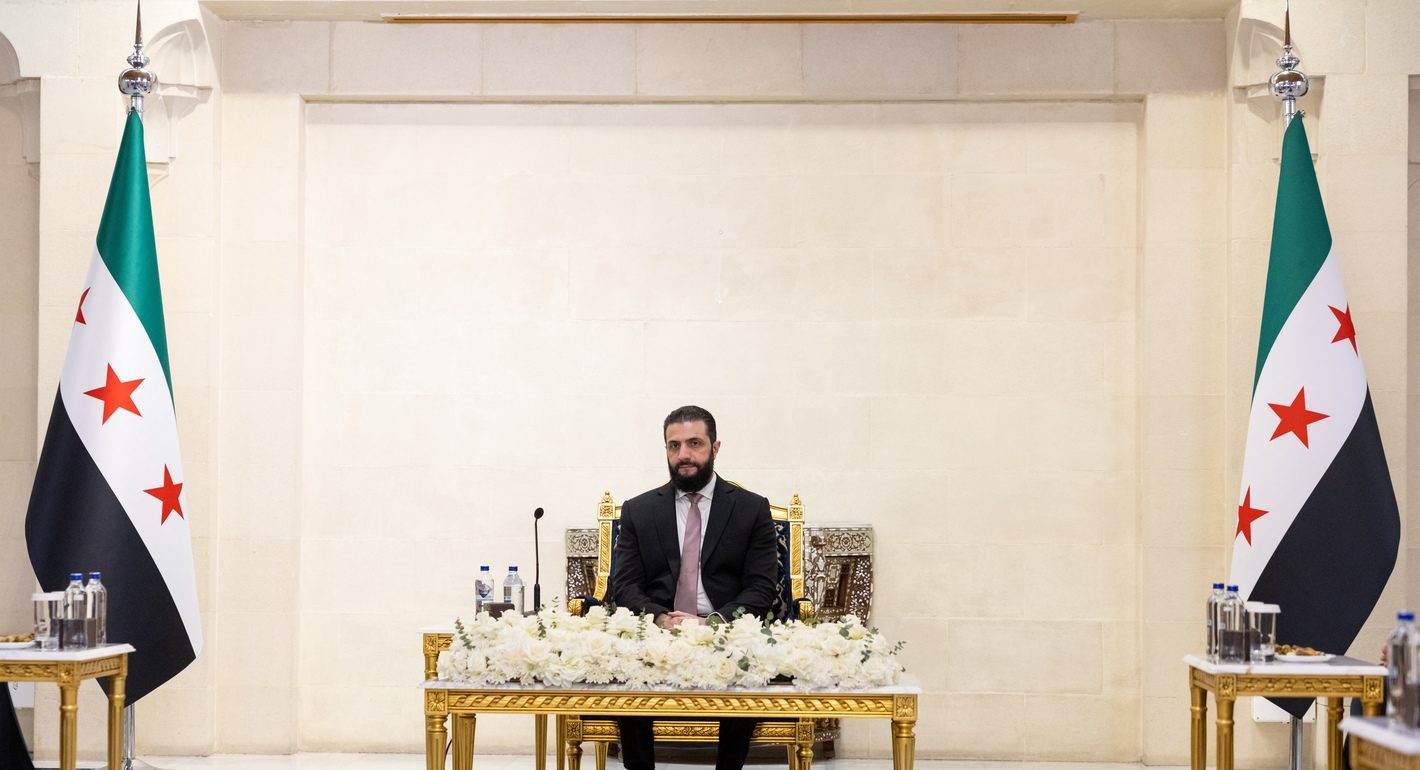
Syria's transition promised a fresh start. But are old habits of power making a comeback? This analysis looks at the warning signs and what it will take to build a more accountable state.
Sima Beitinjaneh
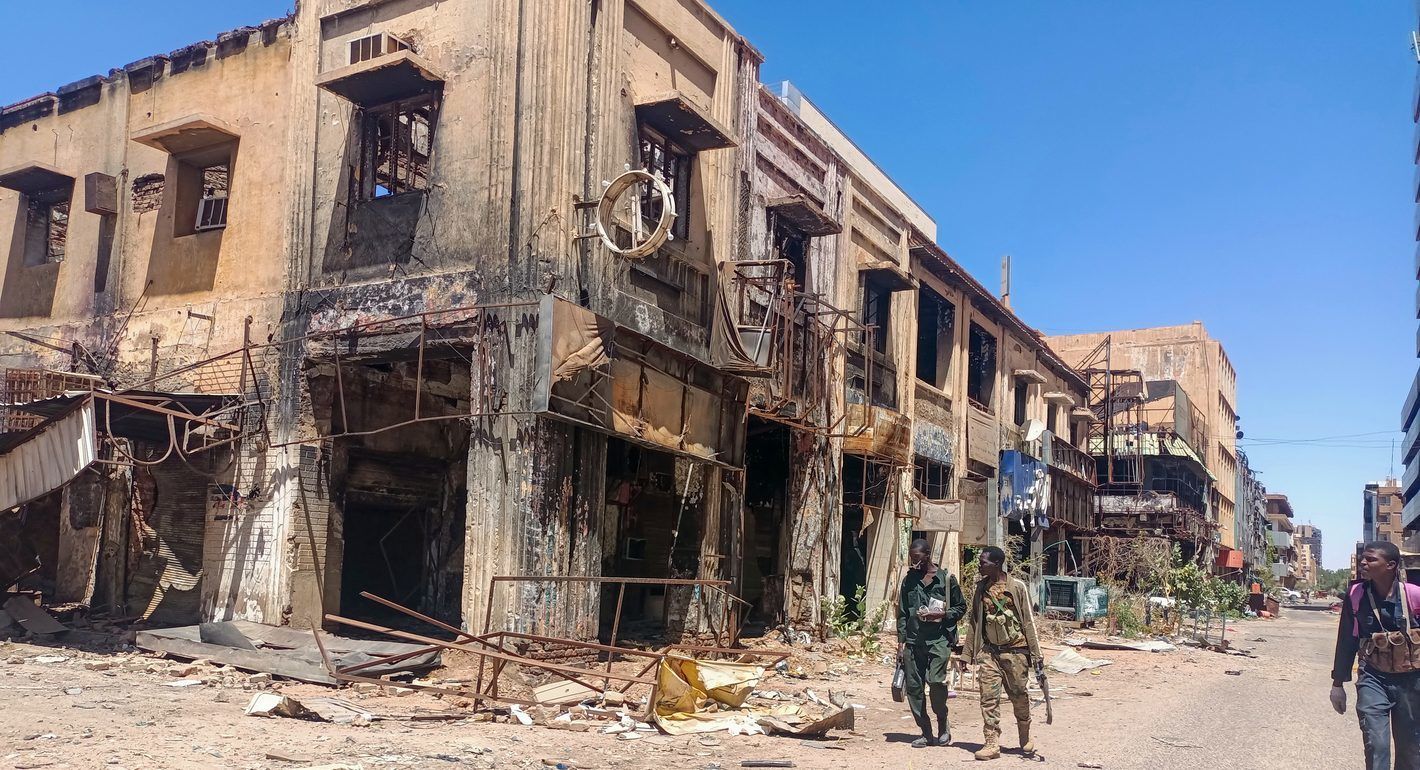
Hate speech has spread across Sudan and become a key factor in worsening the war between the army and the Rapid Support Forces. The article provides expert analysis and historical background to show how hateful rhetoric has fueled violence, justified atrocities, and weakened national unity, while also suggesting ways to counter it through justice, education, and promoting a culture of peace.
Samar Sulaiman
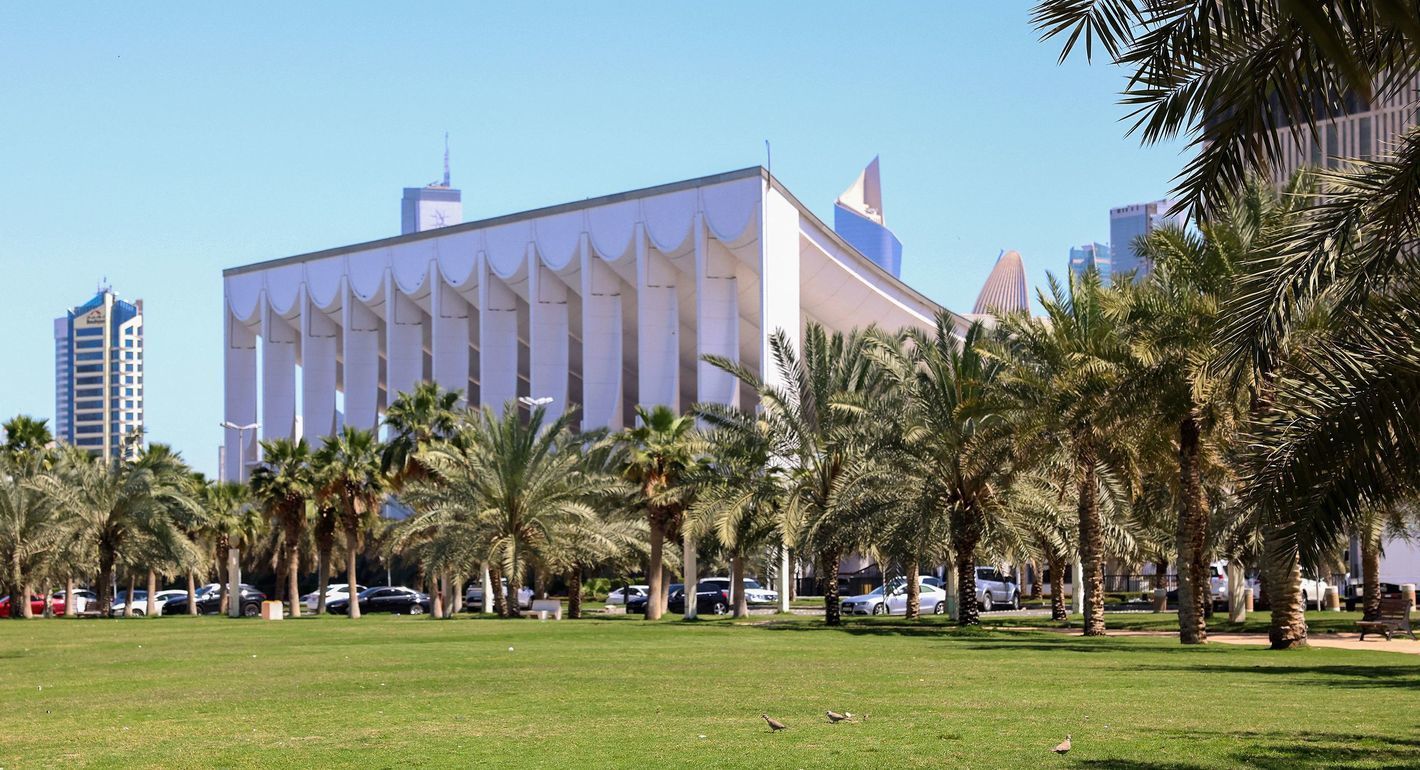
Kuwait’s government has repeatedly launched ambitious reforms under Kuwait Vision 2035, yet bureaucratic inefficiency, siloed institutions, and weak feedback mechanisms continue to stall progress. Adopting government analytics—real-time monitoring and evidence-based decision-making—can transform reform from repetitive announcements into measurable outcomes.
Dalal A. Marafie
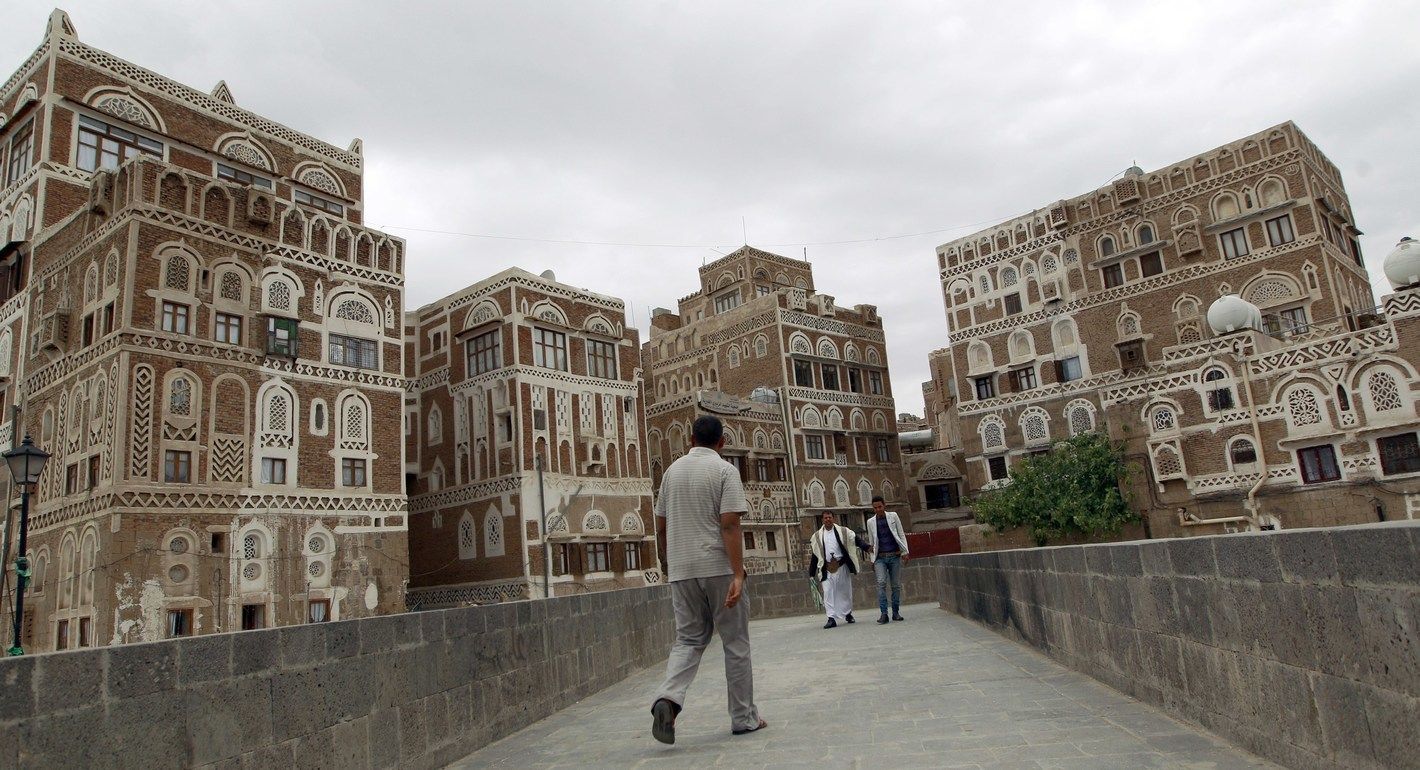
The chaos of street naming in Sana’a reflects the deep weakness of the Yemeni state and its failure to establish a unified urban identity, leaving residents to rely on informal, oral naming systems rooted in collective memory. This urban disorder is not merely a logistical problem but a symbolic struggle between state authority and local community identity.
Sarah Al-Kbat
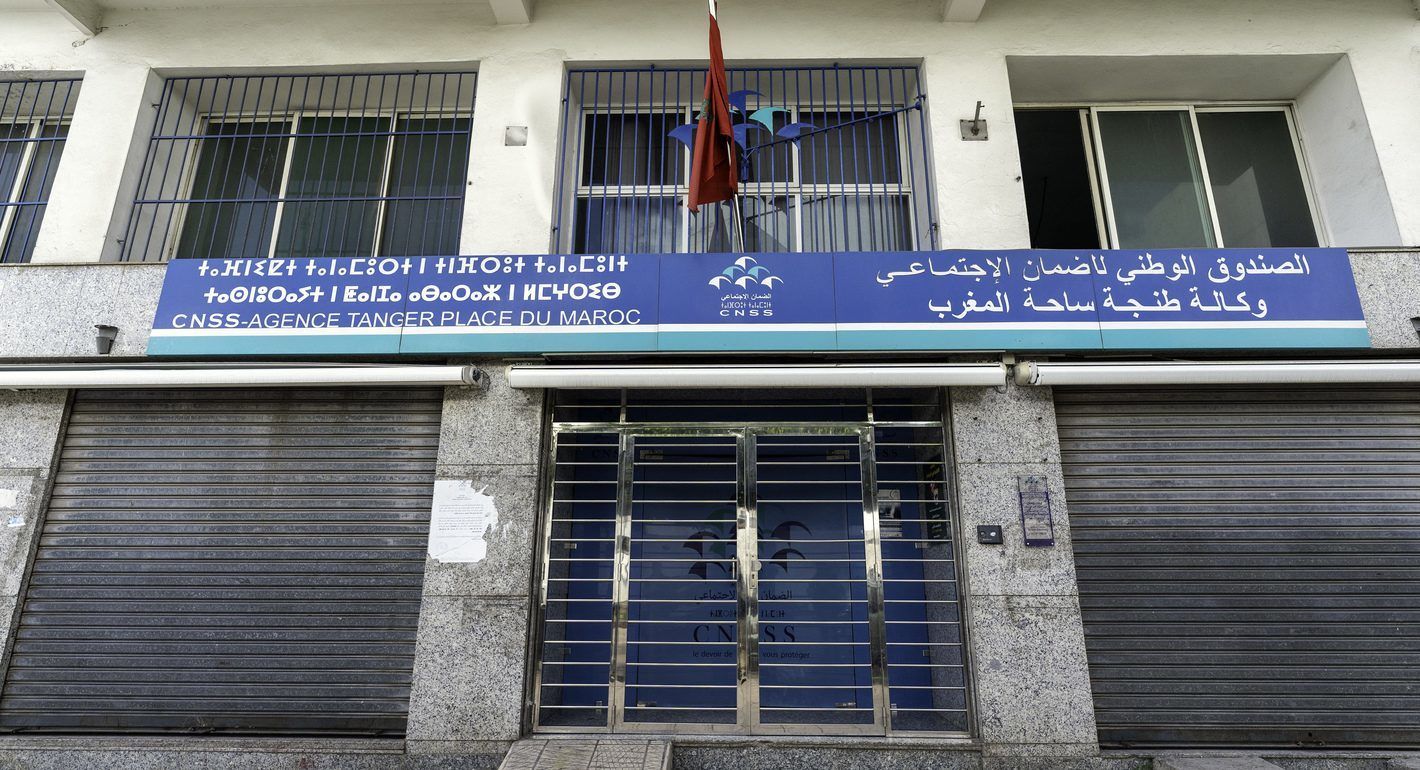
While Morocco’s shift to a digitized social targeting system improves efficiency and coordination in social programs, it also poses risks of exclusion and reinforces austerity policies. The new system uses algorithms based on socioeconomic data to determine eligibility for benefits like cash transfers and health insurance. However, due to technical flaws, digital inequality, and rigid criteria, many vulnerable families are unfairly excluded.
Abderrafie Zaanoun