

Commentary
Syria's transition promised a fresh start. But are old habits of power making a comeback? This analysis looks at the warning signs and what it will take to build a more accountable state.
Sima Beitinjaneh
{
  "authors": [
    "Amy Hawthorne"
  ],
  "type": "commentary",
  "blog": "Sada",
  "centerAffiliationAll": "",
  "centers": [
    "Carnegie Endowment for International Peace"
  ],
  "collections": [],
  "englishNewsletterAll": "",
  "nonEnglishNewsletterAll": "",
  "primaryCenter": "Carnegie Endowment for International Peace",
  "programAffiliation": "",
  "programs": [],
  "projects": [],
  "regions": [
    "Yemen"
  ],
  "topics": [
    "Political Reform"
  ]
}

REQUIRED IMAGE
Islah, Yemen's Islamist party, had its poorest showing yet in elections for the lower house of parliament on April 27, 2003. Islah won just 46 of 301 seats, down from 56 in 1997 and 63 in 1993. Islah gained nine new seats in the capital, Sanaa, but lost in several traditional strongholds. The ruling General People's Congress (GPC) party gained a more-than-comfortable 75 percent majority.
Islah, Yemen's Islamist party, had its poorest showing yet in elections for the lower house of parliament on April 27, 2003. Islah won just 46 of 301 seats, down from 56 in 1997 and 63 in 1993. Islah gained nine new seats in the capital, Sanaa, but lost in several traditional strongholds. The ruling General People's Congress (GPC) party gained a more-than-comfortable 75 percent majority. Smaller opposition parties won just twelve seats.
Islah's failure to make electoral gains stems from a combination of its own weaknesses and from ruling party control that increasingly limits political space in Yemen. This kept the party from capitalizing on popular resentment over the war in Iraq, Sanaa's controversial counter-terrorism cooperation with Washington, and economic hardship.
Comprising an extremely diverse membership of radical Islamists, moderates, businessmen, and tribal figures, Islah is more of a loose confederation than a real party. This big tent structure hinders Islah's ability to articulate a distinct, coherent opposition platform. Further, most Islah candidates were centrists and many GPC candidates appropriated Islah's Islamist discourse. As a result, many opposing candidates were ideologically indistinguishable from each other. This centrist orientation reflected an apparent decision by senior party officials, many of whom maintain close ties to the regime, to choose accommodation over confrontation in this election. (Islah's leader even ran two of his sons as GPC candidates). Sanaa's clampdown on some Islamist schools and charities and allegations of radical Islahis' ties to recent domestic terrorist attacks also put Islah on the defensive.
Issues of terrorism and the war in Iraq did not play into Islah's hands as they might have, either. The regime, skillfully, has portrayed its cooperation with Washington as a success in forestalling a preemptive invasion of Yemen and as necessary to attract foreign aid and investment. Yemen opposed the Iraq war and provided no support to the coalition forces, depriving Islah candidates of the foil of a government playing lackey to the United States.
The fact that politics centers on patronage more than clear policy choices hindered Islah (as well as smaller opposition parties). Parliament has not evolved into an effective legislative body or counterweight to the executive. Its role in national politics has, if anything, diminished in importance since the first multiparty parliament elected in 1993, due to inadequate resources, absenteeism, and the 2001 creation of an appointed upper house replete with regime loyalists. Thus, many Yemenis see members of parliament primarily as sources of patronage and tend to vote for GPC candidates, who are seen as well connected to the sources of power and wealth.
The opposition parties' electoral weaknesses are further aggravated by the growing dominance of the ruling party, its control over the national bureaucracy, and its often subtle but pervasive limitations of political space. No other party can match the GPC's well-funded national organizational machine. With help from Washington, the GPC-dominated security forces have expanded their reach into Yemen's hinterlands, a presence that can help to stifle popular political debate and intimidate voters on election day. The government controls the broadcast media, essential in a country with sixty percent illiteracy. Though the electoral commission is nominally independent, the GPC has expanded its influence there in recent years. National electoral policy and district level operations are firmly in the GPC's hands, with token involvement of non-GPC members. This allowed the GPC to benefit most from electoral irregularities involving registration of underage voters and the vote count in the most recent elections.
In the early 1990s, newly unified Yemen began a liberalization process that appeared to promise meaningful changes in the balance of power and political practice. While Yemen remains less repressive and more pluralistic than other Arab republics, this recent election underscores how Yemen's political landscape has grown to resemble theirs: a ruling party with solidified power, Islamist parties with strong social roots but limited parliamentary representation, other ineffectual opposition parties, and a marginal parliament. The inclusion of Islamists in Yemeni politics has not led to extremism enshrined through democracy, but neither has it yet broken the familiar Arab pattern of regime control and weak opposition.
Amy Hawthorne is an associate at the Carnegie Endowment for International Peace.
Amy Hawthorne
Carnegie does not take institutional positions on public policy issues; the views represented herein are those of the author(s) and do not necessarily reflect the views of Carnegie, its staff, or its trustees.
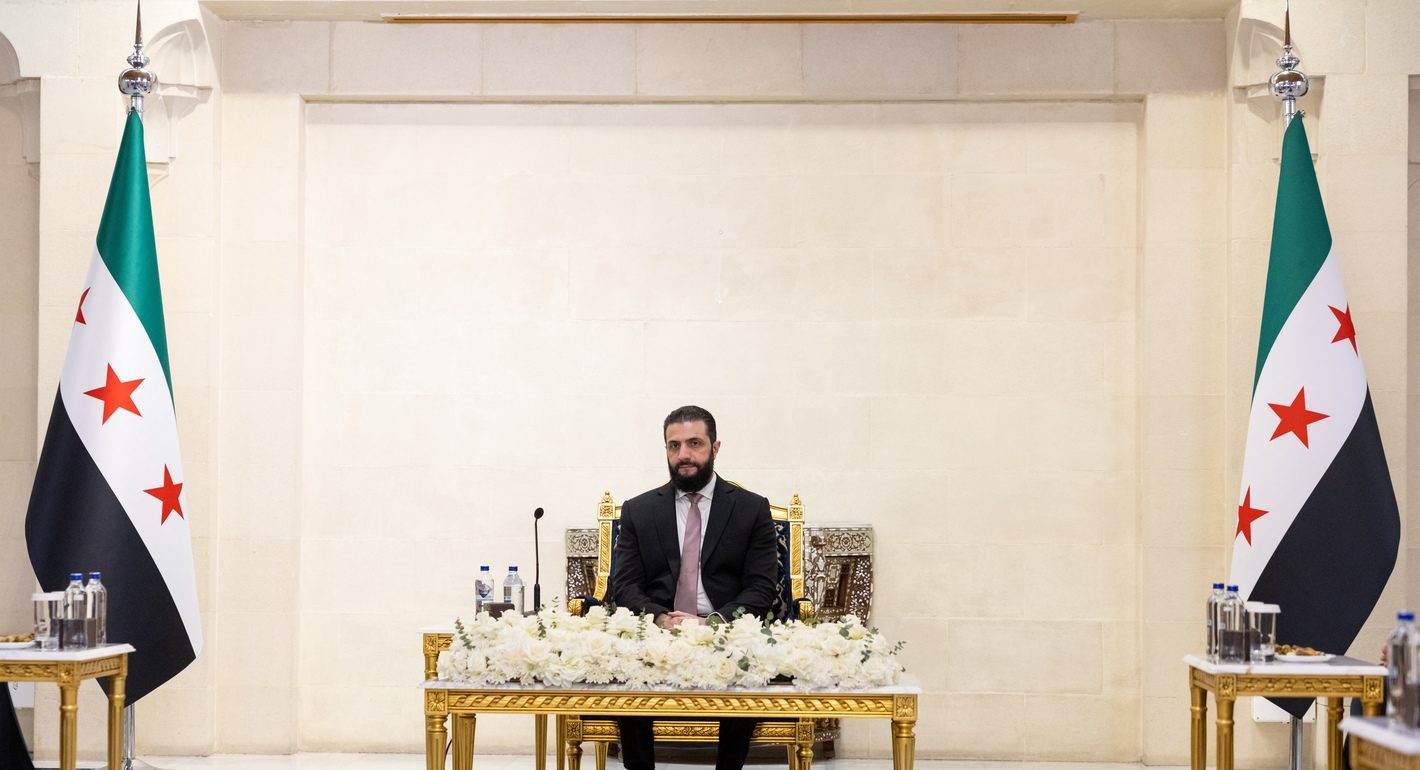
Syria's transition promised a fresh start. But are old habits of power making a comeback? This analysis looks at the warning signs and what it will take to build a more accountable state.

Sima Beitinjaneh
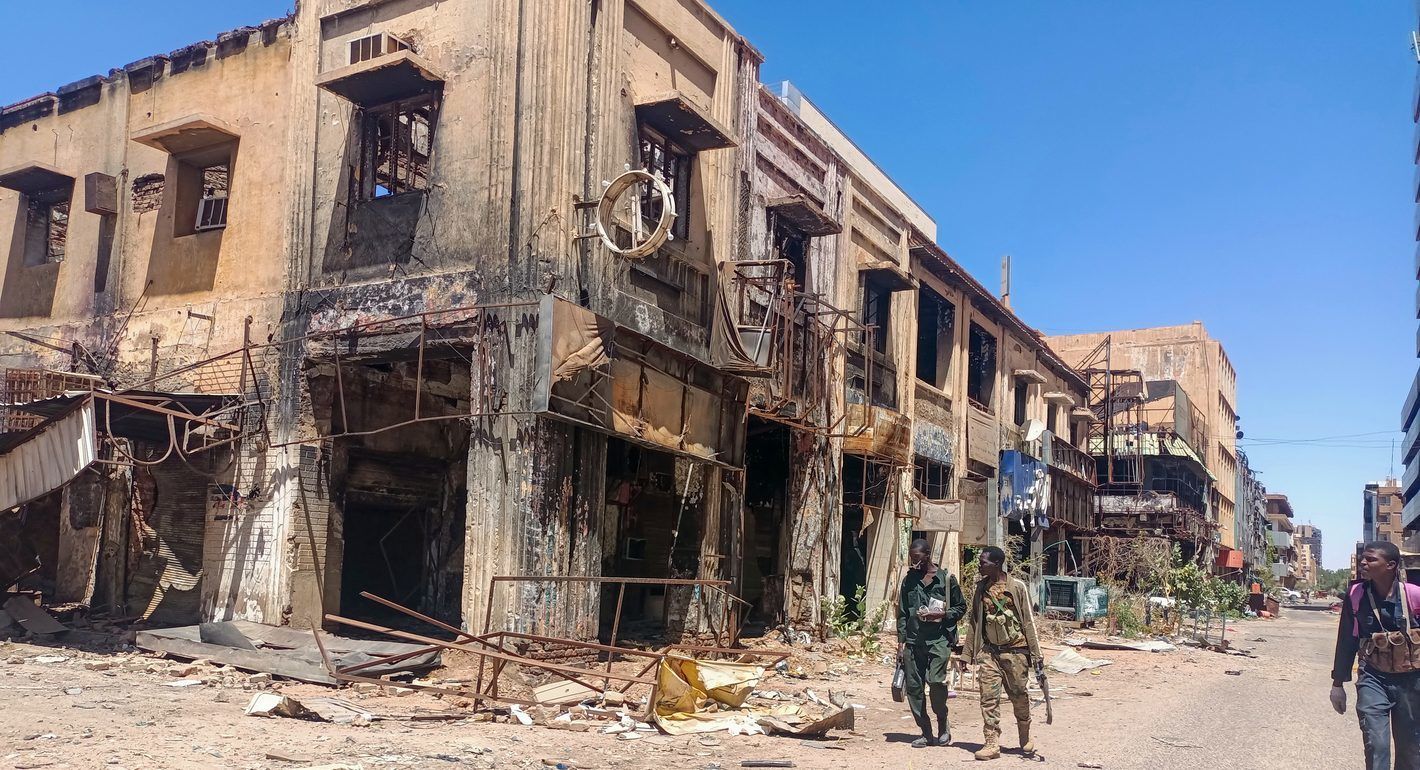
Hate speech has spread across Sudan and become a key factor in worsening the war between the army and the Rapid Support Forces. The article provides expert analysis and historical background to show how hateful rhetoric has fueled violence, justified atrocities, and weakened national unity, while also suggesting ways to counter it through justice, education, and promoting a culture of peace.
Samar Sulaiman
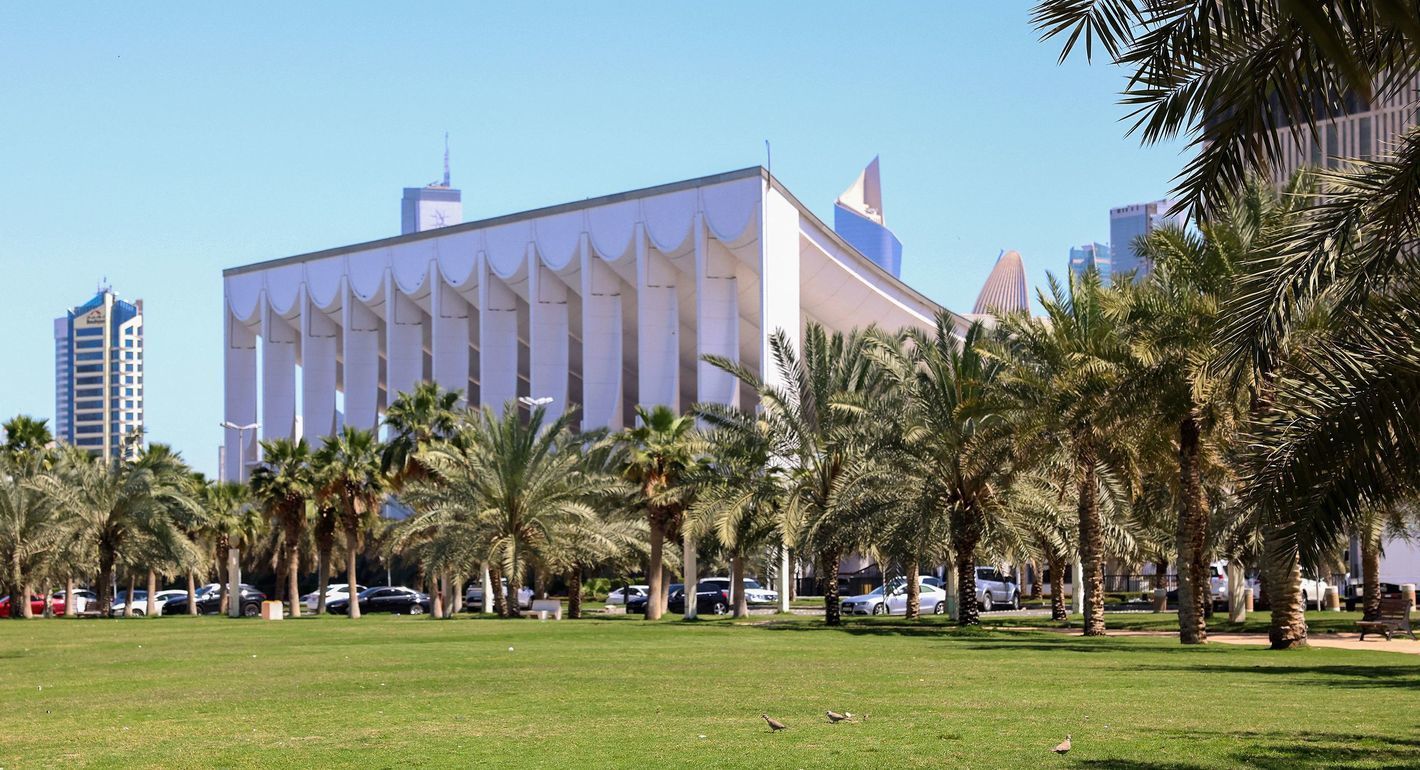
Kuwait’s government has repeatedly launched ambitious reforms under Kuwait Vision 2035, yet bureaucratic inefficiency, siloed institutions, and weak feedback mechanisms continue to stall progress. Adopting government analytics—real-time monitoring and evidence-based decision-making—can transform reform from repetitive announcements into measurable outcomes.
Dalal A. Marafie
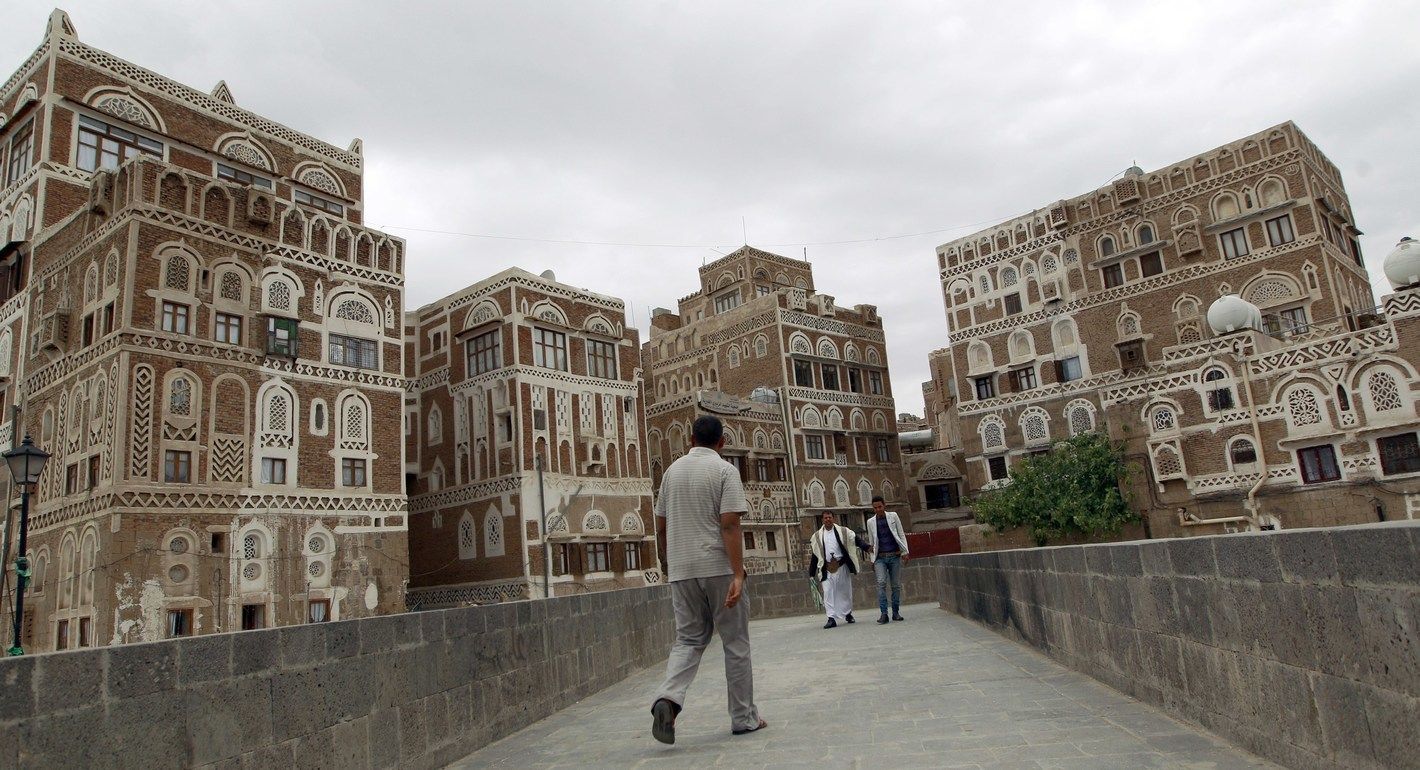
The chaos of street naming in Sana’a reflects the deep weakness of the Yemeni state and its failure to establish a unified urban identity, leaving residents to rely on informal, oral naming systems rooted in collective memory. This urban disorder is not merely a logistical problem but a symbolic struggle between state authority and local community identity.
Sarah Al-Kbat
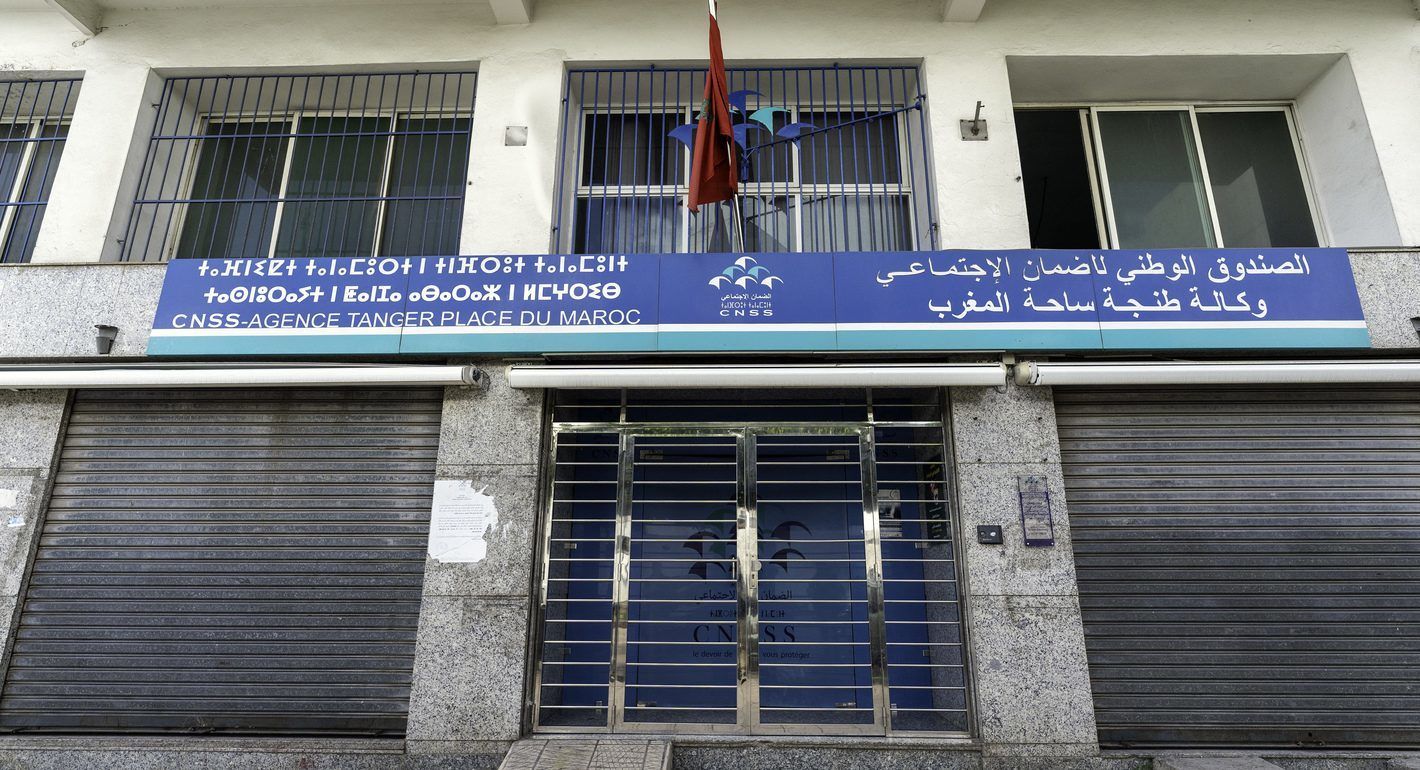
While Morocco’s shift to a digitized social targeting system improves efficiency and coordination in social programs, it also poses risks of exclusion and reinforces austerity policies. The new system uses algorithms based on socioeconomic data to determine eligibility for benefits like cash transfers and health insurance. However, due to technical flaws, digital inequality, and rigid criteria, many vulnerable families are unfairly excluded.
Abderrafie Zaanoun