

Commentary
Syria's transition promised a fresh start. But are old habits of power making a comeback? This analysis looks at the warning signs and what it will take to build a more accountable state.
Sima Beitinjaneh
{
  "authors": [
    "Sarah Phillips"
  ],
  "type": "commentary",
  "blog": "Sada",
  "centerAffiliationAll": "",
  "centers": [
    "Carnegie Endowment for International Peace"
  ],
  "collections": [],
  "englishNewsletterAll": "",
  "nonEnglishNewsletterAll": "",
  "primaryCenter": "Carnegie Endowment for International Peace",
  "programAffiliation": "",
  "programs": [],
  "projects": [],
  "regions": [
    "Yemen"
  ],
  "topics": [
    "Political Reform"
  ]
}

REQUIRED IMAGE
Yemen's presidential and local elections are scheduled simultaneously for September 20, and many locals expect them to be the country's most contentious yet. Despite the practical certainty that President Ali Abdullah Saleh will keep his job, Yemen's precarious political and economic situation means that there is still plenty for the opposition to fight for.
Yemen's presidential and local elections are scheduled simultaneously for September 20, and many locals expect them to be the country's most contentious yet. Despite the practical certainty that President Ali Abdullah Saleh will keep his job, Yemen's precarious political and economic situation means that there is still plenty for the opposition to fight for. The real question is not who will be Yemen's next president but rather how the opposition Joint Meeting Party (JMP) coalition will fare against Saleh's General People's Congress (GPC) in the local elections.
The JMP, formed in 2002, is a seemingly unlikely coalition among the Islamist Islah party (which dominates the group), the Yemeni Socialist Party, and three other minor parties. Among the minor JMP partners is Hizb Al Haqq, a Zaydi Shiite party that the regime charges with involvement in the Al Houthi armed insurgency that has plagued the government for more than two years. The JMP mainly consists of an undertaking among the members not to compete against each other if the outcome would favor an outsider. In the 2003 parliamentary elections, the coalition was mired in distrust and largely ineffectual. There was uncertainty about the extent to which Islah was still allied to Saleh's party, with whom it had sided in the 1994 civil war against the Yemeni Socialist Party.
In recent months the willingness of JMP members to cooperate has increased enormously and, after much nervous deliberation, they finally announced a credible joint presidential candidate to take on President Saleh, former oil minister Faisal Bin Shamlan. Islah's reticence in endorsing a candidate indicated lingering uncertainty about throwing in its lot with the opposition, and fuelled speculation that Islah was still pursuing backroom negotiations with the GPC for an electoral alliance. Nevertheless, the fact that the Islamist Islah party and Yemeni Socialist Party have put aside ideological differences in order to improve their electoral chances indicates increased pragmatism within the Yemeni opposition. By contrast, in the last presidential election Islah nominated President Saleh as its candidate before his own party even had the chance to do so.
Two key factors made Islah's current stance possible. First, the personal relationship between President Saleh and Islah leader Sheikh Abdullah, formerly a mainstay of Yemen's political system, is now all but defunct. Sheikh Abdullah's son said in May, for example, that the government's policies were pushing Yemenis towards revolution, a statement that would have been unthinkable several years ago. Second, the sense of impending crisis about corruption and the shrinking economy has broadened the boundaries of public criticism. This is probably a product of the government's desire to allow a vent for discontent, but also indicates its diminishing control.
Yemen has a first-past-the-post electoral system as opposed to one of proportional representation. A slight majority, therefore, wins a candidate his or her seat. If there is reasonable transparency, it is now conceivable that the JMP alliance could win an overall majority in the local elections. Islah has never had a critical electoral mass, but in 2003 it fared well in the districts in which it competed with the GPC. In the 173 (of 301) districts in which the two parties went head to head, Islah received nearly 72 per cent of the number of votes that the GPC did, despite many electoral violations favoring the GPC. While Islah remains the strongest partner within the JMP, the Yemeni Socialist Party also has rebuilt some of its standing (damaged by the 1994 civil war and 1997 electoral boycott), particularly in the formerly socialist south, where animosity toward the government is strong. The presence of the Zaydi Hizb Al Haqq might also favor the JMP in Zaydi areas that were previously GPC strongholds, due to the sectarianism stirred up by the government's response to the Al Houthi uprising.
Ultimately, however, this year's elections are not so much the JMP's to win as they are the GPC's to lose. To overestimate the JMP's potency would be a mistake. Even should the alliance make electoral gains, the constituent groups' ability to cope with the political and economic problems that they would inherit if they did ever come to power is another matter entirely. Yemeni oppositionists are standing under a tree and waiting for fruit to fall. What they would do with this fruit, and whether they could even catch it in the first place, remains unclear.
Sarah Phillips (sarphil@gmail.com) is a doctoral candidate at the Centre for Arab and Islamic Studies of the Australian National University currently researching political reform in Yemen.
Sarah Phillips
Carnegie does not take institutional positions on public policy issues; the views represented herein are those of the author(s) and do not necessarily reflect the views of Carnegie, its staff, or its trustees.
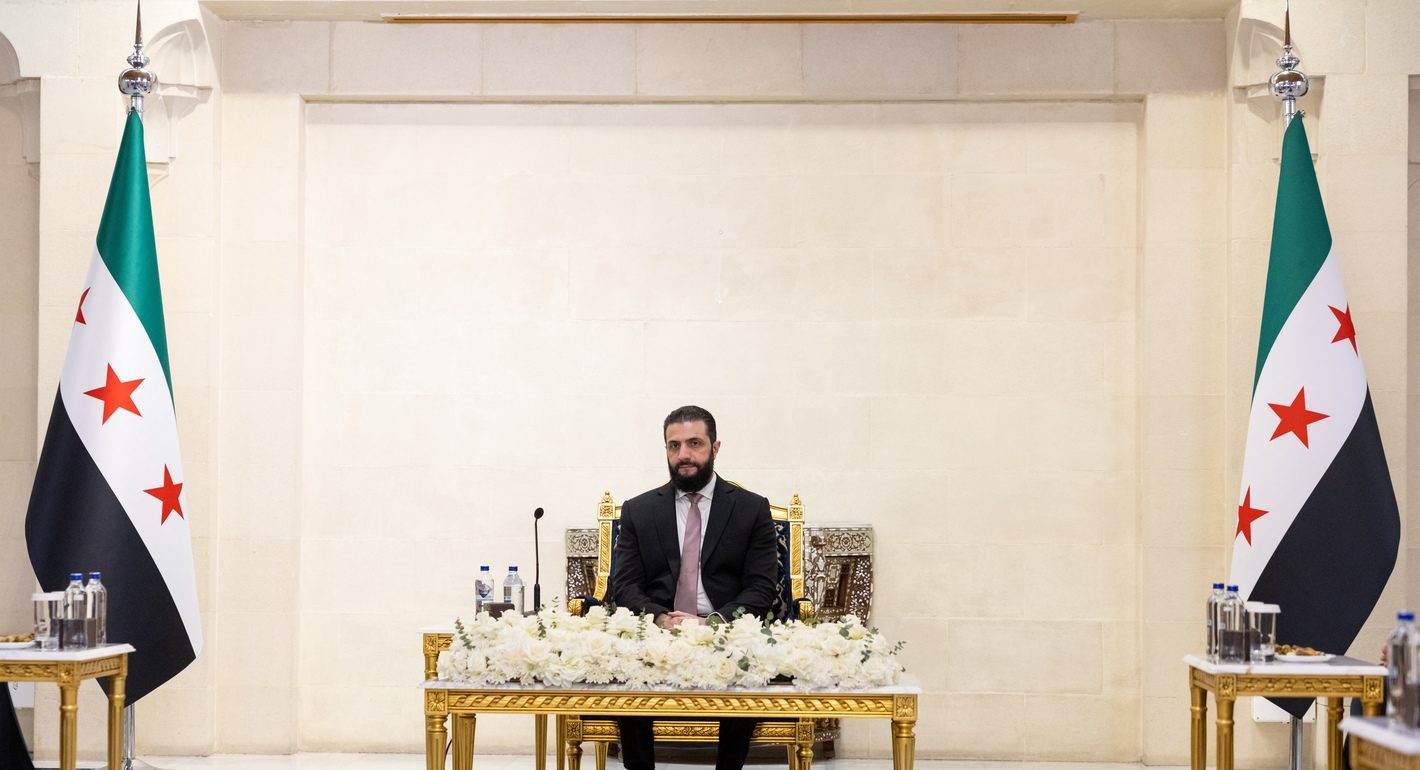
Syria's transition promised a fresh start. But are old habits of power making a comeback? This analysis looks at the warning signs and what it will take to build a more accountable state.

Sima Beitinjaneh
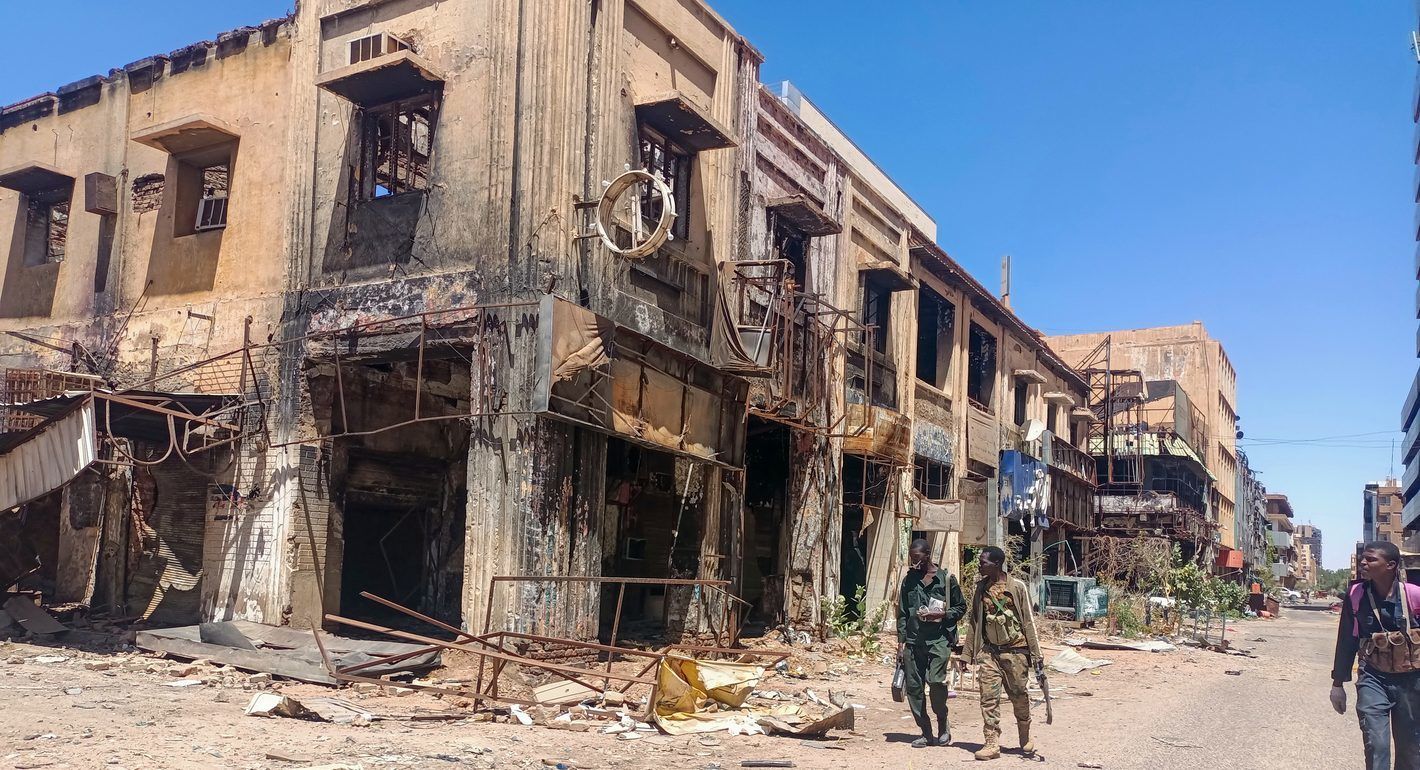
Hate speech has spread across Sudan and become a key factor in worsening the war between the army and the Rapid Support Forces. The article provides expert analysis and historical background to show how hateful rhetoric has fueled violence, justified atrocities, and weakened national unity, while also suggesting ways to counter it through justice, education, and promoting a culture of peace.
Samar Sulaiman
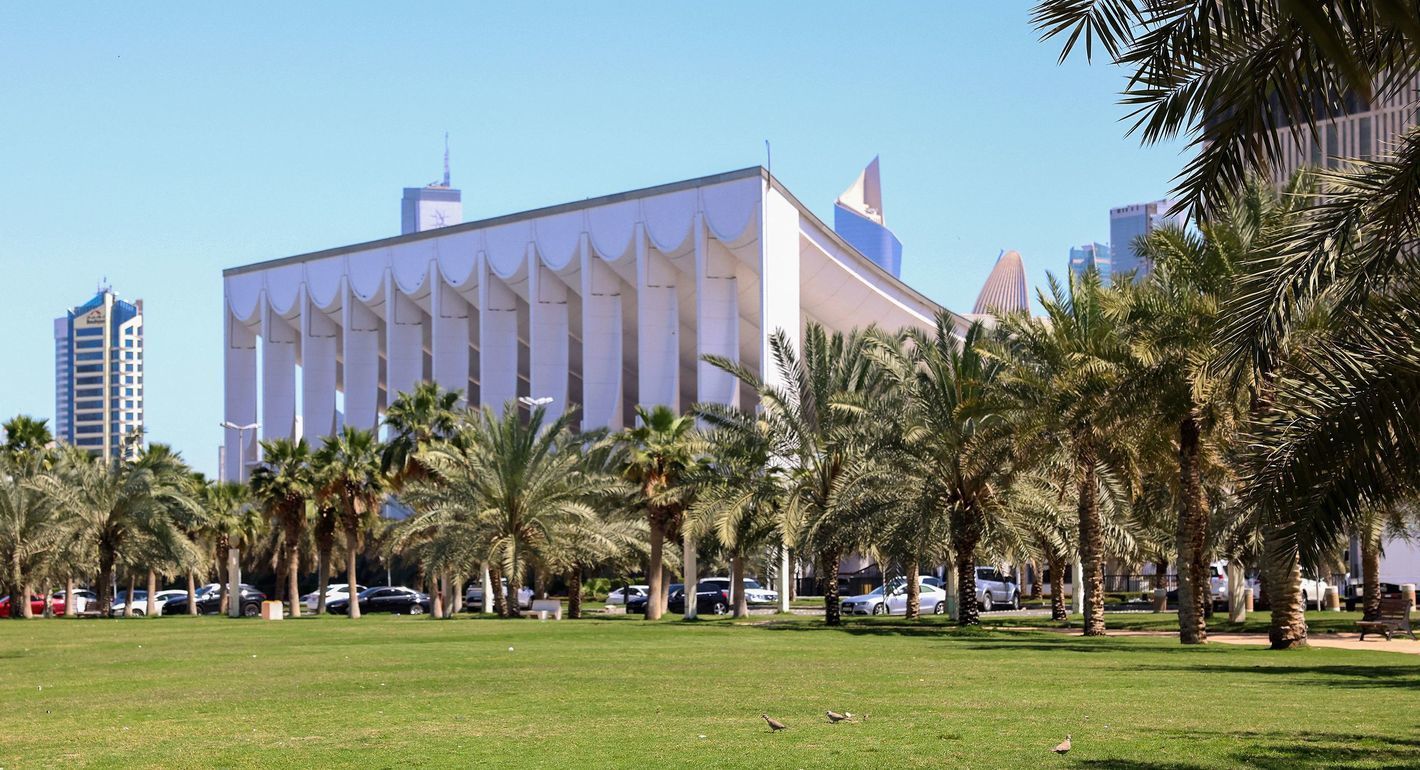
Kuwait’s government has repeatedly launched ambitious reforms under Kuwait Vision 2035, yet bureaucratic inefficiency, siloed institutions, and weak feedback mechanisms continue to stall progress. Adopting government analytics—real-time monitoring and evidence-based decision-making—can transform reform from repetitive announcements into measurable outcomes.
Dalal A. Marafie
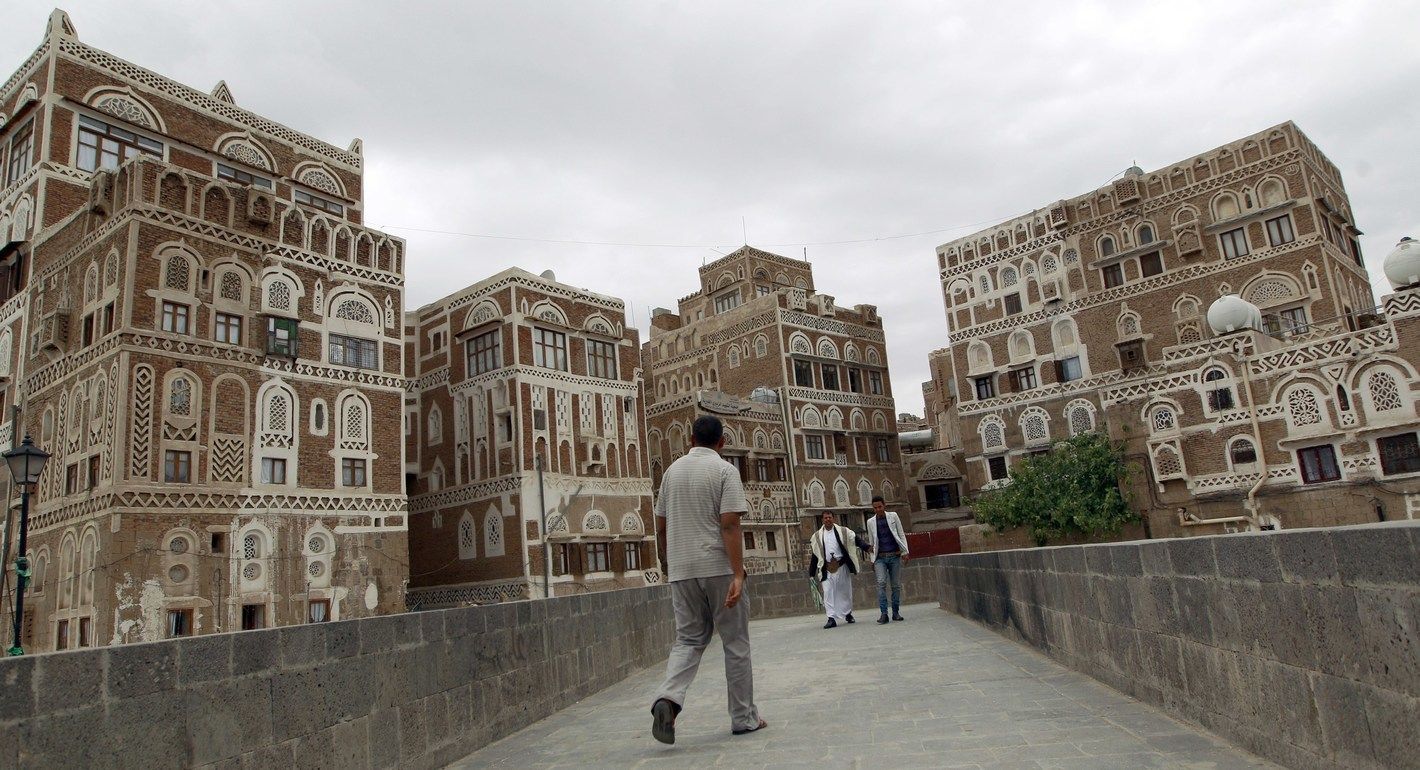
The chaos of street naming in Sana’a reflects the deep weakness of the Yemeni state and its failure to establish a unified urban identity, leaving residents to rely on informal, oral naming systems rooted in collective memory. This urban disorder is not merely a logistical problem but a symbolic struggle between state authority and local community identity.
Sarah Al-Kbat
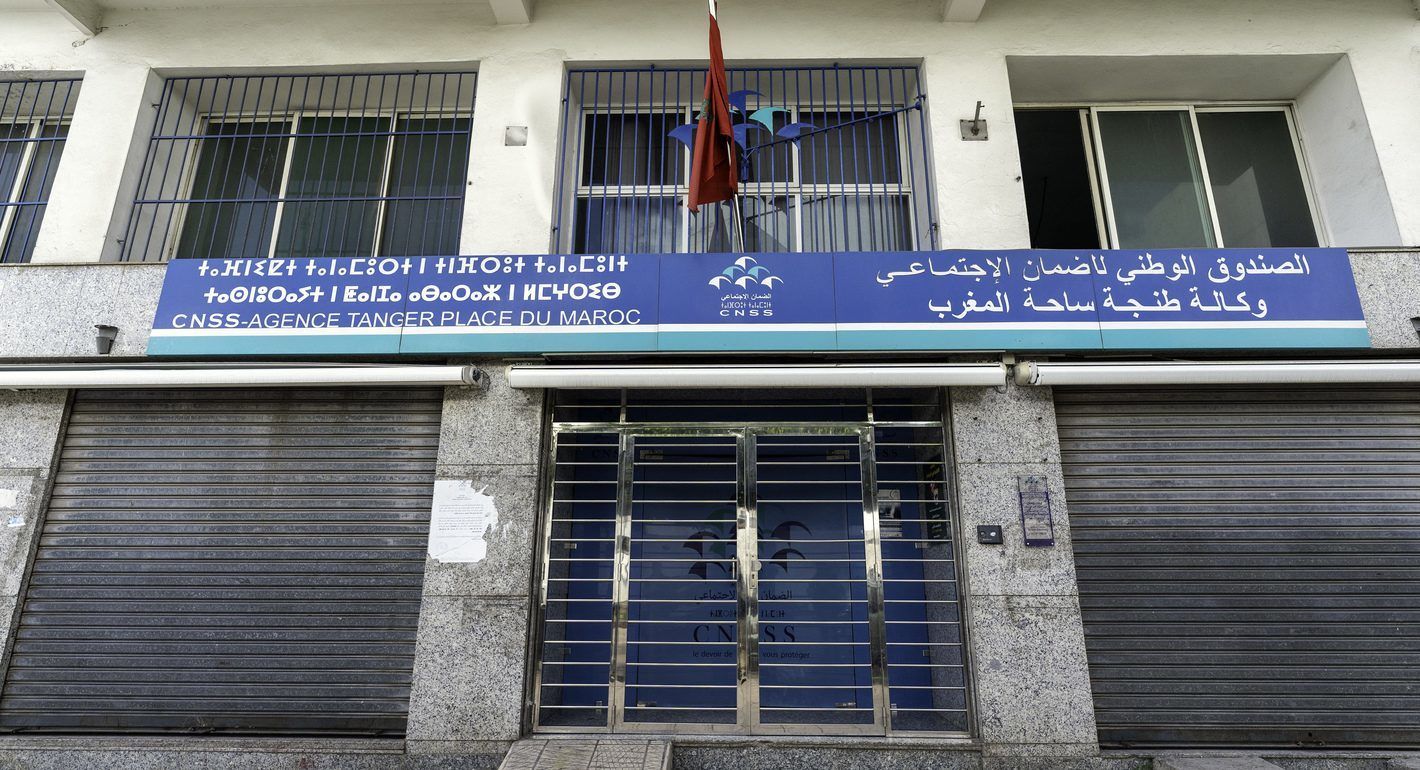
While Morocco’s shift to a digitized social targeting system improves efficiency and coordination in social programs, it also poses risks of exclusion and reinforces austerity policies. The new system uses algorithms based on socioeconomic data to determine eligibility for benefits like cash transfers and health insurance. However, due to technical flaws, digital inequality, and rigid criteria, many vulnerable families are unfairly excluded.
Abderrafie Zaanoun