

Paper
Riad al Khouri
{
  "authors": [
    "Riad al Khouri"
  ],
  "type": "commentary",
  "blog": "Sada",
  "centerAffiliationAll": "",
  "centers": [
    "Carnegie Endowment for International Peace",
    "Malcolm H. Kerr Carnegie Middle East Center"
  ],
  "collections": [],
  "englishNewsletterAll": "",
  "nonEnglishNewsletterAll": "",
  "primaryCenter": "Carnegie Endowment for International Peace",
  "programAffiliation": "",
  "programs": [],
  "projects": [],
  "regions": [
    "Kuwait"
  ],
  "topics": [
    "Political Reform",
    "Economy"
  ]
}

Source: Getty
Kuwait remains a classic rentier state, living on natural resources alone and unwilling or unable to diversify, reform, democratize, or otherwise change for the better. If anything, the emirate should be wallowing deeper in autocracy as state dependence on oil rises. Yet the politics of the country belie this.
|
|
2003/4
|
2007/8
|
|
Total
|
23.1
|
67.3
|
|
From oil
|
20.5
|
62.7
|
|
Non-oil revenue
|
2.6
|
4.6
|
|
|
|
|
|
Oil as % of total
|
88.7
|
93.2
|
Former Visiting Scholar, Middle East Center
Riad al Khouri is an economist specializing in the Middle East and North Africa region. He has undertaken extensive research on regional trade and political economy, among other topics, and writes widely about development issues. He taught economics at the American University in Beirut (AUB) and Beirut University College (now the Lebanese American University) and worked as a consultant for the European Commission, ESCWA, GTZ, ILO, IOM, OPEC Fund, UNDP, UNIDO, USAID, and the World Bank, among many other public sector organizations, as well as for numerous private firms.
Recent Work
Riad al Khouri
Carnegie does not take institutional positions on public policy issues; the views represented herein are those of the author(s) and do not necessarily reflect the views of Carnegie, its staff, or its trustees.
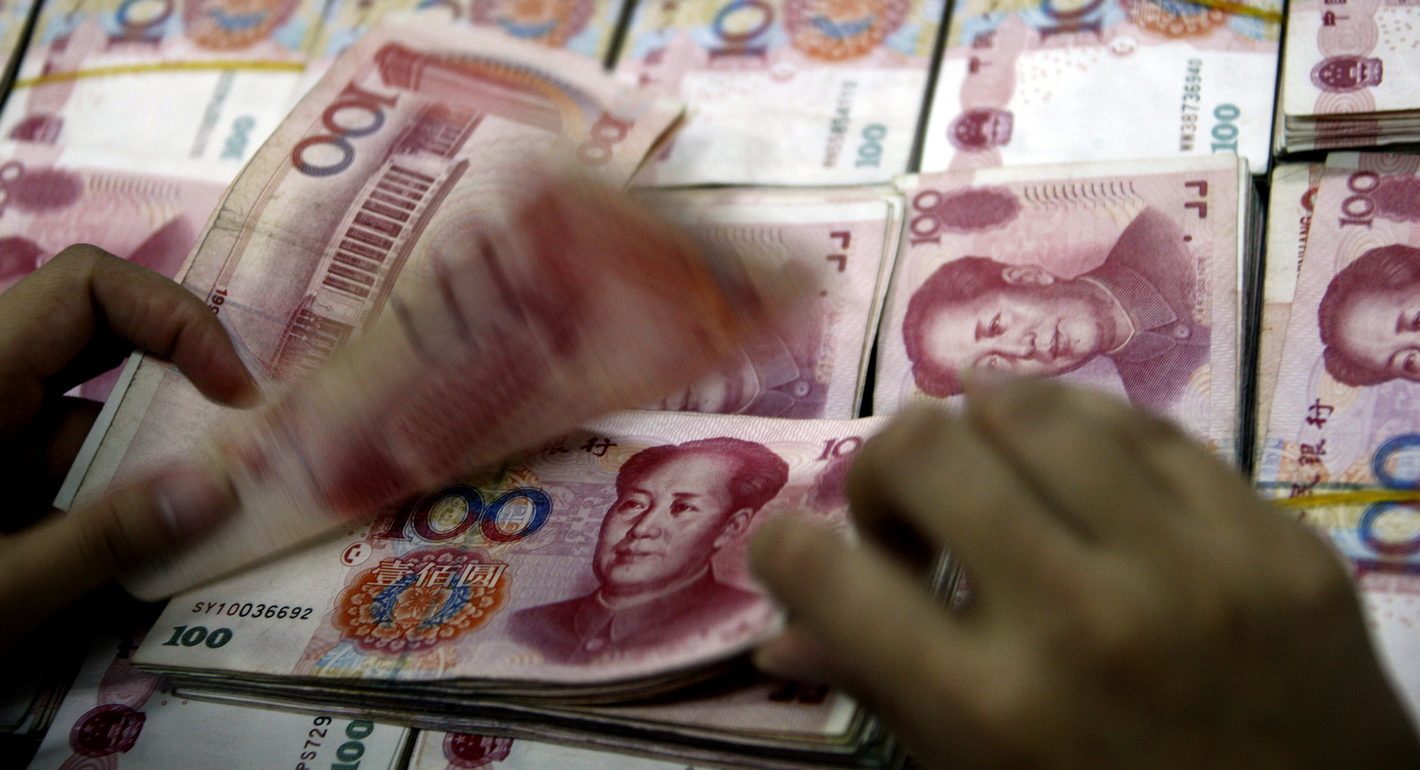
Is the Gulf moving beyond the dollar? This article examines how China is expanding the renminbi's role across Gulf markets, what that means for regional finance, and why the future of global currencies is more complex than the de-dollarization debate suggests.
Andrew Bonney
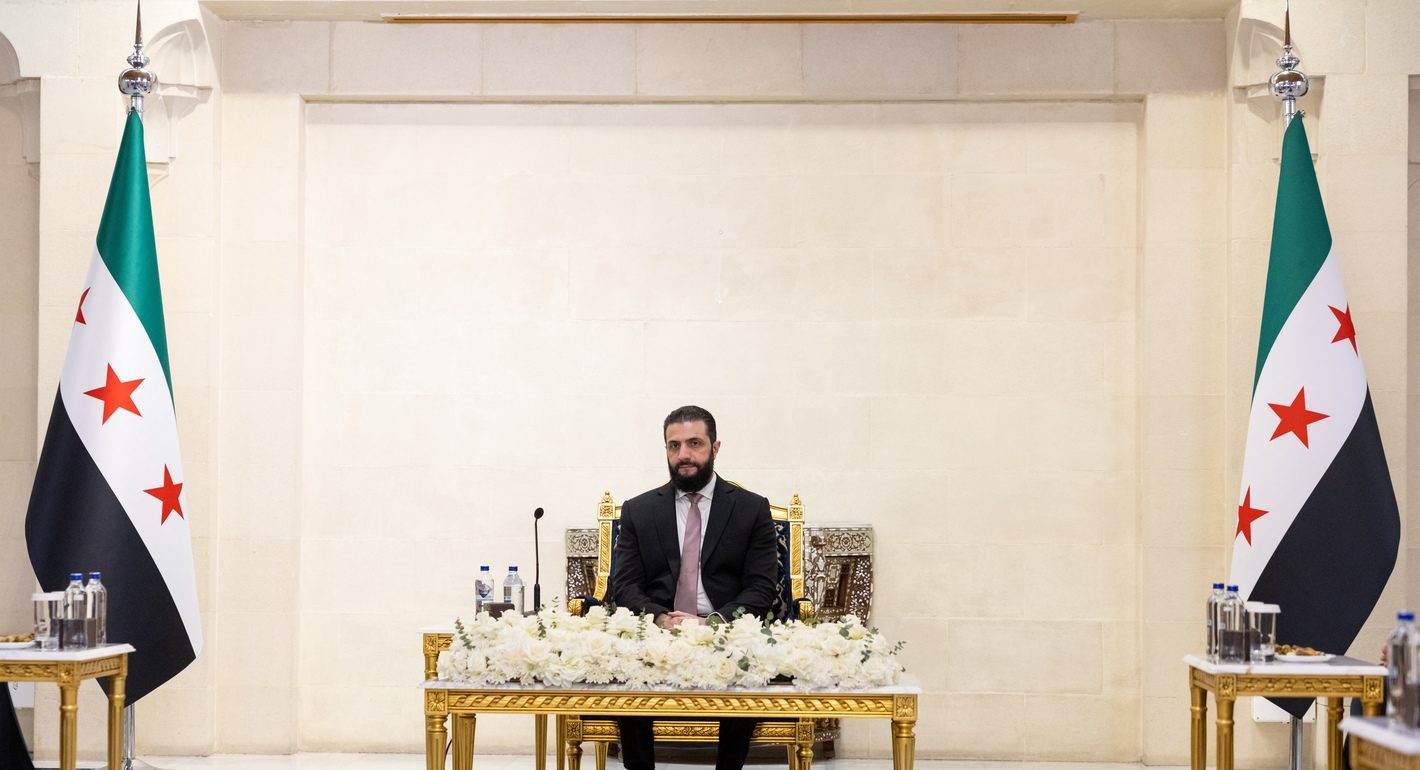
Syria's transition promised a fresh start. But are old habits of power making a comeback? This analysis looks at the warning signs and what it will take to build a more accountable state.
Sima Beitinjaneh
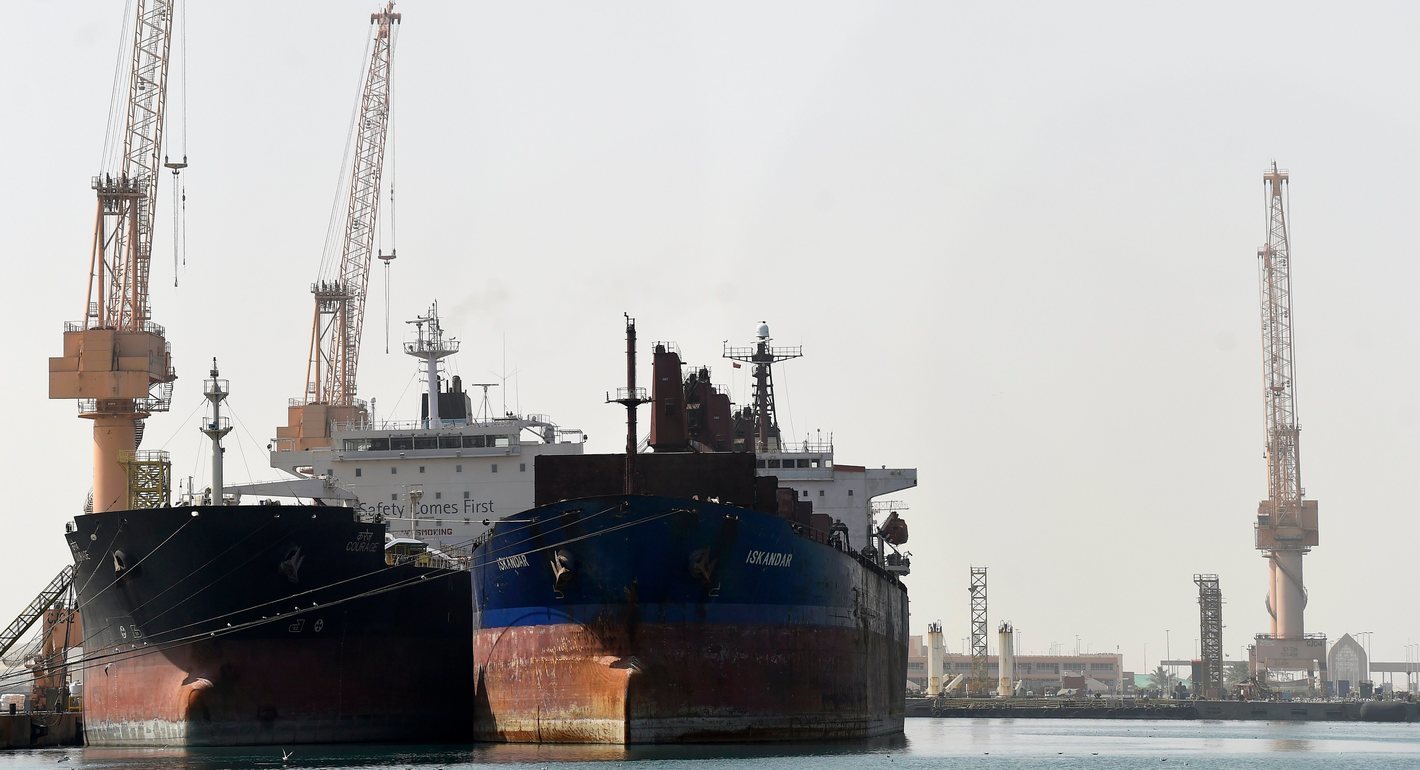
In a volatile Middle East, the Omani port of Duqm offers stability, neutrality, and opportunity. Could this hidden port become the ultimate safe harbor for global trade?
Giorgio Cafiero, Samuel Ramani
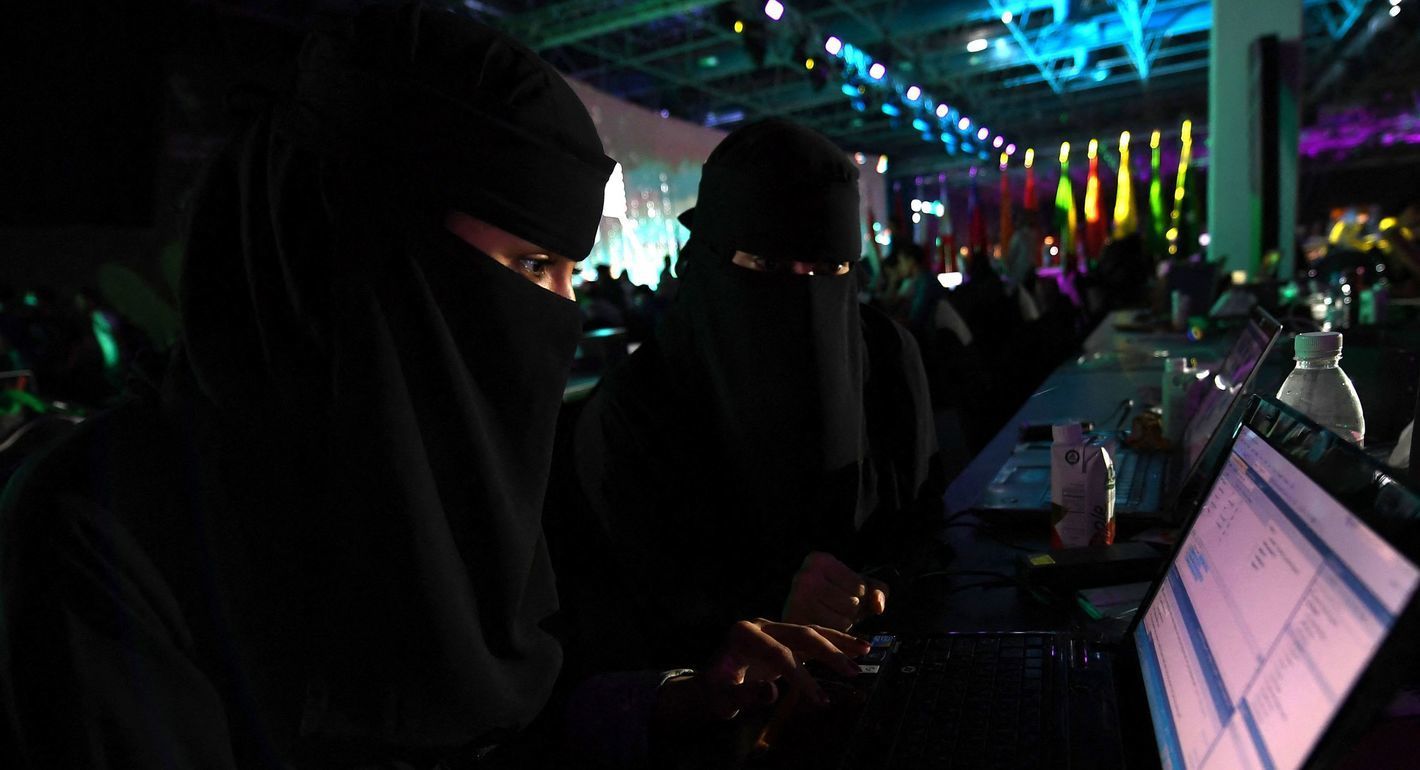
How can Saudi Arabia turn its booming e-commerce sector into a real engine of economic empowerment for women amid persistent gaps in capital access, digital training, and workplace inclusion? This piece explores the policy fixes, from data-center integration to gender-responsive regulation, that could unlock women’s full potential in the kingdom’s digital economy.
Hannan Hussain
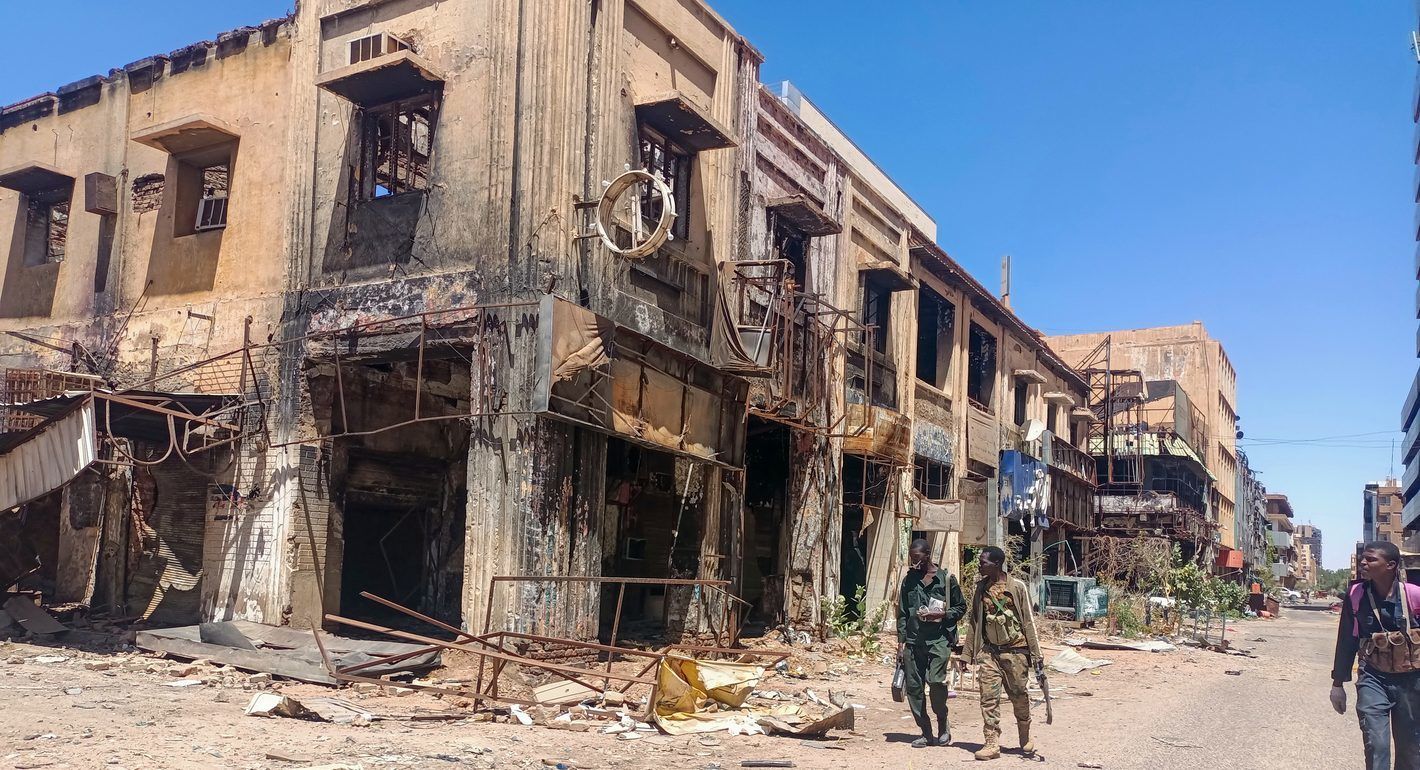
Hate speech has spread across Sudan and become a key factor in worsening the war between the army and the Rapid Support Forces. The article provides expert analysis and historical background to show how hateful rhetoric has fueled violence, justified atrocities, and weakened national unity, while also suggesting ways to counter it through justice, education, and promoting a culture of peace.
Samar Sulaiman