• Research
  • Emissary
  • About
  • Experts
Carnegie Global logoCarnegie lettermark logo
DemocracyIran
  • Donate
{
  "authors": [
    "Mustafa Saidj"
  ],
  "type": "commentary",
  "blog": "Sada",
  "centerAffiliationAll": "",
  "centers": [
    "Carnegie Endowment for International Peace"
  ],
  "collections": [],
  "englishNewsletterAll": "",
  "nonEnglishNewsletterAll": "",
  "primaryCenter": "Carnegie Endowment for International Peace",
  "programAffiliation": "",
  "programs": [],
  "projects": [],
  "regions": [
    "North Africa",
    "Algeria"
  ],
  "topics": [
    "Political Reform"
  ]
}

Attribution logo

Source: Getty

Commentary
Sada

Scenarios for the Algerian Presidential Election

Algeria has entered the countdown stage for the April 2009 presidential election, a critical test for its democratic experiment. Neither the rules of the game nor the candidates in the coming election are clear yet, but there are several possible scenarios depending on whether President Bouteflika will run and how the other political forces will react.

Link Copied
By Mustafa Saidj
Published on Sep 9, 2008
Sada

Blog

Sada

Sada is an online journal rooted in Carnegie’s Middle East Program that seeks to foster and enrich debate about key political, economic, and social issues in the Arab world and provides a venue for new and established voices to deliver reflective analysis on these issues.

Learn More
Algeria has entered the countdown stage for the April 2009 presidential election, a critical test for its democratic experiment. Algeria’s foray into pluralism had a bitter start when the electoral process was halted in January 1992 due to the threat posed by the Islamic Salvation Front (FIS). After winning the majority of parliamentary seats, the FIS increased its belligerent rhetoric against the powers of the political regime and the military in particular. This led a group of officers to choose to call off the elections and force President Chadli Ben Jadid to resign, a decision that plunged Algeria into a cycle of violence called "the bloody decade" for the social and economic catastrophes it caused.
 
Neither the rules of the game nor the candidates in the coming election are clear yet, but it is expected that President Abdelaziz Bouteflika will amend the constitution to allow himself to be nominated for a third term. This likely development shows the stagnation in political life. There is no strong opposition, whether in the democratic parties with their diversity and internal weakness, or the Islamist parties with their plurality and contradictions. The only incident breaking the monotony recently was a joint statement issued by Front of Socialist Forces leader Hocine Ait Ahmed, former Prime Minister Mouloud Hamrouche, and former National Liberation Front (FLN) Secretary General Abdulhamid Mehri in which all three committed themselves to building an open, pluralistic, democratic system.
 
Bouteflika still calls all the shots politically, the latest being a June 2008 cabinet reshuffle that the opposition called a handoff between the two parties in power, the FLN and the National Rally for Democracy (RND). Prime Minister Abdelaziz Belkhadem was dismissed to allow for an internal reorganization of the FLN that would give Bouteflika, the party's honorary president, more control should he be nominated for a third term. The return of RND Secretary General Ahmed Ouyahia to the position of prime minister also is connected to the upcoming election; the president needs Ouyahia to give the impression that there is a consensus inside the Algerian ruling elite. Some also see Ouyahia 's appointment as an attempt to neutralize him as a serious potential competitor for the presidency, even though Ouyahia has already said he would not run against Bouteflika and that he was favorable to a constitutional amendment to allow Bouteflika to run.
 
Political forces outside the ruling coalition have not yet mobilized for the election. There has been no real action yet from the Front for Socialist Forces, whose leader Ait Ahmed has been based in Geneva since the onset of political pluralism. His deputy in Algeria is Karim Tabou, a young man lacking political experience. In addition, there is the Rally for Culture and Democracy (RCD) party, whose leader Said Sadi has drawn media attention both at home and abroad with his description of the ruling clique as “Tikritis” seeking to Balkanize and Lebanonize Algeria. Beside these two parties, there is the moderately leftist pro-Bouteflika Workers' Party led by Louisa Hanoune, as well as the wild card Algerian National Front led by the anti-Bouteflika Moussa Touati.
 
There are two principal scenarios for what will happen next spring. The first is that Bouteflika and his supporters will triumph on the strength of the ruling coalition’s presence in parliament; they hold 249 of 389 seats. The president is also trying to enhance his acceptability for a third term by emphasizing the economic and social progress made during his two terms so far, as well as the return of peace and stability through the national reconciliation project.
 
A second scenario entails the transformation of the political situation in two possible directions. The most positive possibility would involve Bouteflika refraining from running (for health or other reasons), thereby giving full freedom of choice among other candidates. This would boost lagging voter turnout and avoid repeating the experience of the 1999 presidential elections, when most of the candidates withdrew at the last minute, citing the military’s backing for Bouteflika. A more negative sort of transformation might take place if some of the parties resorted to violence to oppose Bouteflika’s nomination for a third term. This would most likely involve the Front of Socialist Forces or the RCD exploiting the predominately Berber Kabyle region, which might explain why the president selected a prime minister from that region.
 
All scenarios remain feasible at present, although a constitutional amendment allowing Bouteflika to continue as president is the most likely. But that outcome hinges on an agreement between Bouteflika and Ouyahia on a division of political power (that would allow Ouyahia to become vice president) as well as financial interests (namely, not infringing on the interests of those bankrolling Ouyahia). Should the two leaders clash over these points, this could open the doors for the second scenario: strengthening the opposition and mobilizing the political street, particularly in the Kabyle region, against a third term for Bouteflika. Likewise, Islamist groups could exploit the political void or chaos on the streets should the ruling factions not maintain a common front, paving the way for the return of political figures from the dissolved FIS, many of whom are still yearning for a comeback.
 
Mostafa Saidj is a professor of European-North African relations at the University of Algiers. Paul Wulfsberg translated this article from Arabic.

About the Author

Mustafa Saidj

Mustafa Saidj
Political ReformNorth AfricaAlgeria

Carnegie does not take institutional positions on public policy issues; the views represented herein are those of the author(s) and do not necessarily reflect the views of Carnegie, its staff, or its trustees.
More Work from Sada

  • Commentary
    Sada
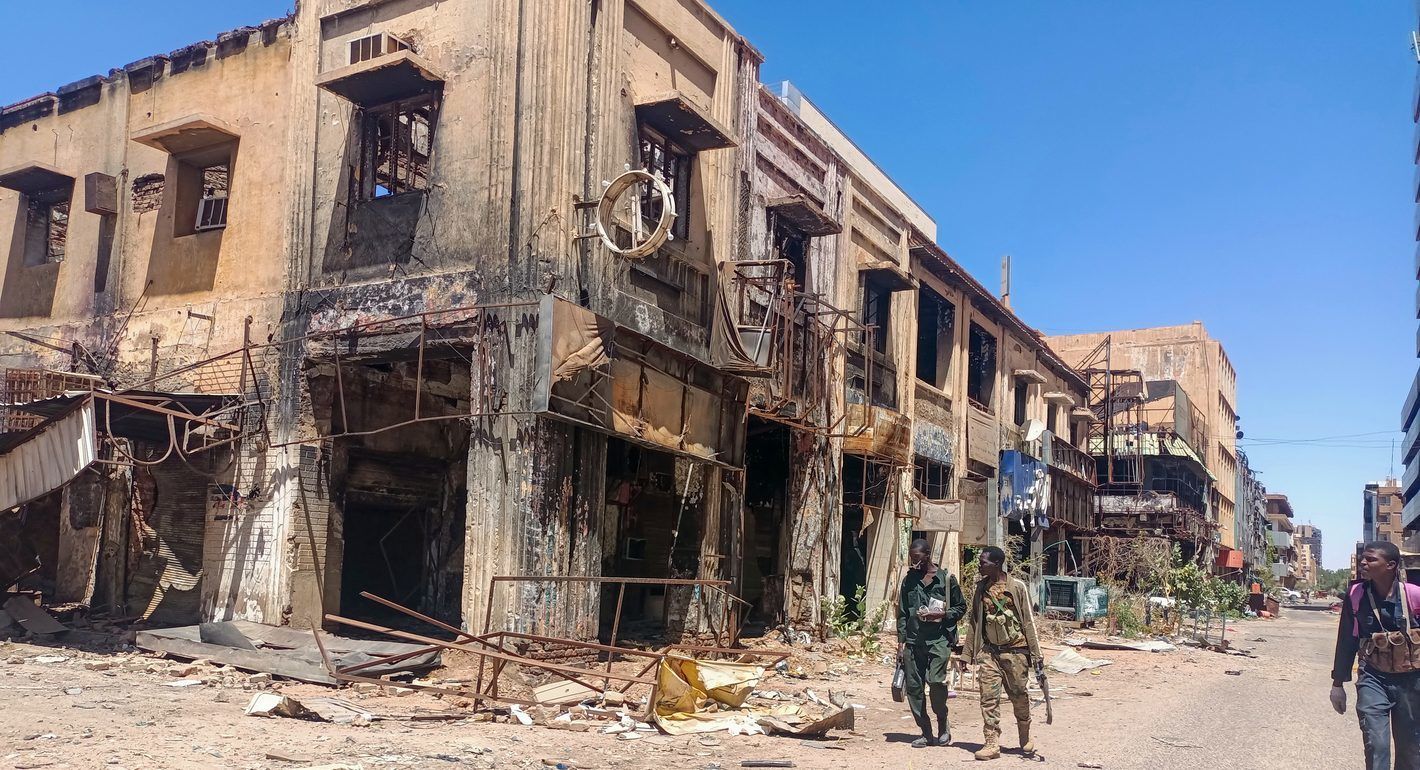
    A War Fueled by Hate Speech: Sudan’s Fall into Fragmentation

    Hate speech has spread across Sudan and become a key factor in worsening the war between the army and the Rapid Support Forces. The article provides expert analysis and historical background to show how hateful rhetoric has fueled violence, justified atrocities, and weakened national unity, while also suggesting ways to counter it through justice, education, and promoting a culture of peace.

      Samar Sulaiman
  • Commentary
    Sada
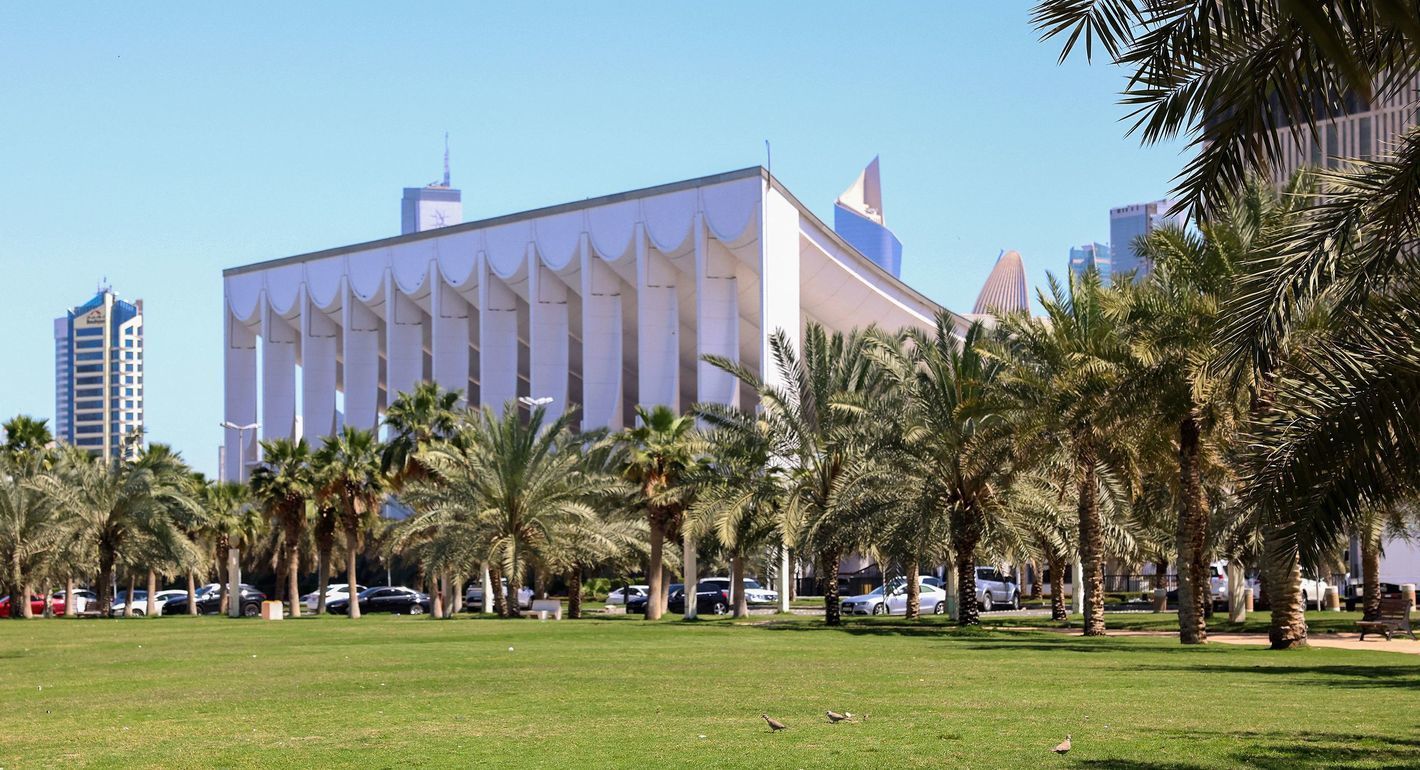
    Kuwait’s Bureaucracy at a Crossroads: Why Government Innovation Stalls and How Analytics Can Reignite Reform

    Kuwait’s government has repeatedly launched ambitious reforms under Kuwait Vision 2035, yet bureaucratic inefficiency, siloed institutions, and weak feedback mechanisms continue to stall progress. Adopting government analytics—real-time monitoring and evidence-based decision-making—can transform reform from repetitive announcements into measurable outcomes.

      Dalal A. Marafie
  • Commentary
    Sada
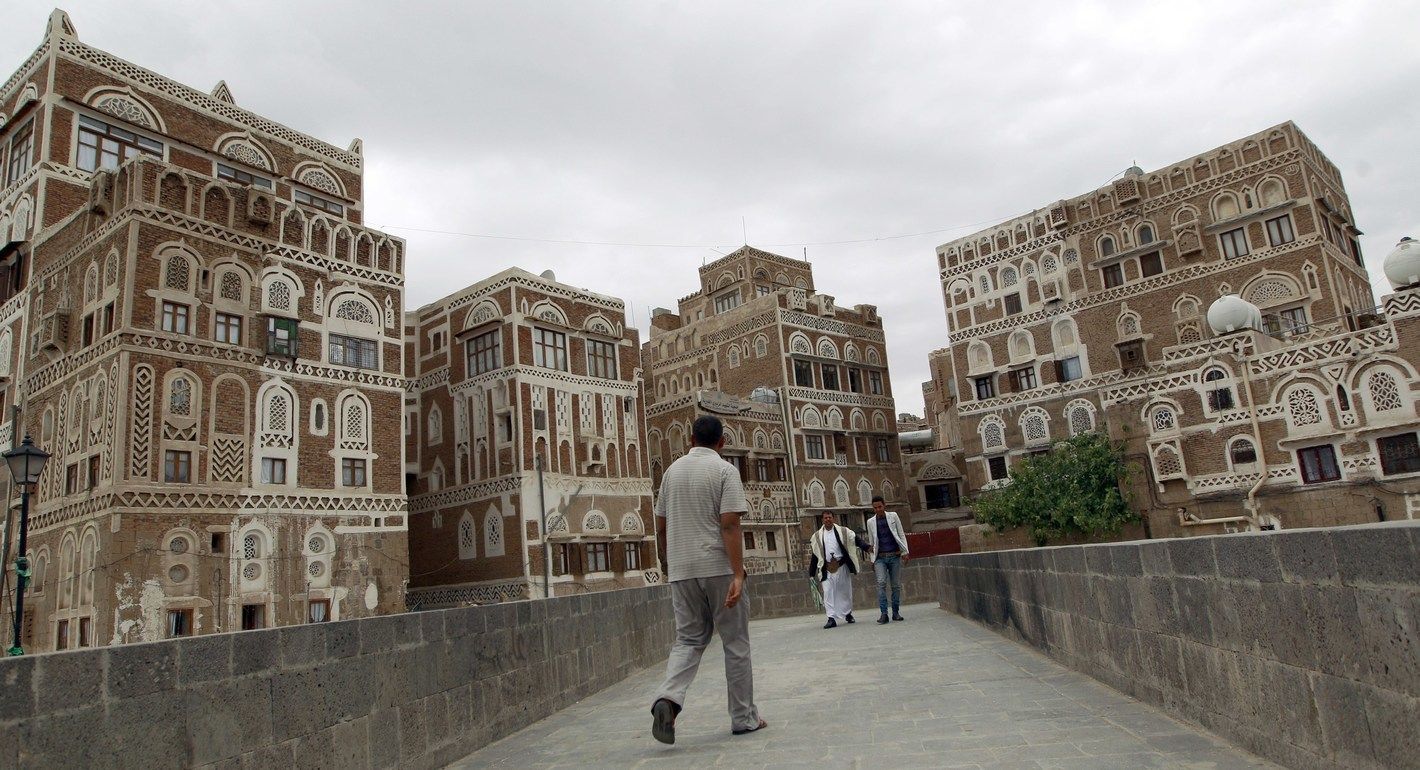
    Sana'a: The Crisis of Chaotic Street Naming and Absent Urban Planning

    The chaos of street naming in Sana’a reflects the deep weakness of the Yemeni state and its failure to establish a unified urban identity, leaving residents to rely on informal, oral naming systems rooted in collective memory. This urban disorder is not merely a logistical problem but a symbolic struggle between state authority and local community identity.

      Sarah Al-Kbat
  • Commentary
    Sada
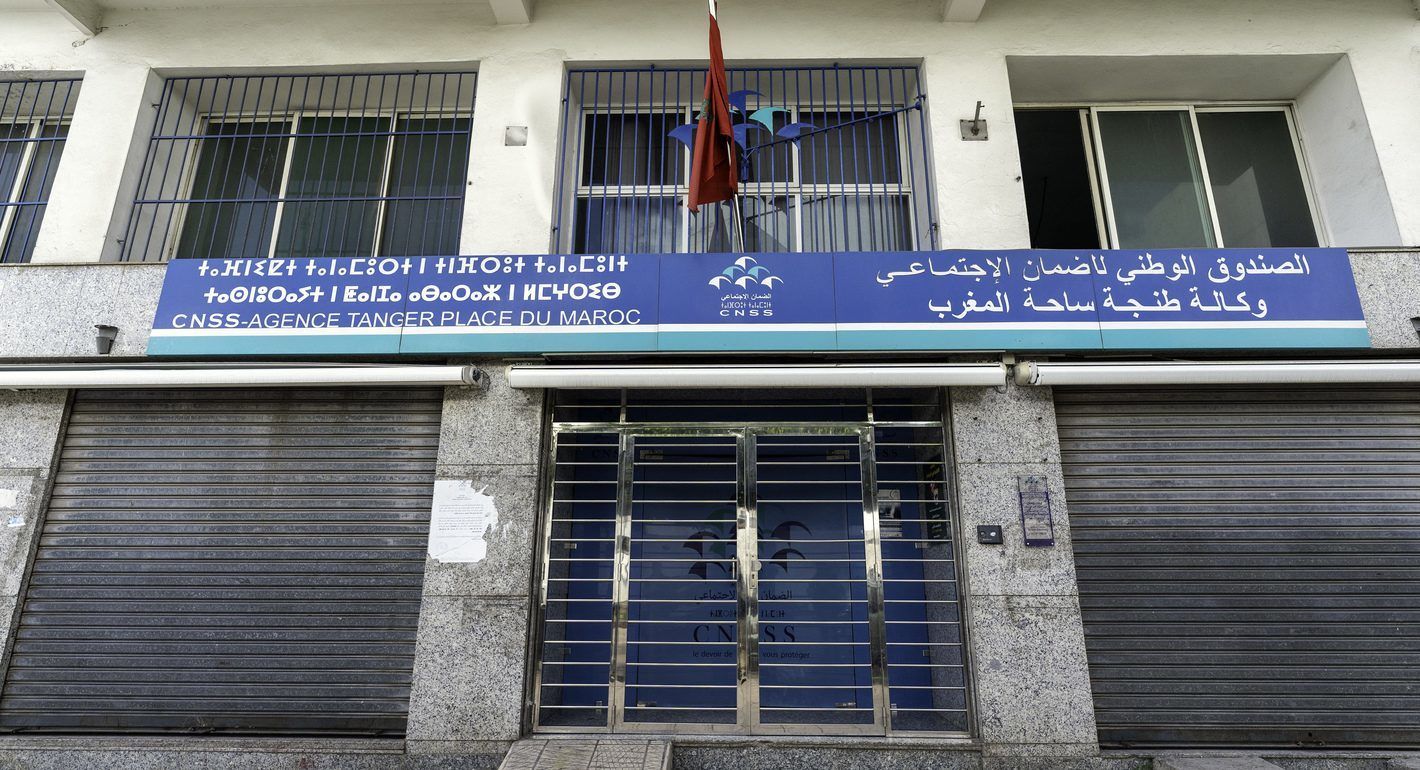
    The Political Economy of Social Data: Opportunities and Risks of Digitizing Morocco’s Social Targeting System

    While Morocco’s shift to a digitized social targeting system improves efficiency and coordination in social programs, it also poses risks of exclusion and reinforces austerity policies. The new system uses algorithms based on socioeconomic data to determine eligibility for benefits like cash transfers and health insurance. However, due to technical flaws, digital inequality, and rigid criteria, many vulnerable families are unfairly excluded.

      Abderrafie Zaanoun

  • Commentary
    Sada
    Saudi Arabia's Cautious Approach to the Syrian Kurds: Balancing Stability and Geopolitical Interests

    Saudi Arabia’s cautious stance on the Syrian Kurds reflects a delicate balance between leveraging Kurdish autonomy to counter Iran’s influence and managing the risks of destabilizing Syria’s territorial integrity. While Saudi Arabia seeks to safeguard its interests in the region, it remains wary of the potential internal and external consequences of supporting Kurdish autonomy.

      Mohammad Salami

Get more news and analysis from
Carnegie Endowment for International Peace
Carnegie global logo, stacked
1779 Massachusetts Avenue NWWashington, DC, 20036-2103Phone: 202 483 7600Fax: 202 483 1840
  • Research
  • Emissary
  • About
  • Experts
  • Donate
  • Programs
  • Events
  • Blogs
  • Podcasts
  • Contact
  • Annual Reports
  • Careers
  • Privacy
  • For Media
  • Government Resources
Get more news and analysis from
Carnegie Endowment for International Peace
© 2026 Carnegie Endowment for International Peace. All rights reserved.