

Commentary
Nathan J. Brown
{
  "authors": [
    "Nathan J. Brown"
  ],
  "type": "commentary",
  "blog": "Sada",
  "centerAffiliationAll": "dc",
  "centers": [
    "Carnegie Endowment for International Peace"
  ],
  "collections": [],
  "englishNewsletterAll": "menaTransitions",
  "nonEnglishNewsletterAll": "",
  "primaryCenter": "Carnegie Endowment for International Peace",
  "programAffiliation": "MEP",
  "programs": [
    "Middle East"
  ],
  "projects": [],
  "regions": [
    "North Africa",
    "Egypt"
  ],
  "topics": []
}

REQUIRED IMAGE
Voter approval of constitutional amendments in Egypt provides a strong boost to the military-led transition process, however the Supreme Council of the Armed Forces has yet to announce the schedule of elections or clarify the electoral procedures that will govern them.
The March 19 vote in favor of constitutional amendments in Egypt provides a strong boost to the military-led transition process and its vigorous electoral schedule. The voter turnout was impressive by Egyptian standards—41 percent of eligible voters, at least double the turnout in any previous national election or referendum—and the victory was overwhelming at 77 percent of voters. But opponents attracted enough votes to make the outcome seem less like the predictable landslides of the authoritarian order. Those who objected to the content of the amendments and—more forcefully—to the process by which they were written and the political sequence they implied marshaled forceful arguments, campaigned hard, and then lost. Thus, Egypt’s transition process will likely rush forward. What are the next steps? The basic sequence of events is clear, but the ruling Supreme Council of the Armed Forces (SCAF) has not revealed many of the details. Nor has it shared decision-making power over the sequence and rules in any serious way.
Constitutional declaration
The amended articles—most of them governing presidential and parliamentary elections—are now clearly in effect. But the rest of Egypt’s constitution remains suspended. Egypt’s military rulers have suggested that they will very shortly issue a declaration indicating how authority will be exercised while Egypt’s parliament and president are elected, which parts of the 1971 constitution will be brought back into effect, and what their own role will be.
Changes to Laws on Political Parties and Electoral System?
The committee that drafted the amendments also prepared amendments to various laws in order to bring them into conformance with the new provisions, but announcement of the changes was postponed until after the referendum. The SCAF is expected to issue those laws, which will likely be designed to make elections freer and fairer, by decree. The SCAF has suggested that it will change the law on political parties, making it much easier for new parties to register; the Muslim Brotherhood is one of the many groups that would likely take advantage of such a change. The SCAF might also move from the current electoral system of individual parliamentary districts to a proportional representation system in which at least some of the seats would be allocated by a party’s share of the national vote instead of giving all of them to the winning candidates in each district. But if the SCAF is planning on such a move, it has not tipped its hand.
Timing of Parliamentary Election
The SCAF has suggested that parliamentary elections will be held before presidential elections; last week one of its members argued forcefully that attempts to reverse the sequence and have the president elected first (as some have suggested would be preferable because parliamentary elections will be much more complicated than presidential) might simply deliver another dictator. But the generals have also suggested that they may push parliamentary elections back from May or June (when they originally suggested they might be held) until September. This is likely a response to those who claim that Egypt’s party system is simply not sufficiently organized for elections in two or three months.
Presidential Election
The SCAF initially suggested that it might hold the presidential election in the late summer or early fall; if parliamentary elections are postponed until September, then the presidential election might be pushed back until the end of the year.
Under new nomination procedures contained in the constitutional amendments, a party that gains at least a single seat in the upcoming parliamentary elections will be able to nominate a candidate. (If the Brotherhood is able to form a party and does gain seats, it has said it will not run its own candidate this time but it might still throw its weight behind one of the candidates who is running.) Independent candidates can get on the ballot either by getting a certain number of endorsements by parliamentary deputies or gathering signatures (30,000) from eligible voters.
Already some candidates have announced they will run. Most prominent are:
Writing a New Constitution
After the new parliament and president are elected, the provisional constitution allows (and, according to a reading endorsed by a SCAF member, actually requires) a constituent assembly to be selected to draft an entirely new constitution. While the opponents to the amendments wished to have this done as the first rather than the last step, they will ultimately get their wish for an entirely new document.
Nathan Brown is a professor of political science and international affairs at George Washington University and a nonresident senior scholar at the Carnegie Endowment for International Peace.

Nonresident Senior Fellow, Middle East Program
Nathan J. Brown, a professor of political science and international affairs at George Washington University, is a distinguished scholar and author of nine books on Arab politics and governance, as well as editor of five books.
Recent Work
Nathan J. Brown
Nathan J. Brown
Carnegie does not take institutional positions on public policy issues; the views represented herein are those of the author(s) and do not necessarily reflect the views of Carnegie, its staff, or its trustees.
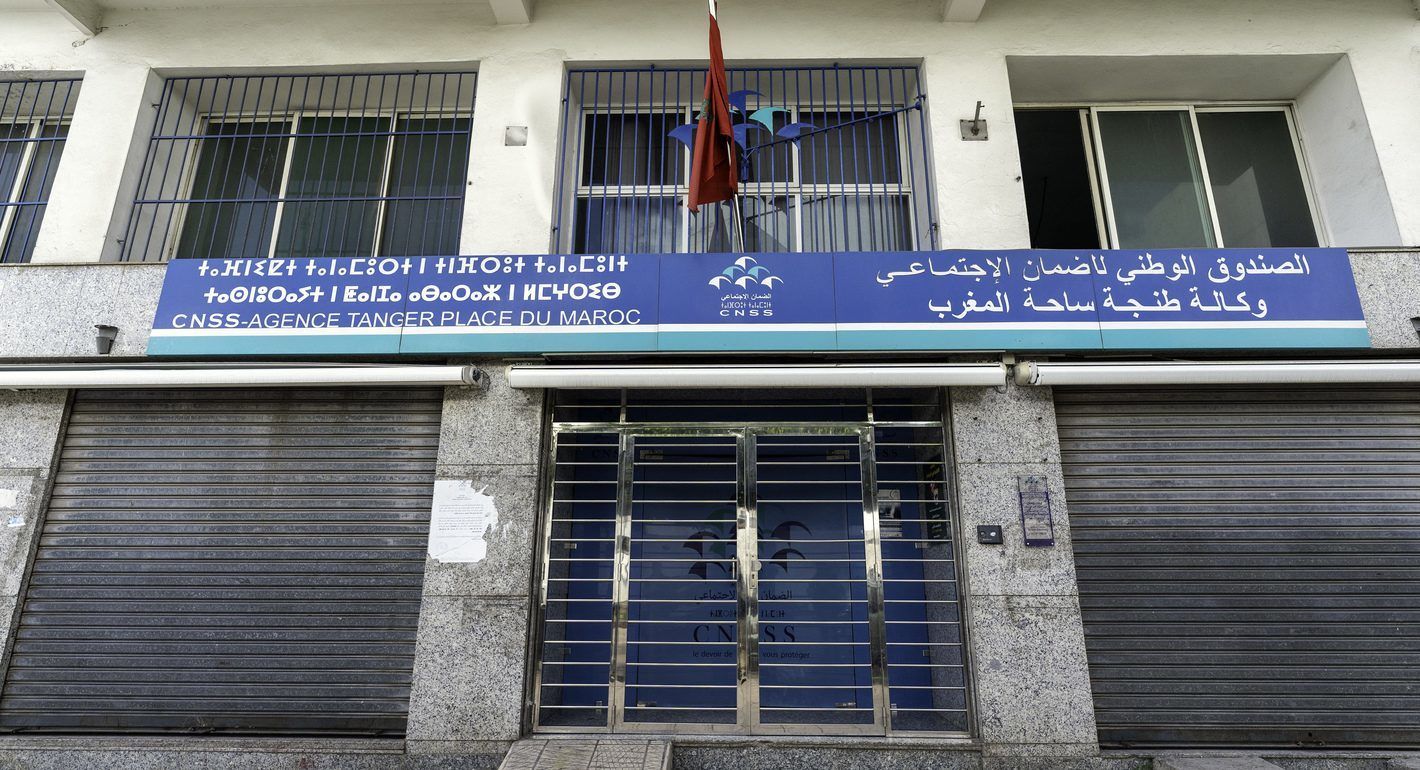
While Morocco’s shift to a digitized social targeting system improves efficiency and coordination in social programs, it also poses risks of exclusion and reinforces austerity policies. The new system uses algorithms based on socioeconomic data to determine eligibility for benefits like cash transfers and health insurance. However, due to technical flaws, digital inequality, and rigid criteria, many vulnerable families are unfairly excluded.
Abderrafie Zaanoun
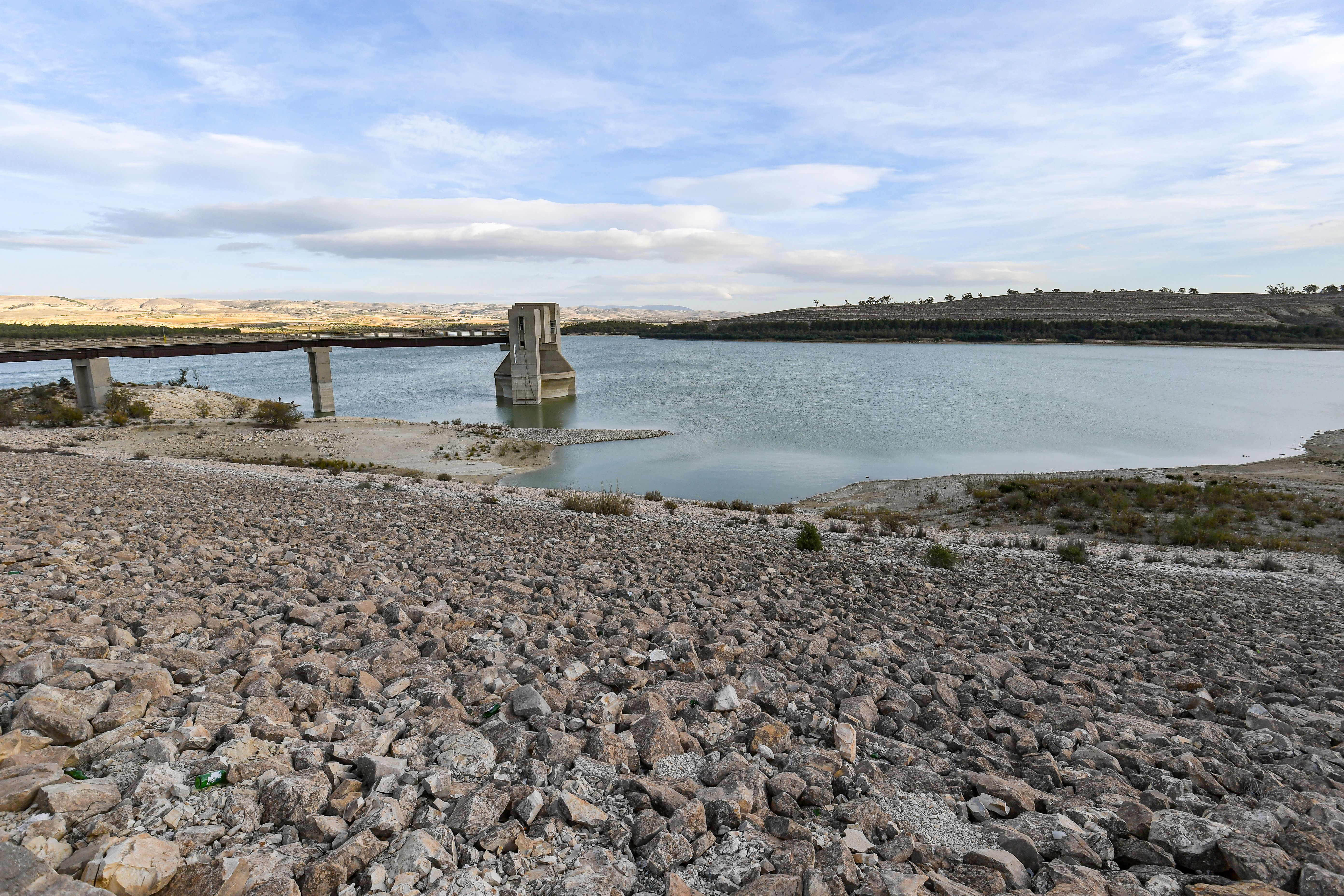
Tunisia is facing a worsening water crisis characterized by widespread protests over access to potable water, particularly in rural areas with underdeveloped supply networks. This situation is exacerbated by climate change, outdated agricultural policies, and industrial water consumption, necessitating comprehensive policy reforms to secure Tunisians’ constitutional right to water and ensure equitable access across the country.
Noura Omar
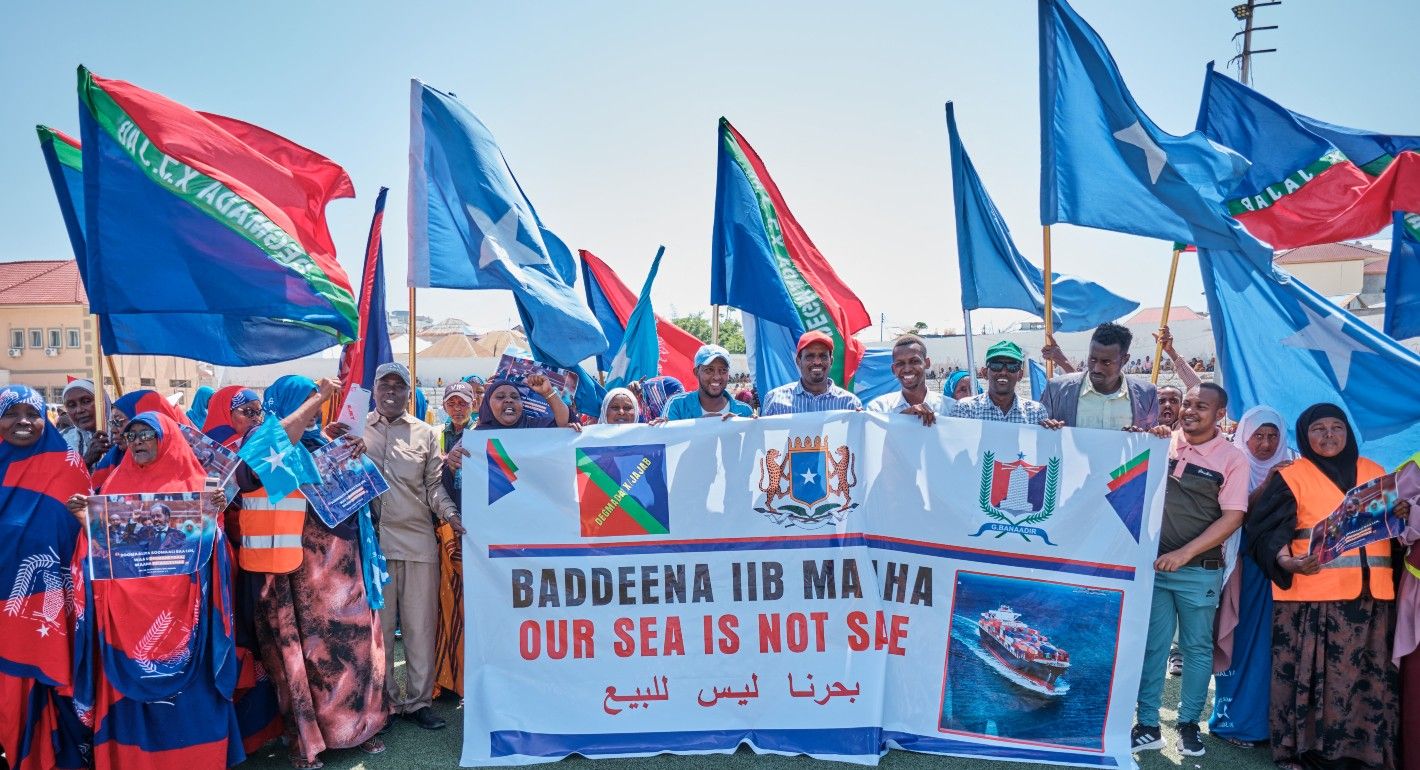
As hegemonic Ethiopian ambitions threaten stability in the Horn of Africa, Somalia is building strategic alliances regionally and internationally to counter Ethiopia’s growing political and military influence.
Hisham Qadri Ahmed
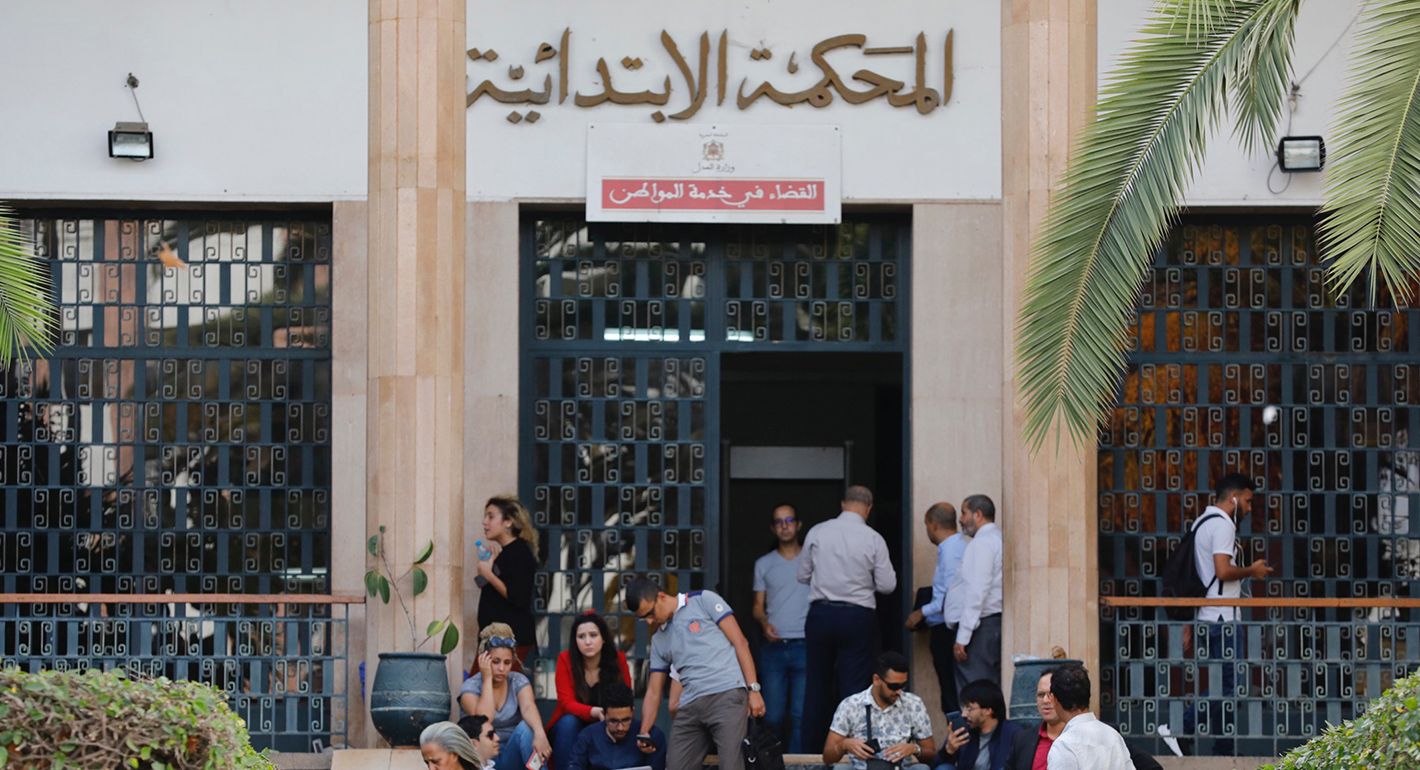
The Moroccan government’s decision to bar civil society from filing public actions in cases of public fund and property offenses has stirred debate, with critics warning it sidelines crucial players in the fight against corruption.
Hasan Al-Ashraf
Morocco's Atlantic Initiative seeks to transform the geostrategic landscape of the Sahel and Sub-Saharan regions amid a wave of coups fueled by economic and social decline.
Abderrafie Zaanoun