• Research
  • Emissary
  • About
  • Experts
Carnegie Global logoCarnegie lettermark logo
DemocracyIran
  • Donate
{
  "authors": [
    "Intissar Fakir"
  ],
  "type": "commentary",
  "blog": "Sada",
  "centerAffiliationAll": "",
  "centers": [
    "Carnegie Endowment for International Peace"
  ],
  "collections": [],
  "englishNewsletterAll": "",
  "nonEnglishNewsletterAll": "",
  "primaryCenter": "Carnegie Endowment for International Peace",
  "programAffiliation": "",
  "programs": [],
  "projects": [],
  "regions": [
    "North Africa",
    "Morocco"
  ],
  "topics": []
}

Attribution logo
REQUIRED IMAGE

REQUIRED IMAGE

Commentary
Sada

Will Morocco’s King Deliver on Reforms?

The king has promised significant constitutional reforms; will he allow changes that would lessen his own powers?

Link Copied
By Intissar Fakir
Published on Mar 16, 2011
Sada

Blog

Sada

Sada is an online journal rooted in Carnegie’s Middle East Program that seeks to foster and enrich debate about key political, economic, and social issues in the Arab world and provides a venue for new and established voices to deliver reflective analysis on these issues.

Learn More

King Mohammed VI’s March 9 pledge to sponsor broad constitutional reforms following moderately-sized protests on February 20 distinguishes him from other leaders in the region, most of whom have offered too little in terms of reforms and offered them too late in the process of uprisings to make a difference. On the surface, King Mohammed’s proposed reforms are significant. But the lack of specifics about the depth of these reforms creates doubt in view of past experiences.  
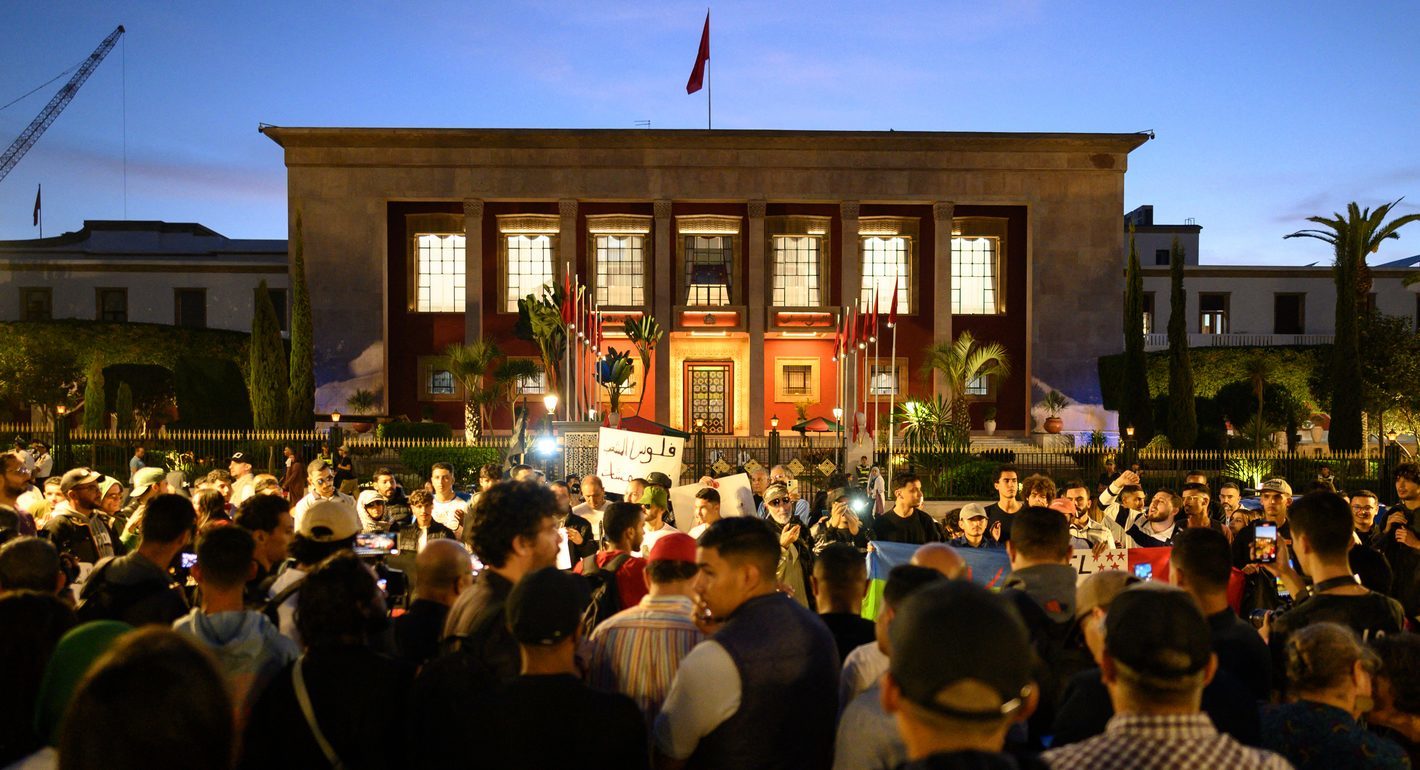
King Mohammed announced in a televised speech a process of constitutional change that will be put to a popular referendum. Proposed reforms would increase the parliament’s powers in unspecified ways, create a more independent judiciary, and grant elected officials executive powers at the provincial and local level within a decentralization scheme first introduced in 2010. Decentralization will redistribute power from an appointed governor to new regional representatives to be elected by the people. Under the reforms, the prime minister would have greater executive powers, and the revised constitution would contain greater assurances of political and civil liberties and human rights.  
 
A commission headed by constitutional law expert Abdelatif Mennouni is tasked with consulting with representatives of labor unions, political parties, civil society, and other interest groups to discuss the scope of these reforms over the coming months. The 18-member commission will include representatives from professional syndicates and human rights groups (such as Amina Bouayach of the Moroccan Organization of Human Rights), political activists, judges, as well as technocrats such as Omar Izziman and Lahcen Oulhaj (who represents Amazigh/Berber interests). The committee’s recommendations will be reviewed in June and then put to a national referendum. The king indicated that as soon as these reforms are ratified, they will be implemented.
 
For reformists, the king’s proposal is promising, but some skepticism remains. The largest parties—Istiqlal, the Socialist Union of Popular Forces (USFP), and the Islamist Party of Justice and Development (PJD)—have lauded the initiative and hailed the king as a statesman, while some on the left have criticized the appointed commission, saying it should have been elected and pointing out that many of those on the committee (particularly Mennouni) are too close to the monarchy. Most of the organizers of February 20 protests reacted in much the same way; they indicated that the commission does not represent them and demanded a decisive stand against corruption, release of political prisoners, and greater freedom of the press. All are waiting to see whether reforms will impose any checks on the king’s powers, the true test of their credibility. 
 
Mohammed VI’s approach fits a strategy that he has adopted since taking the throne in 1999, when he distanced himself from the repressive policies of his father Hassan II. Among his first acts as a new sovereign was to dismiss Driss al-Basri, his father’s feared interior minister and close confidant. Mohammed VI supported the leftist-dominated of Abdelrahman al-Yussoufi, an outspoken critic of the policies of King Hassan II. At that moment Morocco seemed on the way to real change. The al-Yussoufi government started with high hopes and undertook an agenda of progressive reforms, but much of what was promised never materialized.
 
Nonetheless, the king emerged from this experience with a popular reputation as a reformer, while the politicians and technocrats were blamed for the failures of what he billed as foray into progressive politics. What followed was ten years of superficial change suggesting that the king was more concerned with making an early impression than with embarking on genuine reform. 
 
The new chapter of promised constitutional reform could turn out to be similar in the sense that the king is once again outmaneuvering elected officials. The initial response of the government to the February 20 protests—promising to create jobs for several thousand recent university graduates—was a transparent attempt to tame and co-opt youth groups. The king’s subsequent initiative calls on groups across the political spectrum to take ownership of the reforms and become accountable for their failure or success. Even if this initiative is genuine, it will put pressure on the politicians who have clamored for a chance to lead and have long complained that the king does not give them room to operate.
 
Mohammed VI is trying to get out in front of demands for change rather than be chased by them. What is still unclear is whether he will agree to reforms that would place checks on his power and move Morocco toward becoming a true constitutional monarchy.  For now at least and until the protesters speak again, the 47-year-old king is trying to cement his position by making himself an ally of the protesters rather than their target. 
 
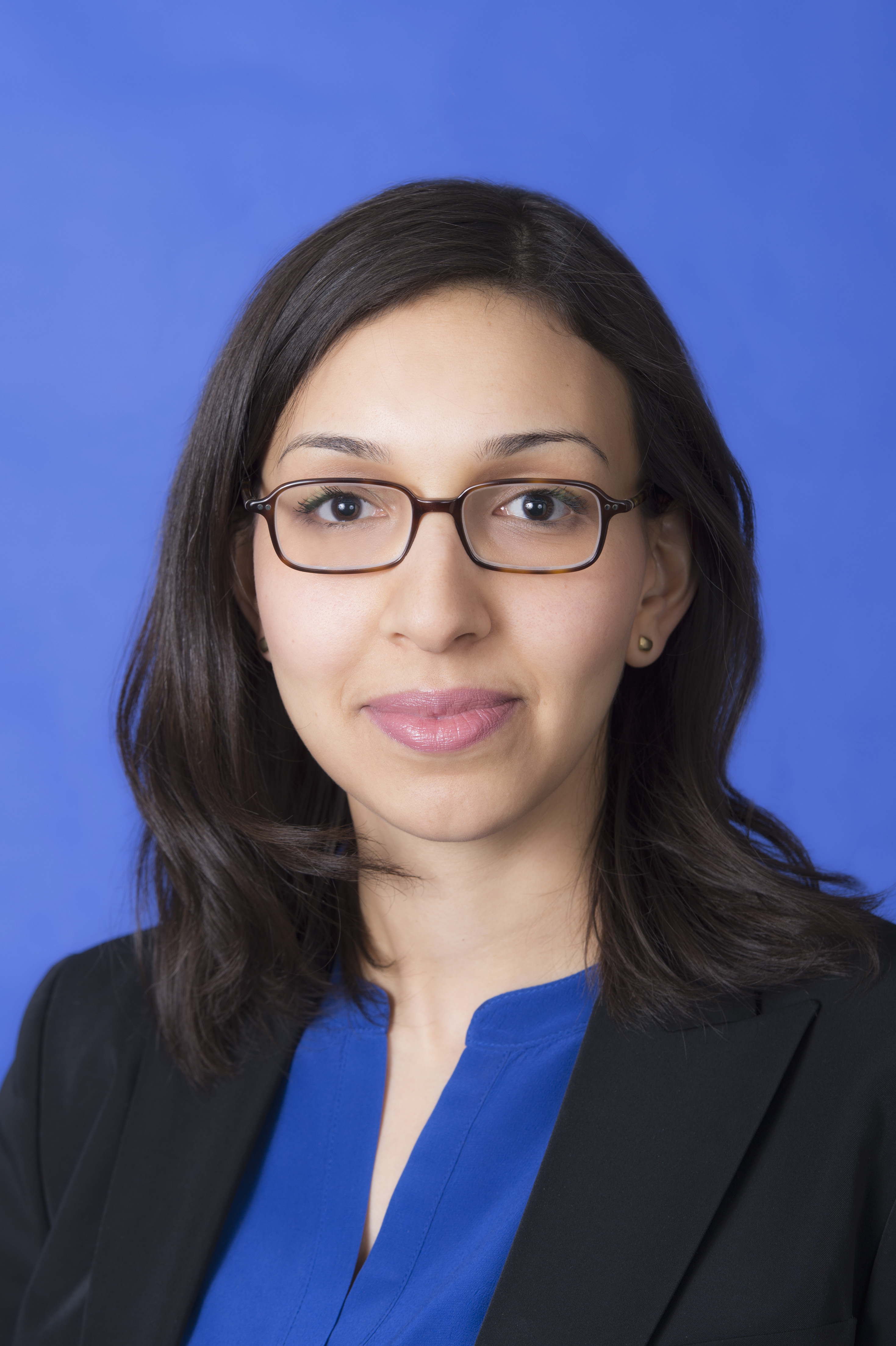
Intissar Fakir is a special assistant to the Deputy President of the National Endowment for Democracy. The views expressed in this article do not reflect those of the National Endowment for Democracy.  
 

About the Author

Intissar Fakir

Former Fellow, Middle East Program, Editor in Chief, Sada

Intissar Fakir was a fellow and editor in chief of Sada in Carnegie’s Middle East Program.

    Recent Work

  • Commentary
    A Conflict That Time Forgot

      Intissar Fakir

  • Commentary
    Interview with Moroccan Human Rights Activist Maâti Monjib

      Maâti Monjib, Intissar Fakir

Intissar Fakir
Former Fellow, Middle East Program, Editor in Chief, Sada
Intissar Fakir
North AfricaMorocco

Carnegie does not take institutional positions on public policy issues; the views represented herein are those of the author(s) and do not necessarily reflect the views of Carnegie, its staff, or its trustees.
More Work from Sada

  • Commentary
    Sada
    Sub-Saharan African Migrants in Morocco: Security Concerns and the Test of Human Rights

    Is Morocco’s migration policy protecting Sub-Saharan African migrants or managing them for political and security ends? This article unpacks the gaps, the risks, and the paths toward real rights-based integration.

      Soufiane Elgoumri
  • Commentary
    Sada
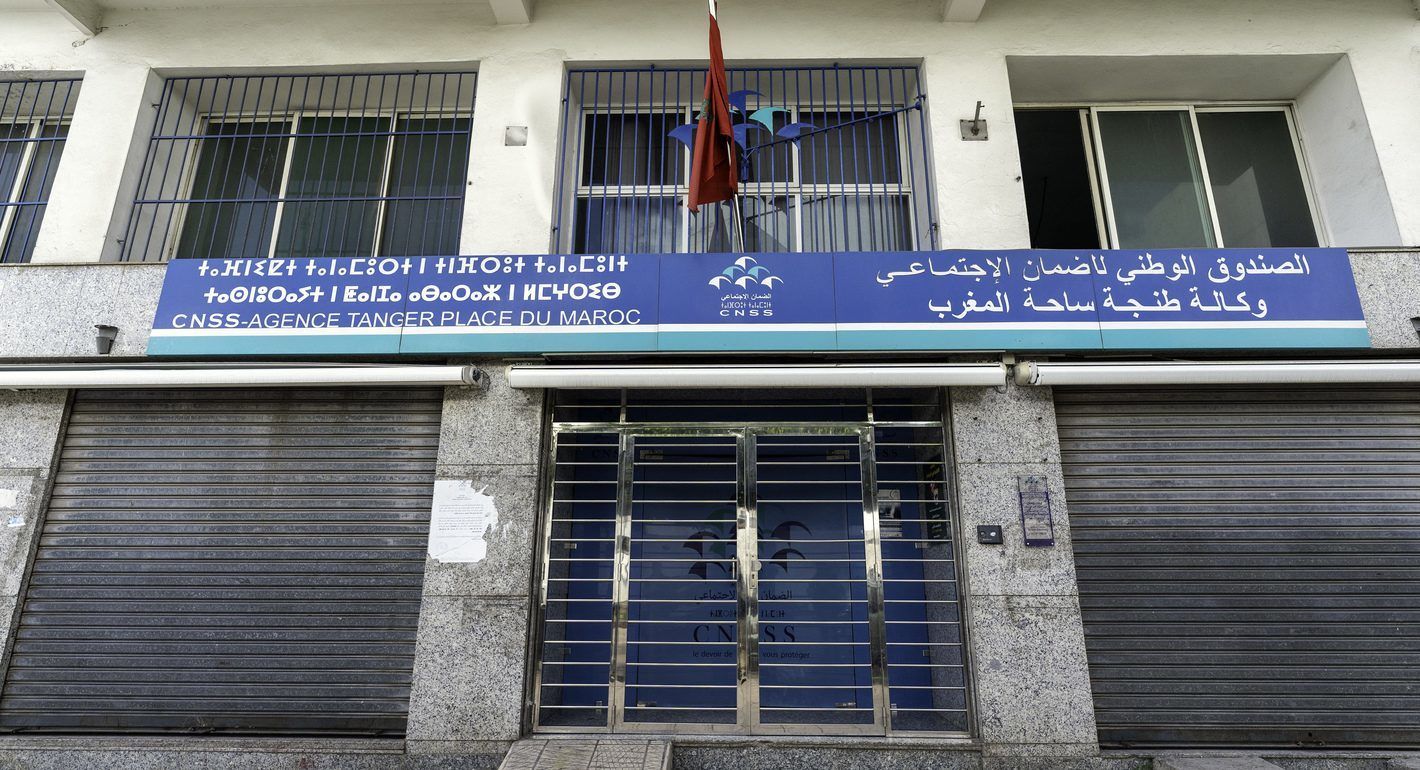
    The Political Economy of Social Data: Opportunities and Risks of Digitizing Morocco’s Social Targeting System

    While Morocco’s shift to a digitized social targeting system improves efficiency and coordination in social programs, it also poses risks of exclusion and reinforces austerity policies. The new system uses algorithms based on socioeconomic data to determine eligibility for benefits like cash transfers and health insurance. However, due to technical flaws, digital inequality, and rigid criteria, many vulnerable families are unfairly excluded.

      Abderrafie Zaanoun
  • Commentary
    Sada
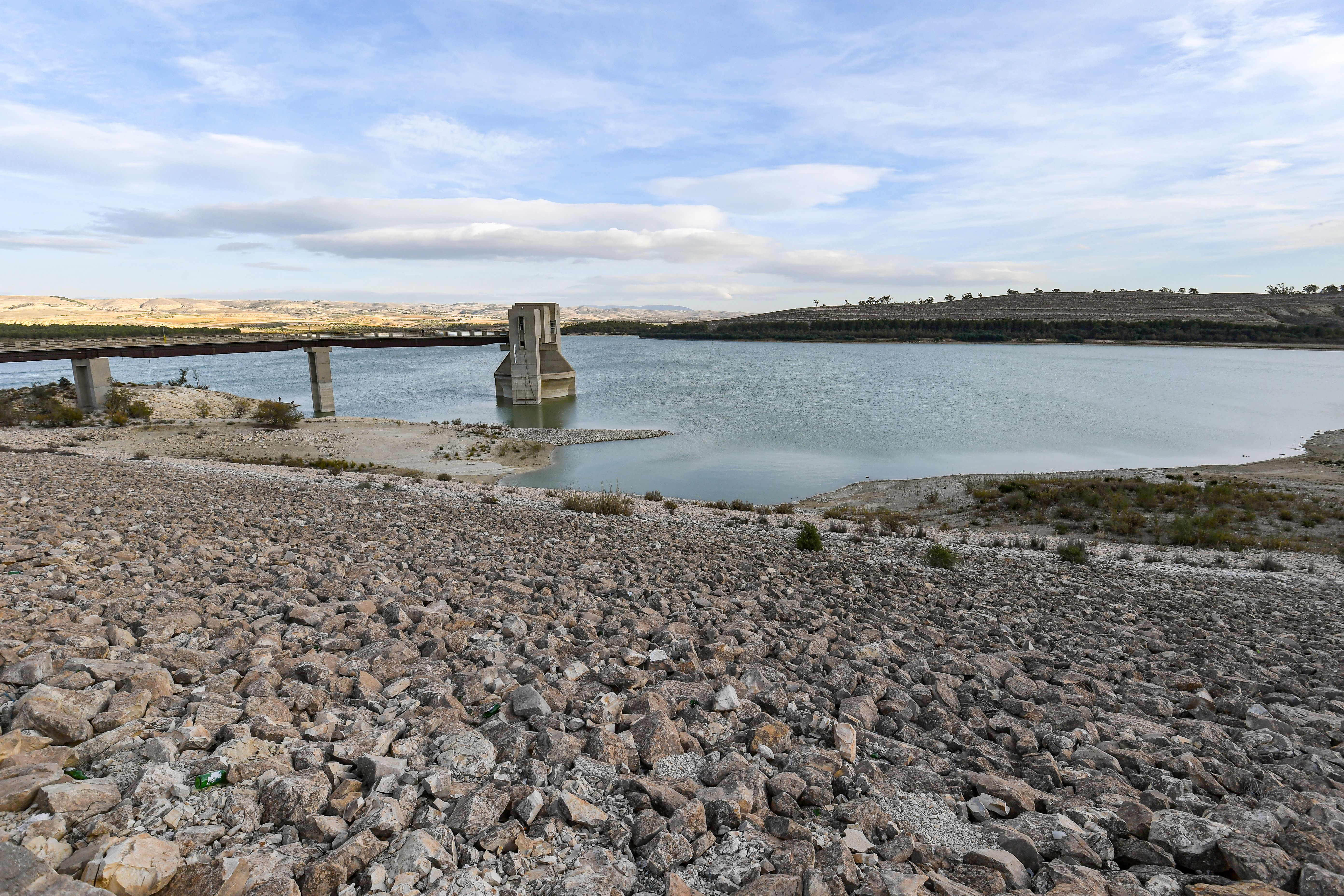
    Securing Tunisia's Constitutional Right to Water: Policy Solutions

    Tunisia is facing a worsening water crisis characterized by widespread protests over access to potable water, particularly in rural areas with underdeveloped supply networks. This situation is exacerbated by climate change, outdated agricultural policies, and industrial water consumption, necessitating comprehensive policy reforms to secure Tunisians’ constitutional right to water and ensure equitable access across the country.

      Noura Omar
  • Commentary
    Sada
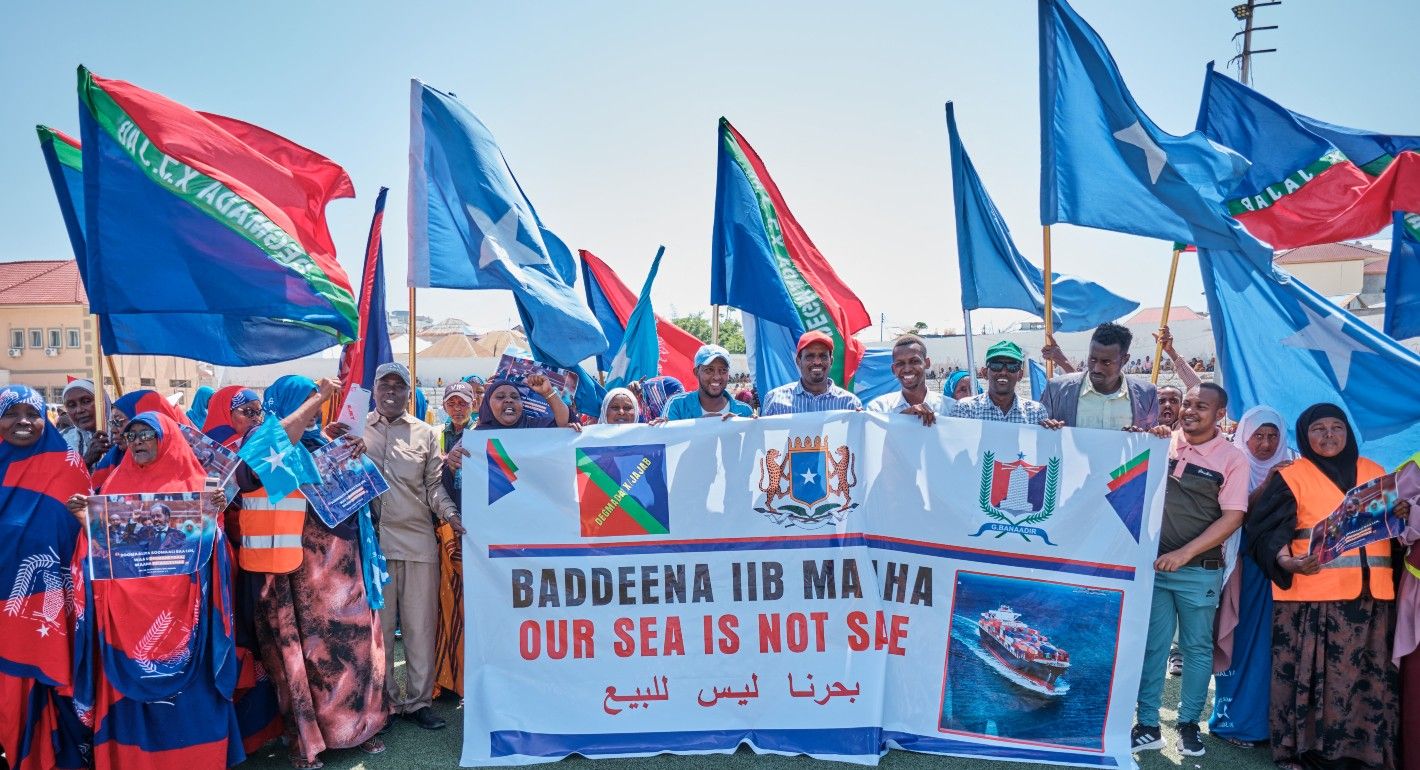
    Somalia’s Strategic Counterbalance to Ethiopian Influence in the Horn of Africa

    As hegemonic Ethiopian ambitions threaten stability in the Horn of Africa, Somalia is building strategic alliances regionally and internationally to counter Ethiopia’s growing political and military influence.

      Hisham Qadri Ahmed

  • Commentary
    Sada
    Morocco’s New Restrictions on Civil Society: A Setback for Anti-Corruption Efforts

    The Moroccan government’s decision to bar civil society from filing public actions in cases of public fund and property offenses has stirred debate, with critics warning it sidelines crucial players in the fight against corruption.

      Hasan Al-Ashraf

Get more news and analysis from
Carnegie Endowment for International Peace
Carnegie global logo, stacked
1779 Massachusetts Avenue NWWashington, DC, 20036-2103Phone: 202 483 7600Fax: 202 483 1840
  • Research
  • Emissary
  • About
  • Experts
  • Donate
  • Programs
  • Events
  • Blogs
  • Podcasts
  • Contact
  • Annual Reports
  • Careers
  • Privacy
  • For Media
  • Government Resources
Get more news and analysis from
Carnegie Endowment for International Peace
© 2026 Carnegie Endowment for International Peace. All rights reserved.