

Research
- +6
Yasmine Farouk, Nathan J. Brown, Maysaa Shuja Al-Deen, …
{
  "authors": [
    "Anouar Boukhars"
  ],
  "type": "commentary",
  "blog": "Sada",
  "centerAffiliationAll": "",
  "centers": [
    "Carnegie Endowment for International Peace"
  ],
  "collections": [],
  "englishNewsletterAll": "",
  "nonEnglishNewsletterAll": "",
  "primaryCenter": "Carnegie Endowment for International Peace",
  "programAffiliation": "",
  "programs": [],
  "projects": [],
  "regions": [
    "North Africa",
    "Morocco"
  ],
  "topics": []
}

REQUIRED IMAGE
The Gulf Cooperation Council (GCC) has invited the Kingdom of Morocco to join. However, there are concerns over the effects joining the GCC could have on political reforms promised by King Mohammed VI.
In the face of the extraordinary revolutions of 2011, the conservative monarchies of the Gulf Cooperation Council (GCC) have gone into self-preservation mode, bolstering their defensive capabilities, recalibrating their security alliances, and expanding their partnerships. The counter-revolutionary chieftain of the club, Saudi Arabia, has taken the lead in organizing a patterned response to what it perceives as a populist and doctrinal attack on the existing order.
It is in this context that the GCC opened its institutional doors to Jordan and Morocco, which happen to share the same religious identification and threat perception and had long sought the financial benefits that come with GCC membership. Reliable allies of the GCC, the Jordanian and Moroccan monarchies have stationed thousands of security officers in the Gulf for decades – partnerships that the GCC states see as critical in this time of upheavals. For their part, Jordan and Morocco need desperately to address the fiscal deficits generated by the recent expansion of state subsidies and significant increases in civil servant wages and pensions.
Morocco as a Gulf State?
In Morocco, the regime cautiously welcomed the invitation to join the club of the superrich in the Middle East, in contrast to the more enthusiastic welcome Jordan gave to the initiative. Morocco has always enjoyed privileged partnerships with most of the Gulf countries, but given its physical distance from the Gulf, cultural differences, and close ties with Europe, membership in the GCC was never seriously contemplated, at least not during the reign of King Mohammed VI. The young monarch does not have the close personal connections that his father had with Gulf leaders, nor has he maintained King Hassan’s active involvement in Arab causes.
Mohammed VI certainly wants his strategic relations with the GCC to deepen, however, in order to bolster Morocco’s regional political power and the geopolitical framing of its conflict with neighboring oil-rich Algeria. The latter has used its oil bonanza to step up its defense spending as well as its diplomatic offensive in order to shore up support for the Polisario separatists and their secessionist claims on the Moroccan-controlled Western Sahara.
In a tense climate of rivalry and mistrust, Morocco has been struggling to keep up with the Algerian military spending spree and maintain the precarious balance of power in the Maghreb. Deepening political and economic ties with the GCC will provide a major diplomatic, political, and economic boost. The Saudis are known to have helped finance several Moroccan military purchases, and further such assistance is needed. Morocco is also in need of an upgrade of Gulf countries’ financial investments in the Kingdom, as well as easier work permits for its legions of unemployed.
Despite the many advantages that a closer association with the GCC would bring to Morocco, the public reaction was one of bewilderment and derision. The timing of the initiative is suspect in the eyes of many Moroccans, who fear that Gulf monarchies are pressing the Moroccan monarch to scale back the reforms to which he committed in a March 9 televised address. Unlike previous promises, the king set out a clear timetable for enshrining the separation of powers, the independence of the judiciary, and parameters for decentralization in the constitution. He also allowed protests to proceed largely unhindered, freed political prisoners, and empowered the National Human Rights Council and the Competition Council with additional competencies.
Former Nonresident Fellow, Middle East Program
Boukhars was a nonresident fellow in Carnegie’s Middle East Program. He is a professor of countering violent extremism and counter-terrorism at the Africa Center for Strategic Studies, National Defense University.
Recent Work



Yasmine Farouk, Nathan J. Brown, Maysaa Shuja Al-Deen, …

Frederic Wehrey, Nathan J. Brown, Bader Al-Saif, …
Carnegie does not take institutional positions on public policy issues; the views represented herein are those of the author(s) and do not necessarily reflect the views of Carnegie, its staff, or its trustees.
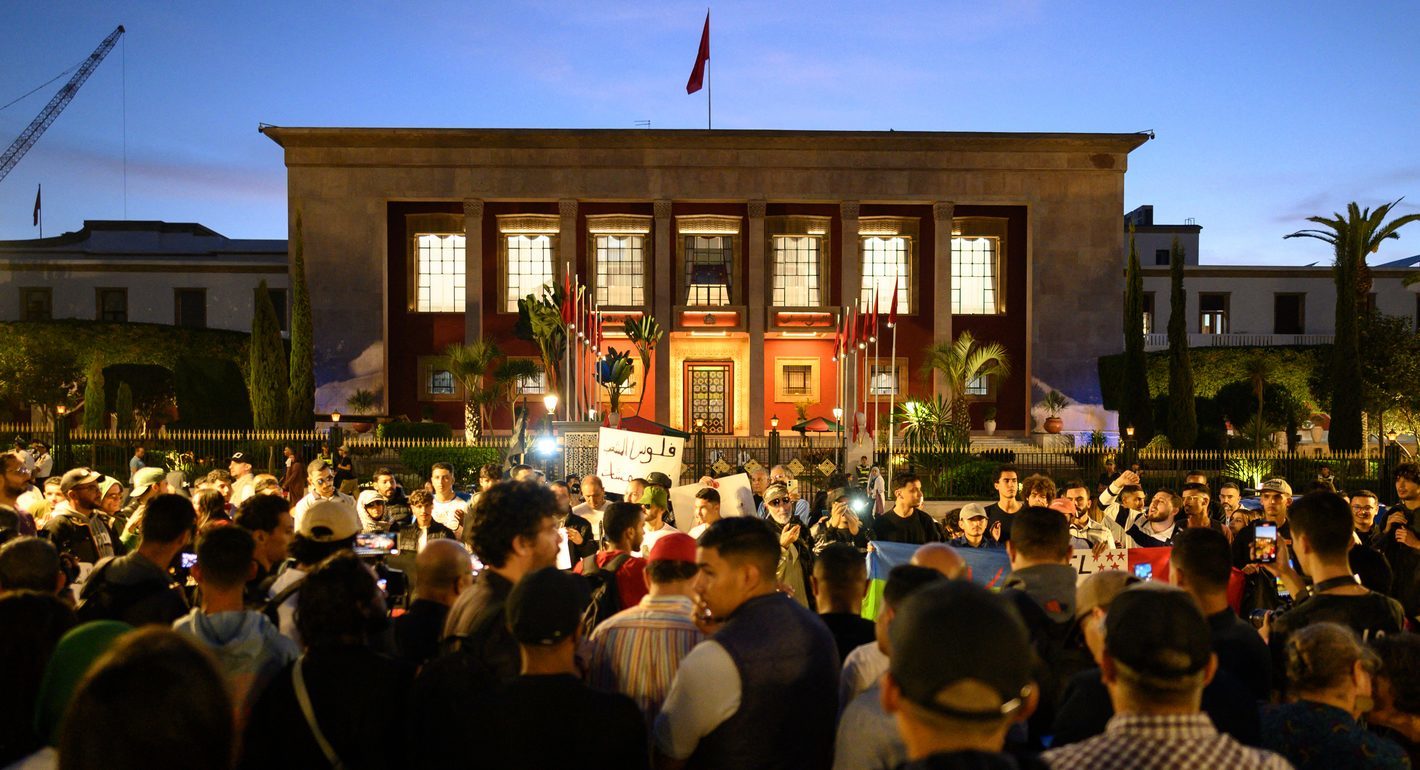
From anime heroes to online gaming communities, Morocco’s Gen Z is building a new protest culture. What does this digital imagination reveal about youth politics, and how should institutions respond?
Abdelilah Farah
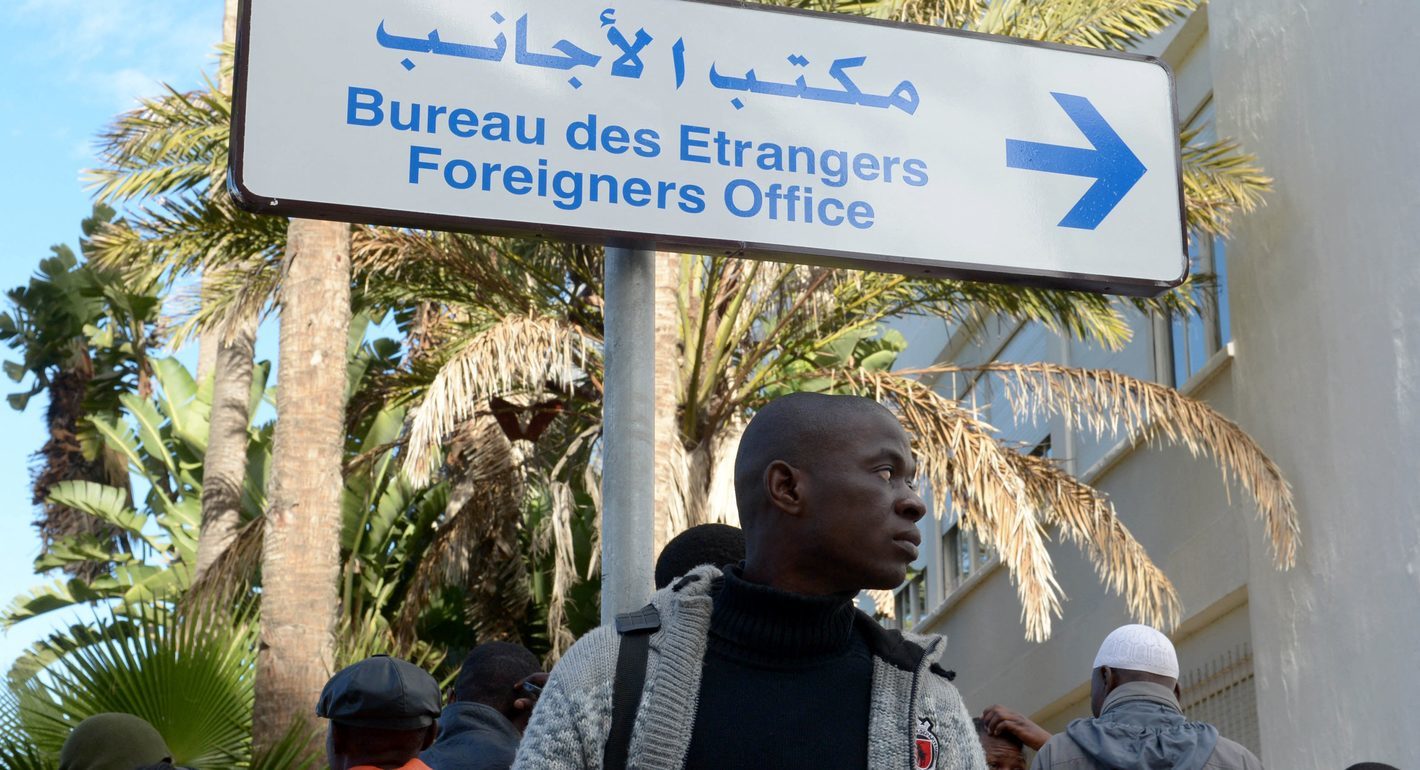
Is Morocco’s migration policy protecting Sub-Saharan African migrants or managing them for political and security ends? This article unpacks the gaps, the risks, and the paths toward real rights-based integration.
Soufiane Elgoumri
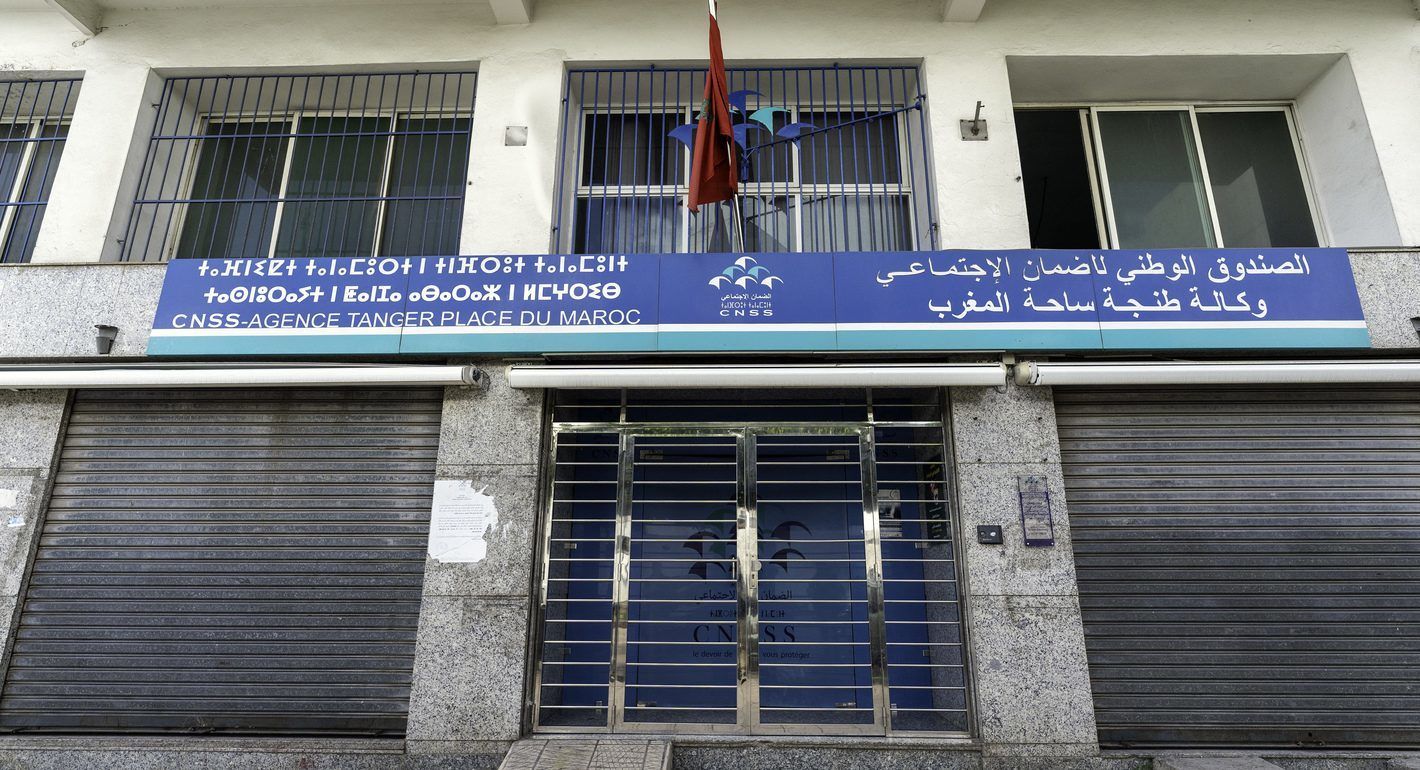
While Morocco’s shift to a digitized social targeting system improves efficiency and coordination in social programs, it also poses risks of exclusion and reinforces austerity policies. The new system uses algorithms based on socioeconomic data to determine eligibility for benefits like cash transfers and health insurance. However, due to technical flaws, digital inequality, and rigid criteria, many vulnerable families are unfairly excluded.
Abderrafie Zaanoun

Tunisia is facing a worsening water crisis characterized by widespread protests over access to potable water, particularly in rural areas with underdeveloped supply networks. This situation is exacerbated by climate change, outdated agricultural policies, and industrial water consumption, necessitating comprehensive policy reforms to secure Tunisians’ constitutional right to water and ensure equitable access across the country.
Noura Omar
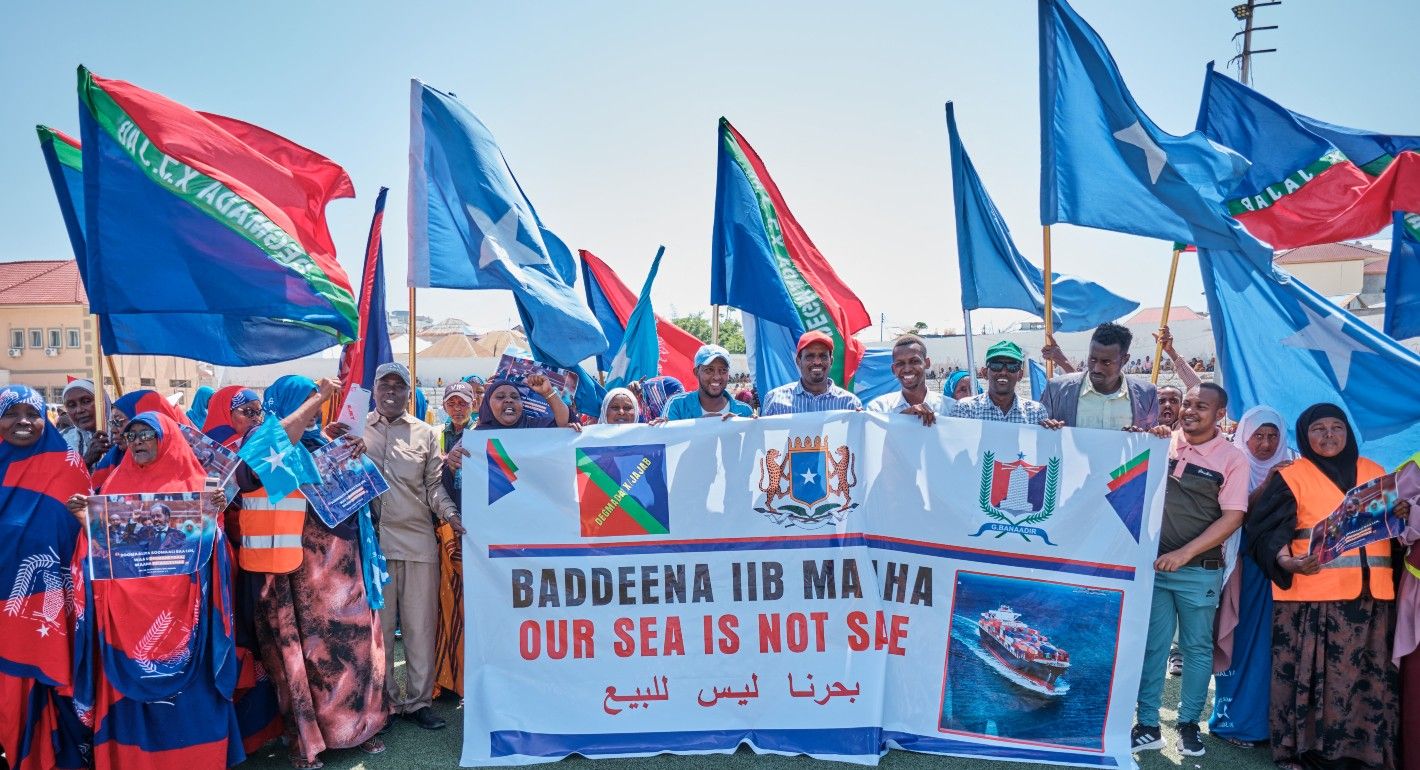
As hegemonic Ethiopian ambitions threaten stability in the Horn of Africa, Somalia is building strategic alliances regionally and internationally to counter Ethiopia’s growing political and military influence.
Hisham Qadri Ahmed