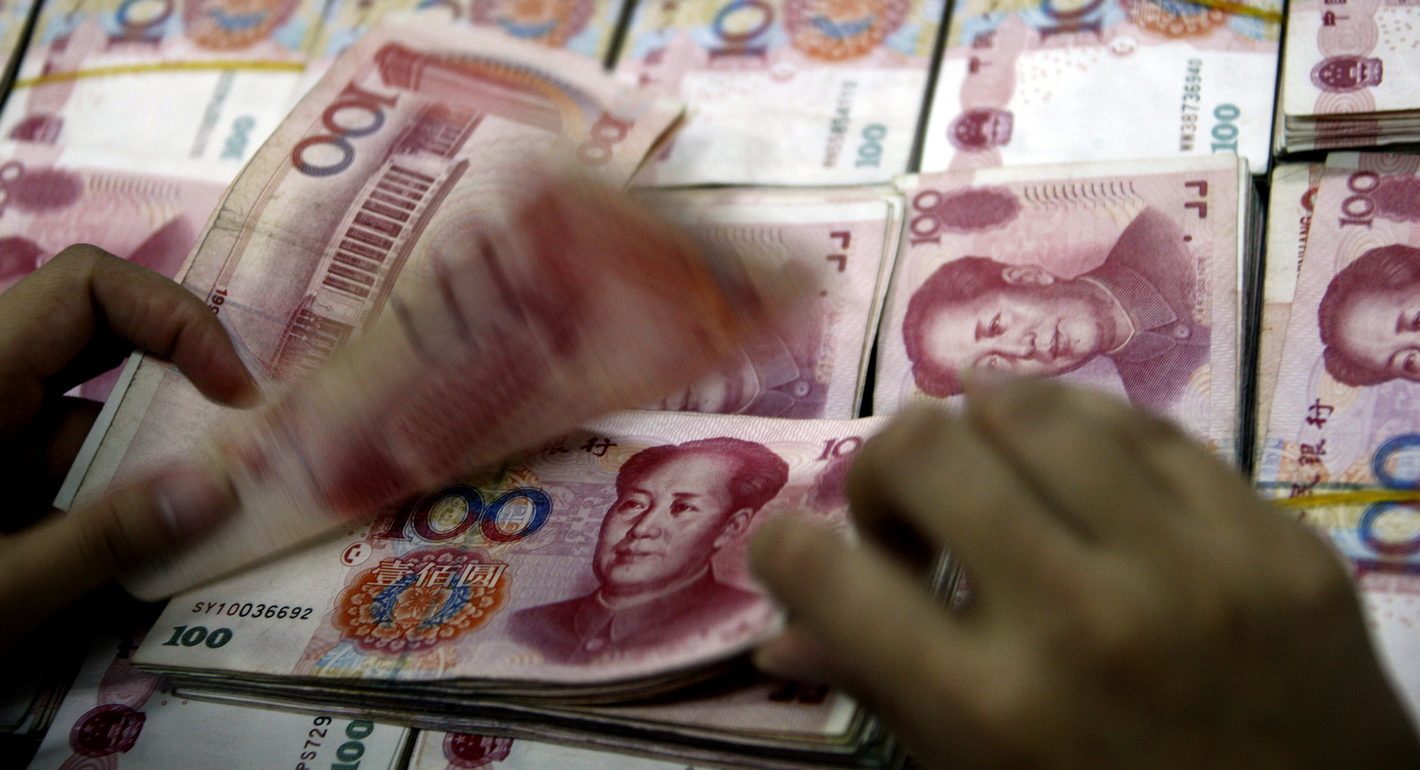
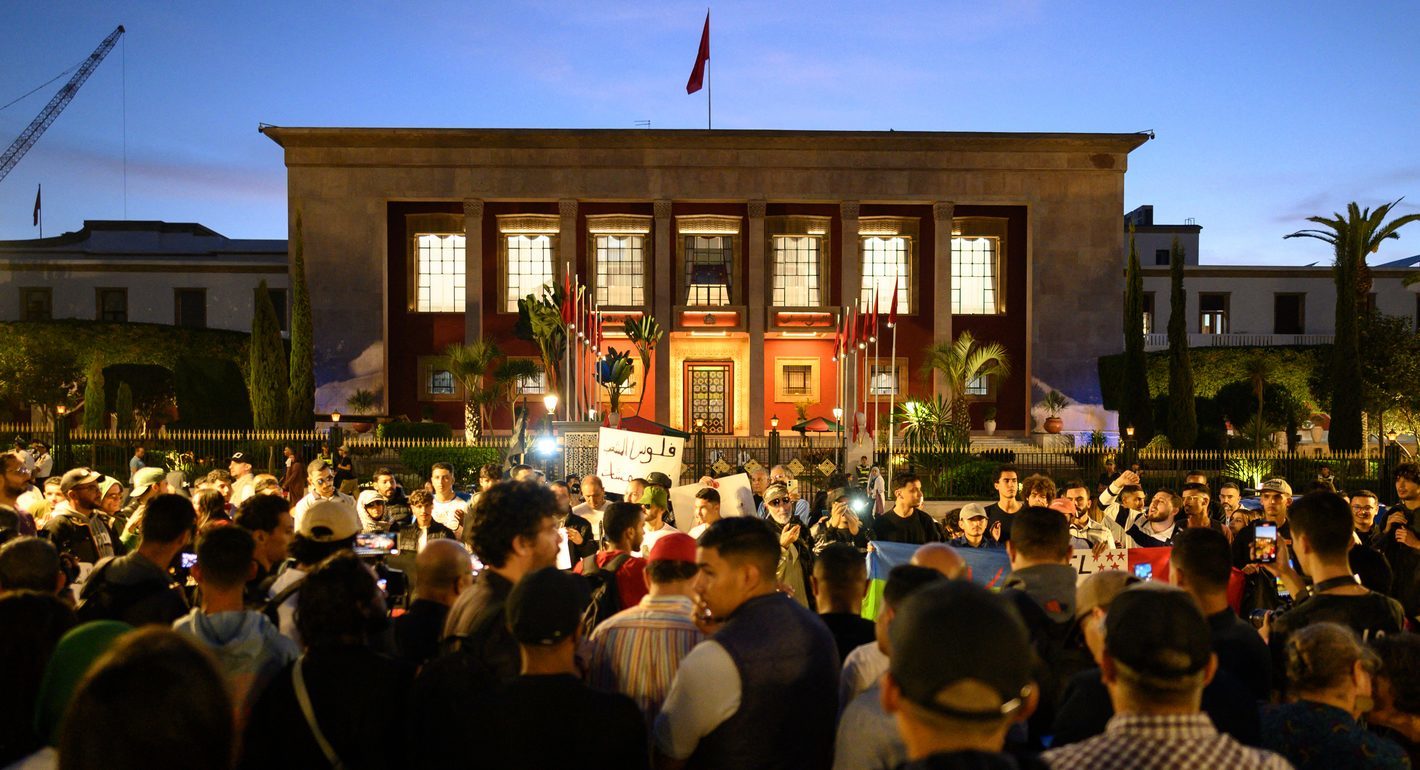
Following their Security Council veto against a new Syrian resolution on October 4, Russia and China have emerged as villains who, according to US ambassador the United Nations Susan Rice, “would rather sell weapons to the Syrian regime than stand with the Syrian people.” And while Syrian opposition activists agree and burn Chinese and Russian flags in protest, the Syrian regime ponders publicly adopting the Ruble and the Yuan for what remains of the country's international trade. Criticism of the two countries’ veto obscures the inconvenient truth that the blame for international inaction is not theirs alone. Rather, the United States and Europe appear only half-willing, and are entirely incapable of anything substantial to stop human rights abuses in Syria, or help the country’s opposition in its struggle against the regime.
Economic sanctions—the first diplomatic weapon of choice—do not require international consensus to have a serious impact. And although only a few countries have the ability to influence the Syrian economy, they acted slowly and sent mixed signals. Since the beginning of the uprising, Syrian activists have pointed out that most of the country’s oil (which accounts for an estimated 30 % percent of overall export revenue) goes to only a handful of European countries: Germany and Italy each amounting to a third, followed by France and the Netherlands with a rough 10%, and Austria and Spain with slightly more than 5%. Yet it took the European Union almost six months (September 2) to ban oil imports from Syria. The decision also stopped short of ordering companies that provide services to Syria for pumping (like Total or Shell) to pull out altogether—fearful lest Chinese or Russian companies scoop operations in their stead. This might be a moot point, as no oil would be pumped if there are no buyers; and
reports indicate that oil extraction was all but suspended by late September. But this raises doubts as to whether Europeans are ready to put their money where their mouths are.
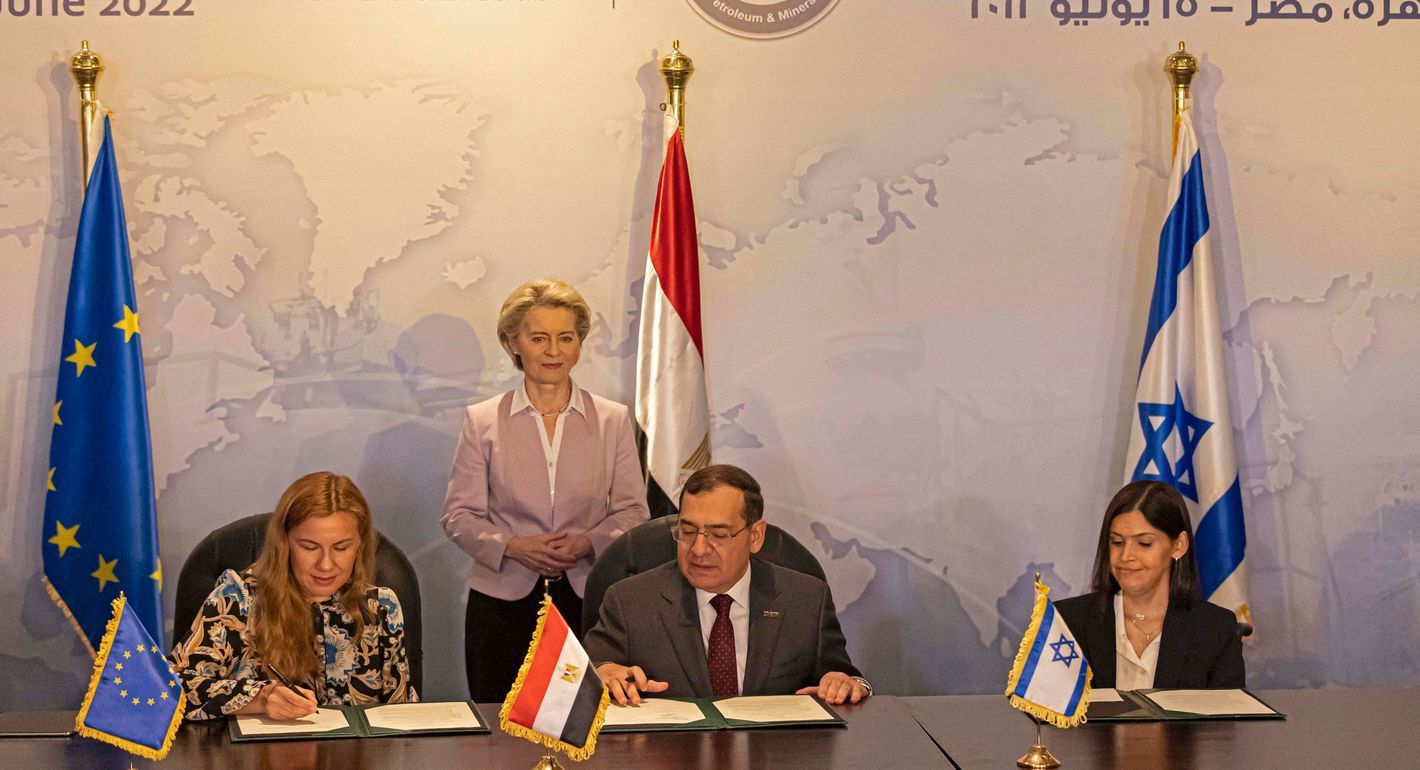
Similarly on October 13, German technology giant Siemens inked a 305 million Euro deal with the Syrian ministry of electricity to expand a major power station. Even if the expected external funding for this project is not forthcoming under the current conditions, Minister of Electricity Imad Khamis was
quoted referring to the European Investment Bank (as well as unspecified “Arab funds”).
Once implemented, these sanctions have seriously affected the Syrian economy, even despite their slow start-up. Yet there are no signs still that they fulfill the desired strategic objective of motivating the Syrian economic elite to exert pressure on the regime, or forcing main players in the power structure to contemplate a change of tack—or even leadership. In the clearest expression how serious the situation may be, Syria’s ministry of economy on September 24 banned most imports except raw materials and grains, so as to preserve precious foreign currency reserves. It took the Syrian business community only a week to pressure the government into revoking the decision—how these imports will be paid for is still a question unanswered. Obviously, the economic elite can make itself heard in the halls of power, but so far it has only used this leverage to protect its own immediate interests and has not pushed for a fundamental change. The objective of driving a wedge between the economic elite and the ruling clique faces the additional and perhaps insurmountable difficulty that a significant proportion of these economic actors owe their favorable position and business models to the current regime— and many fully overlap with the regime. They have little reason to expect that they will be able to protect their interests if the House of Assad were to crumble.
Moving beyond the collusion between the business community and the state, it is doubtful whether economic sanctions could increase popular pressure against authoritarian regimes. As the case of neighboring Iraq demonstrates, under conditions of crippling scarcity and growing insecurity, people are liable to depend more on those who wield power and patronage. Syrian citizens may be in for a potentially prolonged phase where an increasingly destitute society competes desperately for the favors of those holding the spoils of power, while entirely unaccountable pro-regime militias impose themselves a defenseless population.
Only the credible threat of military action that might lead to a loss of power might deter a regime determined to remain at any cost, and controls its society sufficiently enough to impose the cost of its own survival upon it. Such a credible threat does not exist in the case of Syria, and the rulers in Damascus know it. No one in Europe (and so far, only a few in Washington) has shown any appetite to repeat the Libyan experience—particularly because Syria looks more likely to turn into a second Iraq than into another Libya, where no serious rifts have emerged within the military. There are no “liberated” territories where a military challenge to the regime can be created and sustained. Airstrikes (perhaps as part of a campaign to impose a no-fly zone for humanitarian purposes) are equally unlikely to undermine a regime whose anti-imperialist rhetoric still resounds with a sizable part of the population—as a result of ideological conviction or out of fear that Syria may go down the same path of instability and sectarian mayhem that followed the American-led occupation of Iraq. Mindful of the controversial nature of foreign intervention, the “Syrian National Council,” a broad opposition platform established in Istanbul in late September, has been wavering over the question, and demands “international protection” instead. But the question remains: how effective is “protection”—especially absent a credible option to apply force?
Thus, any country or coalition planning for military action against Syria would have to brace its public for the enormous cost and potentially high casualties occurring with a ground operation against a well-equipped army which is still supported by a sizable part of the population. And that is not to even mention the nightmare scenario of becoming embroiled in another quagmire of sectarian strife once central authority collapses in the face of invading armies and the forces of repression disintegrate to sectarian lines. Militias will form and engage in a bloody settling of scores and competition over “liberated” spoils.
The apparent insincerity of the Russo-Chinese position has allowed some countries that only very recently came out as enthusiastic supporters of Arab democracy to cast themselves somewhat disingenuously in the role of valiant defenders of the oppressed Arab peoples. Yet the righteous rhetoric and flurry of efforts to organize the exiled Syrian opposition can barely conceal how little can actually be done to bring that change about. The brave people in Syria who pay with life and limb for their hopes to shake off the yoke of the Baath regime should not be fooled: They are on their own.