

Commentary
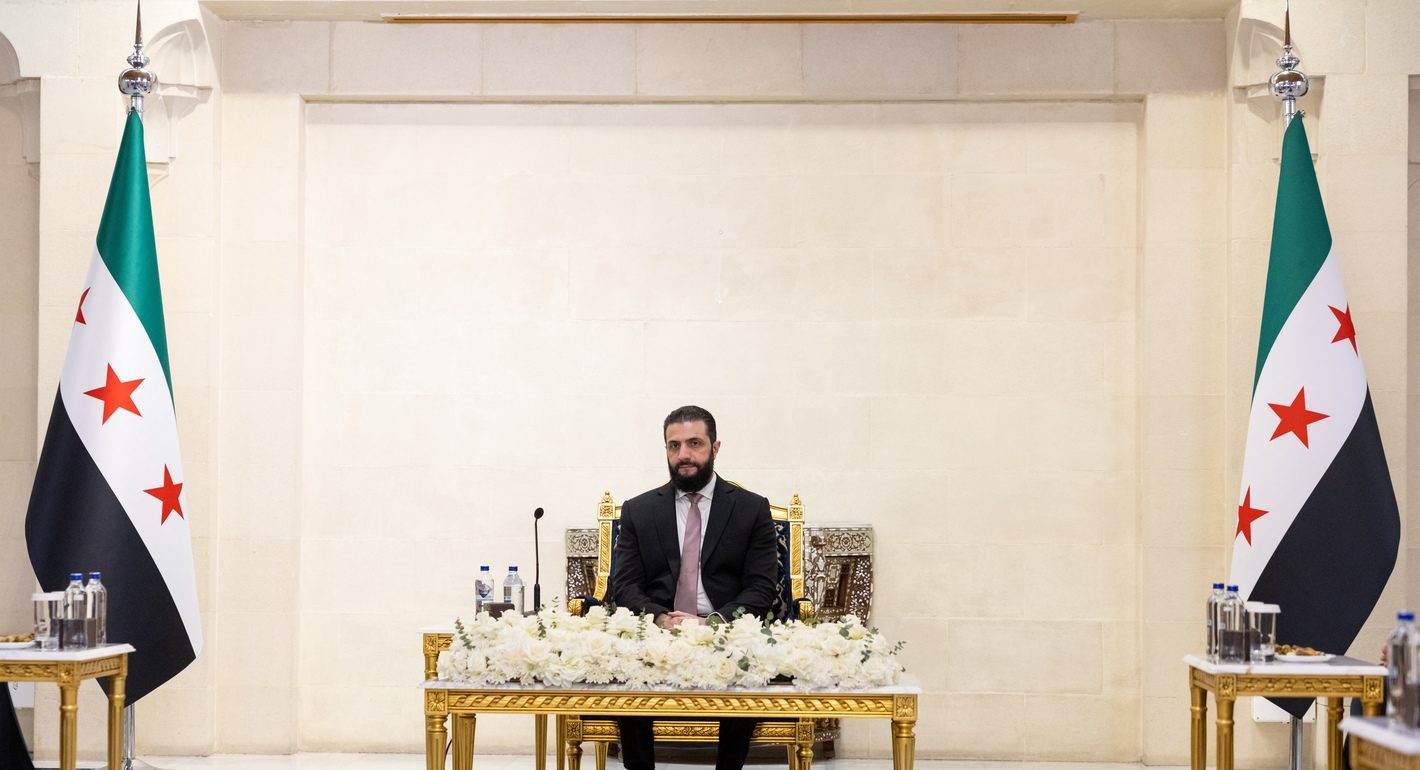
Syria's transition promised a fresh start. But are old habits of power making a comeback? This analysis looks at the warning signs and what it will take to build a more accountable state.
Sima Beitinjaneh
{
  "authors": [
    "Joseph Mayton"
  ],
  "type": "commentary",
  "blog": "Sada",
  "centerAffiliationAll": "",
  "centers": [
    "Carnegie Endowment for International Peace"
  ],
  "collections": [],
  "englishNewsletterAll": "",
  "nonEnglishNewsletterAll": "",
  "primaryCenter": "Carnegie Endowment for International Peace",
  "programAffiliation": "",
  "programs": [],
  "projects": [],
  "regions": [
    "North Africa",
    "Egypt"
  ],
  "topics": [
    "Democracy",
    "Civil Society",
    "Religion"
  ]
}
Source: Getty
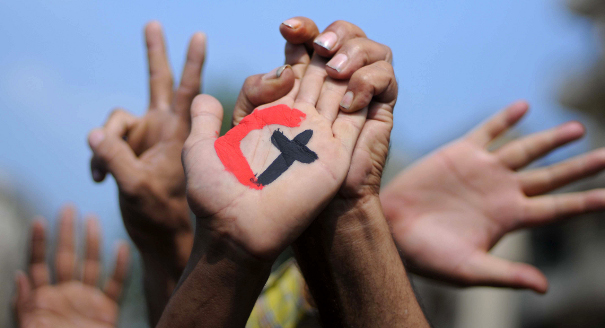
The establishment of “inalienable” rights for all Egyptians is perhaps the most positive step for assisting the full political and social integration of Egypt’s sectarian minorities.

Christians in Egypt are no strangers to sectarian violence, and even after the hopeful solidarity shown in the first waves of the January 25 Revolution, the past year has nonetheless witnessed a number of attacks on churches from the districts of Imbaba in Cairo to Aswan in the south. The governing Supreme Council of the Armed Forces hasn’t been helping either, even to the point of instigating violence on state television—the most infamous incident being the October massacre of 27 outside the Maspero state television station. Egypt’s ten million Christian adherents seem, for the most part, largely uncertain of how to play their hand in the new political climate.
There have been some positive signs. The Muslim Brotherhood has largely done its best to support and protect Christians. Amr Derrag, the head of the Muslim Brotherhood’s Freedom and Justice Party (FJP) in the Giza governorate recently told me in an interview that, in a government led by his party, “all Coptic Christians would have equal rights under the law and there would be no persecution.” On Coptic Christmas (January 7) Brotherhood-sponsored groups headed out to “protect” a number of churches throughout Cairo and prevent a repeat of the past two years’ incidents of sectarian violence which occurred on or around Orthodox Christmas; last year, 21 were killed in an Alexandria car bombing, and in 2010 seven Copts were machine-gunned down leaving Christmas Mass in Nag Hammadi. Maspero Youth Union activist Farid Zaki said that the fact the Brotherhood was needed to ensure safety shows society still “wants to push Christians away.” The movement, founded and titled after the Maspero incident, seeks to further Christian political rights for the historically embattled community, and has been one of the most outspoken groups against incidents of sectarian violence.
In January, al-Azhar outlined a “basic freedoms document” calling for a bill of rights to be written into the Egyptian constitution. The declaration, which is very similar to the “al-Azhar Document” (Arabic text) of June 20, received almost universal popular support; significantly from the Coptic Orthodox Church as well as representatives of the Roman Catholic Church in Egypt and the Evangelical Communion, who expressed their solidarity for the establishment of “inalienable” rights for all Egyptians—including freedom of speech, assembly and religion.
But despite international praise for the most recent declarations, what “inalienable” rights would actually be under a new constitution remains to be seen. While some have argued that the call for a bill of rights and its apparent cooperation with Egypt’s Christians is in many ways an expression of al-Azhar’s “coming over” to Tahrir and its efforts to act with greater independence from its tightly controlled role under the Mubarak regime, others might argue that it seems unwilling to give up its influence on the state. In the same hand, al-Azhar has underscored its support for the predisposed Muslim character of Egypt by reinforcing its support for Article 2 of the Egyptian constitution, which states that “Islam is the religion of the state” and that “principles of Islamic law (Shari‘a) are the principal source of legislation.” The amendment was introduced by Anwar Sadat in 1980s to counter the growing power of Islamist factions. This article has also been used in some cases as a basis to prosecute the conversion of Muslims to Christianity (on charges of apostasy—the renunciation of Islam).
Thus, many Christians express a growing fear, and not just from the content of a new constitution. The hardline Salafi party, al-Nour, which made significant gains in the elections, has issued a number of statements that (among other things) call for an end to alcohol, a ban on bikinis, and a mandatory veil on all women. According to Egypt’s al-Ahram newspaper, Nader Bakar, a spokesman for al-Nour, asserted at a public rally in Aswan that the party would work to establish a chain of hotels functioning in compliance with shari‘a and ban beach tourism, which, he remarked, “induces vice.” In my own conversations with al-Nour officials, a number have even expressed their opposition to the idea that Christians can, or should, be allowed to represent Muslims, arguing that Christians should not be in parliament unless they are representing only the Christian community.
The Coptic community in Egypt has so far abstained from mobilizing politically around its religious identity. In the short campaign season leading up to the November 30 parliamentary elections, the Coptic Church declared it was unwilling to support candidates on a Christian platform; it banned campaigns on church premises and forbade priests from speaking on political matters. Coptic candidates have not run on a religious platform. Shaheer Ishak, a young Coptic man who ran for parliament, self-identified as “a liberal candidate for all,” and said that he did not want his religion to become a sticking point.
This is rather remarkable, considering that the Coptic Orthodox Church has never advocated a separation of religious and state affairs—often despite the desires of its own community. The Church has pushed to keep its own separate family law so as to “preserve the values of the Christian community.” But the legal complications that so often ensue are at the center of the complex confessional politics that ultimately lead to sectarian violence. Birth certificates (and later ID cards) demand a confessional brand (to identify which family law the bearer is subject to), and from a young age, Egyptians are divided accordingly in government schools. Students are required to take classes on their own religion—either Islam or Christianity—but cannot study the other religion. This separation reinforces early on a sense that each confessional group is distinct from the other, leading some more extreme Muslim detractors to call the Coptic Church “a separate Egypt.”
George Ishak, a leading political activist and founding member of the Kefaya Movement (as well as the National Coalition for Change), recently remarked in an interview that the Church must address the option of civil identity head-on if the Coptic community is to have the basic freedoms it desires. “Pope Shenouda has been a part of the former regime, and this means he dealt with Mubarak and his government as a politician, accepting some gains for the Christians while limiting others in order to ‘keep the peace,’ but now people want more,” Ishak told me. For example, divorce had been a taboo topic (Christians are legally barred from divorce in a civil court) but more recently, Christians, especially women, have spoken out on the subject, hoping a more coherent and unifying civil code would eliminate the influence of the church in their private lives.
Previously the Church had been unwilling to push for open conversion laws, but perhaps with the “basic freedoms” outlined by al-Azhar, there is hope for the idea of that a citizen can have a separate civil and confessional identity.
As the new parliament is tasked with inking a new constitution, a declaration of inalienable rights is perhaps the most positive step for assisting the full integration of the Coptic community into Egypt’s political and social future. But for change to happen, it must begin on the grassroots level—with the Coptic community itself. Copts cannot afford to insulate themselves into the “separate Egypt,” especially with the turn toward conservatism in parliament, which will be a major impediment to creating a civilly egalitarian society. Rather, they must first push their own leaders to support representatives of the community and a unified civil identity, instead of the old confessionalism that has been the basis for so many of the sectarian issues of the past. Perhaps only then will there be no more Masperos.
Joseph Mayton is editor-in-chief of the English-language news site BikyaMasr.com.
Joseph Mayton
Carnegie does not take institutional positions on public policy issues; the views represented herein are those of the author(s) and do not necessarily reflect the views of Carnegie, its staff, or its trustees.
Syria's transition promised a fresh start. But are old habits of power making a comeback? This analysis looks at the warning signs and what it will take to build a more accountable state.
Sima Beitinjaneh
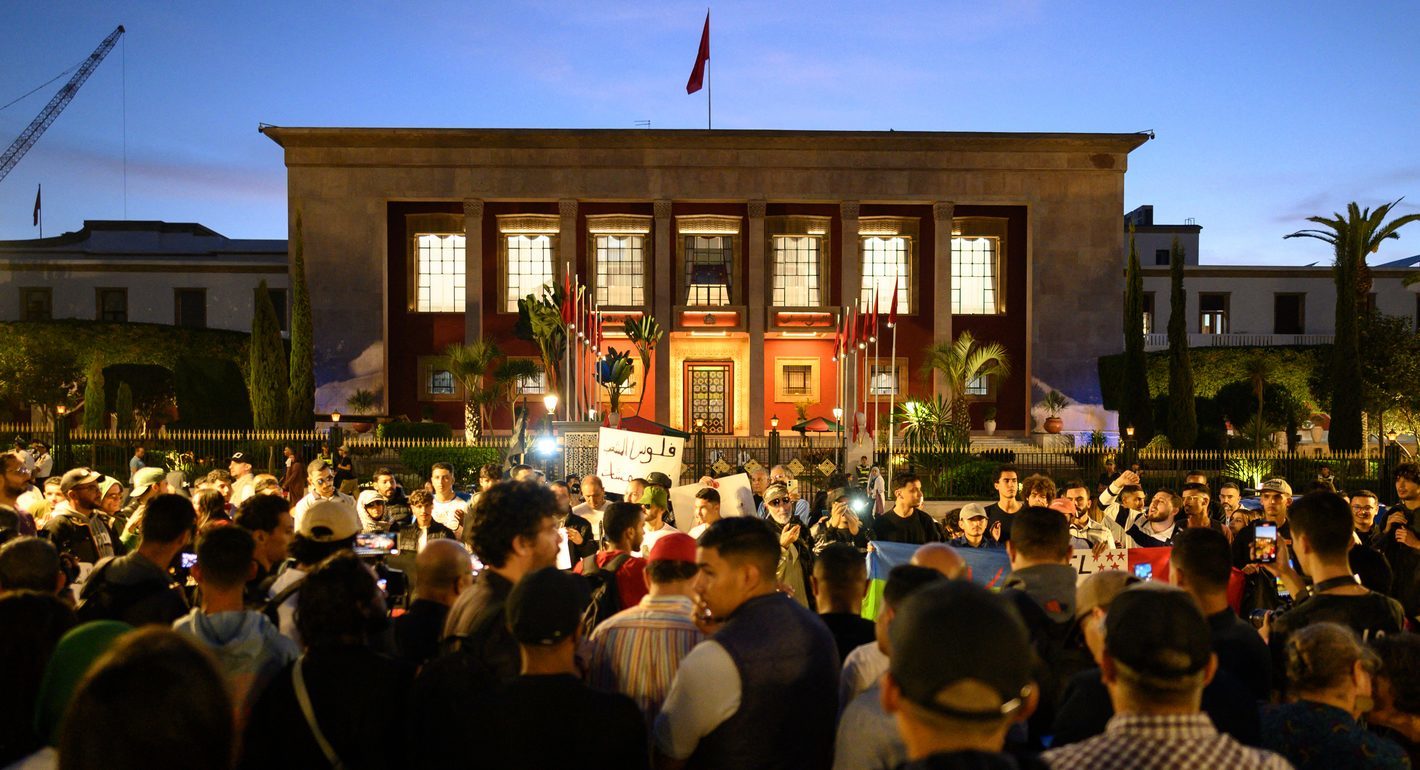
From anime heroes to online gaming communities, Morocco’s Gen Z is building a new protest culture. What does this digital imagination reveal about youth politics, and how should institutions respond?
Abdelilah Farah
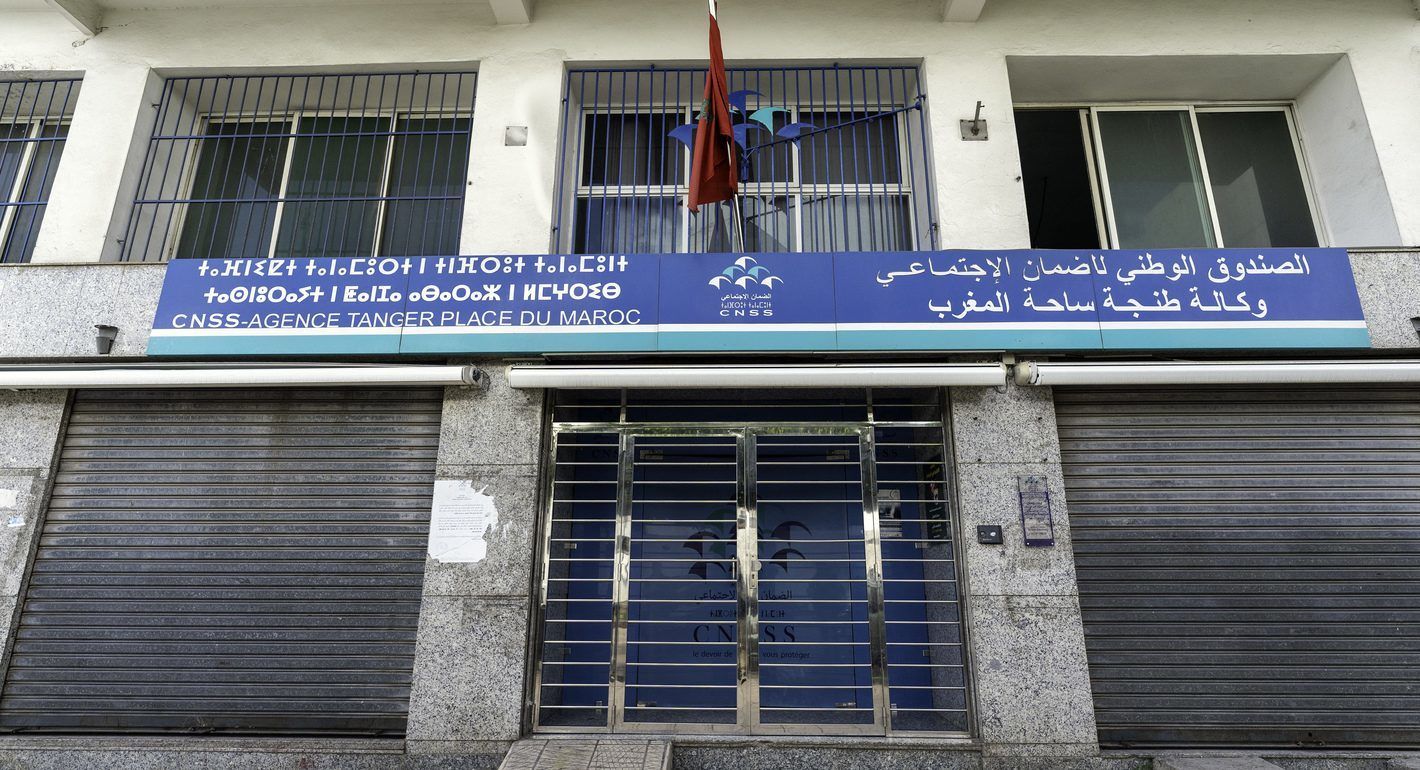
While Morocco’s shift to a digitized social targeting system improves efficiency and coordination in social programs, it also poses risks of exclusion and reinforces austerity policies. The new system uses algorithms based on socioeconomic data to determine eligibility for benefits like cash transfers and health insurance. However, due to technical flaws, digital inequality, and rigid criteria, many vulnerable families are unfairly excluded.
Abderrafie Zaanoun
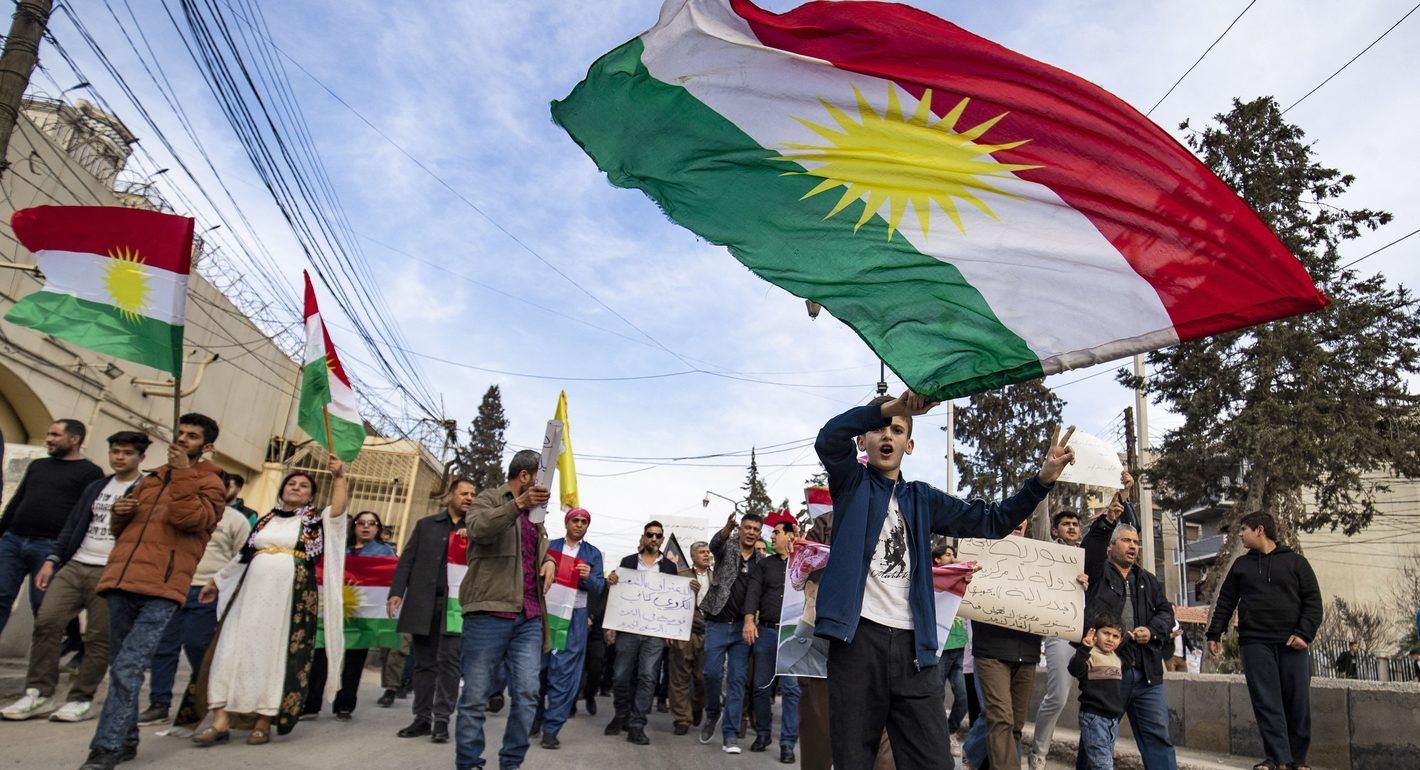
Saudi Arabia’s cautious stance on the Syrian Kurds reflects a delicate balance between leveraging Kurdish autonomy to counter Iran’s influence and managing the risks of destabilizing Syria’s territorial integrity. While Saudi Arabia seeks to safeguard its interests in the region, it remains wary of the potential internal and external consequences of supporting Kurdish autonomy.
Mohammad Salami

Tunisia is facing a worsening water crisis characterized by widespread protests over access to potable water, particularly in rural areas with underdeveloped supply networks. This situation is exacerbated by climate change, outdated agricultural policies, and industrial water consumption, necessitating comprehensive policy reforms to secure Tunisians’ constitutional right to water and ensure equitable access across the country.
Noura Omar