

Commentary
Syria's transition promised a fresh start. But are old habits of power making a comeback? This analysis looks at the warning signs and what it will take to build a more accountable state.
Sima Beitinjaneh
{
  "authors": [
    "Wolfram Lacher"
  ],
  "type": "commentary",
  "blog": "Sada",
  "centerAffiliationAll": "",
  "centers": [
    "Carnegie Endowment for International Peace"
  ],
  "collections": [
    "Arab Awakening"
  ],
  "englishNewsletterAll": "",
  "nonEnglishNewsletterAll": "",
  "primaryCenter": "Carnegie Endowment for International Peace",
  "programAffiliation": "",
  "programs": [],
  "projects": [],
  "regions": [
    "North Africa",
    "Libya"
  ],
  "topics": [
    "Political Reform"
  ]
}
Source: Getty
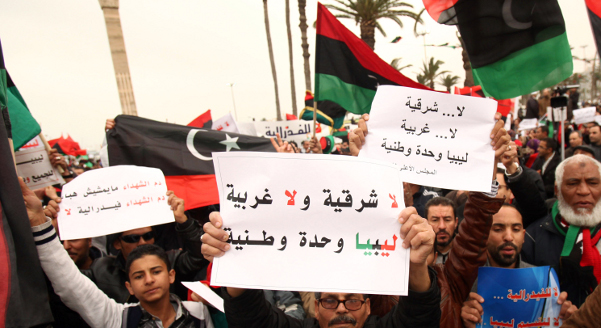
Far from signaling the country's disintegration, the Barqa Conference reveals that the real debates are over decentralization not autonomy.
“Eastern Libya declares autonomy:” in spite of the international headlines, talk of the country's impending disintegration is misleading. Although the participants at the March 6 Barqa Conference (Barqa is the Arabic name for Cyrenaica, or northeastern Libya) claimed the right to speak for their region, the initiative for self-administration and move toward federalism triggered furious reactions in Cyrenaica. Given this lack of support in the region itself, the push is unlikely to succeed.
Foreign media coverage of reactions to the initiative focused on anti-federalism demonstrations in Tripoli and the angry response of the chairman of the National Transitional Council (NTC), Mustafa Abdul Jalil. But this emphasis on the tension between the central government and proponents of northeastern autonomy is misguided. More important reactions manifested in the northeast itself: local councils of the area’s major cities—Benghazi, Darna, Bayda and Tobruk, which also saw large demonstrations against federalism—all immediately made clear their opposition to the Barqa Conference’s declaration and refused to recognize its proposed regional council. The Muslim Brotherhood—which has an important base in northeastern cities—called it the work of narrow-based and personal interests. Furthermore, the initiative has not received significant backing from the disparate armed entities controlling the northeast; the region’s most powerful militia grouping, the Union of Revolutionary Brigades (Tajammu Saraya al-Thuwar), opposed the conference, and the Barqa Military Council (an unofficial grouping of several army units in the region) distanced itself from the conference, declaring it would not get involved in politics.
Proponents of federalism undoubtedly have an influence in Cyrenaica—perhaps more so than in other regions. Leading figures at the conference included tribal notables and intellectuals, the most prominent of which was Ahmed Zubair al-Sanusi; a member of the royal family that ruled Libya from 1951 to 1969, he was appointed to head the regional council. But without the local support of the region it claims to govern, the regional council has little chance of actually governing Cyrenaica.
That the conference even attempted to exploit the constitutional vacuum to single-handedly set up a ruling body is symptomatic of both the fragility of the current transition and the NTC’s own weakness. Itself a self-appointed body, the NTC has faced a wave of criticism regarding its sluggish tackling of urgent problems.
But the backlash seems directed more against the very concept of autonomy, which is perceived as a harbinger of national disintegration—despite the insistence of leading pro-federalism figures that they do not seek full independence and have no plans to control the region’s oil revenues or set up a regional army. Conspiracy theories have begun circulating regarding the alleged involvement of foreign powers (as suggested by NTC Chairman Abdul Jalil). Additionally, opponents of federalism have seized on the involvement of several organizers in the former regime: Wanis Sharif, an interior ministry official, accused al-Tayyeb al-Safi (a once-prominent figure in Qadhafi’s Revolutionary Committees) of paying Egyptians to demonstrate in Benghazi for federalism. Al-Safi’s brother, Abu Bakr, is purported to have been a leading sponsor behind the Barqa Conference. In this climate of conspiracy, armed clashes broke out in Benghazi on March 16 between supporters of the movement and its opponents.
Yet beyond the immediate reactions, there are deeper reasons why these aspirations are unlikely to gain much support. Augurs of disintegration often point out that the country only emerged as a single entity under Italian colonial rule, and that even after its independence in 1951, Libya was divided into three distinct regions—Tripolitania, Cyrenaica, and Fezzan—each controlled by local notables and tribal leaders with their own representative assemblies and administrations. Although the Barqa Conference explicitly sought to resurrect this system, the regional entities introduced in 1951 were (even then) novel concepts for local tribes, who until that point had been largely outside the reach of state administration. Moreover, after the onset of oil production greatly enhanced the central government’s power, federalism was soon abolished in 1963.
This past year’s civil war saw the emergence of local councils and militias representing the specific interests of towns, cities, and tribes. As a result, political and military organization during and after the conflict has generally been at this level—rather than on the regional or national levels. While Zintan and Misrata developed into military and political heavyweights—with Misrata home to dozens of different militias—almost all large towns have their own brigades and military councils now. With its army and security apparatus in disarray, the government is largely unable to exercise territorial control in the face of the local forces and is making only slow progress in re-establishing authority over border posts and airports—some of which continue to be controlled by militias.
It is at this local level that politics is most dynamic. On February 20, Misrata elected a new local council after protests similar to ones against the NTC; other major cities are to follow with local council elections in the next weeks—Benghazi in April, and Tripoli in May. These are spontaneous local initiatives. In contrast, national forces are still in their infancy, and new political parties have only mushroomed over the last few months; in early March, Libya’s Muslim Brotherhood joined together with other moderate Islamist figures to form the Justice and Construction Party (Hizb al-‘Adala wal-Bina’). But local figures seem likely to dominate the June elections for the General National Assembly, where three-thirds of representatives are to be chosen on the basis of individual constituencies. The delineation and weight of these constituencies has yet to be announced and could become a contentious issue for towns that perceive themselves to be underrepresented.
The dominance of locally based interest groups is also reflected in the recent clashes that have pitted militias from different towns or tribes against each other nationwide. In many cases, conflicts run along the divisions of the civil war, reflecting the fact that Qadhafi’s security apparatus was recruited from certain tribal constituencies rather than others. Attempts by one group to arrest or disarm members of another group have been among the most common triggers of such clashes, which have been more pronounced in western and southern Libya than in Cyrenaica—though rivalry has increased even there. Following the announcement of the current government this past November, representatives of the Magharba and Awaqir clans demonstrated in Benghazi to demand greater political representation for their tribes. Leaders of the Obaydat tribe have clashed with other militia leaders in Benghazi over the slow progress of the investigation into the July 2011 murder of Major-General Abdul Fatah Younis Al-Obeidi, the former head of the Free Libyan Army. The Obaydat have repeatedly threatened to close roads or oil export terminals to exert pressure on others. In this environment, it remains difficult to imagine these different groups jointly pushing for regional unity—much less autonomy.
The local power centers seem more likely to push for decentralization of decision-making to the local level. This would involve moving control of budgeting processes to towns or districts and thus cementing the influence those cities, towns, and tribes acquired during the civil war. Contrary to federalism, decentralization appears to enjoy widespread support—even within the central government, which has already committed to delegating authority to local councils.
The NTC only recently extended the timeframe for the constitution-drafting process to four months, due to start after the elections planned for June. In a situation where there is no previous constitution to build on (excluding the one in force during the monarchy) this is an extremely short timeframe. That the debate over decentralization, federalism, and the role of local political entities has begun already is a welcome sign. But the sudden—though unsubstantiated—push at Barqa only proves that nothing can be taken as given in the negotiations over the fundamental tenets of Libya's future government.
Wolfram Lacher works on North Africa at the German Institute for International and Security Affairs (Stiftung Wissenschaft und Politik) in Berlin. His research focuses on Libya and security issues in the Sahara-Sahel region.
Wolfram Lacher
Carnegie does not take institutional positions on public policy issues; the views represented herein are those of the author(s) and do not necessarily reflect the views of Carnegie, its staff, or its trustees.
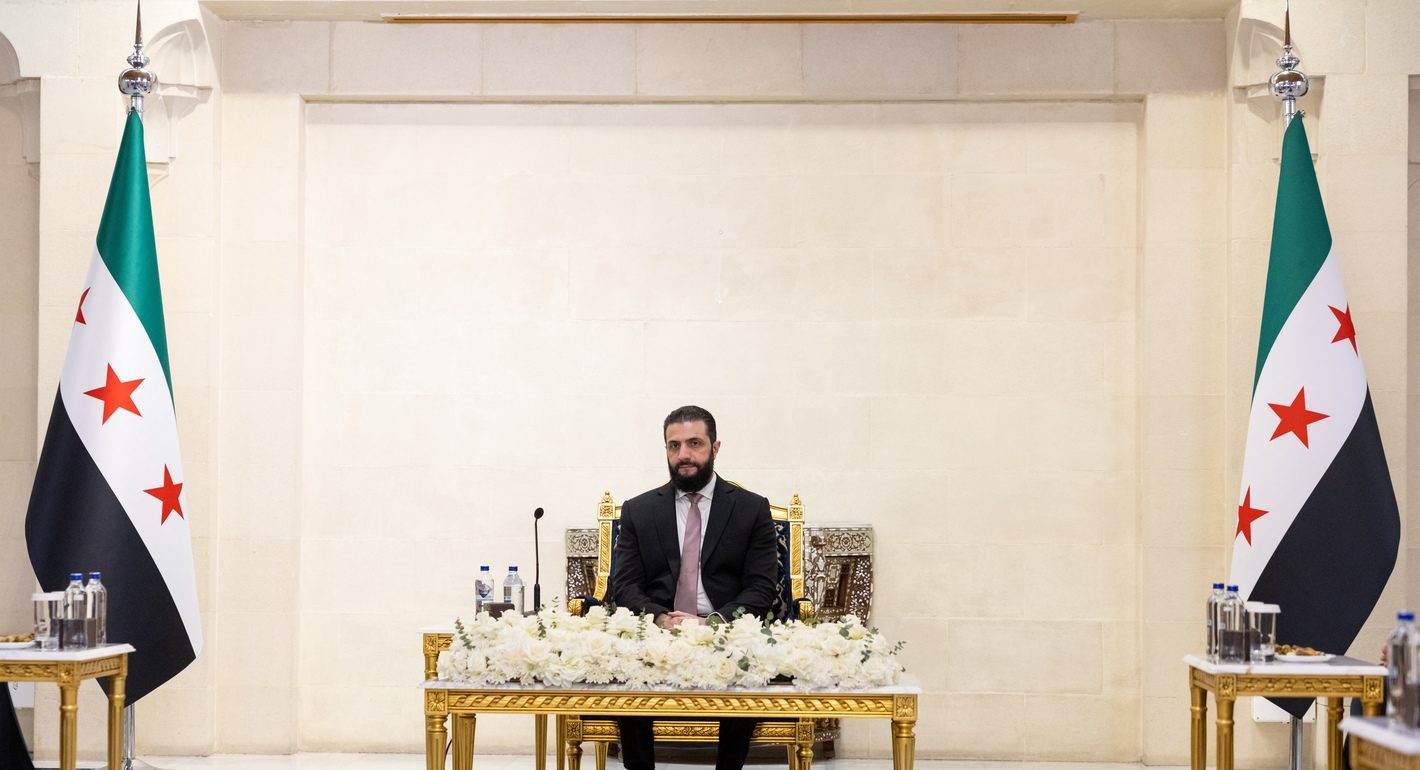
Syria's transition promised a fresh start. But are old habits of power making a comeback? This analysis looks at the warning signs and what it will take to build a more accountable state.

Sima Beitinjaneh
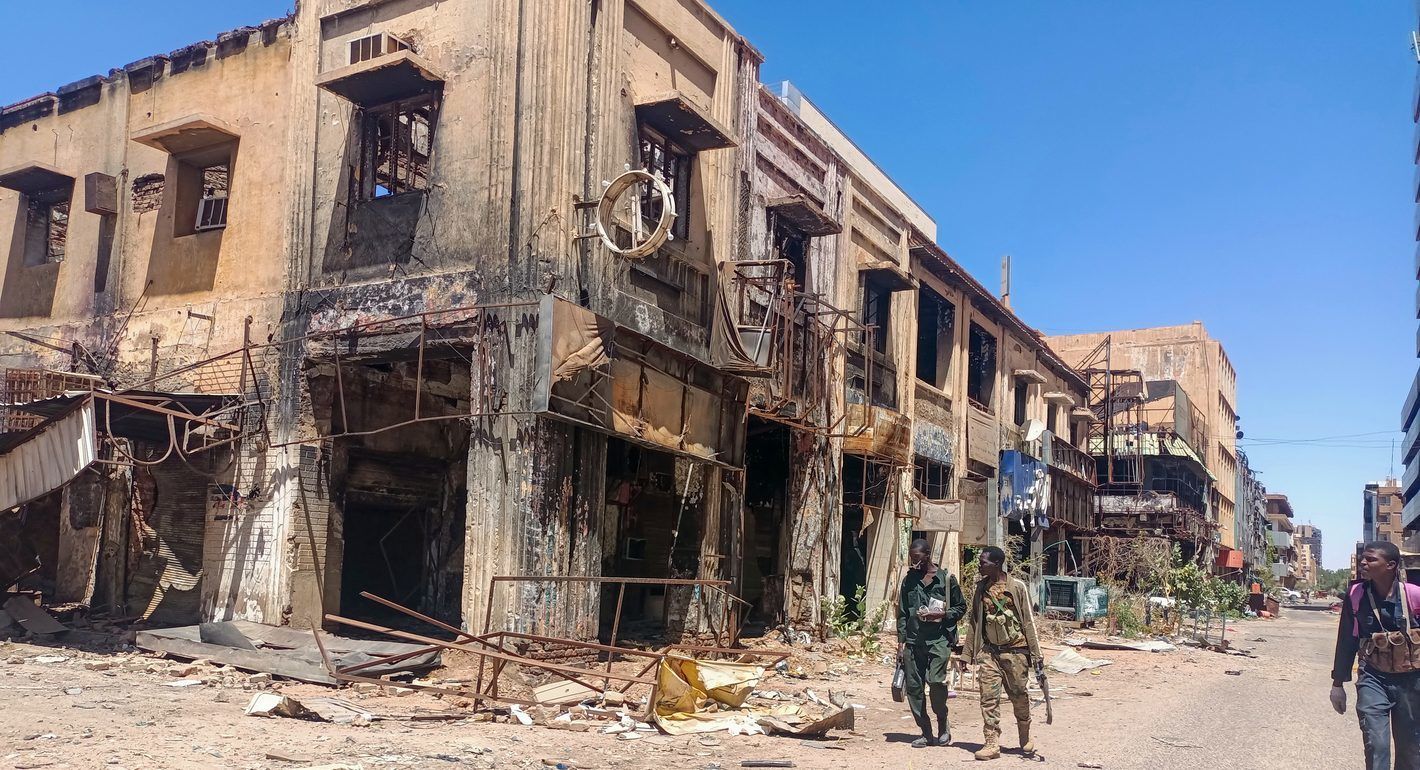
Hate speech has spread across Sudan and become a key factor in worsening the war between the army and the Rapid Support Forces. The article provides expert analysis and historical background to show how hateful rhetoric has fueled violence, justified atrocities, and weakened national unity, while also suggesting ways to counter it through justice, education, and promoting a culture of peace.
Samar Sulaiman
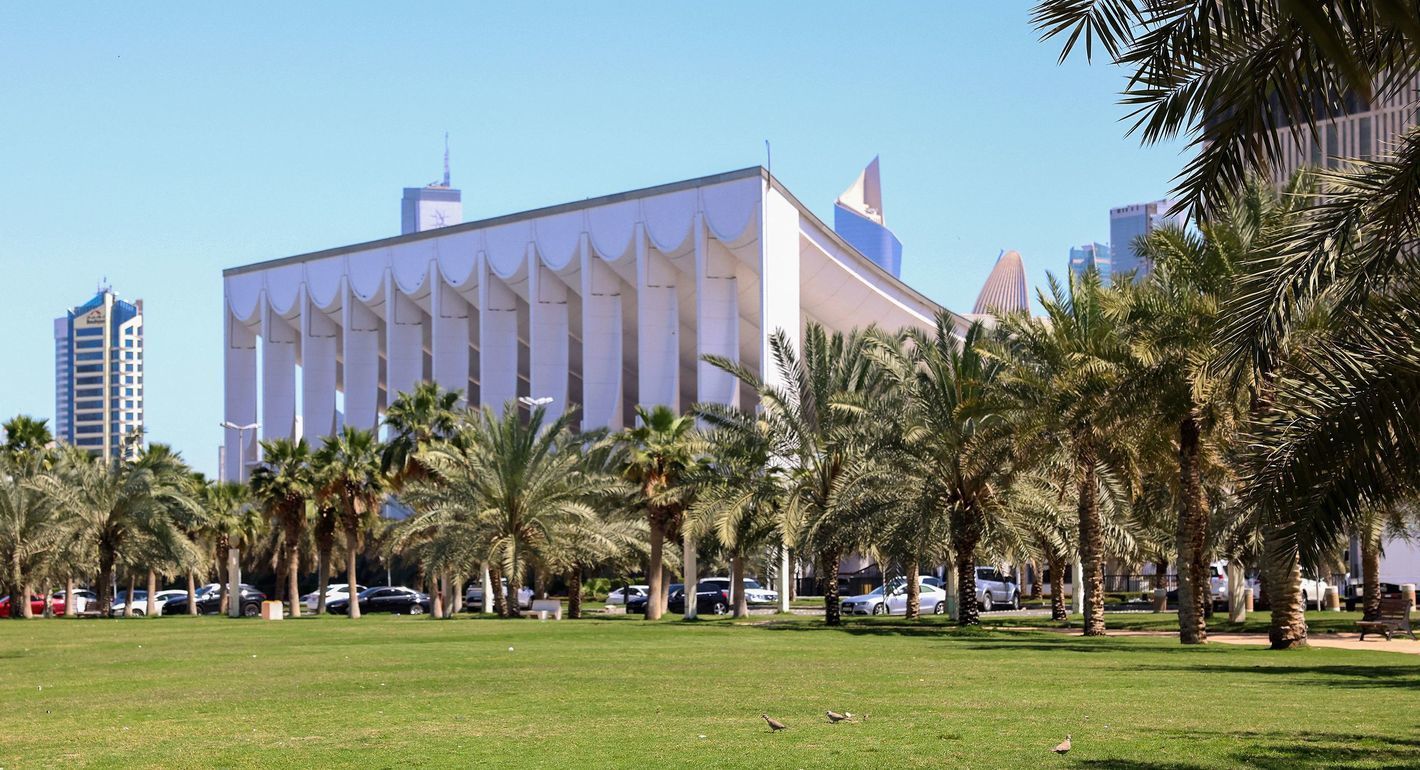
Kuwait’s government has repeatedly launched ambitious reforms under Kuwait Vision 2035, yet bureaucratic inefficiency, siloed institutions, and weak feedback mechanisms continue to stall progress. Adopting government analytics—real-time monitoring and evidence-based decision-making—can transform reform from repetitive announcements into measurable outcomes.
Dalal A. Marafie
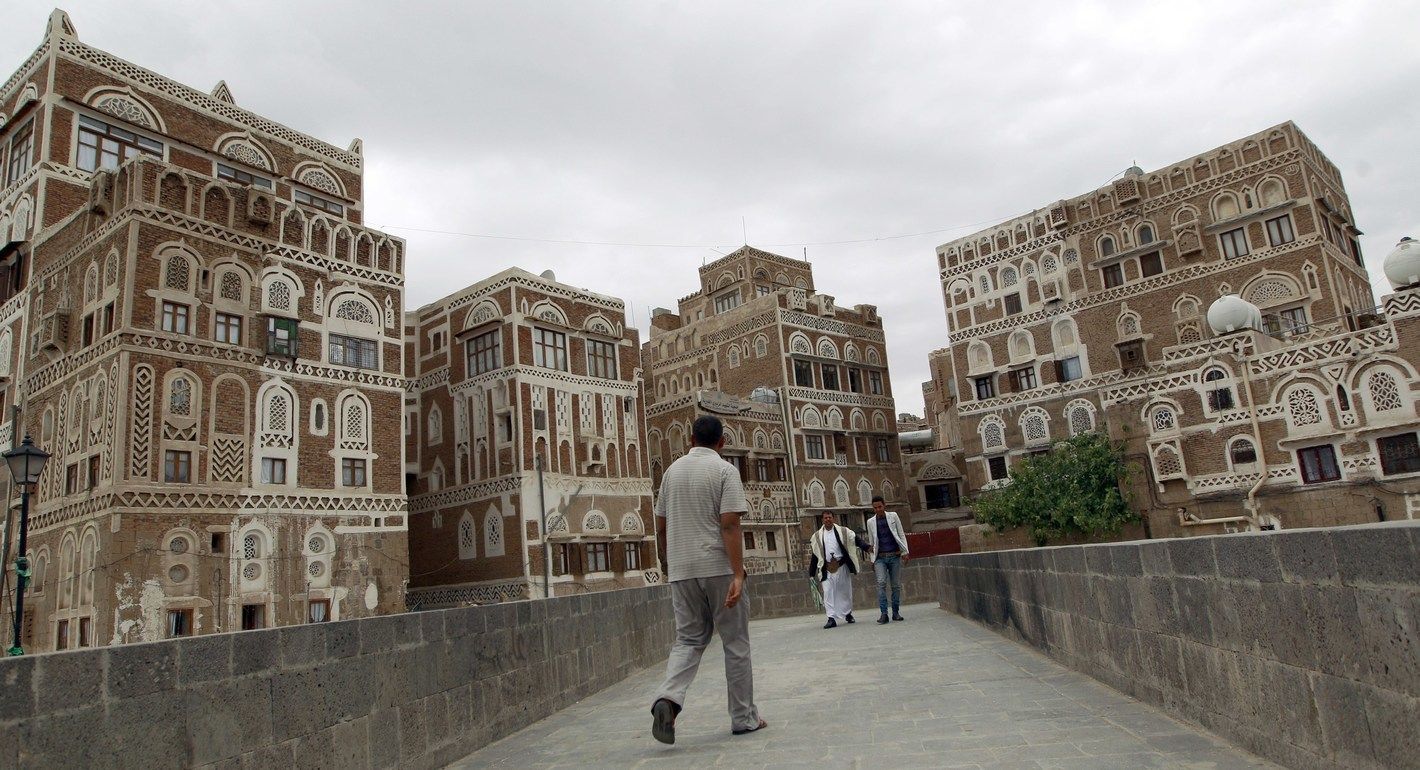
The chaos of street naming in Sana’a reflects the deep weakness of the Yemeni state and its failure to establish a unified urban identity, leaving residents to rely on informal, oral naming systems rooted in collective memory. This urban disorder is not merely a logistical problem but a symbolic struggle between state authority and local community identity.
Sarah Al-Kbat
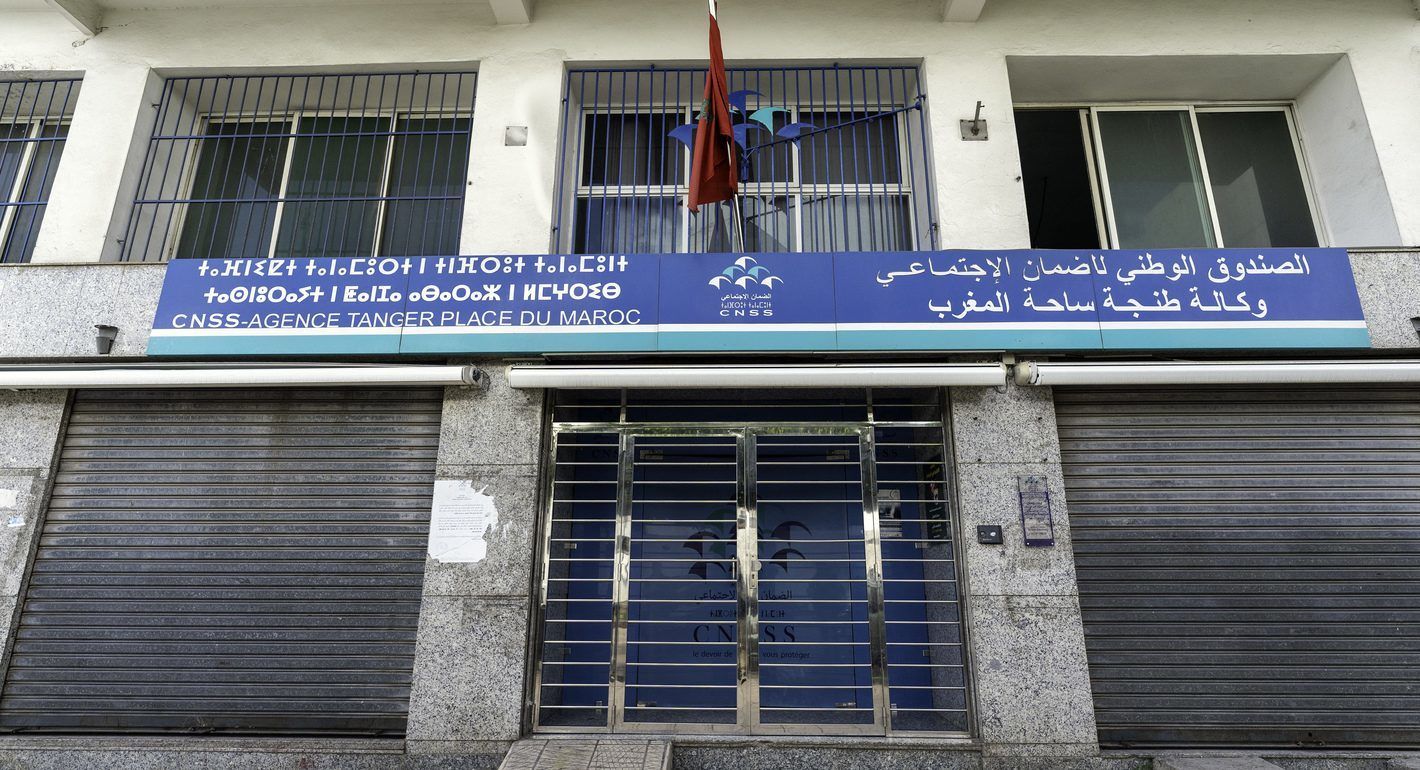
While Morocco’s shift to a digitized social targeting system improves efficiency and coordination in social programs, it also poses risks of exclusion and reinforces austerity policies. The new system uses algorithms based on socioeconomic data to determine eligibility for benefits like cash transfers and health insurance. However, due to technical flaws, digital inequality, and rigid criteria, many vulnerable families are unfairly excluded.
Abderrafie Zaanoun