

Commentary
Syria's transition promised a fresh start. But are old habits of power making a comeback? This analysis looks at the warning signs and what it will take to build a more accountable state.
Sima Beitinjaneh
{
  "authors": [
    "Anne Wolf"
  ],
  "type": "commentary",
  "blog": "Sada",
  "centerAffiliationAll": "",
  "centers": [
    "Carnegie Endowment for International Peace"
  ],
  "collections": [],
  "englishNewsletterAll": "",
  "nonEnglishNewsletterAll": "",
  "primaryCenter": "Carnegie Endowment for International Peace",
  "programAffiliation": "",
  "programs": [],
  "projects": [],
  "regions": [
    "North Africa",
    "Algeria"
  ],
  "topics": [
    "Political Reform"
  ]
}
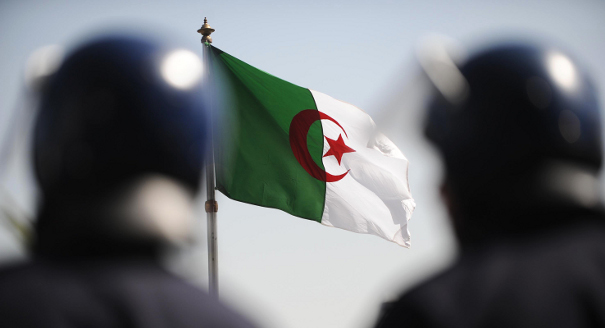
Source: Getty
Le pouvoir is cracking down more forcefully on demands for greater freedoms and political change.
While observers may disagree about the various reasons Algeria has proved thus far resistant to the Arab Spring, there can be no doubt about the role of the regime’s notorious Department of Intelligence and Security (French acronym, DRS). Perhaps aided by the lingering memory of Algeria’s bloody civil war—which took as many as 200,000 lives—the DRS has been effectively able to prevent protests from turning into a revolution. Yet regional changes seem to revive civil society activists' demands for greater freedoms. And in response, the government is reverting to the harsher repression.
On March 26, several members of Algeria's League for Human Rights (French acronym, LADDH)—including Kamel Dinne Fakhar, a senior member of the group’s executive committee—were assaulted by security forces following a peaceful sit-in in the northern-central city of Ghardaia. The approximately twenty LADDH activists were subsequently arrested. Several were held in custody—some even in solitary confinement. “The sit-in took place in protest of the high amount of money [sic] the regime spent on Ghardaia's traditional Carpet Festival,” explained Yacine Zaid, a senior member of the LADDH.1 “People demand that this money will instead be put into building up Algeria's infrastructure and combating a high unemployment rate. We have to solve the real problems of this country.” According to the official press release of the LADDH, activists were subjected to grave human rights abuses—some to an extent that they even engaged in a hunger strike. They were released temporarily on April 2.
On March 25, a day before the LADDH arrests, the police prevented 96 civil society activists from traveling to Tunisia; these activists had intended to participate in the World Social Forum, which brings together around 50,000 participants annually to discuss human rights and social responsibility. According to a press release of the International Committee of Support to Autonomous Algerian Trade Unions (French acronym, CISA), the group was held for five hours in their two buses close to the Tunisian border in the northeastern section of Tebessa before being denied entry. No official reason was given; police only noted that they were “following instructions.”
Although unrelated, both incidents are only two of the most recent indications that demands for greater government accountability are increasing in the country. Yet these incidents also signal that the level of regime repression is intensifying showing le pouvoir’s ability to enforce stability in the face of mounting domestic and regional challenges.
Vigilant of this increased social activism, the country’s regime has adopted an elaborate strategy aimed at enforcing political stability notably by the Algerian government’s increased use of its notorious secret service, the DRS and also by shuffling around political actors and forces. This shuffling consists of what many Algerians have come to call lifting du pouvoir, or a regime “facelift.” For example, in January 2013, the ambitions of Ahmed Ouyahia (of the National Rally for Democracy) and Abdelaziz Belkhadem (of the National Liberation Front)—for a long time considered the most likely candidates for the 2014 presidential election, despite their deep unpopularity—were nullified when the latter was dismissed from and the former resigned as the secretary-generals of their respective political parties. Many view such developments (cosmetic notions of political change) as having been enforced from the top-down in order to appease the increasingly restless population.
Those who still decide to oppose the regime—be it on the streets or through the web—are easily tracked down by the DRS, which is widely known as one of the world's most effective and ruthless intelligence services.
More notable is the recent increase in the scope and intensity of the regime’s repression, which has also drawn a renewed attention on Algeria’s notorious security services. Since the civil war, DRS officers have made their mark on Algeria’s political system, and today (more than ever) they seem to view their role as the guardians of the country’s stability and security. While Bouteflika has, to some extent, regained controlled over the army by appointing officers close to his loyal circles, the security forces remain under the control of the DRS. This has become particularly obvious over the past few months which have witnessed a resurgence in the activities of Islamic extremists in the region—particularly in neighboring Mali. But the threat became more concrete to many Algerians when a splinter group of al-Qaeda in the Islamic Maghreb, known as the “Battalion of Blood,” took hundreds of Algerian and foreign workers hostage at the Tigantourine gas facility near to the city of In Amenas, resulting in the death of 39 hostages and 29 militants.
The regime’s strong response to the hostage crisis—which was criticized by outside observers for having led to high casualties—was guided by Major General Athmane Tartage, whom many view as one of the DRS’s most influential figures and likely to be its future chief. What many fear is that the methods employed by the DRS to deal with Islamic extremists are going to be used to silence the increasingly active human rights militants and political activists.
It seems as if the deteriorating security situation—negative spillovers of weapon's smuggling from Libya, an increase in Islamic radicalism in the Sahel, and the crisis in Mali—could indeed give a free hand to the DRS once more to “enforce stability” at all costs.
Anne Wolf is a Tunisia-based freelance journalist and researcher specializing in North African affairs.
____________
1 Interview with the author
Anne Wolf
Carnegie does not take institutional positions on public policy issues; the views represented herein are those of the author(s) and do not necessarily reflect the views of Carnegie, its staff, or its trustees.
Syria's transition promised a fresh start. But are old habits of power making a comeback? This analysis looks at the warning signs and what it will take to build a more accountable state.
Sima Beitinjaneh
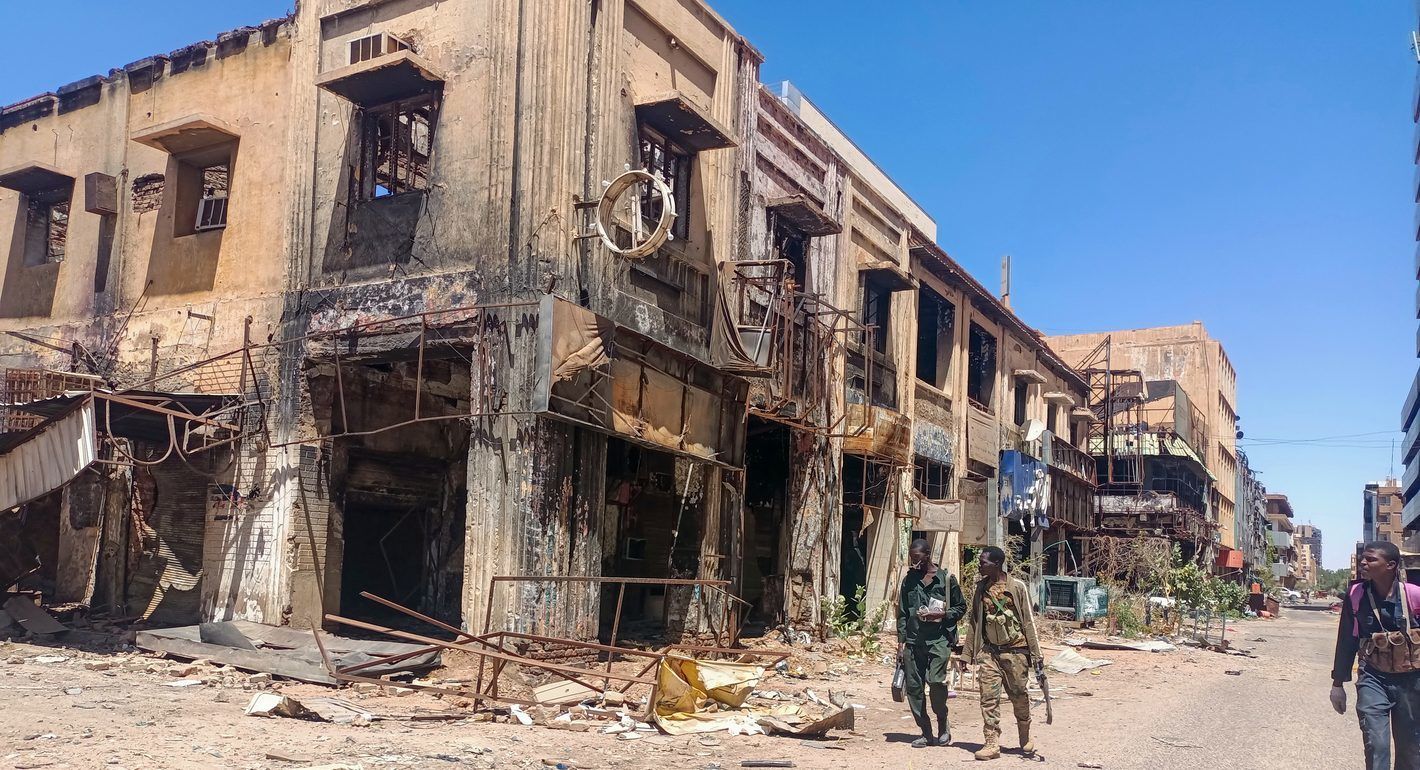
Hate speech has spread across Sudan and become a key factor in worsening the war between the army and the Rapid Support Forces. The article provides expert analysis and historical background to show how hateful rhetoric has fueled violence, justified atrocities, and weakened national unity, while also suggesting ways to counter it through justice, education, and promoting a culture of peace.
Samar Sulaiman
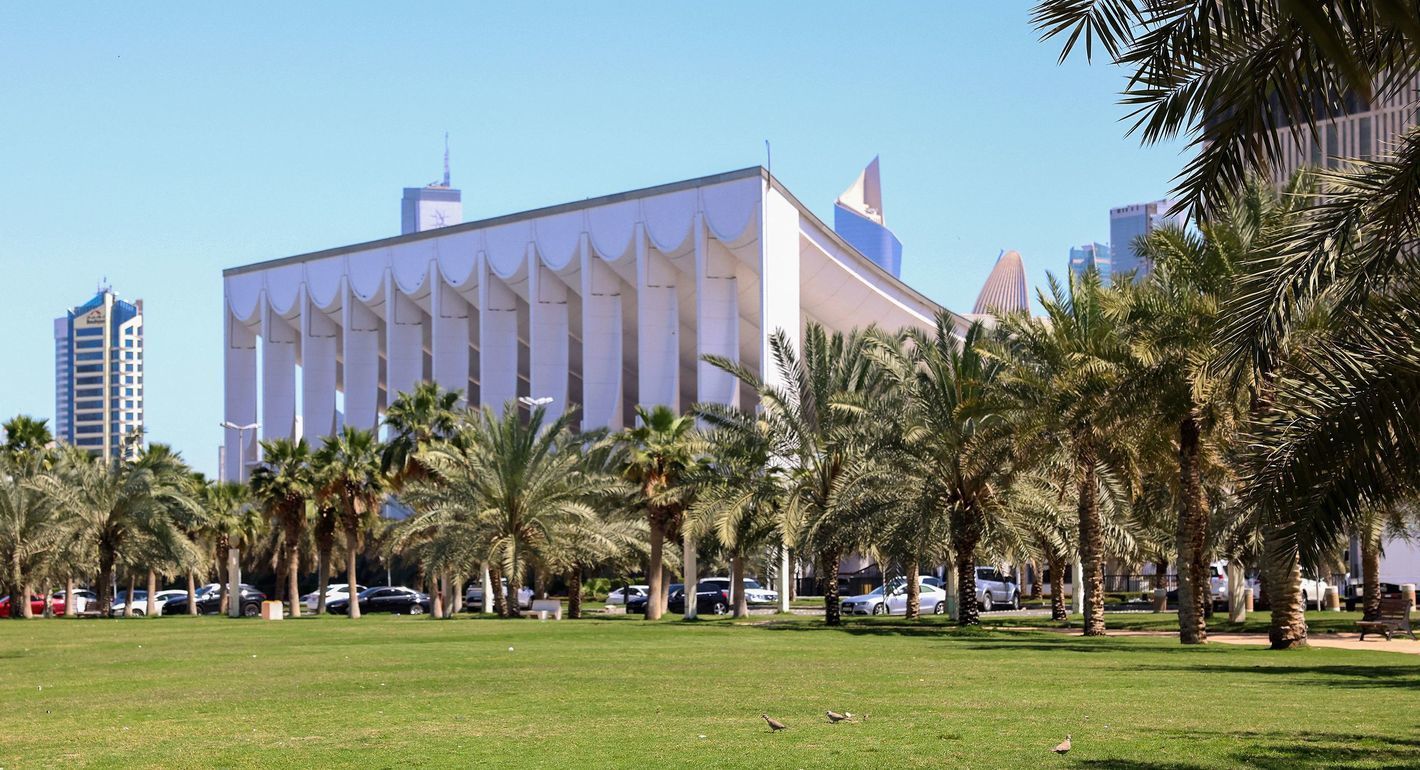
Kuwait’s government has repeatedly launched ambitious reforms under Kuwait Vision 2035, yet bureaucratic inefficiency, siloed institutions, and weak feedback mechanisms continue to stall progress. Adopting government analytics—real-time monitoring and evidence-based decision-making—can transform reform from repetitive announcements into measurable outcomes.
Dalal A. Marafie
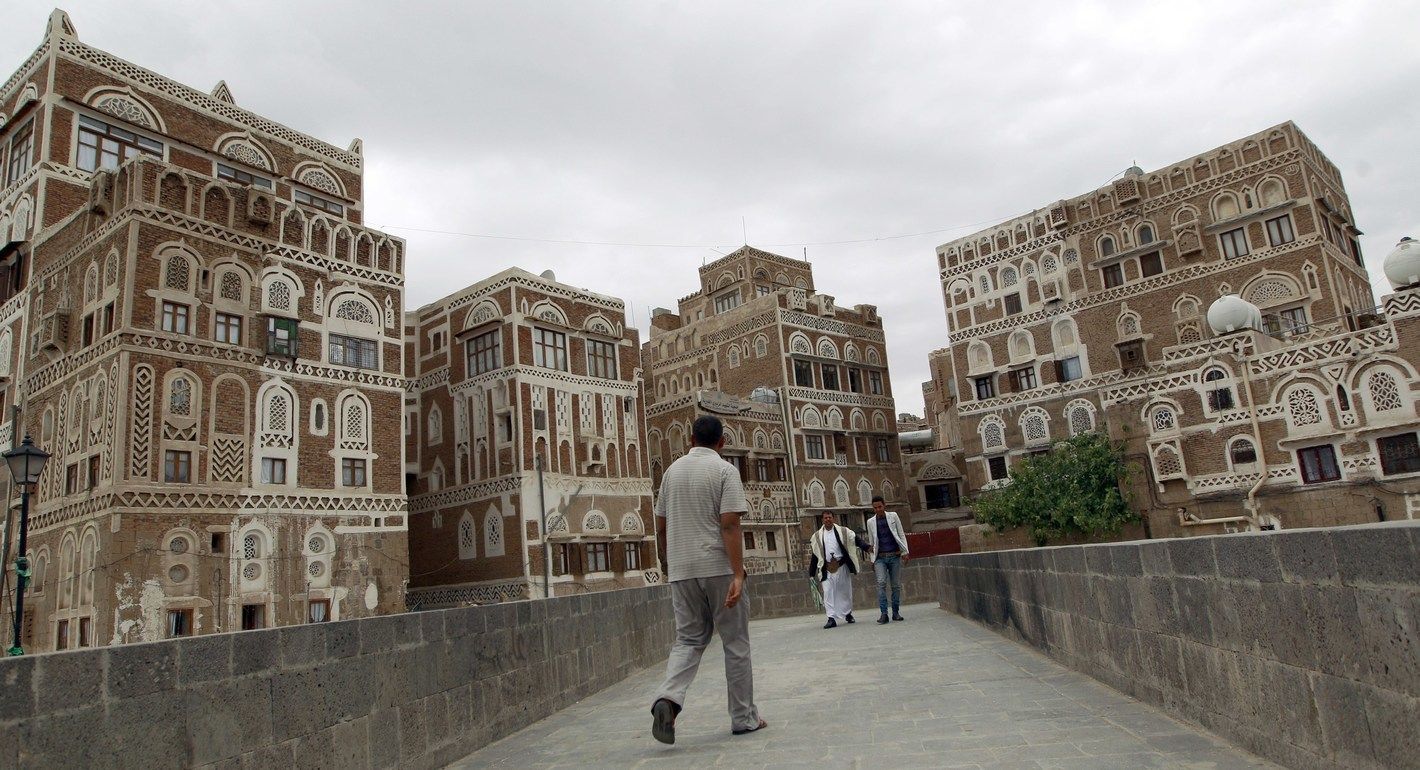
The chaos of street naming in Sana’a reflects the deep weakness of the Yemeni state and its failure to establish a unified urban identity, leaving residents to rely on informal, oral naming systems rooted in collective memory. This urban disorder is not merely a logistical problem but a symbolic struggle between state authority and local community identity.
Sarah Al-Kbat
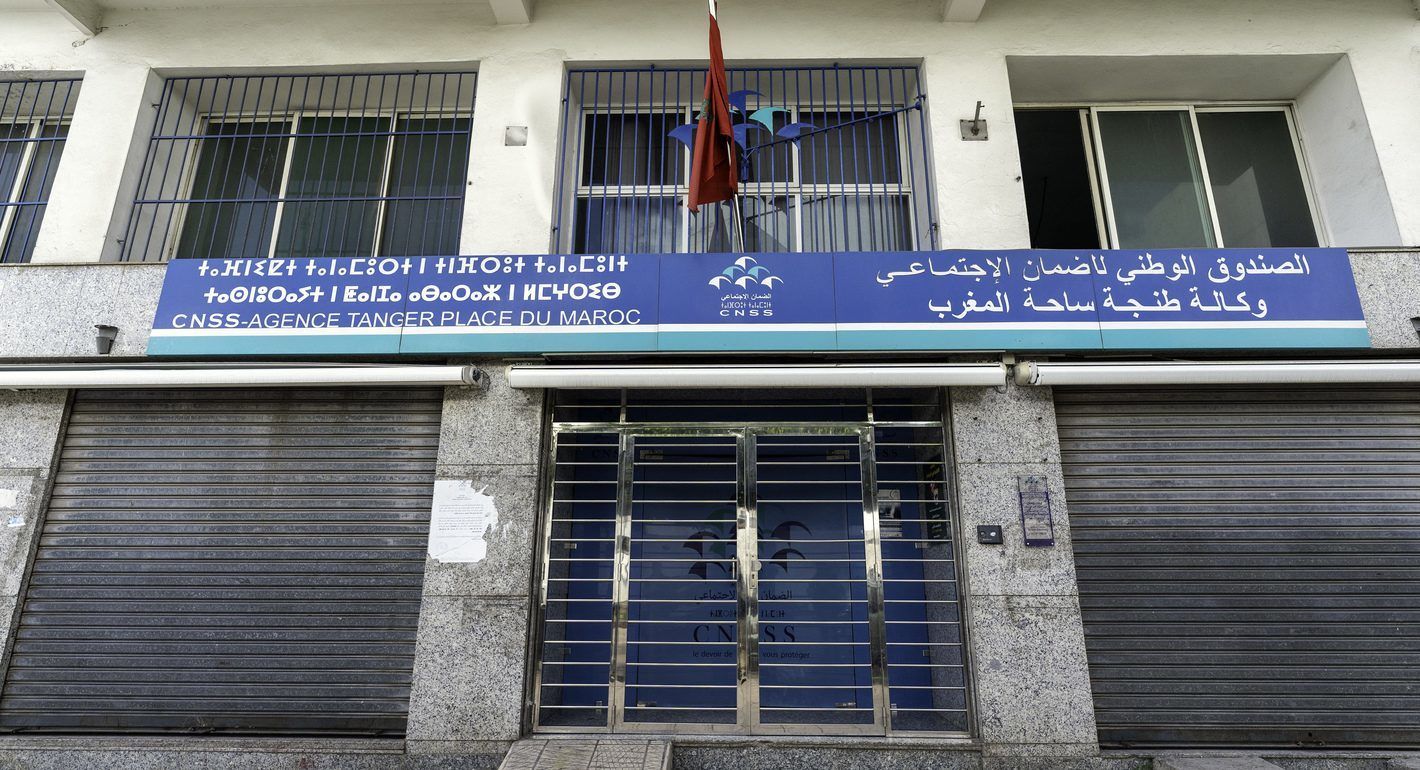
While Morocco’s shift to a digitized social targeting system improves efficiency and coordination in social programs, it also poses risks of exclusion and reinforces austerity policies. The new system uses algorithms based on socioeconomic data to determine eligibility for benefits like cash transfers and health insurance. However, due to technical flaws, digital inequality, and rigid criteria, many vulnerable families are unfairly excluded.
Abderrafie Zaanoun