

Commentary
Syria's transition promised a fresh start. But are old habits of power making a comeback? This analysis looks at the warning signs and what it will take to build a more accountable state.
Sima Beitinjaneh
{
  "authors": [
    "Tarek Megerisi"
  ],
  "type": "commentary",
  "blog": "Sada",
  "centerAffiliationAll": "",
  "centers": [
    "Carnegie Endowment for International Peace"
  ],
  "collections": [
    "Arab Awakening"
  ],
  "englishNewsletterAll": "",
  "nonEnglishNewsletterAll": "",
  "primaryCenter": "Carnegie Endowment for International Peace",
  "programAffiliation": "",
  "programs": [],
  "projects": [],
  "regions": [
    "North Africa",
    "Libya"
  ],
  "topics": [
    "Political Reform"
  ]
}
Source: Getty
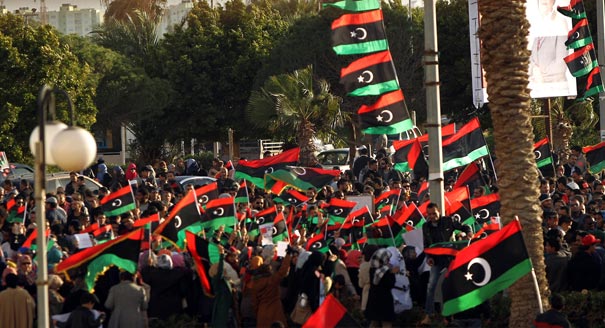
New General National Congress elections will not solve the fundamental and structural flaws in Libya’s transitional system.
The Constitutional Declaration drafted by Libya’s National Transitional Council was a small document destined to have a big significance. For within its text—notably articles 17 through 30—lay the vision and framework for the political system that would support the transition. However, this structure has since proved incapable of supporting the weight of Libya’s transitional problems. Its mandate—to produce a constitutional authority by February 7, 2014—lies in tatters, and a constitutional assembly is still being formed as the country splits on different visions for the country’s future. The Constitutional Declaration clearly provided for the General National Congress (GNC) as the country’s ultimate authority. However, other than a provision to appoint a transitional executive authority and article 26’s subordination of this executive to the “instructions and directions” of the GNC, the Constitutional Declaration failed to provide any direct responsibilities for either body, nor any clear delineation of power. And the increasingly likely GNC re-election alone will not address this issue.
The GNC exploited the lack of a clear division of powers to exert its influence over the transitional government from the beginning, evidenced through the debacle of former Prime Minister Mustafa Abu-Shagour’s brief tenure. GNC members undermined the very figure they had elected, using their powers to force him out when it became clear his cabinet would not be a mere reflection of the contemporary power groups in the GNC—as indeed these various groups were demanding. Moreover, conflicts between parliamentary groups, the office of the president, and the various ministries consistently undermined important initiatives ranging from security development to local government reform. Meanwhile, political groups continuously sought to brand political initiatives and solutions as their own in order to cultivate the image that they are the decisive group in Libyan politics and thus have a right to rule. These attempts to dominate the political scene are the result of the lack of clear responsibilities assigned to different bodies—be they parliamentary committees, plenary sessions, the executive, or the judiciary. The absence of a clear division of power caused confusion, which facilitated this inter-factional competition that worsened as time went on.
Yet, even when there is consensus on the need for a decisive solution, the GNC has been ineffective. This was recently seen in the handling of their own extension, where their roadmap for progress is still up for debate weeks after their mandate expired, and in the wrangling over removing Ali Zeidan as Prime Minister. Despite political blocs agreeing on Zeidan’s removal months ago, the GNC has failed to agree upon a replacement and has been unable to garner the 120 votes needed for a formal vote of no confidence. This has rendered the Prime Minister a “lame duck” and crippled the country’s executive at a sensitive time. In an attempt to address such inefficiencies, the GNC eventually produced internal “Rules of Procedure,” but these were never officially adopted. As such, the cornerstones of a parliamentary system—agenda, debating, and voting procedures—were never formally recognized or implemented. Therefore debates often descend into personal attacks and off-topic diatribes, Congress members are confused about their own agendas, and political blocs have derailed important votes by walking out.
The lack of political party regulation has also worsened the GNC’s problems. Although the drafters of the Constitutional Declaration allotted only 80 out of 200 seats to political parties, they failed to provide for a formal relationship between party members and independents within the house. Parties managed to circumvent the 80-120 split by running their strongest candidates as independents. Once it became clear that independents were a minority in the house, they became easy to co-opt by dominant parties during important votes. This also means that if they want to advance their initiatives and priorities, they have to give temporary or permanent allegiance to dominant parties. Furthermore an inability to formally regulate parties through common methods such as party whips has created a confusing scenario of shifting factions. This has weakened party heads, who are often unable to ensure party unity during votes, and rendered the debate and decision-making process hard to manage.
The GNC should have focused on managing the constitutional process with just enough time to attempt to repair the damage of war. However the overly optimistic timeline of the Constitutional Declaration has fostered the impression of the transition as a zero-sum game for political groups. In addition to a poor prioritization of duties, this has manifested itself in the neglect of urgently needed short-term initiatives—such as transitional justice systems and a local government network that is nationally effective—in favor of grandiose long-term developmental projects that are currently impossible to implement. These projects have been the source of massive corruption, which (in addition to fueling resentment toward central authorities) feeds back into the zero-sum mindset, as the population believes that they must claim their needs now or be neglected by a new version of the old system. The GNC is under increasing pressure, as protests in almost every population center across Libya erupted on February 7 calling for their removal, which worsened the following week when militias threatened a violent closure of Congress—and the arrest of their members—if they did not step down. Congressmen are now beginning to resign, and even the largest political blocs are tentatively siding with calls to start organizing another general election. However, such a move would fall short of resolving the issue. By failing to recognize their mistakes and work to stop them reoccurring they are merely setting up the next elected body to fail in the same way. The creation of a detailed roadmap would instead give the Libyan people expectation and the authorities direction, while grounding Libya’s nascent democracy in political competence.
The GNC has officially recognized the need for a roadmap, and politicians have made a good start in proposing amendments to article 30 (concerning the transitional timeline) by providing the Constitutional Assembly the powers to extend their drafting period. Adding comprehensive systems of checks and balances and implementing the parliamentary rules of procedure could make this drafting period operate more efficiently. Furthermore, if they formally focus their own power on achieving necessary, transitional goals—overseeing the constitutional process, repairing war damage, creating a transitional justice system, and establishing a local government system that incorporates every area of the country—they could legislate away the seduction of more lucrative and glorious projects. By having a timeline of duties, they would give the public solid expectations for the coming year, for which the electorate can hold their representatives to account in case they fail to materialize.
Tarek Megerisi is a London-based independent analyst specializing in Libyan and Arab politics and governance.
Tarek Megerisi
Tarek Megerisi is a Libyan political analyst and researcher who specializes in politics, governance and development in the Arab world.
Carnegie does not take institutional positions on public policy issues; the views represented herein are those of the author(s) and do not necessarily reflect the views of Carnegie, its staff, or its trustees.
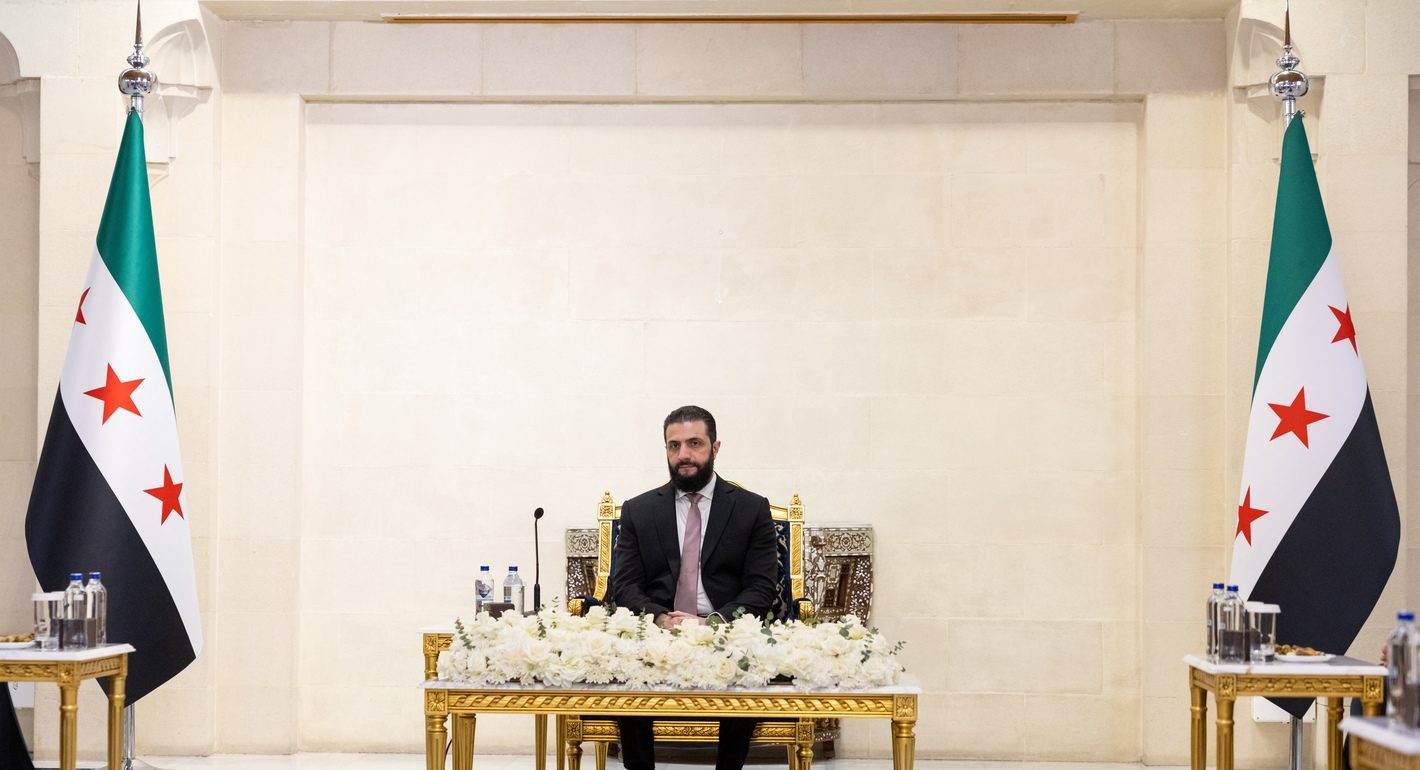
Syria's transition promised a fresh start. But are old habits of power making a comeback? This analysis looks at the warning signs and what it will take to build a more accountable state.

Sima Beitinjaneh
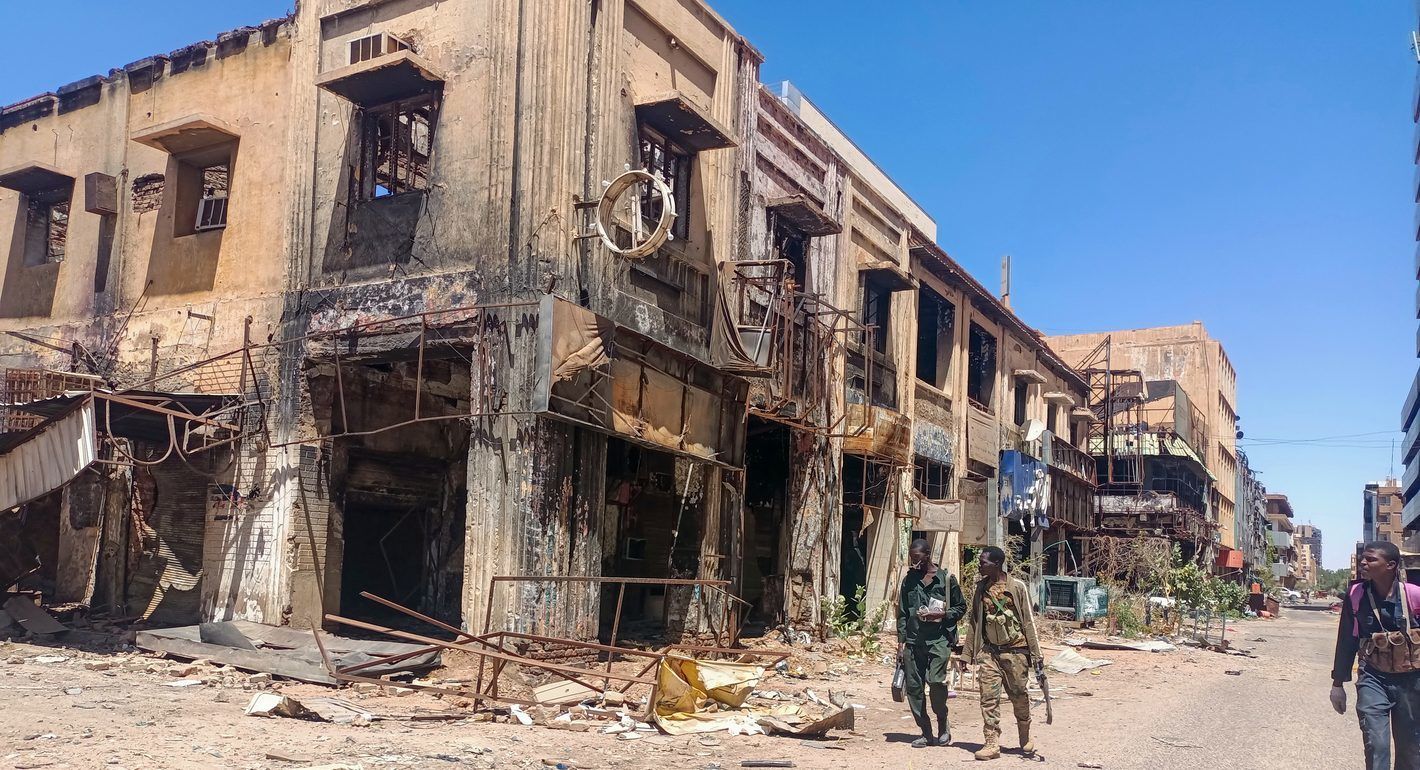
Hate speech has spread across Sudan and become a key factor in worsening the war between the army and the Rapid Support Forces. The article provides expert analysis and historical background to show how hateful rhetoric has fueled violence, justified atrocities, and weakened national unity, while also suggesting ways to counter it through justice, education, and promoting a culture of peace.
Samar Sulaiman
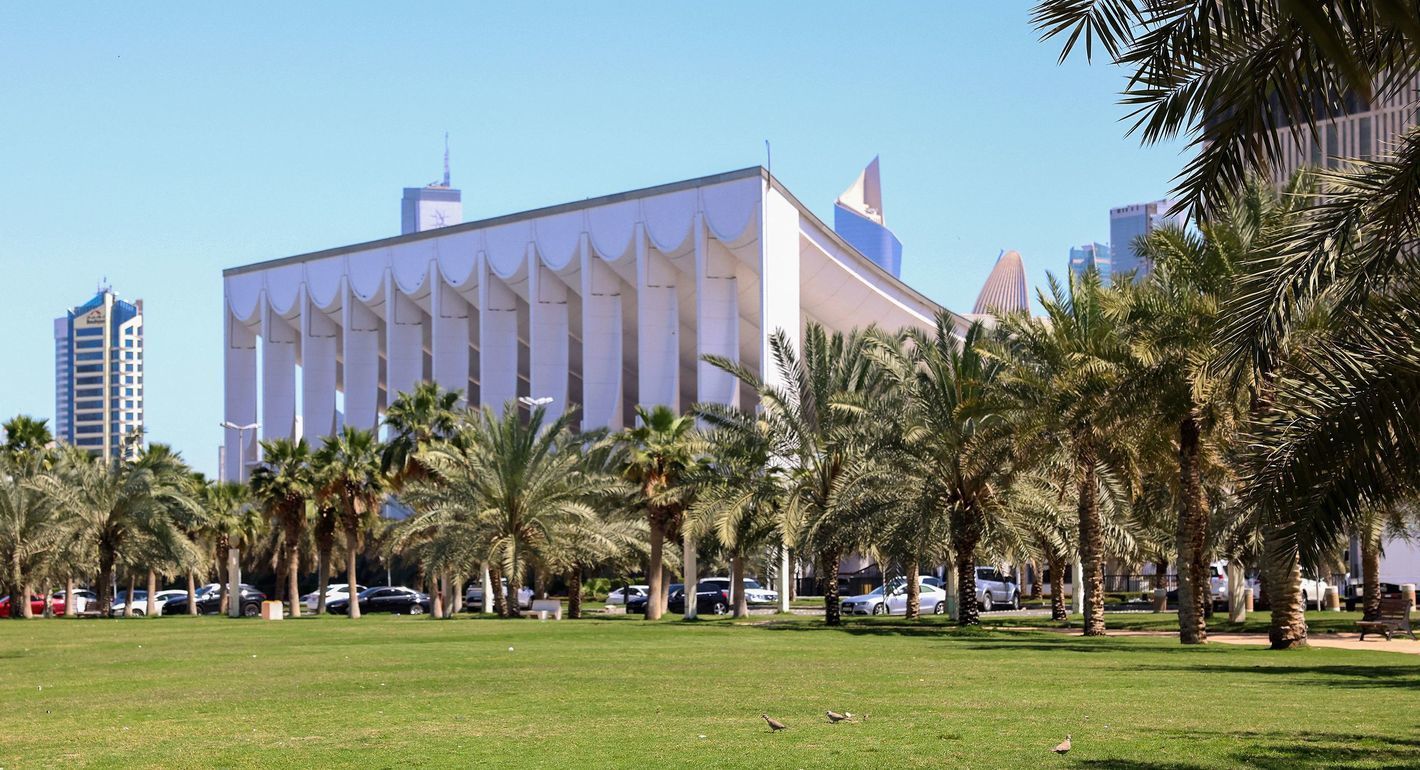
Kuwait’s government has repeatedly launched ambitious reforms under Kuwait Vision 2035, yet bureaucratic inefficiency, siloed institutions, and weak feedback mechanisms continue to stall progress. Adopting government analytics—real-time monitoring and evidence-based decision-making—can transform reform from repetitive announcements into measurable outcomes.
Dalal A. Marafie
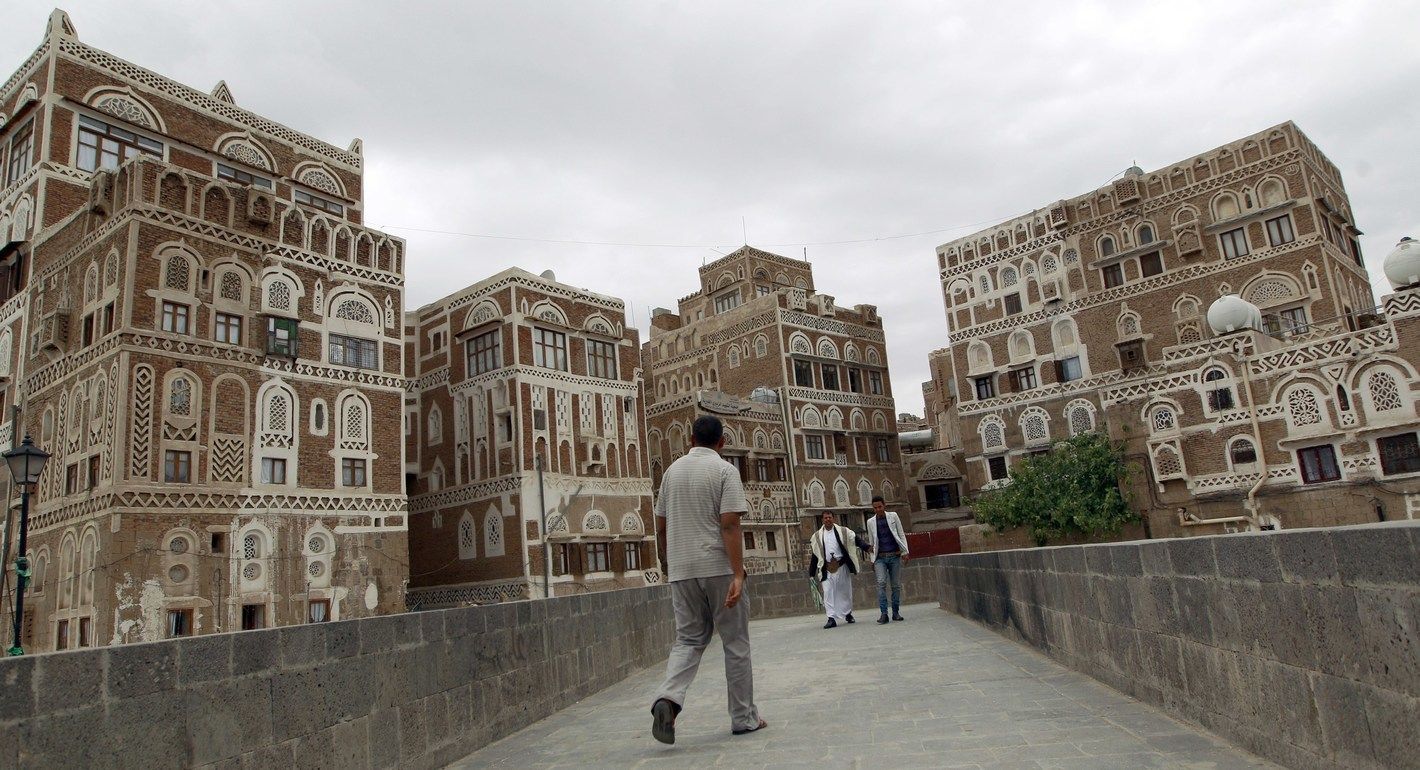
The chaos of street naming in Sana’a reflects the deep weakness of the Yemeni state and its failure to establish a unified urban identity, leaving residents to rely on informal, oral naming systems rooted in collective memory. This urban disorder is not merely a logistical problem but a symbolic struggle between state authority and local community identity.
Sarah Al-Kbat
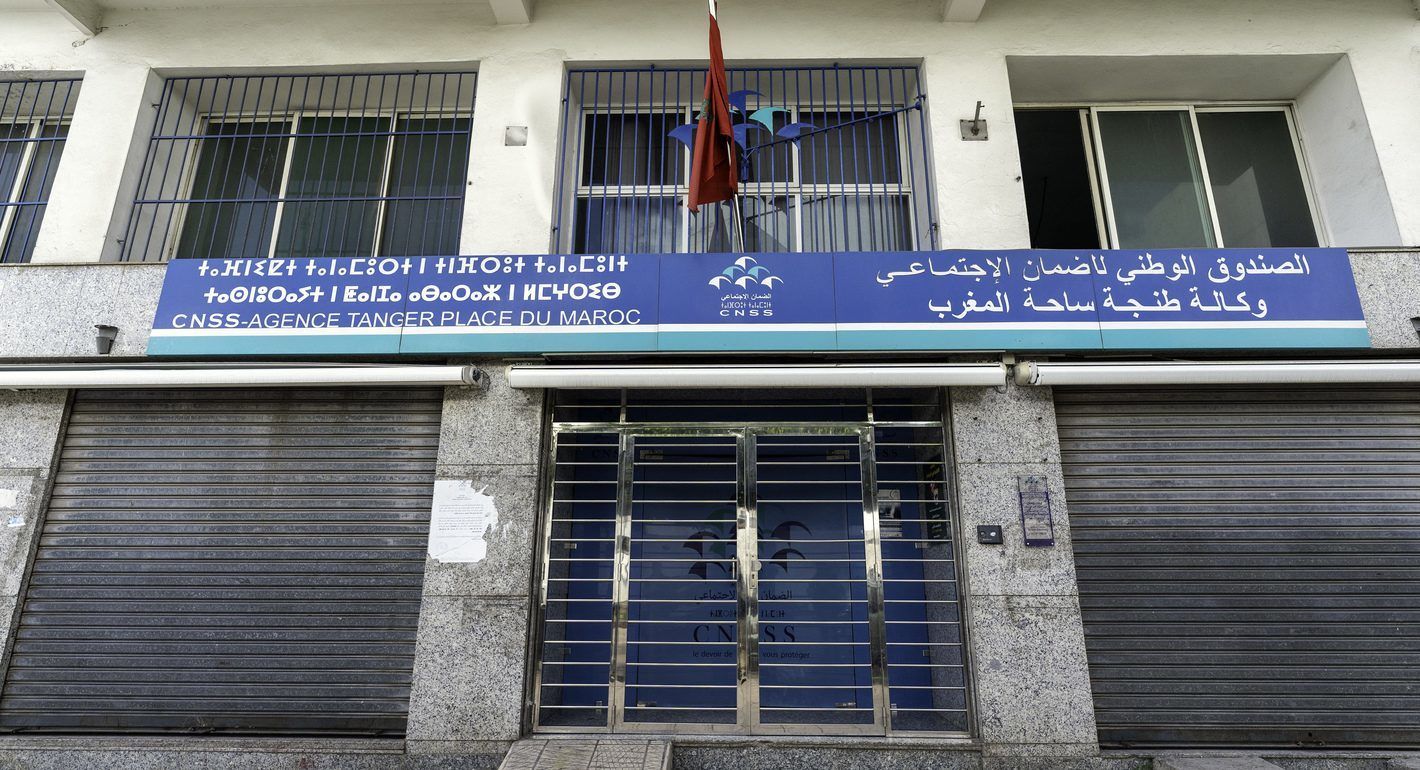
While Morocco’s shift to a digitized social targeting system improves efficiency and coordination in social programs, it also poses risks of exclusion and reinforces austerity policies. The new system uses algorithms based on socioeconomic data to determine eligibility for benefits like cash transfers and health insurance. However, due to technical flaws, digital inequality, and rigid criteria, many vulnerable families are unfairly excluded.
Abderrafie Zaanoun