

Article
Mohammed Masbah
{
  "authors": [
    "Mohammed Masbah"
  ],
  "type": "commentary",
  "blog": "Sada",
  "centerAffiliationAll": "",
  "centers": [
    "Carnegie Endowment for International Peace",
    "Malcolm H. Kerr Carnegie Middle East Center"
  ],
  "collections": [],
  "englishNewsletterAll": "",
  "nonEnglishNewsletterAll": "",
  "primaryCenter": "Malcolm H. Kerr Carnegie Middle East Center",
  "programAffiliation": "",
  "programs": [],
  "projects": [],
  "regions": [
    "North Africa",
    "Morocco"
  ],
  "topics": [
    "Civil Society"
  ]
}
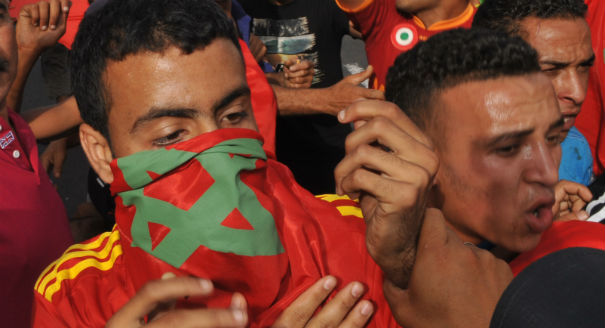
Source: Getty
Recent cases of violence at Moroccan universities expose the depth of the rift between Islamists and leftists, a rift that strengthens the regime’s hand.
During recent months, Morocco has seen rising tension between Islamists and secularists, escalating from wars of words to physical violence. The tension culminated in the April 24 killing by left-wing extremists of a student leader of Attajdid Tollabi (Student Renewal), a group close to the ruling Islamist Justice and Development Party (PJD). The shock of this incident has sparked fears that the Islamist-secularist confrontation could broaden, ultimately strengthening the regime’s position and undermining pro-democracy forces.
At the beginning of April, the Ibn Rochd Center, a secularist think tank in Rabat, held a roundtable discussion titled “The Left, Islamists, and Democracy: Is Mutual Understanding Possible?” Representatives from leftist and Islamist parties were invited along with a wide range of intellectuals to discuss how to overcome their division and form a united front for meaningful democratic reforms, something the Moroccan regime is reluctant to embrace. Days later, Attajdid Tollabi followed suit, announcing its own roundtable at Sidi Mohamed Ben Abdellah University in Fez and inviting PJD secretariat member Abdelali Hamieddine and Socialist Union for Popular Forces Party leader Hassan Tarek. During the run-up to the forum, the left-wing extremist group Annahj Democrati Al Qaidi (Basist Democratic Path), issued a statement on April 23 threatening the organizers that they would not tolerate the presence of PJD members, saying “They shall not pass, they shall not pass. . . . and if they pass, it will be over our dead bodies.”
The group specifically objected to the participation of Hamieddine, whom they accuse of taking part in the death of Mohamed Benaissa Ait El Jid in 1993 during clashes between Islamists and left-wing students at the very same university. Hamieddine was acquitted after serving two years of his sentence, and later in 2005, the equity and reconciliation commission compensated him for the years he wrongly spent in jail. However, the case still haunts Hamieddine and has been used as political ammunition against him and his party. Worried that clashes would take place, the Islamist students decided to cancel the event, but were caught by surprise when masked assailants armed with knives and swords attacked them on April 24, killing Abderrahim Hasnaoui and critically wounding two others. Attajdid Tollabi accuses Annahj Al Qaidi of carrying out the attack and has called on the government to list it as a terrorist organization.
Although this is not the first time that clashes between Islamist and leftist students have broken out—Moroccan Universities went through sporadic student violence between leftists and Islamists in the 1990s that caused some deaths and many injuries—in the recent clashes, a student belonging to a group closely affiliated with the ruling PJD was targeted. The PJD sees this as an attack on the party itself and an attempt to draw it into retaliatory violence. The authorities have taken a mixed stance towards the incident. After receiving royal support, the prime minister promised a halt to university violence, and dozens of students accused of involvement in the clashes were arrested, including several suspects in the murder of Hasnaoui. Likewise, the Ministry of the Interior and the Ministry of Higher Education signed a joint protocol granting security forces the right to intervene on campuses without the university president’s permission should there be a threat to public security. However, they banned several student activities, including one memorial for the slain student at the crime scene.
Attajdid Tollabi has also accused government television channels, such as 2M, of a biased coverage of the incident and the clashes leading up to it. The PJD joined in, blaming the opposition parties and pro-regime media for their unbalanced portrayal of events and attempts to undermine relations between pro-democracy forces in Morocco. For their part, leftists argue that the PJD is exploiting Hasnaoui’s death for political gain. The Unified Socialist Party has both demanded that the minister of higher education step down and accused Prime Minister Abdelilah Benkirane of taking sides after he attended Hasnaoui’s funeral with a high-level government delegation.
The authorities have long been slow to take decisive action against violence on campuses. Given restrictions about security interventions in universities, the authorities do not have much leeway; the most they can do is occasionally issue slap-on-the-wrist sentences to troublesome elements. This partially explains why they have been slow to address Annahj Al Qaidi’s disruptions. The group targets a range of other student factions across the political spectrum and uses violence to disrupt studies and boycott exams; it is active primarily in towns like Fez, Meknes, Agadir, and Oujda, as most of its members come from the marginalized rural and suburban areas around those cities. Its most violent branch is at Dhar el-Mehraz University in Fez, where in 2013 it shut down the Faculty of Literature and Humanities by chaining it off for two months in support of exam boycotts organized by the National Union of Moroccan Students. Despite repeated complaints, the authorities did not effectively pursue the group’s members.
Some have argued that the other reason behind the authorities’ limited involvement is a bias toward the left-wing group, or at least a bias against their common antagonist: Islamist groups. While it is difficult to prove that the authorities are turning a blind eye to the actions of the left-wing group, the state’s security-oriented mentality does put a premium on maintaining a balance of power at universities between Islamists and secularists. Whenever it senses these groups are coming to terms with one another, the regime instinctively seeks to prevent them from reaching a rapprochement by bringing up skeletons from their closets and triggering ideological conflict.
The divisions and animosity, prevalent among politically engaged youth at the university level, has been extending to the political arena. For instance, a week after Hasnaoui’s murder, a left-wing activist charged that PJD parliamentarian Abdessamad Idrissi—who is also incidentally representing Hasnaoui’s family—had assaulted her when she was a student in 1997, which Idrissi argued was a baseless attempt to intimidate him into dropping his case. Prior to that, a few months ago the 2M channel aired a video of a Salafi sheikh labeling a secularist political leader as an infidel, after the latter had made statements about the need to reform inheritance rights and polygamy practices. Tension between Islamists and secularists spiked after the video was shown. Also conveniently, over the last two years, the question of Ait El Jid’s killing in 1993 seems to surface whenever the regime’s interests conflict with the PJD’s. The regime seems to take full advantage of these divisions, and on occasion reminds secularists and Islamists of their deep disagreements and animosity.
The pro-regime Modernity and Authenticity Party (PAM) does not hide its support for Annahj Al Qaidi students. On May 5, two weeks after Hasnaoui’s murder, the PAM organized a press conference in which it reaffirmed its support for Annahj Al Qaidi, argued that the PJD should assume moral responsibility for Hasnaoui’s death, and claimed that Hamieddine’s planned attendance caused the violence. The group stated that Hamieddine “had to pay the price” for attending a forum in Fez that contributed to “rising tension between student groups.”
With Hasnaoui’s murder destroying what little trust remained between Islamists and secularists, the chances of any agreement between the two sides is looking slimmer. In heated arguments, Islamists have criticized left-wing movements for not openly condemning the murder and accused them of trying to justify it as retaliation for Ait El Jid’s killing over 20 years ago. Meanwhile, Hamieddine has insinuated that whoever is behind this “plotted this crime to stop any rapprochement between the left and the Islamists, and is still trying to blow up the idea of dialogue while waiting for the right time to return to hegemony.”
Nonetheless, there is still a chance tensions can be deescalated and the rift mended. Several initiatives have been launched to end the violence and encourage tolerance, among them Attajdid Tollabi’s “Combating University Violence” campaign, which aims to raise awareness of these issues among students and calls on other factions to renounce violence. The majority of grassroots student political factions are ready to do so, but as long as the split between the elites continues, it will be difficult to achieve a rapprochement between them in the foreseeable future, which works in favor of those opposed to reform in Morocco.
Mohammed Masbah is a fellow at the German Institute for International and Security Affairs in Berlin and a regular contributor to Sada.
This article was translated from Arabic.
Former Nonresident Scholar, Middle East Center
Masbah was a nonresident scholar at the Carnegie Middle East Center. He is a political-sociologist whose work centers on Salafism, political Islam, authoritarianism, and youth movements, with a focus on North Africa.
Recent Work
Mohammed Masbah
Mohammed Masbah, Souad Ahmadoun
Carnegie does not take institutional positions on public policy issues; the views represented herein are those of the author(s) and do not necessarily reflect the views of Carnegie, its staff, or its trustees.
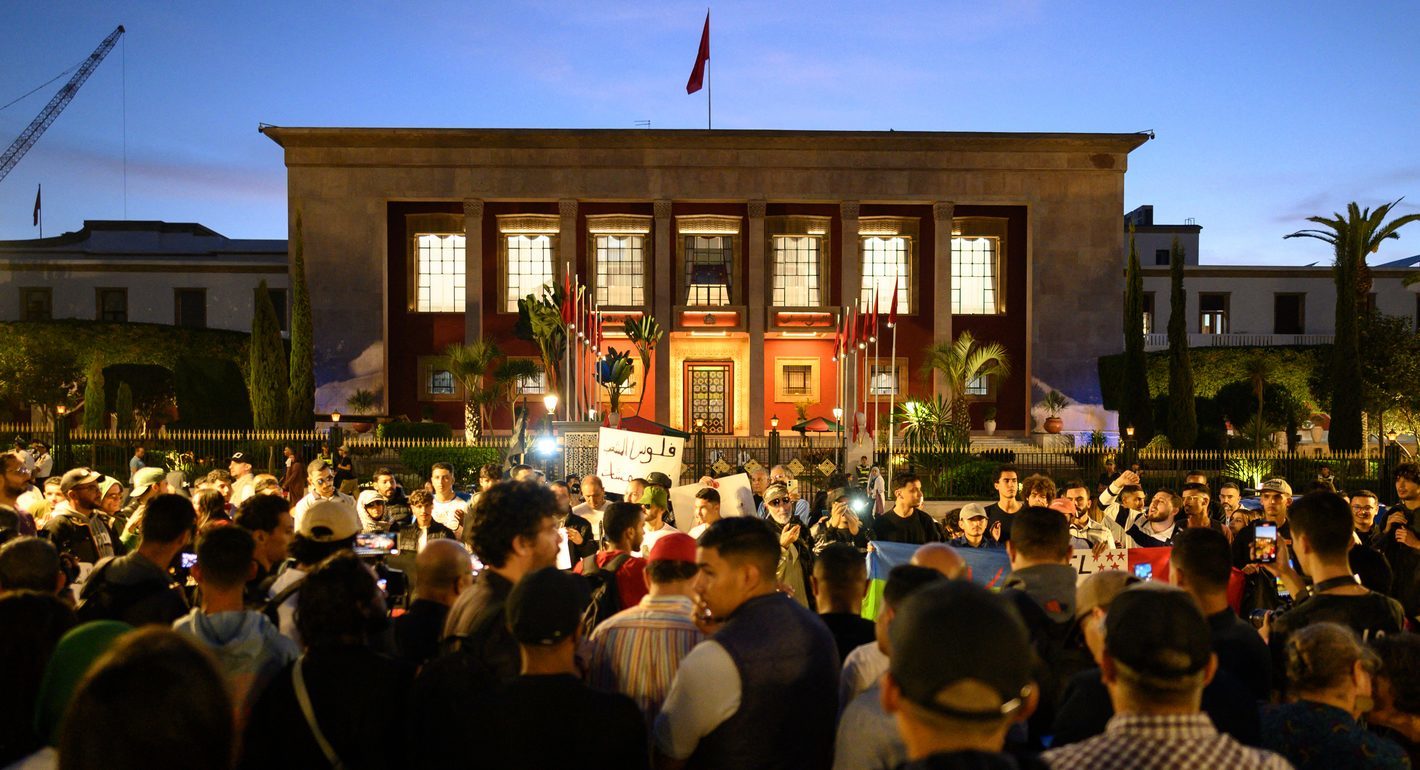
From anime heroes to online gaming communities, Morocco’s Gen Z is building a new protest culture. What does this digital imagination reveal about youth politics, and how should institutions respond?
Abdelilah Farah
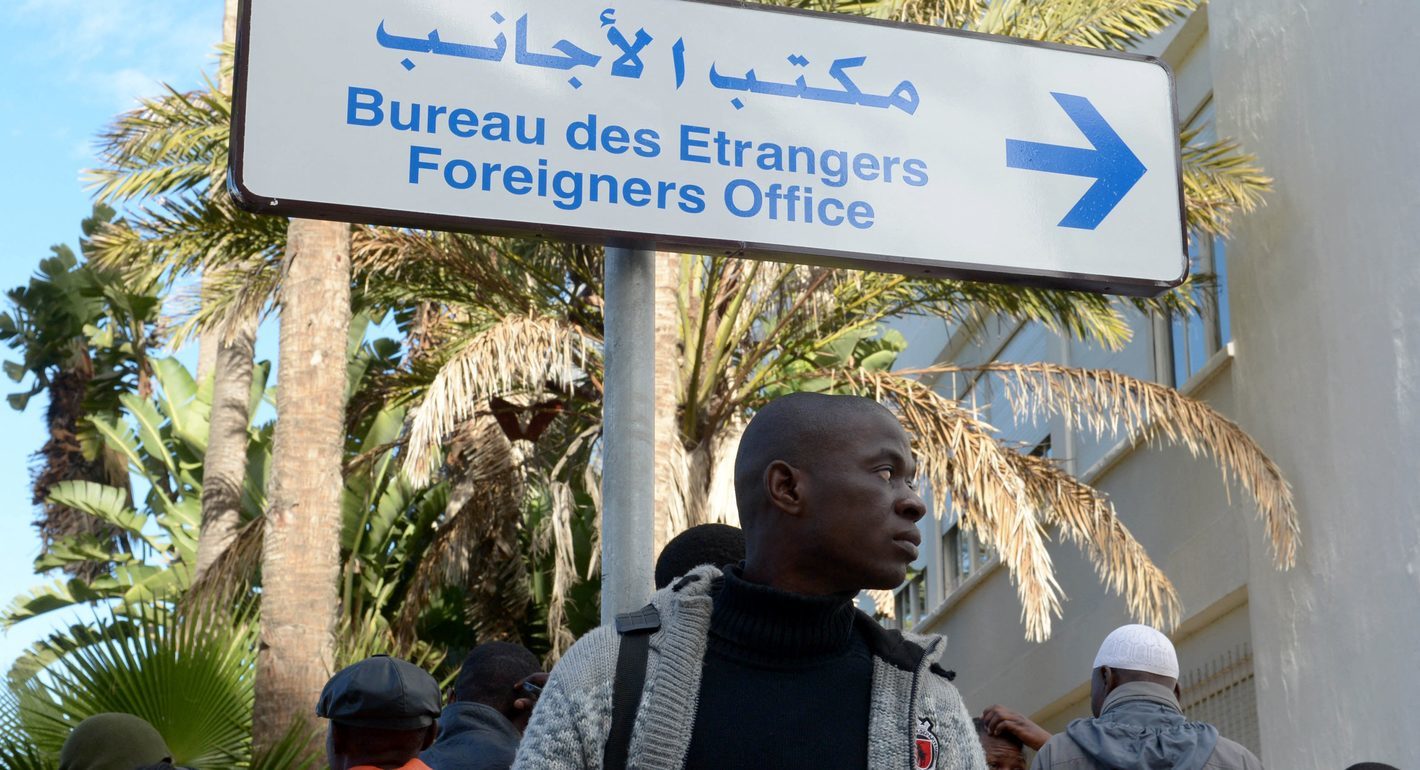
Is Morocco’s migration policy protecting Sub-Saharan African migrants or managing them for political and security ends? This article unpacks the gaps, the risks, and the paths toward real rights-based integration.
Soufiane Elgoumri
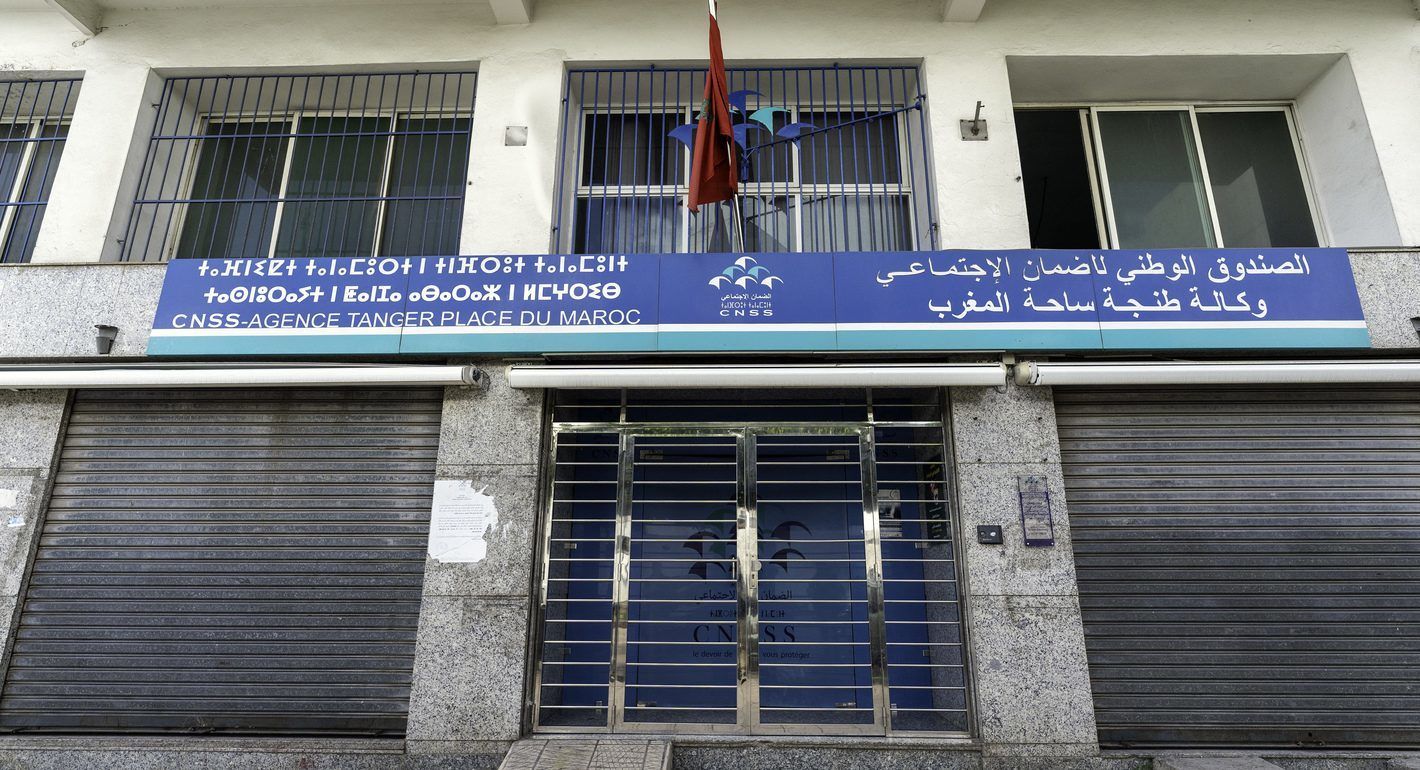
While Morocco’s shift to a digitized social targeting system improves efficiency and coordination in social programs, it also poses risks of exclusion and reinforces austerity policies. The new system uses algorithms based on socioeconomic data to determine eligibility for benefits like cash transfers and health insurance. However, due to technical flaws, digital inequality, and rigid criteria, many vulnerable families are unfairly excluded.
Abderrafie Zaanoun
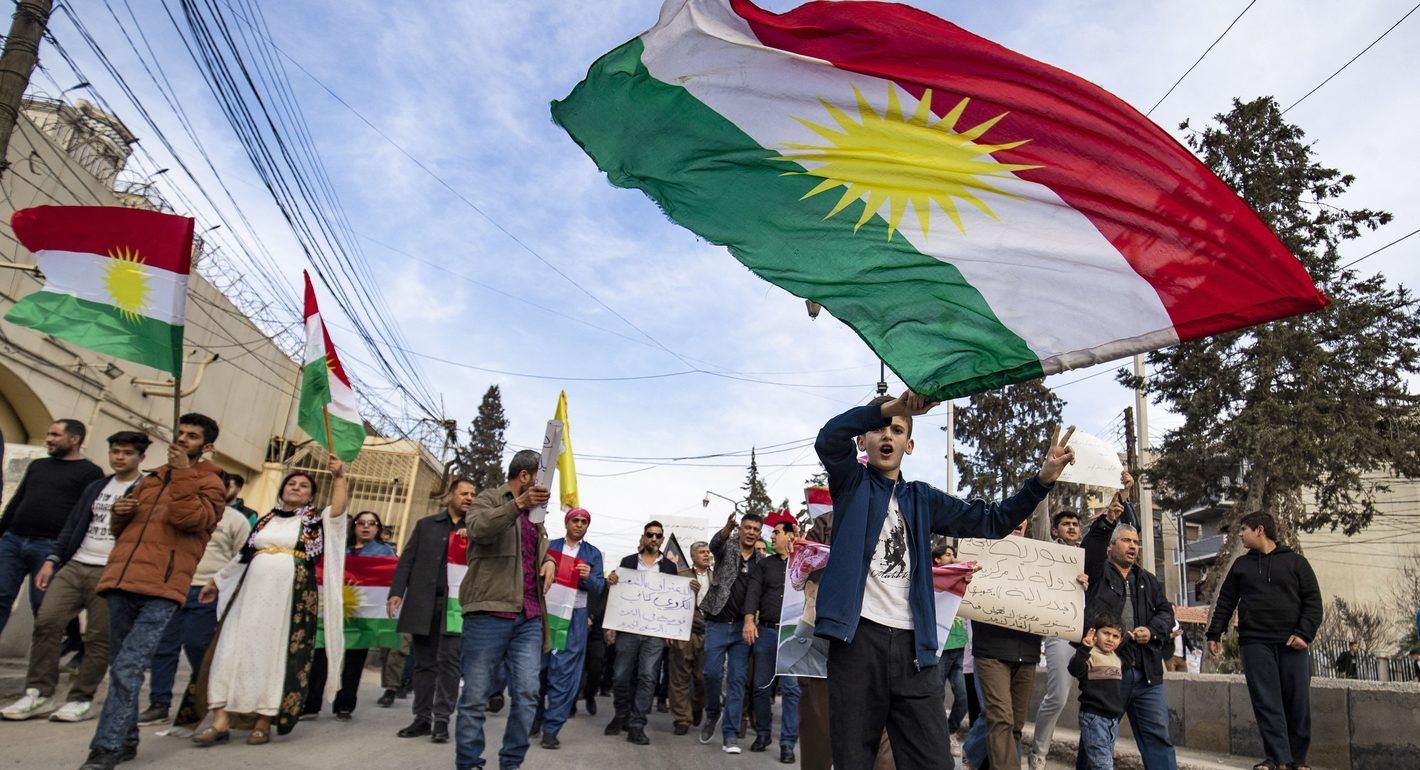
Saudi Arabia’s cautious stance on the Syrian Kurds reflects a delicate balance between leveraging Kurdish autonomy to counter Iran’s influence and managing the risks of destabilizing Syria’s territorial integrity. While Saudi Arabia seeks to safeguard its interests in the region, it remains wary of the potential internal and external consequences of supporting Kurdish autonomy.
Mohammad Salami
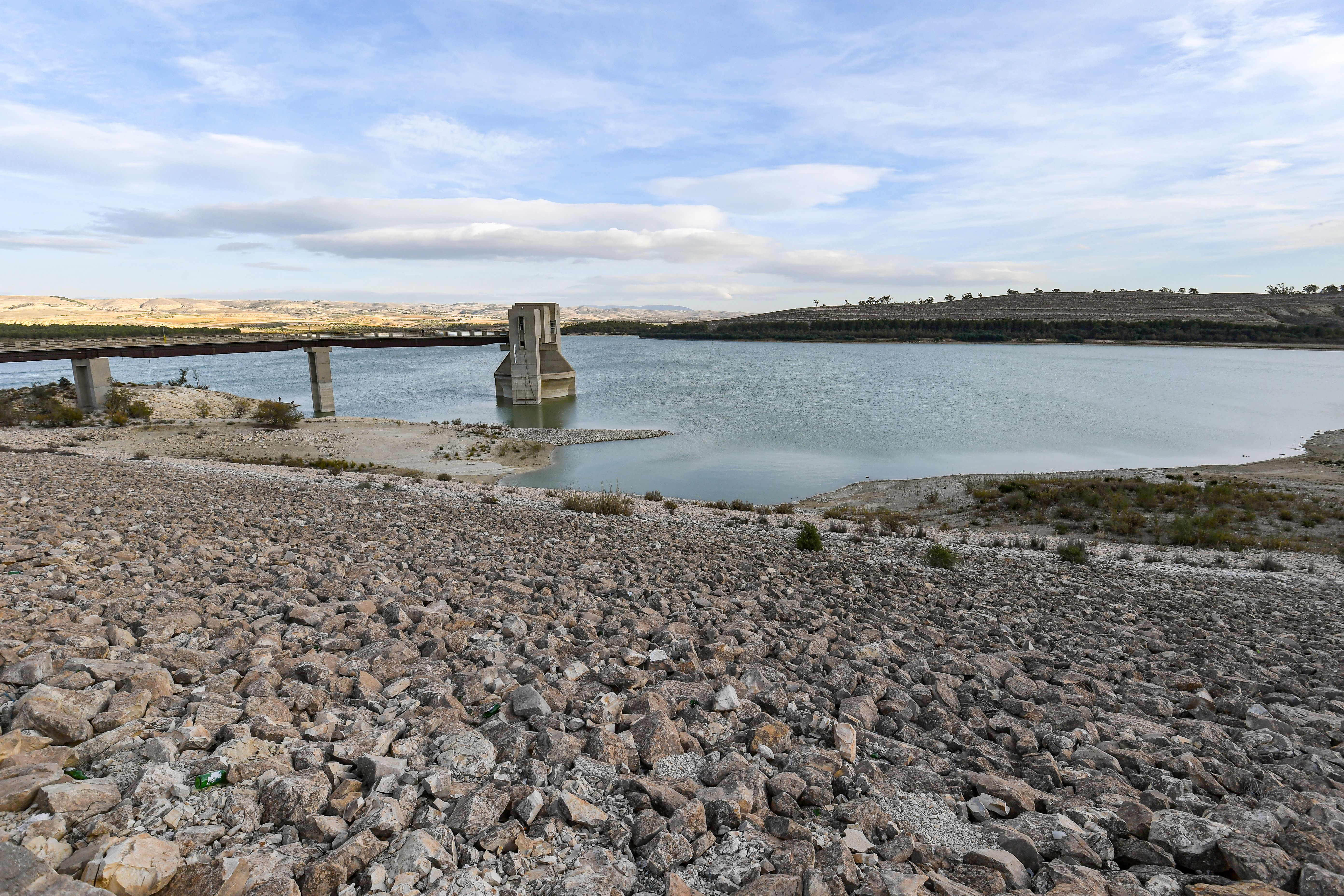
Tunisia is facing a worsening water crisis characterized by widespread protests over access to potable water, particularly in rural areas with underdeveloped supply networks. This situation is exacerbated by climate change, outdated agricultural policies, and industrial water consumption, necessitating comprehensive policy reforms to secure Tunisians’ constitutional right to water and ensure equitable access across the country.
Noura Omar