

Commentary
From anime heroes to online gaming communities, Morocco’s Gen Z is building a new protest culture. What does this digital imagination reveal about youth politics, and how should institutions respond?
Abdelilah Farah
{
  "authors": [
    "Johannes Makar"
  ],
  "type": "commentary",
  "blog": "Sada",
  "centerAffiliationAll": "",
  "centers": [
    "Carnegie Endowment for International Peace"
  ],
  "collections": [],
  "englishNewsletterAll": "",
  "nonEnglishNewsletterAll": "",
  "primaryCenter": "Carnegie Endowment for International Peace",
  "programAffiliation": "",
  "programs": [],
  "projects": [],
  "regions": [
    "North Africa",
    "Egypt"
  ],
  "topics": [
    "Democracy",
    "Civil Society",
    "Religion"
  ]
}
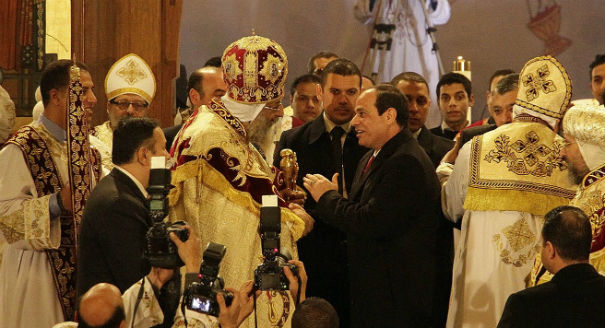
Source: Getty
Pope Tawadros II, the main political voice of the Coptic community, has seemingly allied with President Sisi, but this comes at the expense of defending Coptic rights.
On Christmas Eve Mass on January 6, 2015—when President Abdel Fattah el-Sisi became the first Egyptian president to attend a church on the Coptic holy day—the congregation erupted in applause. The Egyptian Pope Tawadros II, who took office in November 2012, expressed his steadfast support for Sisi and called on his adherents to back the regime. Other prominent clerics, such as Father Makary Younan, even claimed Sisi had been “sent from heaven.” But despite the church leadership’s conservative leanings, not all Copts support the Pope’s partisan leanings. The Pope’s lack of neutrality and support for the regime may even be limiting the church’s ability to protect the rights of the Coptic community.
The Coptic papacy has dominated the community’s political activism since the 1950s—after Nasser’s de facto dissolution of the al-Maglis al-Milli, a powerful council of Coptic laymen—but papal hegemony has not bettered the community’s lot. Discrimination against Copts is deeply embedded in Egyptian society, not only among radical Islamists (as state media frequently mentions), but among governmental and military ranks as well. Successive governments have maintained, for instance, strict policies on the construction of new churches or maintenance of existing ones. Among other things, the president’s authorization is required in order to repair basic items such as a church’s toilet. Christians were promised after Morsi’s ouster in July 2013 that the government would remove “all barriers to building churches,” signaling a long-awaited breakthrough, but the issue remains unresolved.
The Pope’s support for the military-backed regime is often explained in terms of security for Egypt’s Christian community. But the state’s record in protecting Copts has, however, been mixed. For example, documents seized by protesters storming the premises of the security services in March 2011 have raised concerns about the role of the security services in the 2011 bombing in Alexandria that killed 23 worshippers at the Church of the Two Saints. According to documents published by Youm7, security services had established a secret unit and recruited members of al-Gama ?a al-Islamiyya and other extremist groups to conduct the attack.
In more recent cases of Islamist violence against Christians—which has warranted extensive media attention—Egypt’s security apparatus and judicial system have failed to deliver justice. In August 2013, when a wave of violence hit more than 40 churches, security forces left their posts during some attacks or stood idly by as the fury unfolded. The authorities later vowed to reconstruct the damaged churches, but those promises have largely fallen through as well.
For Coptic activists, these security incidents underscore the need for Pope Tawadros II to reverse the church’s role in domestic politics. The Pope has done little to put the issue on the political agenda, and only a few other clerics have dared to openly criticize the regime for its inertia. The Pope’s backing of the Sisi regime risks coming at the expense of the community’s long-term ability to defend its rights. Among his critics, the most prominent is Father Philopateer Gameel Aziz, who has repeatedly condemned the army over the Maspero killings. He was in turn accused of inciting violence against the Egyptian Armed Forces, and a military court imposed a brief travel ban on him in 2012. Moreover, Father Matias has repeatedly advocated for the fair representation of the Copts in politics and denounced Egypt’s judiciary for failing to protect Egypt’s largest minority.
Both clerics are coordinating with the Maspero Youth Union, which was established in the wake of the 2011 Maspero Massacre in which military police opened fire on Muslim and Christian demonstrators, killing 28 people. The pope has drawn much criticism for suggesting that the Muslim Brotherhood was behind the incident and supporting former president Hosni Mubarak’s acquittal, among other things. The union has thus provided Coptic activists an important platform to express their demands and served as a model for independent Coptic activism outside papal politics.
Yet despite these dissenting voices, the papacy is still the central political force for the Coptic community. Many Christians back the Pope out of suspicion of secular institutions such as al-Maglis al-Milli and their fear that opposition would further marginalize the community, which is already heavily underrepresented in the national decision-making process. But if persistent discrimination against Copts is to be addressed, the papacy will sooner or later have to embrace an active Coptic civil society and their demands for reform. In such a scenario, the Pope would step back from his worldly powers and grant Copts an active and critical political role by encouraging Egyptian youth to vigorously participate in society and claim equal citizenship. Otherwise Copts as a whole risk being viewed as steadfast supporters of the Sisi government.
Johannes A. Makar is an MA candidate at Leiden University. He has written for various print and online media, including Daily News Egypt and the Atlantic Council’s EgyptSource.
Johannes Makar
Carnegie does not take institutional positions on public policy issues; the views represented herein are those of the author(s) and do not necessarily reflect the views of Carnegie, its staff, or its trustees.
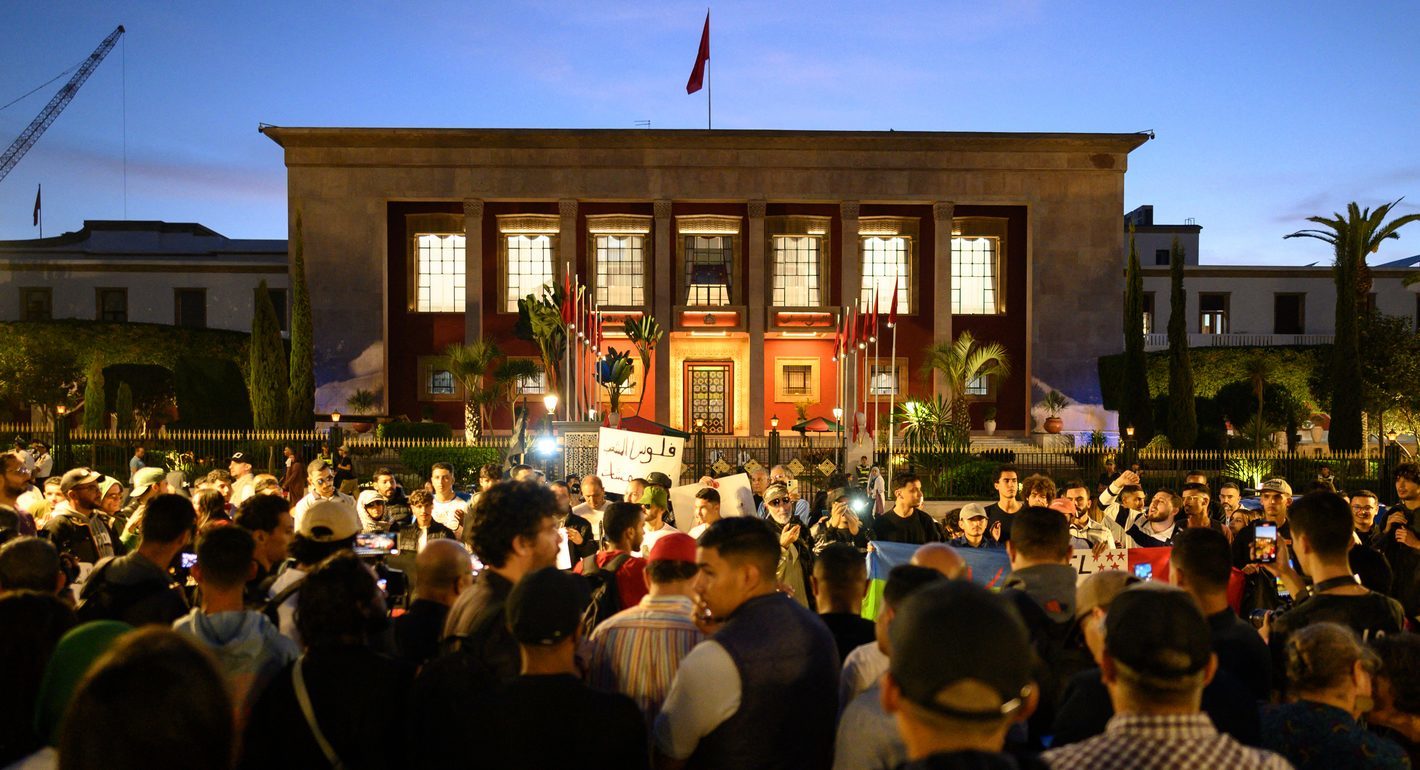
From anime heroes to online gaming communities, Morocco’s Gen Z is building a new protest culture. What does this digital imagination reveal about youth politics, and how should institutions respond?
Abdelilah Farah
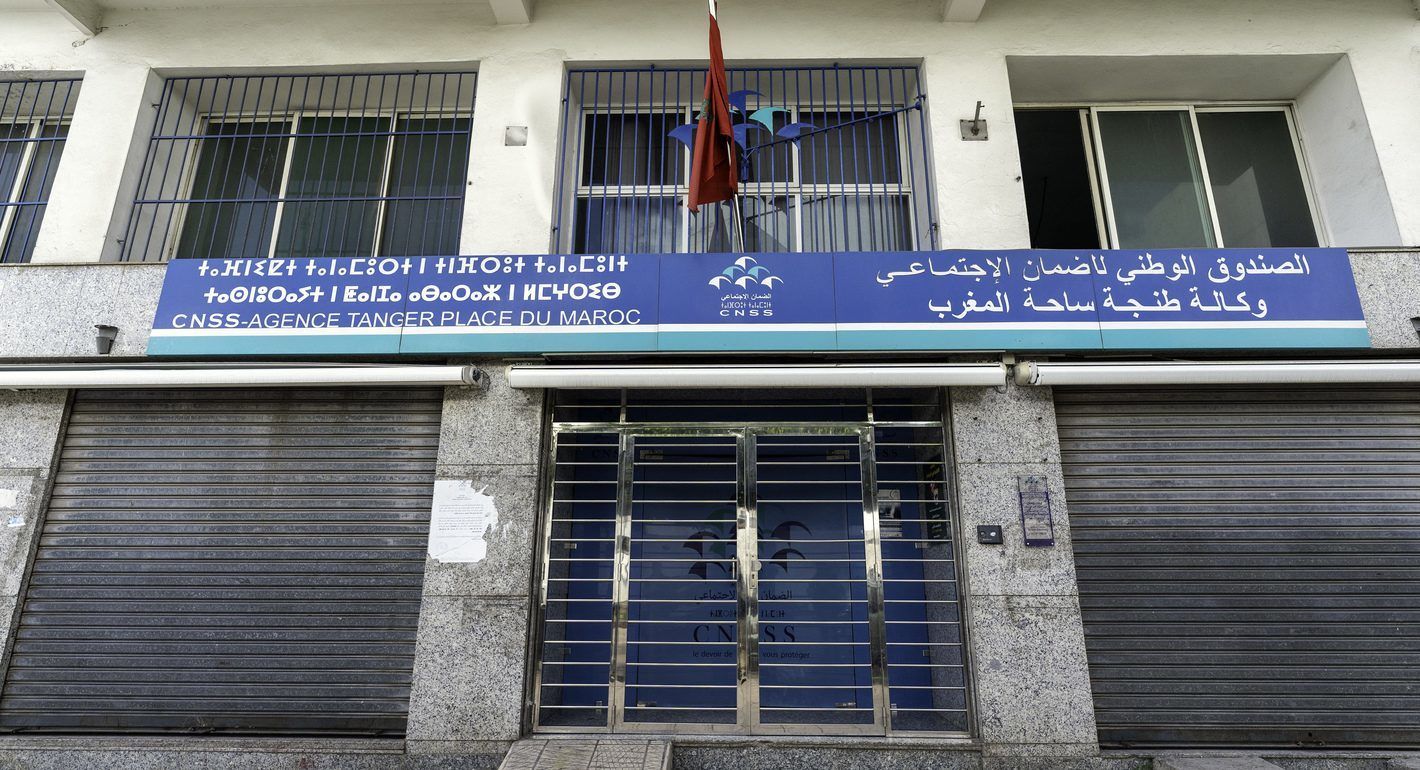
While Morocco’s shift to a digitized social targeting system improves efficiency and coordination in social programs, it also poses risks of exclusion and reinforces austerity policies. The new system uses algorithms based on socioeconomic data to determine eligibility for benefits like cash transfers and health insurance. However, due to technical flaws, digital inequality, and rigid criteria, many vulnerable families are unfairly excluded.
Abderrafie Zaanoun
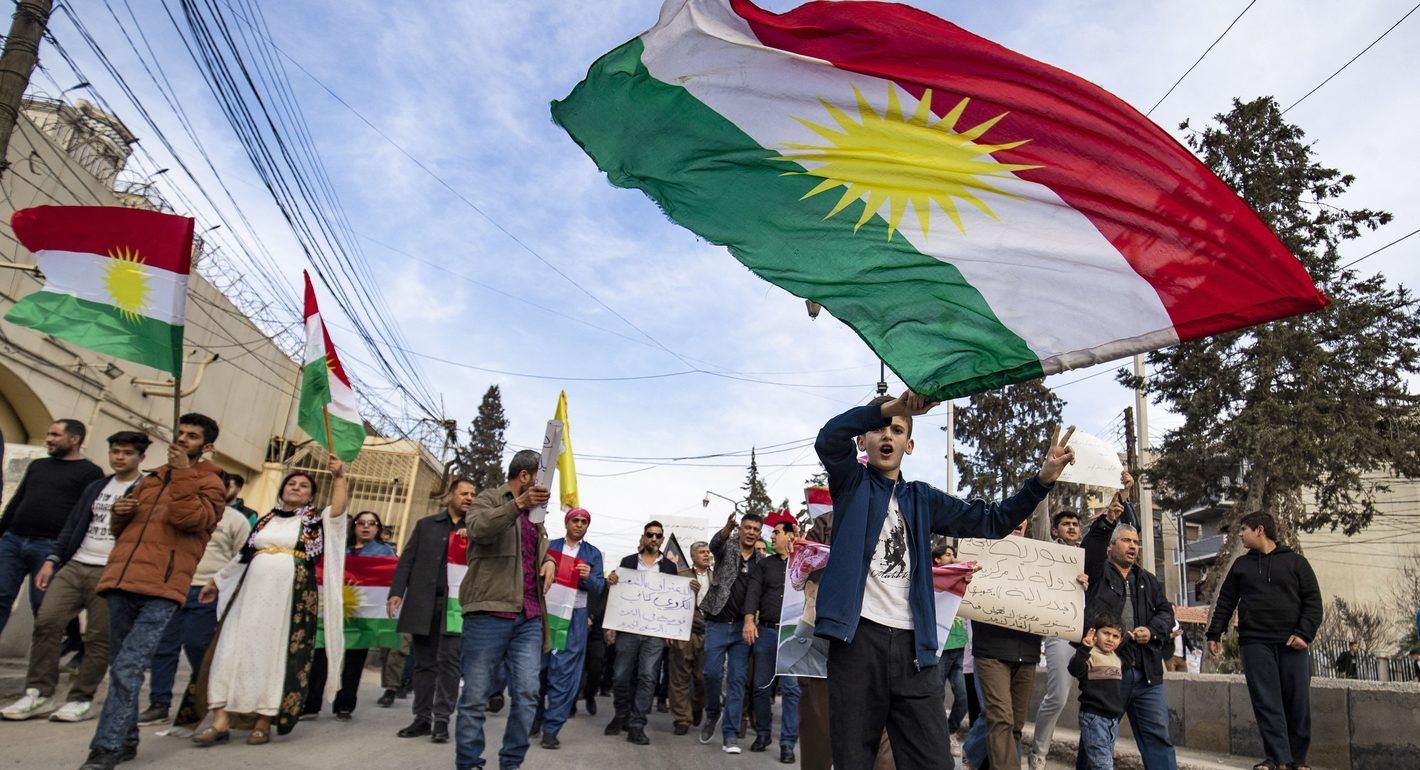
Saudi Arabia’s cautious stance on the Syrian Kurds reflects a delicate balance between leveraging Kurdish autonomy to counter Iran’s influence and managing the risks of destabilizing Syria’s territorial integrity. While Saudi Arabia seeks to safeguard its interests in the region, it remains wary of the potential internal and external consequences of supporting Kurdish autonomy.
Mohammad Salami

Tunisia is facing a worsening water crisis characterized by widespread protests over access to potable water, particularly in rural areas with underdeveloped supply networks. This situation is exacerbated by climate change, outdated agricultural policies, and industrial water consumption, necessitating comprehensive policy reforms to secure Tunisians’ constitutional right to water and ensure equitable access across the country.
Noura Omar
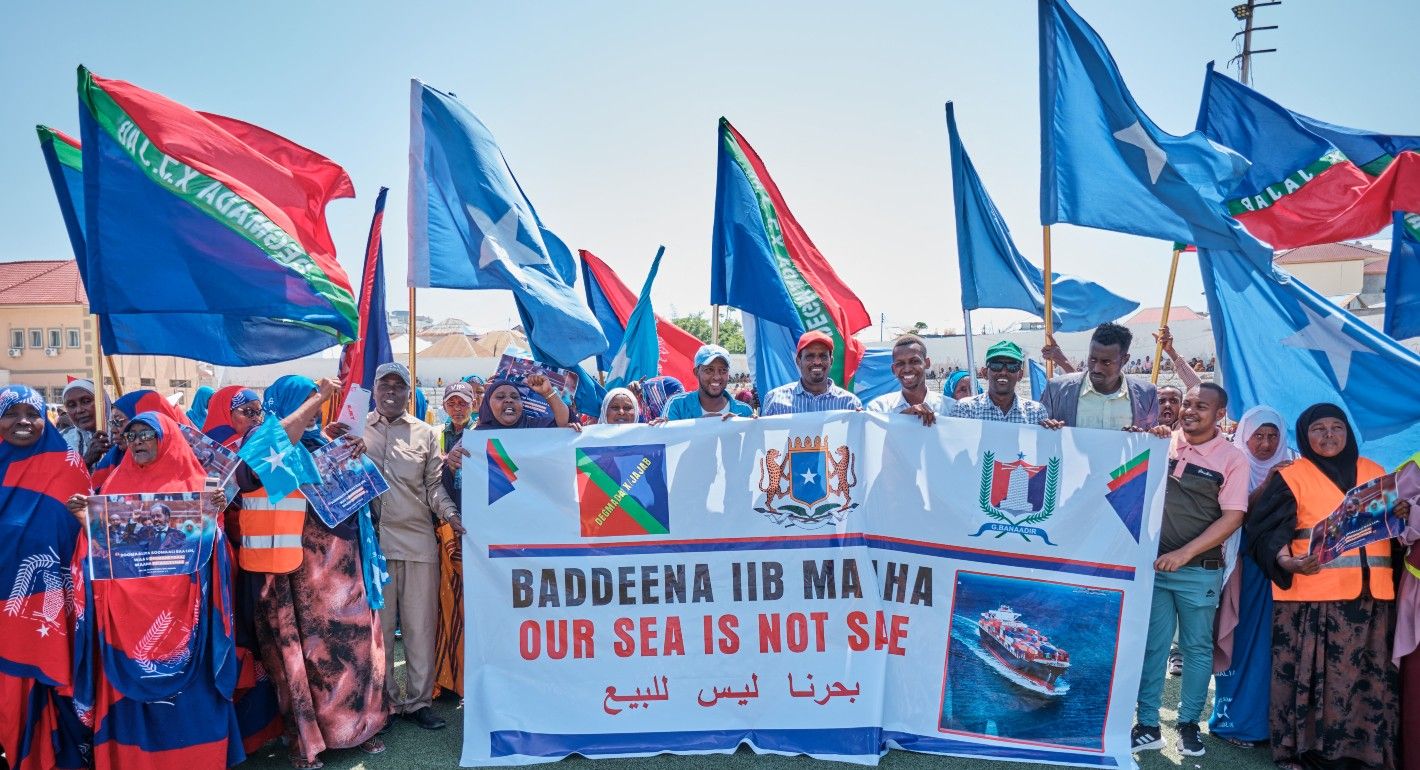
As hegemonic Ethiopian ambitions threaten stability in the Horn of Africa, Somalia is building strategic alliances regionally and internationally to counter Ethiopia’s growing political and military influence.
Hisham Qadri Ahmed