

Commentary
From anime heroes to online gaming communities, Morocco’s Gen Z is building a new protest culture. What does this digital imagination reveal about youth politics, and how should institutions respond?
Abdelilah Farah
{
  "authors": [
    "Imad Stitou"
  ],
  "type": "commentary",
  "blog": "Sada",
  "centerAffiliationAll": "",
  "centers": [
    "Carnegie Endowment for International Peace"
  ],
  "collections": [
    "Arab Awakening"
  ],
  "englishNewsletterAll": "",
  "nonEnglishNewsletterAll": "",
  "primaryCenter": "Carnegie Endowment for International Peace",
  "programAffiliation": "",
  "programs": [],
  "projects": [],
  "regions": [
    "North Africa",
    "Morocco"
  ],
  "topics": [
    "Civil Society"
  ]
}
Source: Getty
Although the Moroccan far left recognizes that boycotting elections will marginalize them further, their anticipated participation is unlikely to secure them any gains.
The Federation of the Democratic Left (FGD)—a union comprising three radical leftist Moroccan parties: the United Socialist Party (PSU), the Socialist Democratic Vanguard Party (PADS), and the National Ittihadi Congress (CNI)—announced last year that it would enter the upcoming local and parliamentary elections in Morocco. Despite this initial announcement, many doubted they would participate, as the existing political parties law forbade unions from running on union lists. But on May 15 the Council of Ministers approved the revised version the FGD had demanded, allowing party unions to participate in elections on joint lists. Yet while this ends these radical leftist parties’ boycott of Moroccan elections at the moment, their participation is unlikely to ensure significant gains.
The traditional parties on the far left, with the exception of the CNI, had previously refused to participate in the early elections held on November 25, 2011, the first after Morocco adopted new constitutional amendments. PADS and PSU, along with the Democratic Way party, boycotted because they believed that the new constitution would result in a subservient government and that nothing has changed in regards to elections. The Democratic Way, the most extreme of the radical leftist parties, has remained firm in its stance, claiming participation would grant legitimacy to a process it views as fraudulent. Yet while most of these parties’ reasons for boycotting the political process in 2011 have not changed, the FGD has reconsidered its position and will take part in elections. It now believes the moment is crucial and that a permanent boycott would leave leftist seats vacant—to be filled by a sham parliamentary opposition led by coopted parties.
Although the birth of the FGD in January 2014 initially renewed hopes that leftist forces might unify in Morocco, this alliance may have been intended to differentiate these political forces from the Democratic Way and its positions, which the FGD views as nihilist. Some fear that this alliance is merely an electoral gambit driven by these parties’ fear of being isolated if they do not maintain their boycott on institutional participation. In the context of the so-called democratic struggle (in both the institutional and popular sense), ending their boycott is ideologically consistent. The choice to boycott was a tactical and provisional one, not a permanent choice—these parties previously participated in some elections and boycotted others.
Yet while the FGD is in agreement regarding the need to end their boycott, there may not be a consensus among these parties’ bases about what they want from the alliance and the participation. After the 2011 election, PSU and PADS have come to rethink their boycott, which left them further isolated and detached. The FGD parties are hoping participating in the elections will reconnect them with citizens and serve as a means to explain their choices, programs, and plans. Yet participation also runs the risk of exposing the weakness of these parties. The parties remain mired in organizational problems, they have not built any social base that can support them in elections, and failure to win enough seats for a parliamentary team will only widen their internal divisions. After boycotting the elections for so long, few believe in and support them, and their chances of winning enough seats remain very small. Furthermore, because their positions and views are not in line with those of the reformist leftist parties, they are unlikely to operate and coordinate with other parties. Even if they obtain a few seats, the FGD would be further isolated and lose influence to the larger leftist parties. Supporters of this view feel the parties should prioritize rebuilding networks and addressing internal problems before entering any election.
But many within the three parties see the elections as an important way to determine their real weight and support among Moroccans. The FGD is not betting on immediate electoral success but wants to use this year’s elections to build up popular support that could enable it to obtain better results in future elections. Through participating, the FGD would at least be able to find a foothold in the electoral scene, mobilize the support of new groups, and win the sympathy of undecided voters, thus forming a potential popular base.
However, these parties have yet to provide clear explanations to this potential voter base for how participating in elections will achieve the goals listed in their founding charter—most notably transitioning to a parliamentary monarchy system, building a democratic civil state, and achieving social justice. They have set conditions for their participation, including the release of all political prisoners, an end to the harassment of human rights associations, the formation of an independent national authority to oversee elections, and the preparation of new electoral lists. Although these have not yet been achieved, nor are they likely to be before elections, the general inclination within the FGD appears to support participation regardless.
Any current among the Moroccan far-left factions that chooses to participate in the elections will face a number of challenges, most notably how to translate its call for opposition and resistance into electoral votes that will allow them to change the balance of power. The FGD alliance knows this task is difficult, and they are unlikely to exceed the six seats the three parties collectively secured in the 2007 parliamentary elections. And many within the FGD parties fear participating in the elections will only entrench their status as a minority, while boycotting renders them intellectual clubs—not political parties—that merely organize seminars and symposia.
Imad Stitou is Rabat-based journalist. Follow him on Twitter @StitouImad.
This article was translated from Arabic.
Imad Stitou
Carnegie does not take institutional positions on public policy issues; the views represented herein are those of the author(s) and do not necessarily reflect the views of Carnegie, its staff, or its trustees.
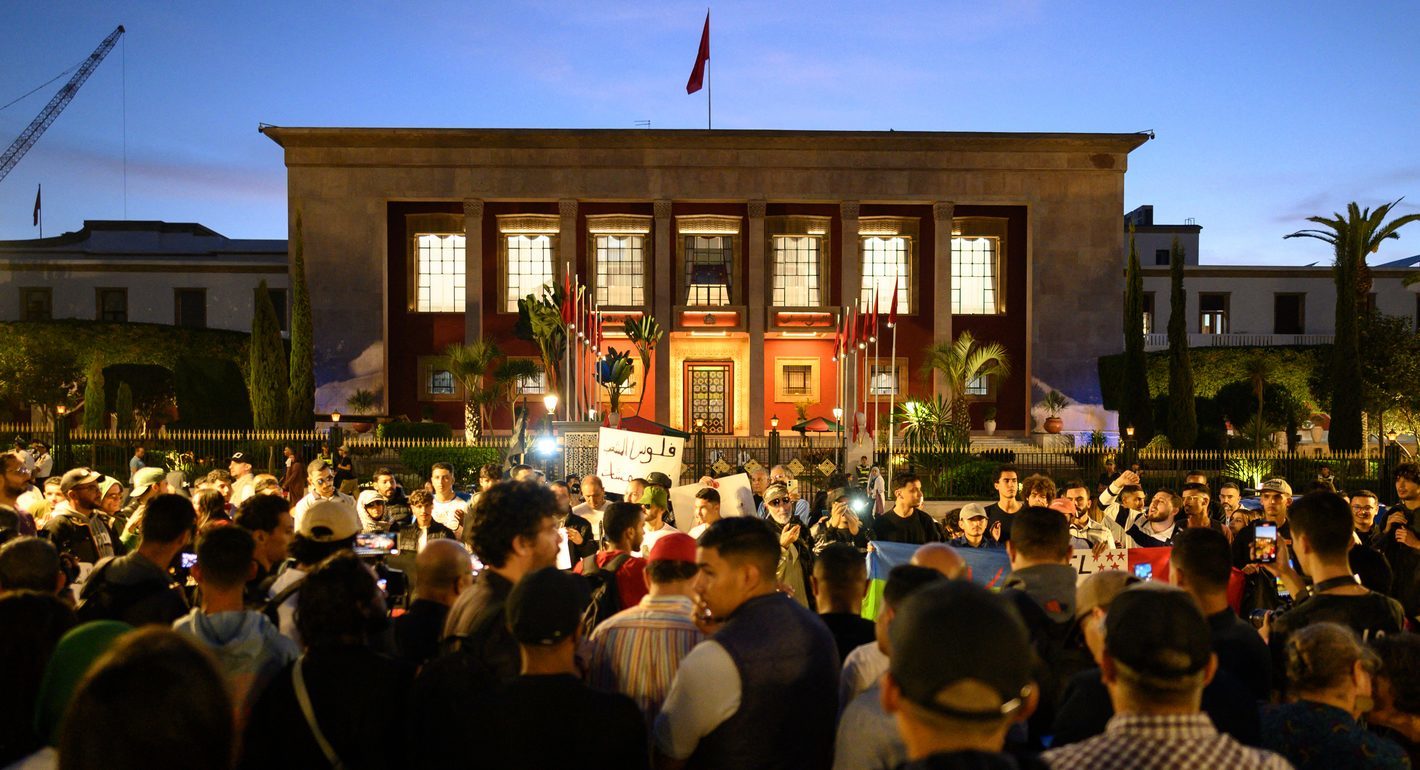
From anime heroes to online gaming communities, Morocco’s Gen Z is building a new protest culture. What does this digital imagination reveal about youth politics, and how should institutions respond?
Abdelilah Farah
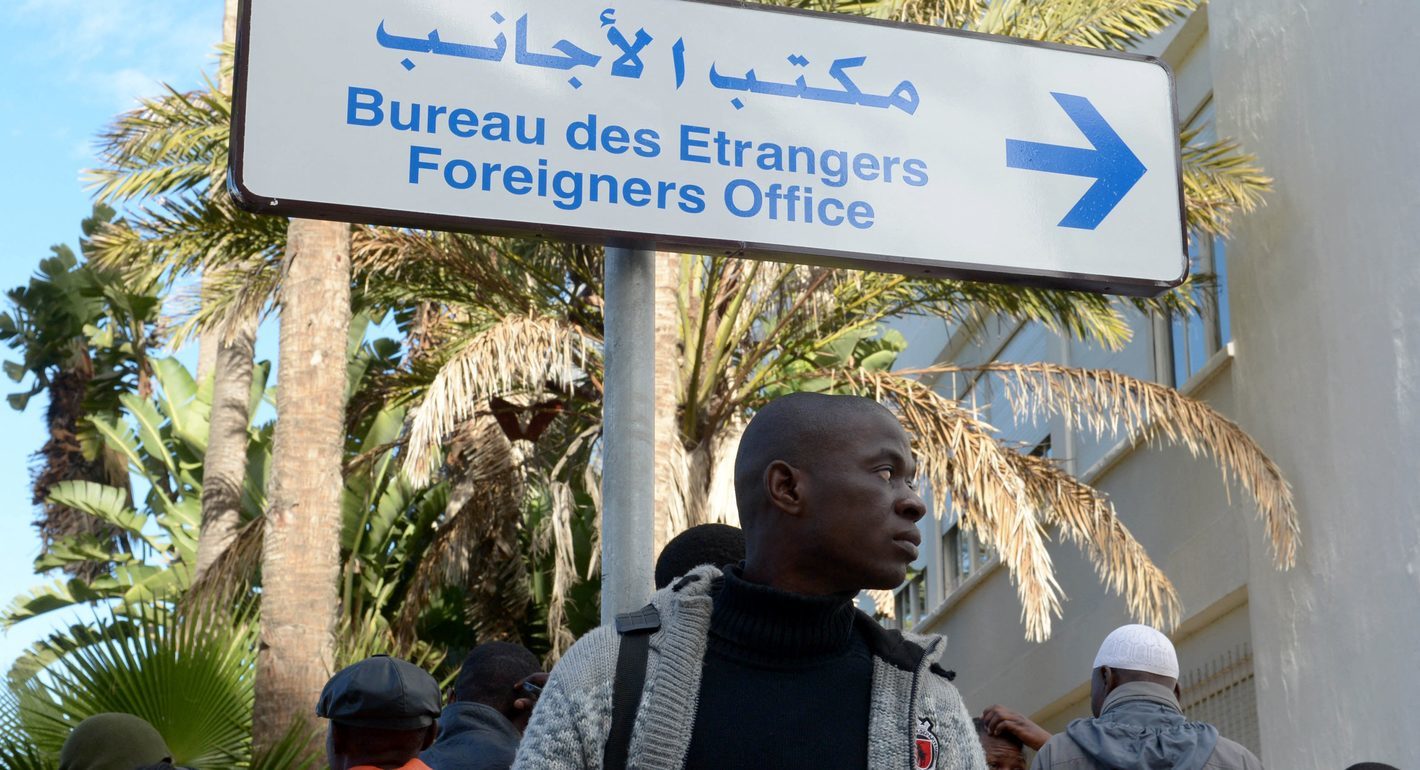
Is Morocco’s migration policy protecting Sub-Saharan African migrants or managing them for political and security ends? This article unpacks the gaps, the risks, and the paths toward real rights-based integration.
Soufiane Elgoumri
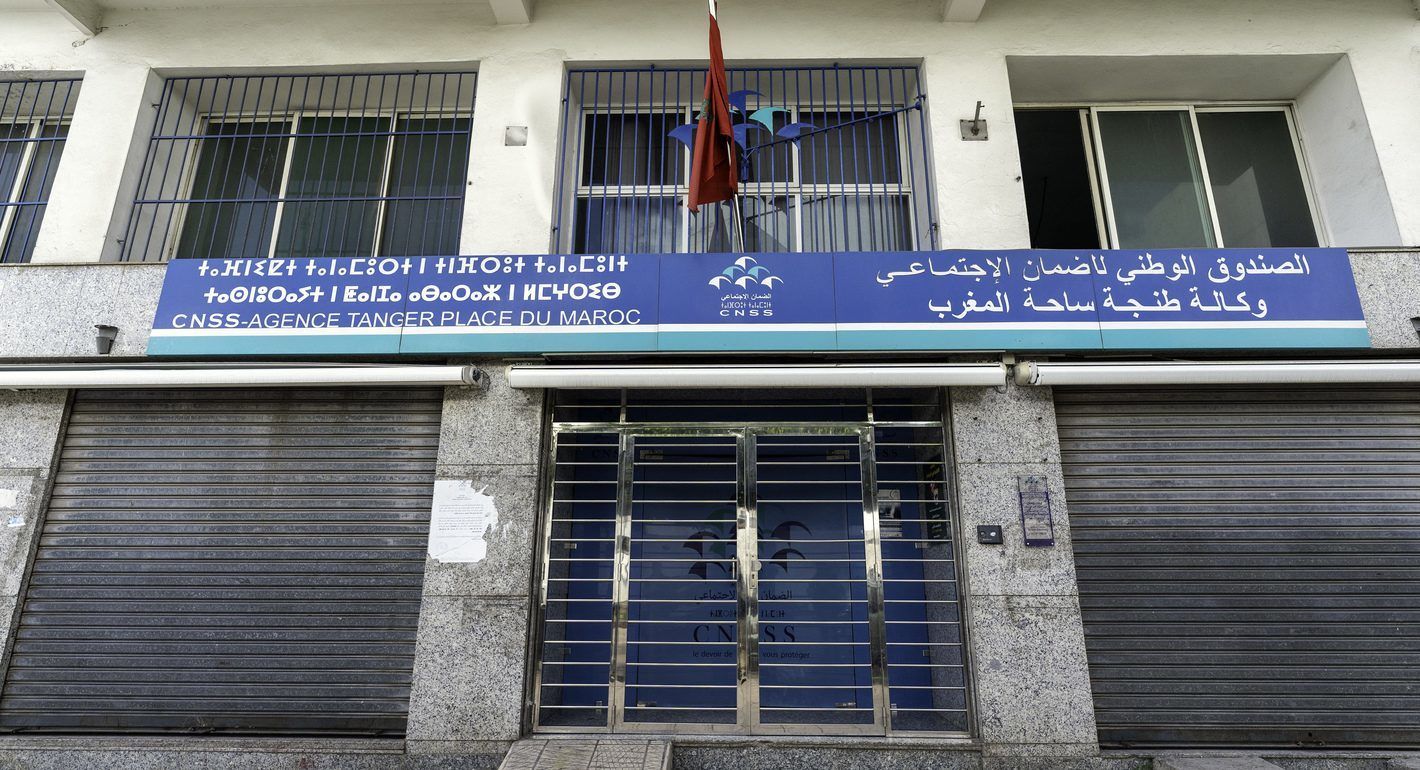
While Morocco’s shift to a digitized social targeting system improves efficiency and coordination in social programs, it also poses risks of exclusion and reinforces austerity policies. The new system uses algorithms based on socioeconomic data to determine eligibility for benefits like cash transfers and health insurance. However, due to technical flaws, digital inequality, and rigid criteria, many vulnerable families are unfairly excluded.
Abderrafie Zaanoun
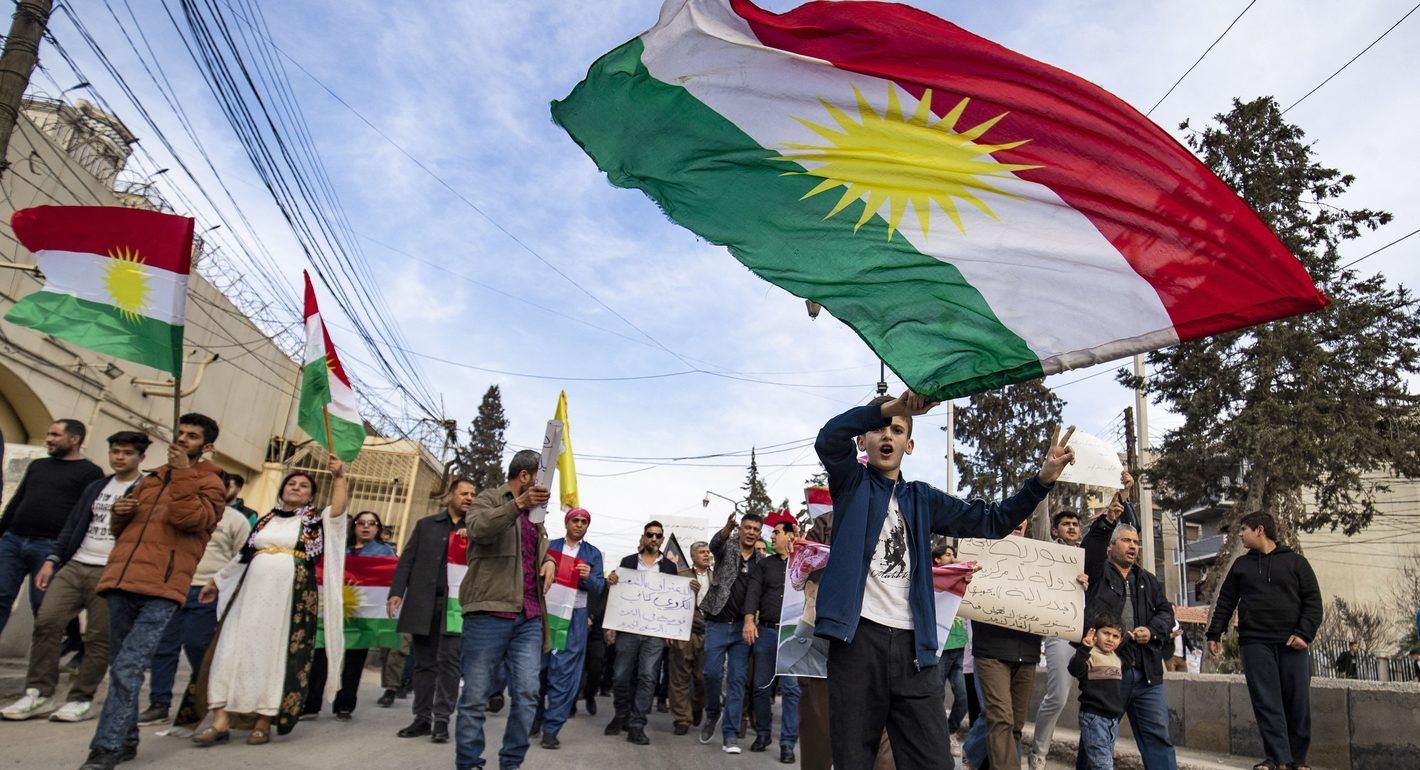
Saudi Arabia’s cautious stance on the Syrian Kurds reflects a delicate balance between leveraging Kurdish autonomy to counter Iran’s influence and managing the risks of destabilizing Syria’s territorial integrity. While Saudi Arabia seeks to safeguard its interests in the region, it remains wary of the potential internal and external consequences of supporting Kurdish autonomy.
Mohammad Salami
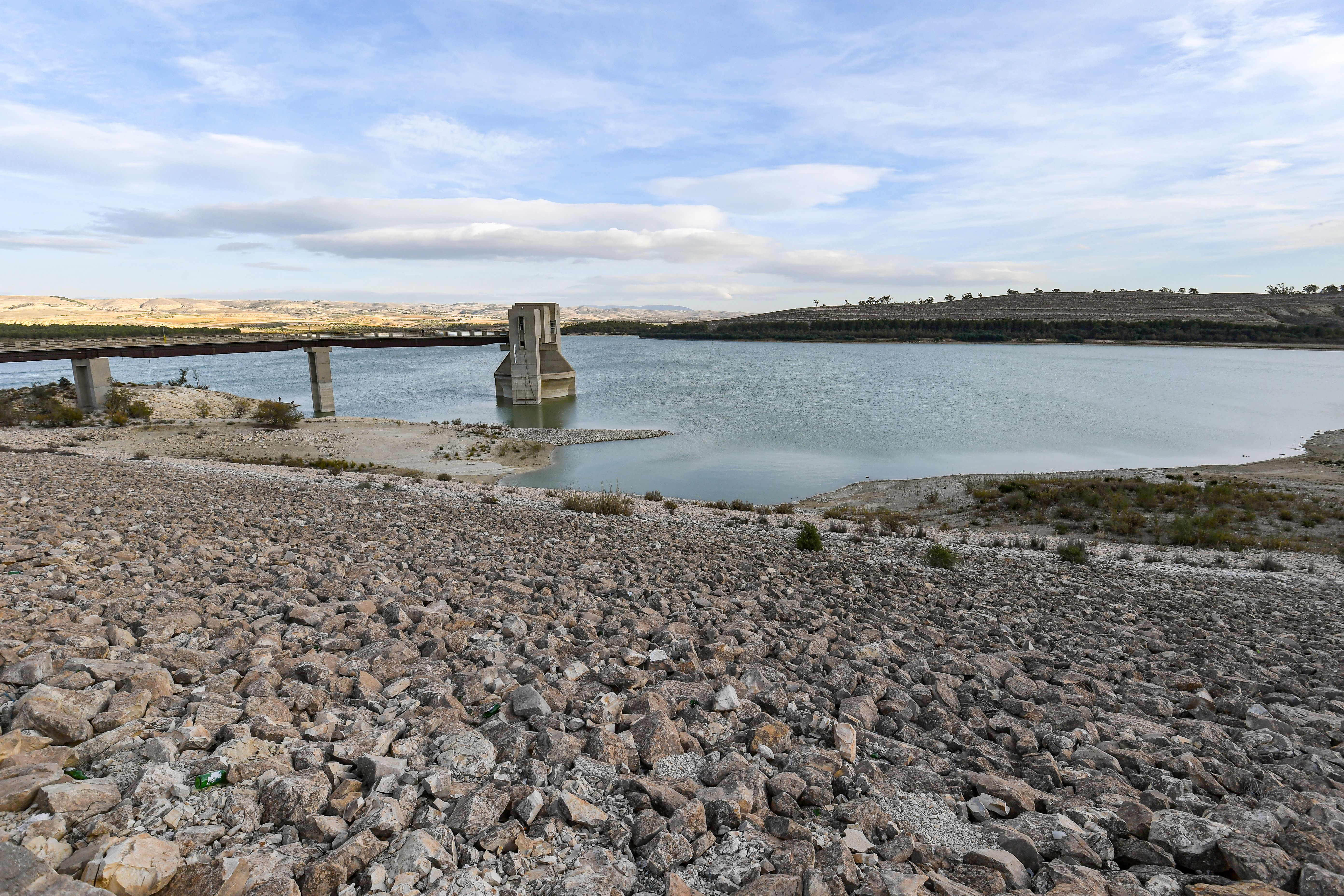
Tunisia is facing a worsening water crisis characterized by widespread protests over access to potable water, particularly in rural areas with underdeveloped supply networks. This situation is exacerbated by climate change, outdated agricultural policies, and industrial water consumption, necessitating comprehensive policy reforms to secure Tunisians’ constitutional right to water and ensure equitable access across the country.
Noura Omar