

Commentary
Syria's transition promised a fresh start. But are old habits of power making a comeback? This analysis looks at the warning signs and what it will take to build a more accountable state.
Sima Beitinjaneh
{
  "authors": [
    "Fadil Aliriza"
  ],
  "type": "commentary",
  "blog": "Sada",
  "centerAffiliationAll": "",
  "centers": [
    "Carnegie Endowment for International Peace"
  ],
  "collections": [],
  "englishNewsletterAll": "",
  "nonEnglishNewsletterAll": "",
  "primaryCenter": "Carnegie Endowment for International Peace",
  "programAffiliation": "",
  "programs": [],
  "projects": [],
  "regions": [
    "North Africa",
    "Tunisia"
  ],
  "topics": [
    "Political Reform"
  ]
}
Source: Getty
Contentious politics in a strong, empowered parliament could help Tunisia prevent the consolidation of political power in the executive branch.
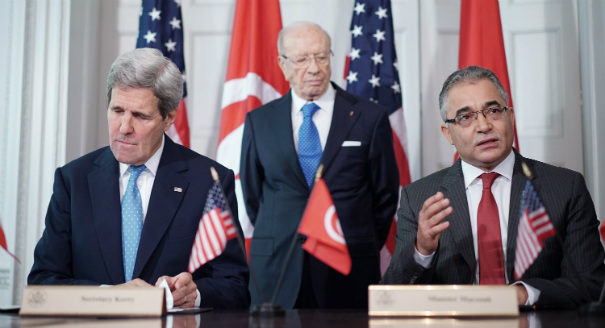
Last month, U.S. Secretary of State John Kerry signed a Memorandum of Understanding with Mohsen Marzouk, whom he called Tunisia’s “Minister of Political Affairs.” However, Marzouk is not a minister or even an elected member of parliament. Just one week before the signing ceremony, Marzouk became secretary-general of the ruling Nidaa Tounes party. The ostensible reason he was qualified to sign the MoU is that on New Year’s Eve, 2014, in a move that predictably gathered little press attention, President Beji Caid Essebsi issued a presidential decree naming Marzouk “Minister Advisor to the President.” Nevertheless, the signing ceremony raised eyebrows in Tunisia. Some constitutional lawyers have questioned its legality, and both Marzouk and the presidency’s spokesperson felt compelled to respond.
The incident shines a light on how the ambiguous division between presidential and parliamentary power—as set out in Tunisia’s new constitution—is playing out in practice. While Tunisia achieved a relatively peaceful transition through free and fair elections from an Islamist government to one led by old-regime figures, for which it has received near unanimous praise, the democratic credentials of the new system remain tenuous. Although contentious, multi-party politics have appeared to take hold in a newly legitimate and reinvigorated parliament, this situation is far from secure. President Beji Caid Essebsi is empowering Nidaa Tounes officials through appointments to the government and exercising influence over the Nidaa Tounes MPs, who form the plurality of the current parliament and are subordinate to him as president of the party. This shows that some single-party political habits persist and signals that experienced political elites are adept at capitalizing on the ambiguous power, legal authority, and stature of the parliament during a “democratic transition.”
Theoretically, the constitution lays out a semi-presidential system, with the president responsible for setting state policy on “defense, foreign relations, and national security” (article 77). On the other hand, the prime minister is the head of government who, apart from his other functions, “governs the administration and concludes international agreements of a technical nature,” though he can delegate to ministers (article 92). In cases where the division of power between the two executive leaders is disputed—such as the Marzouk case—the constitution clarifies that a constitutional court should settle the issue (article 101). But that court has not yet been created. In this legal grey zone, old hands are practicing old political habits. President Essebsi has increasingly tried to centralize power around the presidency and his persona, using Nidaa Tounes as a vehicle. This approach reflects the one-party system that characterized both the Ben Ali and Bourguiba regimes under which Essebsi once served.
While Essebsi’s party won the plurality of seats in the parliamentary elections in October 2014, Nidaa Tounes MPs waited until Essebsi won the presidential election two months later before attempting to form a government. In practice, Essebsi’s dual role as both president and head of the party with the most seats in parliament gives him great power over both the executive and legislative branches. Moreover, he has appointed numerous Nidaa Tounes allies—as well as those from BenAli’s former governing party, the Constitutional Democratic Rally (RCD)—to work with him directly as advisors in the presidency. To be fair, his predecessor and electoral rival, Moncef Marzouki, used a similar practice, but his presidency did not enjoy the same level of support from powerful interests in the business, media, and bureaucratic sectors.
Despite Essebsi’s attempt to carve out more power for the presidency, parliament could still develop into a strong governing institution that serves as an arena for competing political interests. Parliament does face some obstacles on this front, especially businessmen and media moguls’ attempts to buy influence in parliament. While rumors abound of vote buying and corruption in politics since the uprising, one stark example of the confluence of business and politics is the success of the Free Patriotic Union (UPL) party. Founded by business tycoon Slim Riahi, it was dogged by reports of irregularities in Tunisia’s first legislative elections in 2011 but came in third in the 2014 elections and controls sixteen seats. Meanwhile, civil society groups have mobilized to work with key MPs to push for democratic reforms on everything from the energy sector to the media to regional development. The NGO Al Bawsala has successfully pushed for greater transparency and accountability within the parliament itself, regularly publishing debate transcripts, voting records, and attendance logs of elected officials. Another NGO, IWatch, recently called on parliament to audit other state institutions.
Fights between political groups within the parliamentary arena are a positive sign. Tunisian democracy is dependent on a strong institution of contentious politics practiced through parliament. An empowered, transparent, and accountable parliament that enjoys popular legitimacy would make it more difficult for elites to once again concentrate power in the executive branch, like they did before the uprising. At the moment, enough ordinary Tunisians continue to have faith that their voices can be heard in parliament and translated into state action that can deepen their pockets and improve their quality of life. If expanding presidential or party power—including the reconcentration of power in the channels between the presidency, the Interior Ministry, big business, and media barons—is seen to wipe out parliament’s institutional power, then political contestation and dissent will increasingly follow other, non-institutional paths like street protests or violence. To help avert this scenario, the United States and other would-be supporters of the Tunisian exception can avoid repeating the same mistake made with Marzouk and the Memorandum of Understanding, which enhances presidential power by elevating Tunisia’s presidential appointees through questionable protocol choice.
Fadil Aliriza is a Visiting Senior Fellow for the Legatum Institute’s Transitions Forum. He has been working as a journalist and analyst focusing on Tunisia and Libya after the 2011 uprisings. Follow him on Twitter @fadilaliriza
Fadil Aliriza
Former Project Manager
Carnegie does not take institutional positions on public policy issues; the views represented herein are those of the author(s) and do not necessarily reflect the views of Carnegie, its staff, or its trustees.
Syria's transition promised a fresh start. But are old habits of power making a comeback? This analysis looks at the warning signs and what it will take to build a more accountable state.
Sima Beitinjaneh
Hate speech has spread across Sudan and become a key factor in worsening the war between the army and the Rapid Support Forces. The article provides expert analysis and historical background to show how hateful rhetoric has fueled violence, justified atrocities, and weakened national unity, while also suggesting ways to counter it through justice, education, and promoting a culture of peace.
Samar Sulaiman
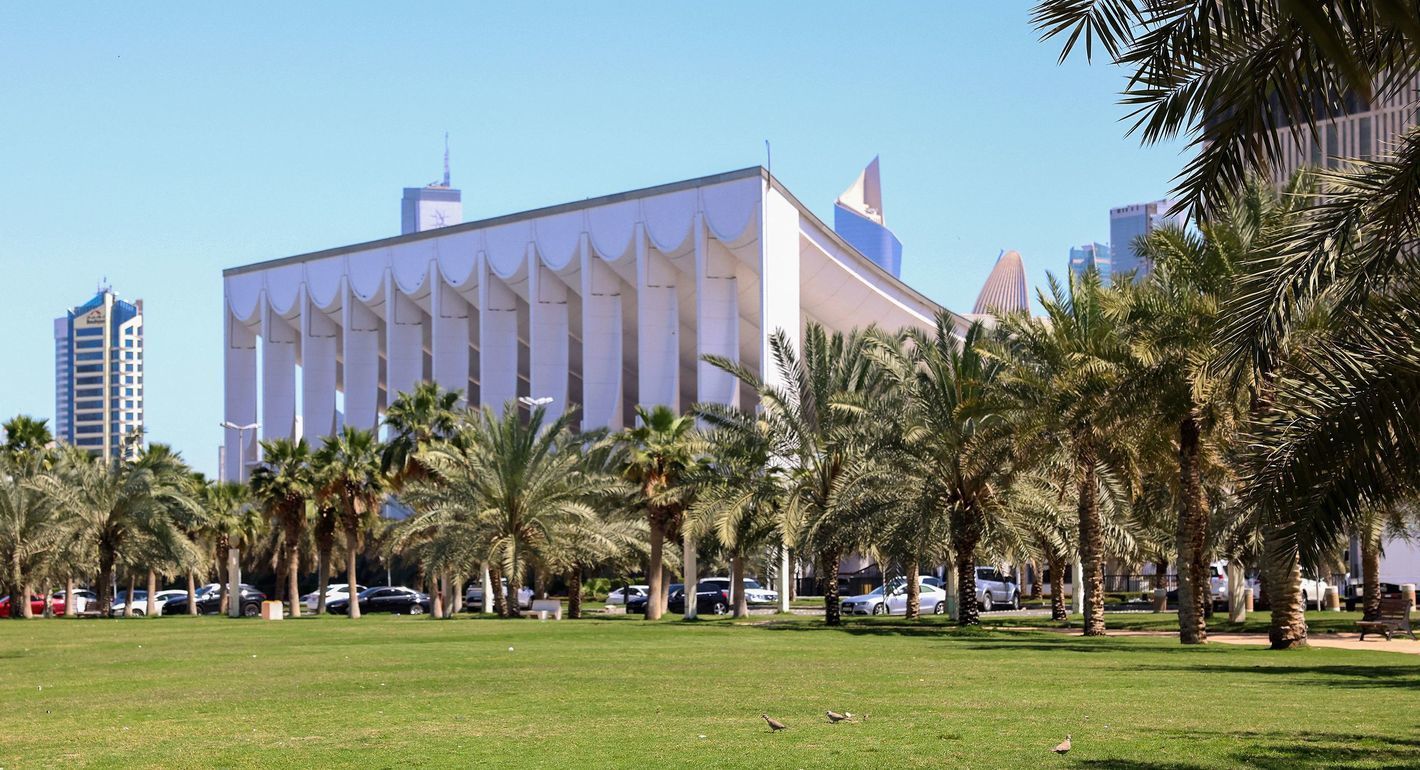
Kuwait’s government has repeatedly launched ambitious reforms under Kuwait Vision 2035, yet bureaucratic inefficiency, siloed institutions, and weak feedback mechanisms continue to stall progress. Adopting government analytics—real-time monitoring and evidence-based decision-making—can transform reform from repetitive announcements into measurable outcomes.
Dalal A. Marafie
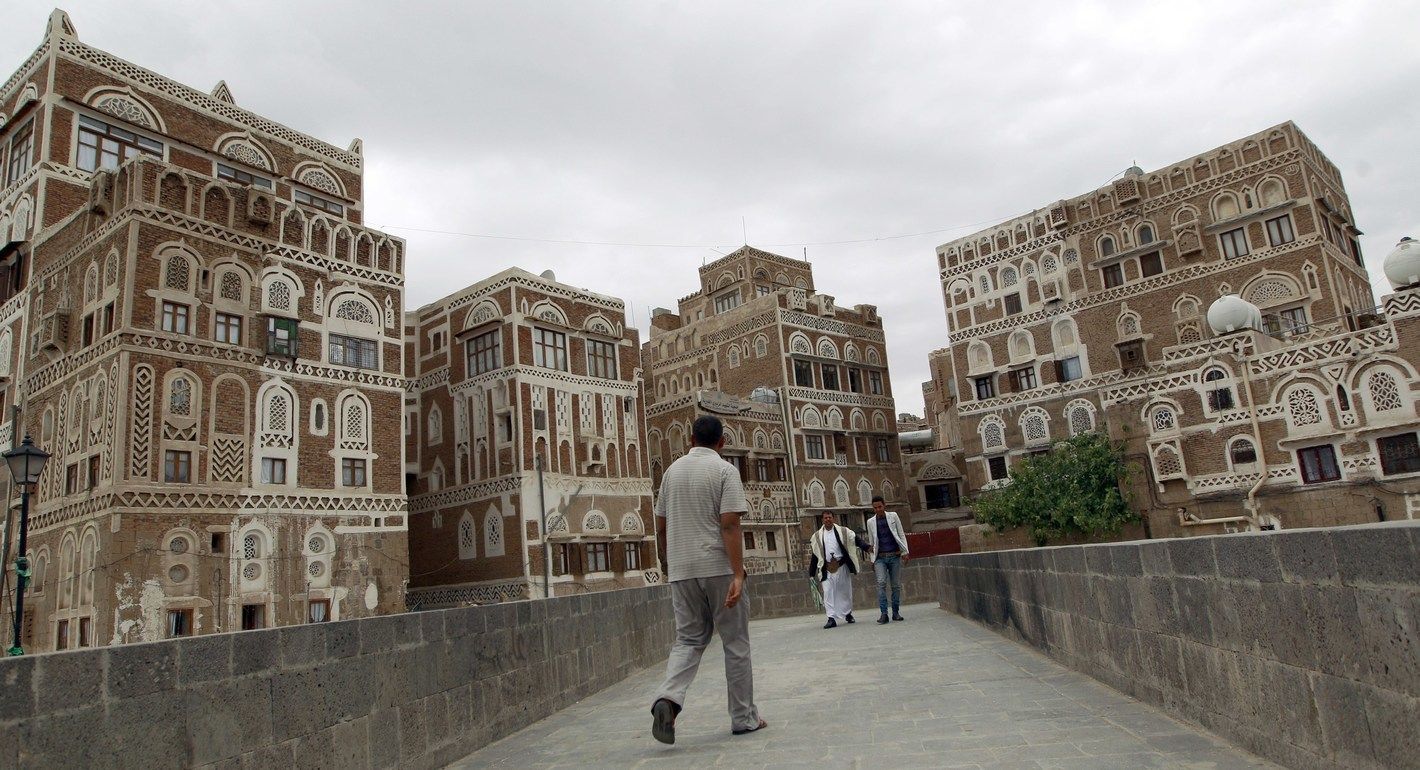
The chaos of street naming in Sana’a reflects the deep weakness of the Yemeni state and its failure to establish a unified urban identity, leaving residents to rely on informal, oral naming systems rooted in collective memory. This urban disorder is not merely a logistical problem but a symbolic struggle between state authority and local community identity.
Sarah Al-Kbat
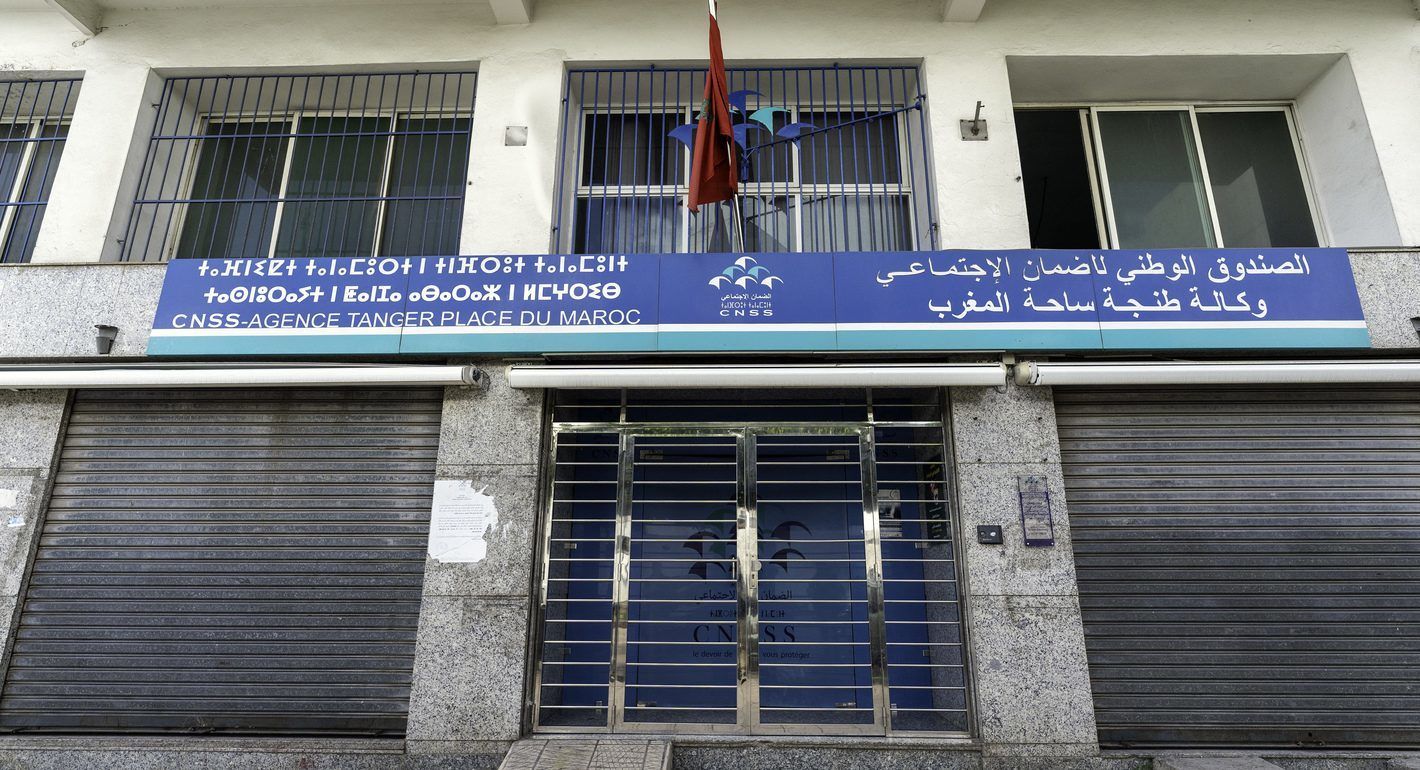
While Morocco’s shift to a digitized social targeting system improves efficiency and coordination in social programs, it also poses risks of exclusion and reinforces austerity policies. The new system uses algorithms based on socioeconomic data to determine eligibility for benefits like cash transfers and health insurance. However, due to technical flaws, digital inequality, and rigid criteria, many vulnerable families are unfairly excluded.
Abderrafie Zaanoun