

Commentary
Syria's transition promised a fresh start. But are old habits of power making a comeback? This analysis looks at the warning signs and what it will take to build a more accountable state.
Sima Beitinjaneh
{
  "authors": [
    "Omar Belhaj Salah"
  ],
  "type": "commentary",
  "blog": "Sada",
  "centerAffiliationAll": "",
  "centers": [
    "Carnegie Endowment for International Peace"
  ],
  "collections": [
    "Arab Awakening"
  ],
  "englishNewsletterAll": "",
  "nonEnglishNewsletterAll": "",
  "primaryCenter": "Carnegie Endowment for International Peace",
  "programAffiliation": "",
  "programs": [],
  "projects": [],
  "regions": [
    "North Africa",
    "Tunisia"
  ],
  "topics": [
    "Political Reform"
  ]
}
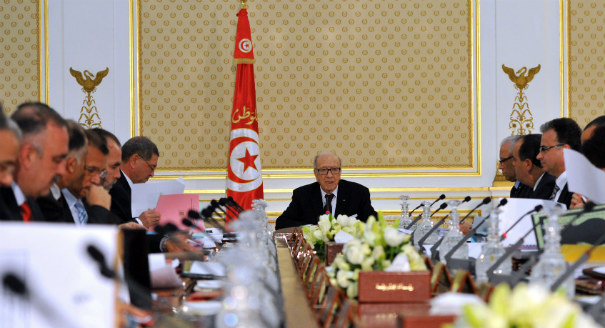
Source: Getty
A disillusioned faction within Nidaa Tounes is drawing on distrust of leftist and conservative leadership to seek more influence in the party.
Tunisia’s increasing security challanges—particularly after the Sousse and Bardo attacks—have overshadowed discussions about Nidaa Tounes?s internal disagreements. But lingering disputes within the leading party over its leadership are likely to undermine the government’s ability to address pressing security and economic challenges. Two years after its formation, this party won both parliamentary and presidential elections, despite the diverse and even conflicting ideological roots of its founding members. The Nidaa Tounes alliance—which includes a medley of leftists-unionists and conservative oligarchs—has persisted due to its shared hostility toward Ennahda and its post-revolution governing allies. Increasingly, however, internal power plays are igniting strife.
Signs of internal discord first appeared in December 2013 when Hafedh Caid Essebsi and Mohamed Gherieni, the last secretary-general of the Constitutional Rally for Democracy (RCD), Ben Ali’s former ruling party, were tasked with administering the party’s local and regional offices. These appointments quickly prompted a series of resignations in protest over the dominance of former RCD figures, amid allegations they were using “corrupt money.” Another round of disputes occurred prior to the 2014 parliamentary and presidential elections over claims that Hafedh, who had been nominated to head the Tunis list, was pushing to include more RCD loyalists in the alliance.
But Nidaa Tounes’s decision to work hand-in-hand with its main political opponent, Ennahda, exacerbated existing disagreements and created more power struggles within its ranks. A third interest group, led by Hafedh Caid Essebsi, emerged after veteran conservatives of the Ben Ali and Bourguiba eras agreed to include Ennahda in the government. This group brought together allies within the party—including parliamentarians Khmeis Ksila, Abd Aziz Kotti, and Khaled Chouket, all of whom strongly disagreed with the government’s new stance. Kotti even called Nidaa Tounes’s post-elections policy a “stab in the back of Tunisians.”
This Hafedh-led faction has been able to tap into the broader distrust of the leftist-unionist leadership to make its own demands for power. While in charge of the party’s local and regional offices, it built up strong ties with the party’s grassroots who disapprove of the government’s composition. On April 9, in a move widely interpreted as bullying, the faction unofficially called on thousands of its supporters to travel to the capital and demonstrate against the governing crew during a meeting at party headquarters. Trying to get Beji Caid Essebsi to distance himself from the leftists-unionists and listen to the Hafedh group’s demands, they held banners reading, “Beji, come to our rescue; they wolfed us down.” These protesters, which include Nidaa Tounes members from local branches, complained they sacrificed everything for the party but have been elbowed out of power by the governing crew.
While the internal struggle for power continues between the conservatives, the leftist-unionists, and Hafedh’s group, accusations are mounting. Hafedh, who holds a key leadership position as director of the party’s “Central Administration for Infrastructure and Mobilization,” has been accused of using his supporters to strengthen his position ahead of the party’s national congress and internal elections later this year. Raja Ben Slama, a former party member, complained that “Mr. Hafedh Caid Essebsi, with all due respect to his father... deeply harmed this party by creating parallel offices within it and excluding true activists, and by allying with the monetary and media tycoons who mean to use his influence and privilege to gain more power and profit.” Khmeis Ksila responded with more incendiary comments attacking the Constitutional Board—whose twelve members are split between leftists-unionists and veteran conservatives—and leading figures of the presidential crew Lazhar Akremi, Ridha Belhaj, and Mohsen Marzouk. In remarks on Nessma TV, Ksila accused them of working to conduct “a real coup within the party against Hafedh Caid Essebsi” and denounced the Constitutional Board’s “use of thought terrorism against its opponents within Nidaa Tounes.”
The behavior of Hafedh and his group is driven by the need to secure more influence for themselves and their circle of supportive business lobbies, which are also seeking more privilege and power. The faction also has a strong media backing since the leftist-unionist camp denied membership to Nessma TV’s General Director, Nabil Karoui, despite his station’s role in bringing the party to power. Nessma TV has favored hosting adherents of Hafedh’s group to speak up against the leftist-unionist faction and veteran conservatives, and it regularly covers the discontent of grassroots supporters loyal to Hafedh’s group.
In an attempt to alleviate the pressure, the party elected a political office composed of the three different factions on March 22, distributing decision-making among party members and away from the Constitutional Board, which had controlled the party for several months before Mohsen Marzouk was appointed secretary-general. Nevertheless, as former party leader Abd Aziz Mzoughi noted, “the internal structure of Nidaa Tounes no longer favors achieving effective dialogue between leaders anyway. There’s no focus on the important issues... we hold meetings, during which it is not possible to have deep and detailed conversations or make any decisions. The result, therefore, is that decisions are made off the tip, without knowing who made them.”
While their severity lessened somewhat over the past few months, more disputes are likely to emerge by the end of the year, when Nidaa Tounes plans to hold its first internal elections. Regardless of the result of these elections, Nidaa Tounes leaders appear unable to advance institutional democracy over narrow clan-ridden politicking. This would discredit Tunisia’s commitment to democratic norms and further undermine the government’s ability to handle security and economic challenges.
Omar Belhaj Salah is a Berlin-based independent Tunisian researcher.
Omar Belhaj Salah
Carnegie does not take institutional positions on public policy issues; the views represented herein are those of the author(s) and do not necessarily reflect the views of Carnegie, its staff, or its trustees.
Syria's transition promised a fresh start. But are old habits of power making a comeback? This analysis looks at the warning signs and what it will take to build a more accountable state.
Sima Beitinjaneh
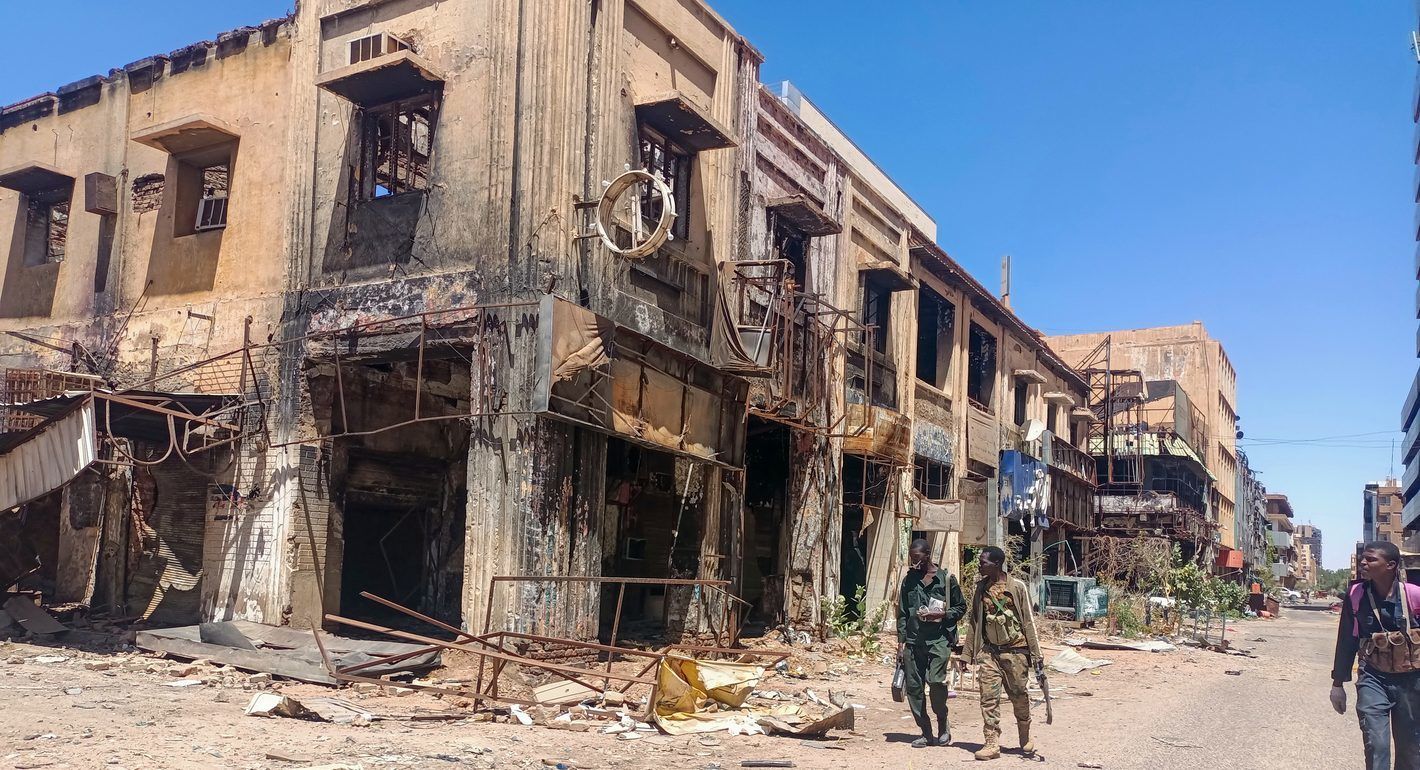
Hate speech has spread across Sudan and become a key factor in worsening the war between the army and the Rapid Support Forces. The article provides expert analysis and historical background to show how hateful rhetoric has fueled violence, justified atrocities, and weakened national unity, while also suggesting ways to counter it through justice, education, and promoting a culture of peace.
Samar Sulaiman
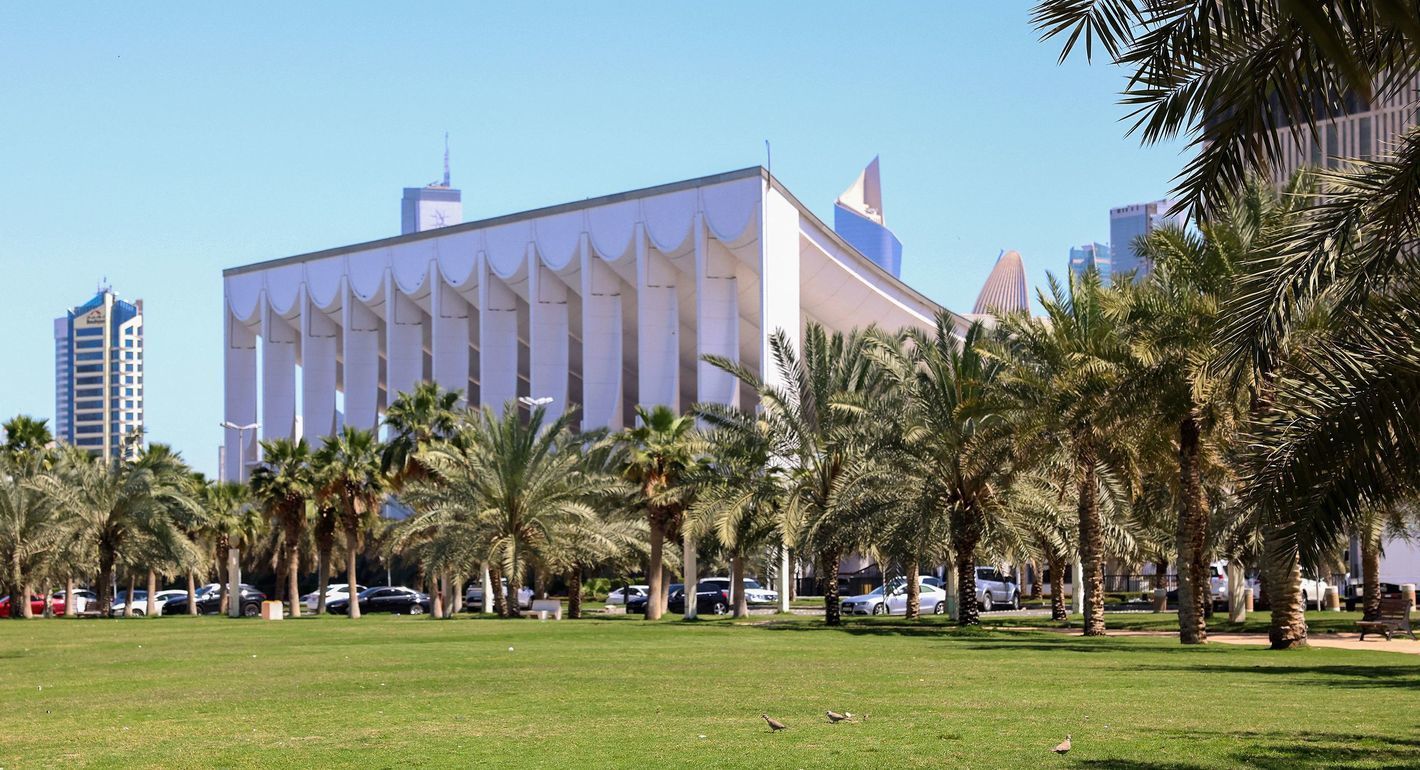
Kuwait’s government has repeatedly launched ambitious reforms under Kuwait Vision 2035, yet bureaucratic inefficiency, siloed institutions, and weak feedback mechanisms continue to stall progress. Adopting government analytics—real-time monitoring and evidence-based decision-making—can transform reform from repetitive announcements into measurable outcomes.
Dalal A. Marafie
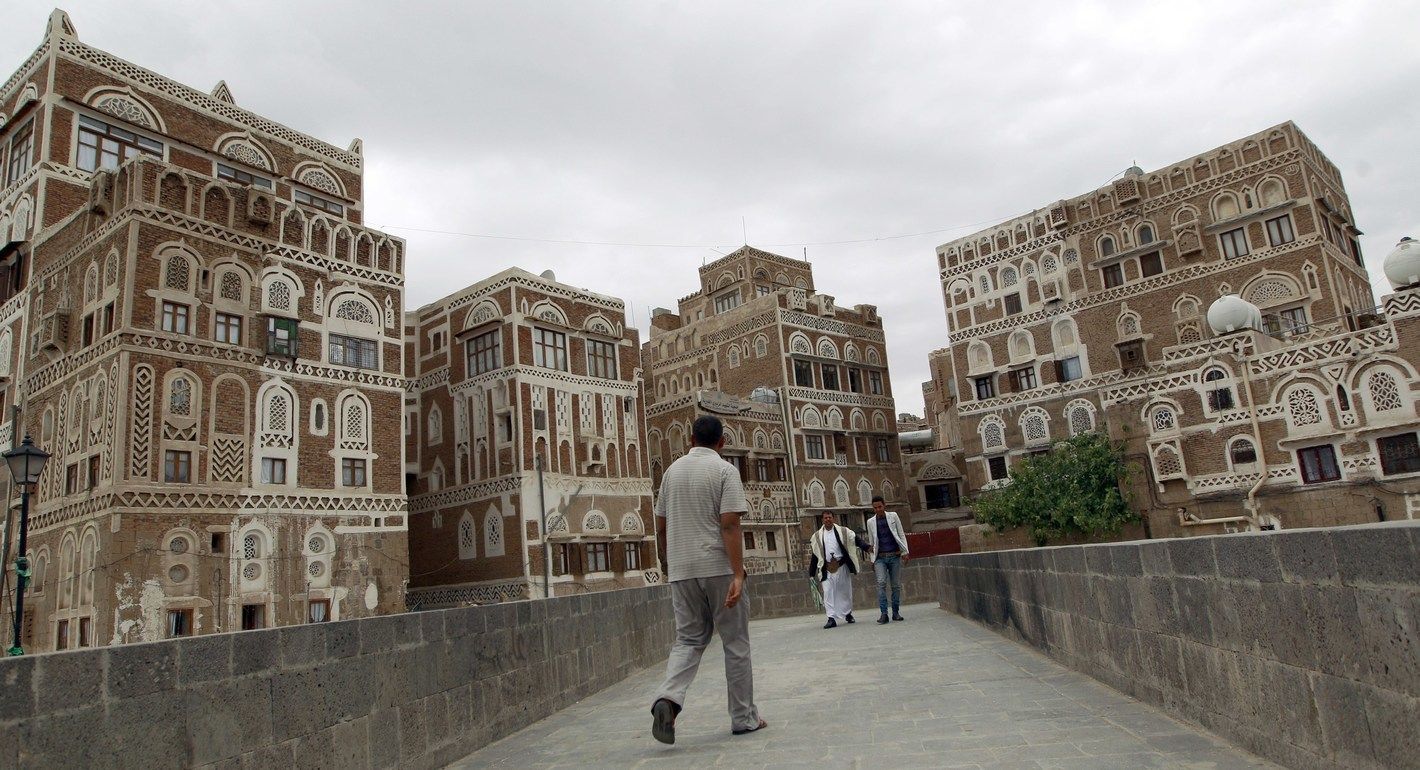
The chaos of street naming in Sana’a reflects the deep weakness of the Yemeni state and its failure to establish a unified urban identity, leaving residents to rely on informal, oral naming systems rooted in collective memory. This urban disorder is not merely a logistical problem but a symbolic struggle between state authority and local community identity.
Sarah Al-Kbat
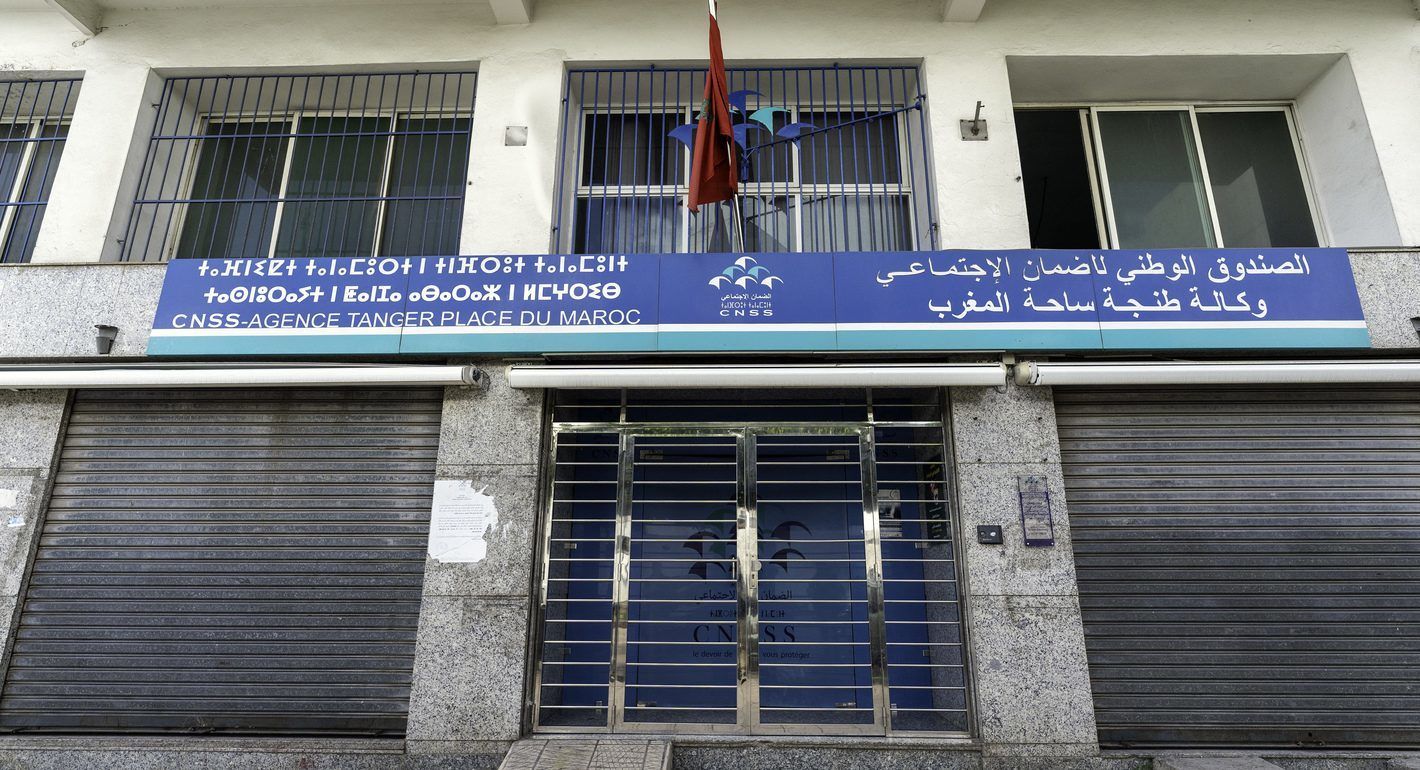
While Morocco’s shift to a digitized social targeting system improves efficiency and coordination in social programs, it also poses risks of exclusion and reinforces austerity policies. The new system uses algorithms based on socioeconomic data to determine eligibility for benefits like cash transfers and health insurance. However, due to technical flaws, digital inequality, and rigid criteria, many vulnerable families are unfairly excluded.
Abderrafie Zaanoun