

Commentary
Syria's transition promised a fresh start. But are old habits of power making a comeback? This analysis looks at the warning signs and what it will take to build a more accountable state.
Sima Beitinjaneh
{
  "authors": [
    "Youssef Cherif"
  ],
  "type": "commentary",
  "blog": "Sada",
  "centerAffiliationAll": "",
  "centers": [
    "Carnegie Endowment for International Peace"
  ],
  "collections": [],
  "englishNewsletterAll": "",
  "nonEnglishNewsletterAll": "",
  "primaryCenter": "Carnegie Endowment for International Peace",
  "programAffiliation": "",
  "programs": [],
  "projects": [],
  "regions": [
    "North Africa",
    "Tunisia"
  ],
  "topics": [
    "Political Reform"
  ]
}
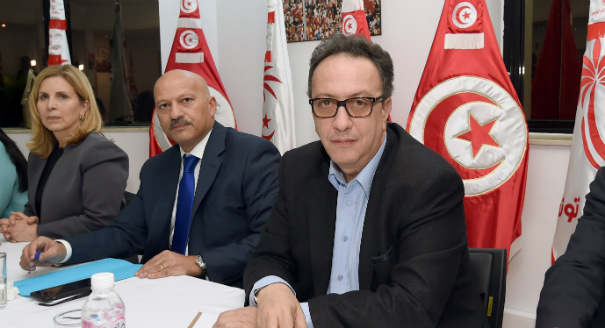
Source: Getty
The Nidaa Tounes party’s internal divide and public rift are discrediting it with the Tunisian public.
Until 2015, Nidaa Tounes was marked by rapid growth and showed a sense of cohesion and determination, despite being a political patchwork created to counterbalance Ennahda’s power. However, Beji Caid Essebsi had to give up party leadership when he became president of Tunisia, creating a vacuum. Since then, two main figures and their followers have been competing for supremacy—Mohsen Marzouk, who became the party’s secretary-general in May 2015, and Hafedh Caid Essebsi, vice president of the party and son of Beji Caid Essebsi.
In this arm-wrestling contest, Hafedh appears to be winning. On November 9, 32 pro-Marzouk MPs declared their intention to resign from the party after angry mobs linked to Hafedh prevented them from convening party meetings. Their resignation has yet to be ratified by the leader of their parliamentary bloc. Marzouk then organized a meeting in Gammarth, calling for internal elections. As the fighting between Marzouk and Essebsi factions escalated, the president delivered a public speech on November 29 dedicated to the “leadership crisis” inside Nidaa Tounes, tacitly siding with his son over Marzouk. In light of the speech, Marzouk’s own resignation from the party is only a matter of time.
Internal divisions have been growing since Nidaa Tounes rose to government. And as the general situation of the country kept deteriorating, dissatisfaction surfaced and party ranks started to shake. Many party members who worked on the electoral campaign expected to be rewarded with government positions and other official titles—which primarily went to party leaders. The growing anger and dissatisfaction needed to be contained, but there were no leaders to take on the task.
As happened to the Congress for the Republic (CPR) and Ettakatol parties after the 2011 elections (when their most important figures left for government), party leadership has been left to second-tier activists. Among other factors, this led CPR and Ettakatol to disintegrate within a matter of months. In order to avoid that fate, Nidaa Tounes needed to restructure itself urgently, but has instead faced a struggle of personal ambitions—not necessarily between pro- and anti-Islamists, leftists and capitalists, or revolutionaries and the old regime—to seize power within the vacuum.
The struggle was at first contained. But the main point of contention—whether to elect or nominate the next leadership—has reemerged as the party’s national congress nears. Hafedh and his supporters want to postpone the congress and its elections, while Marzouk is pushing for elections.
Marzouk condemns nepotism and claims he wants to promote democratic practices within the party. General elections, which would attract votes from his own support base of younger, discontented members, could circumvent the established circles of power around the president’s son. Moreover, if the party agrees to hold elections, new recruits will join en masse, and Marzouk’s strong business connections, social media presence, and oratory skills would make it easier for him to win them over to his side.
Meanwhile, Hafedh’s official reason for postponing internal elections is to preserve party unity and order. Nidaa Tounes currently does not have strong structures to organize nationwide elections, and it is a mosaic of groups. Every member would have the right to vote, which Hafedh claims could encourage vote trafficking and lead to disagreements. Most likely, Hafedh is worried about the chance that the young party’s elections will yield surprising results. His proposal of relying on nominations to pick the party leadership would secure his place on the board.
At the moment, Hafedh’s victory is a Pyrrhic one. The public accusations and street fights of recent months have discredited the party. Less than one year after becoming Tunisia’s leading force, Nidaa Tounes looks fragmented, fragile, and inefficient. If the 32 pro-Marzouk MPs resign—though some are hesitant to go through with it—Nidaa Tounes will keep 53 seats in parliament, which makes it the second-largest political force in the country after Ennahda (69 seats). The government will still have sufficient legislative support, but the president will lose some of the backing that elevated him to his position, and the party will be more reliant on Ennahda. Ennahda will have more power of persuasion over the government, but because it is not interested in taking power now, a status quo is the most likely scenario.
No alternative force has emerged in the country to challenge Nidaa Tounes—yet. Considering the issues the country faces and the expectations of the population, this may not last long. The decline of Nidaa Tounes is paving the way for an actor or party that would curb Ennahda’s influence and channel popular disenchantment with both parties. It is this niche that former Prime Minister Mehdi Jomaa, among others, might be looking to occupy.
Youssef Cherif is a Tunisian commentator and consultant on North African politics. Follow him on Twitter @faiyla.

Youssef Cherif
Youssef Cherif is the deputy director of Columbia Global Centers | Tunis. He was previously the Al-Maidan project manager for Libya at the Institute for War and Peace Reporting and an expert affiliated to the Tunisian Institute for Strategic Studies.
Carnegie does not take institutional positions on public policy issues; the views represented herein are those of the author(s) and do not necessarily reflect the views of Carnegie, its staff, or its trustees.
Syria's transition promised a fresh start. But are old habits of power making a comeback? This analysis looks at the warning signs and what it will take to build a more accountable state.
Sima Beitinjaneh
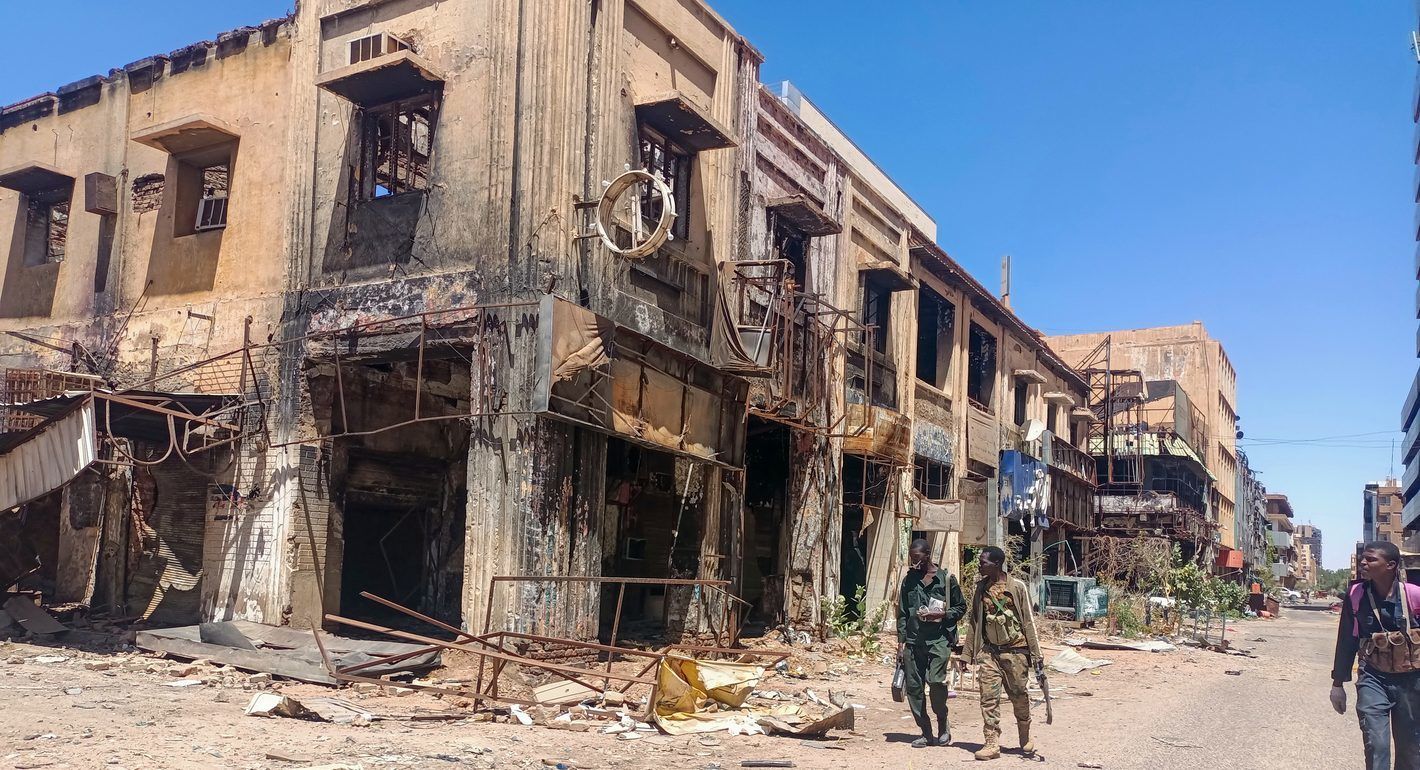
Hate speech has spread across Sudan and become a key factor in worsening the war between the army and the Rapid Support Forces. The article provides expert analysis and historical background to show how hateful rhetoric has fueled violence, justified atrocities, and weakened national unity, while also suggesting ways to counter it through justice, education, and promoting a culture of peace.
Samar Sulaiman
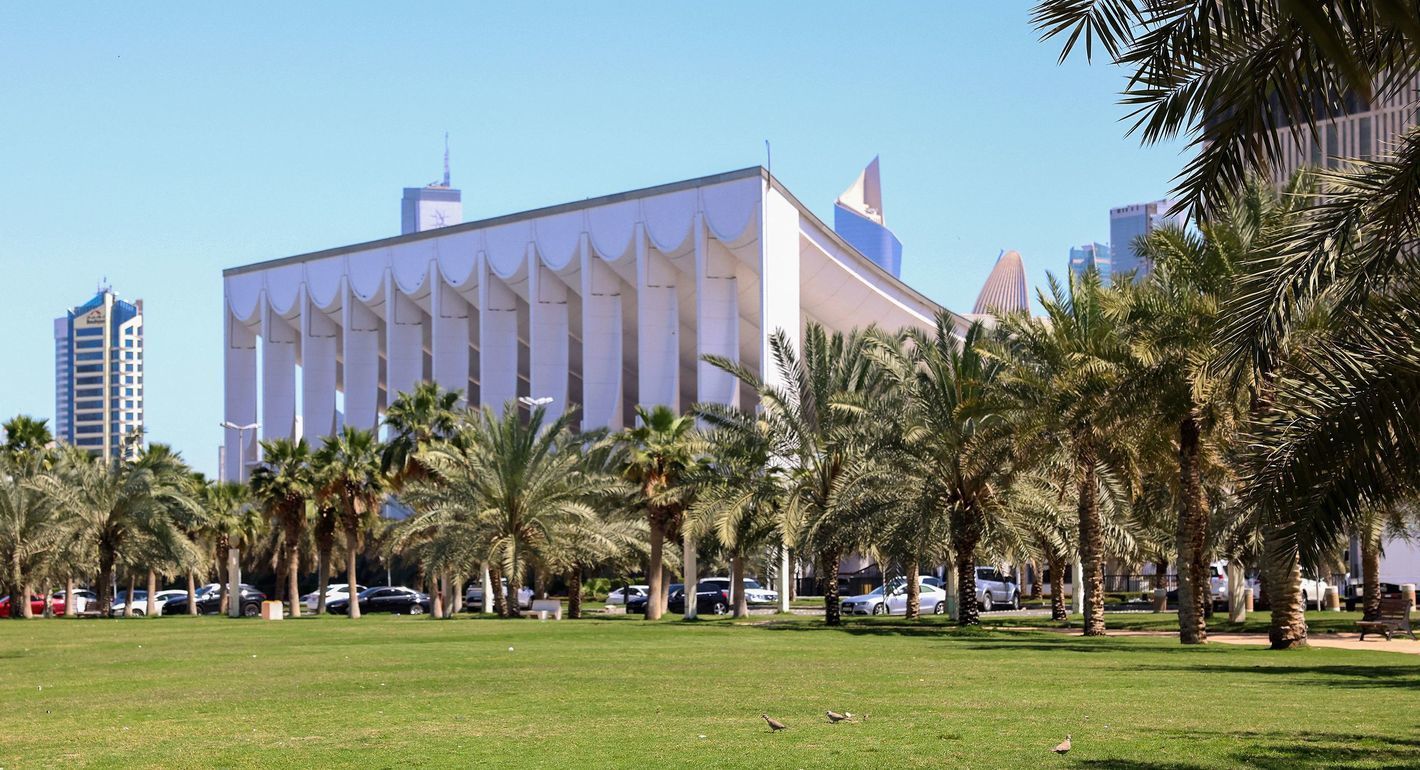
Kuwait’s government has repeatedly launched ambitious reforms under Kuwait Vision 2035, yet bureaucratic inefficiency, siloed institutions, and weak feedback mechanisms continue to stall progress. Adopting government analytics—real-time monitoring and evidence-based decision-making—can transform reform from repetitive announcements into measurable outcomes.
Dalal A. Marafie
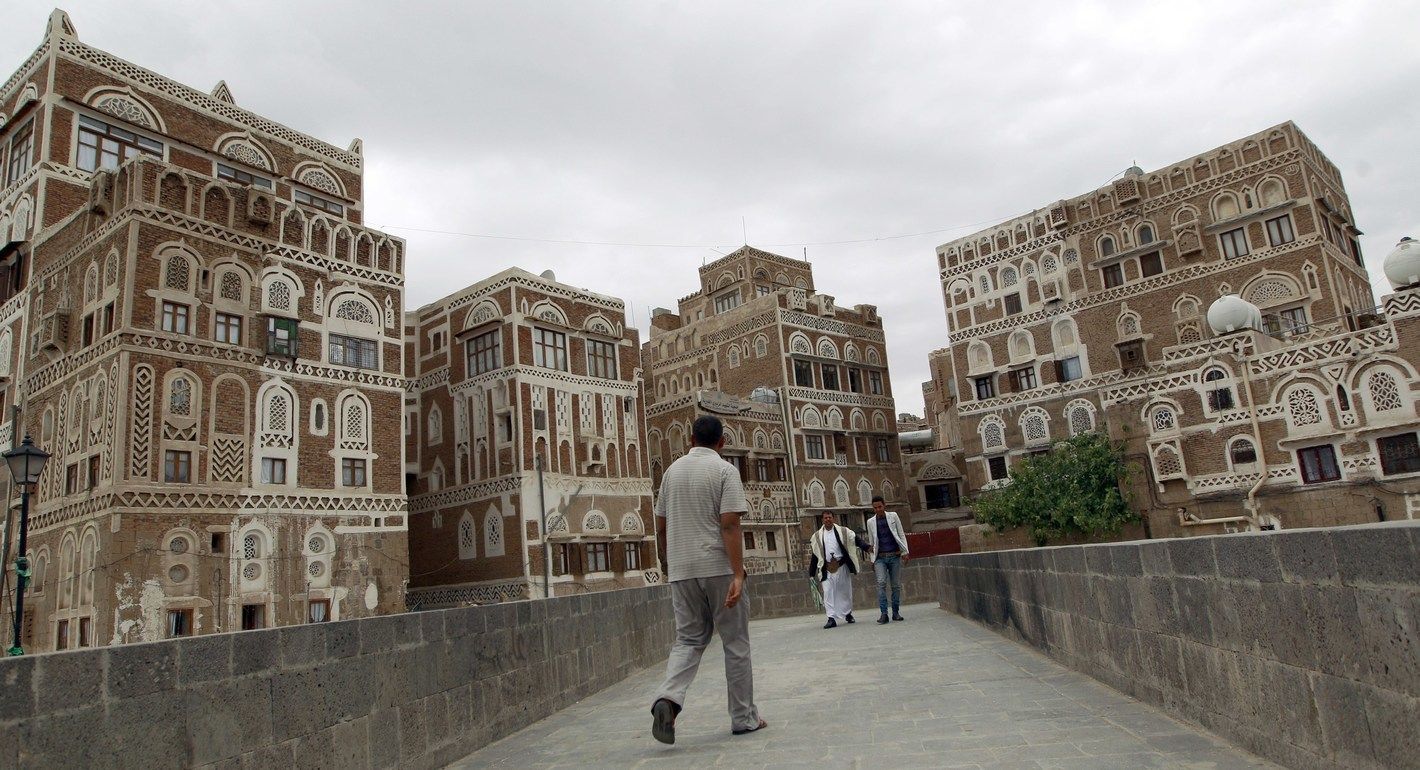
The chaos of street naming in Sana’a reflects the deep weakness of the Yemeni state and its failure to establish a unified urban identity, leaving residents to rely on informal, oral naming systems rooted in collective memory. This urban disorder is not merely a logistical problem but a symbolic struggle between state authority and local community identity.
Sarah Al-Kbat
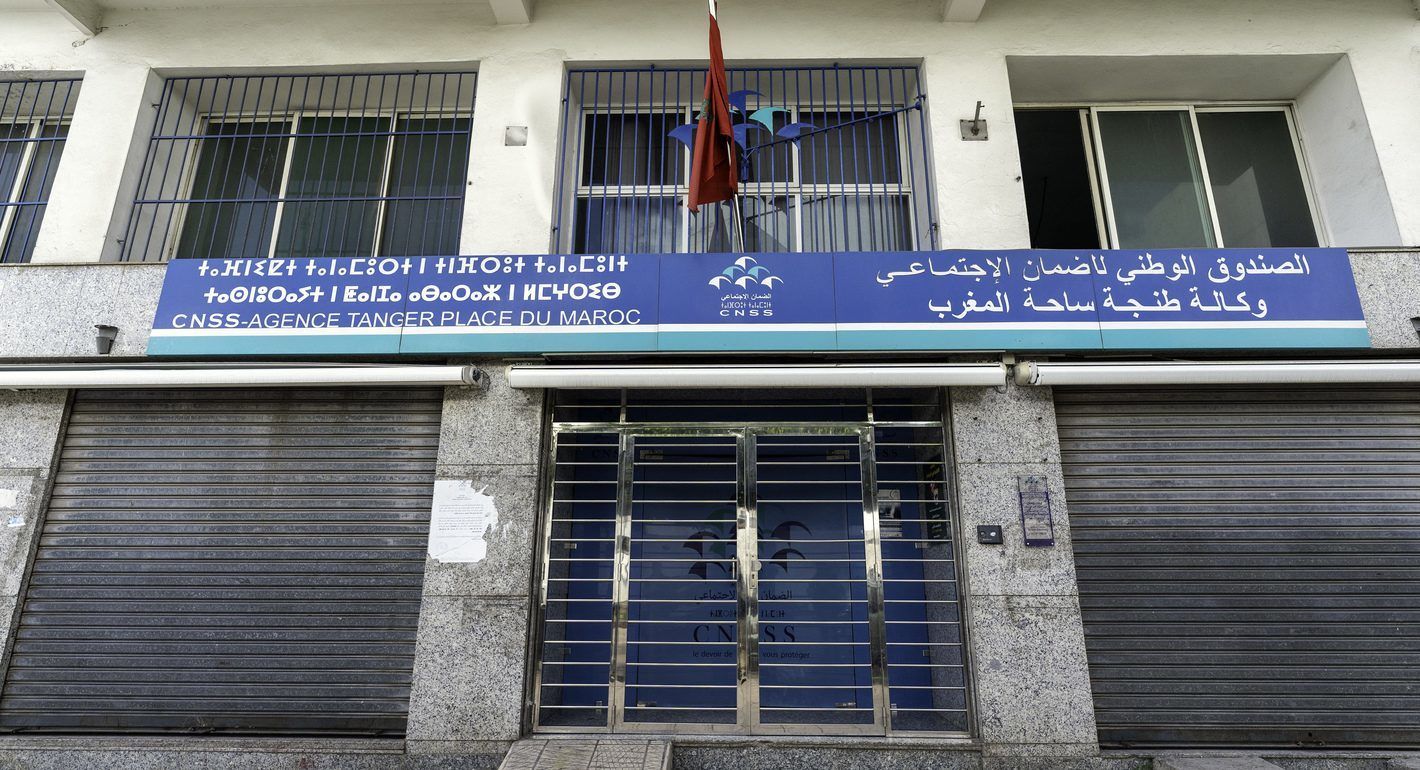
While Morocco’s shift to a digitized social targeting system improves efficiency and coordination in social programs, it also poses risks of exclusion and reinforces austerity policies. The new system uses algorithms based on socioeconomic data to determine eligibility for benefits like cash transfers and health insurance. However, due to technical flaws, digital inequality, and rigid criteria, many vulnerable families are unfairly excluded.
Abderrafie Zaanoun