

Commentary
Syria's transition promised a fresh start. But are old habits of power making a comeback? This analysis looks at the warning signs and what it will take to build a more accountable state.
Sima Beitinjaneh
{
  "authors": [
    "Scott Williamson"
  ],
  "type": "commentary",
  "blog": "Sada",
  "centerAffiliationAll": "",
  "centers": [
    "Carnegie Endowment for International Peace"
  ],
  "collections": [
    "Arab Awakening"
  ],
  "englishNewsletterAll": "",
  "nonEnglishNewsletterAll": "",
  "primaryCenter": "Carnegie Endowment for International Peace",
  "programAffiliation": "",
  "programs": [],
  "projects": [],
  "regions": [
    "North Africa",
    "Tunisia"
  ],
  "topics": [
    "Political Reform"
  ]
}
Source: Getty
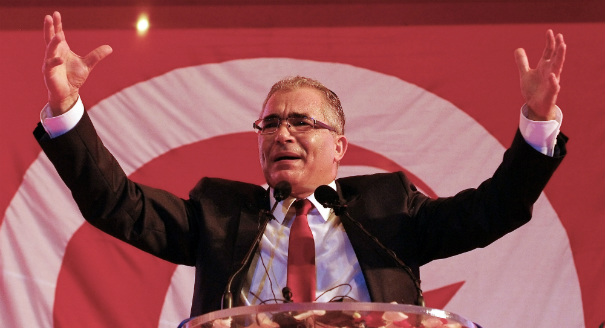
Upheaval in Nidaa Tounes comes at a bad time for Tunisia, but it may also create an opportunity for an effective opposition party to emerge in parliament.
Tunisia’s governing party chose an inconvenient moment to fall apart. In a series of events whose parallels to the 2011 revolution are difficult to miss, protests broke out across Tunisia last week, following the suicide of a young man frustrated by his inability to find a job. The government’s response has been lackluster: President Beji Caid Essebsi promised public sector jobs for the town of Kasserine but also declared a nationwide curfew and resorted to scare tactics by warning that the Islamic State might use the demonstrations to infiltrate the country. The unrest erupted just one week after Essebsi’s party, Nidaa Tounes, lost its position as the largest in parliament, following an acrimonious internal split that resulted in more than two dozen MPs leaving the party. While the chaos within Nidaa Tounes may further deepen Tunisians’ frustrations with their political elites and complicate the government’s efforts to manage the country, the resignations could have some benefit if they lead to the emergence of an effective opposition party in parliament.
That Nidaa Tounes has fallen apart is not particularly surprising. Prior to the 2014 elections, Tunisia’s secular political parties were divided both by ideology and personality. They had struggled to develop coherent party platforms and identities, and they lacked organizational mechanisms to resolve internal conflicts effectively. Essebsi succeeded in uniting many of these competing factions under the banner of Nidaa Tounes, drawing primarily on antipathy toward Ennahda and the Troika government. The party was a success at the polls, propelling Essebsi to the presidency and enabling the party to dominate the new parliament and lead the governing coalition—but with the victory old tensions began to resurface.
The most immediate cause of the party’s recent split appears to be a power struggle between two men: Mohsen Marzouk, who played a key role in the party’s electoral victory before becoming secretary-general on May 13, 2015, and Hafedh Caid Essebsi, son of the president and a senior figure in the party. The elder Essebsi created a leadership vacuum when he resigned from Nidaa Tounes after ascension to the presidency, and he has since been accused of trying to pass the party off to his son. Tensions came to a head in November, following the use of strong-arm tactics by the younger Essebi’s faction at a party meeting. The subsequent crisis was resolved in Hafedh’s favor, and Marzouk and his supporters followed through on their threat to resign. But the split also reflects ideological differences and disagreement over the party’s approach to governing. Despite its original purpose of confronting Ennahda, Nidaa Tounes formed a coalition government with the Islamist party after winning the 2014 elections. Many in the party, including Marzouk, have been unhappy with the cooperation.
The resignations occurred while Tunisia’s new democratic institutions continue to struggle with meeting the promises of the revolution. The economy has grown slowly since 2011 and may not grow at all this year, in part because the tourism industry collapsed after a series of major terrorist attacks in 2015. The unemployment rate remains stubbornly high, particularly for youth—the OECD recently estimated youth unemployment at 37 percent—and these problems are especially severe in the marginalized interior regions from which the revolution emerged. Meanwhile, unreformed security forces continue to abuse their powers under the cover of fighting terrorism, and corruption remains widespread. The result is that an increasing number of Tunisians have become skeptical of democracy and the ability of their country’s political elites to address these challenges.
The public squabbling in Nidaa Tounes seems likely to amplify concerns about Tunisia’s political system. Personality clashes and disputes over party leadership positions appear petty when so much is at stake. Worse, the split could make it even more challenging for the government to improve its performance. The coalition government remains intact, but the resignations may create confusion and paralysis in the parliament while also laying the groundwork for future bouts of instability within Nidaa Tounes and the government.
Yet the resignations could have a silver lining if they facilitate the emergence of a real opposition party within parliament. The coalition formed by Nidaa Tounes and Ennahda has strengthened elite commitment to democratic procedures and the resolution of differences through consultation and compromise. But the coalition between the two dominant parties has also helped to erode representation and minimize responsiveness at a moment when democracy seems to be losing some of its credibility with the public. In the absence of political pressure from an active opposition, the government has been even less inclined to tackle sensitive but urgent problems such as corruption and security sector reform; meanwhile, Tunisians who disprove of the government’s performance have no effective party speaking for them within the country’s democratic institutions. This lack of a real opposition has likely exacerbated Tunisians’ alienation from the political system, indirectly contributing to the recent social unrest.
Marzouk has claimed he will found a new party formally in March. Of course, the most likely scenario is probably one that has played out before: the emergence of another weak, personalized party with no real following beyond the elite. But perhaps this time could be different. Marzouk is a skilled, high-profile politician with a long history of political organizing and activism, and the members who have followed him out of Nidaa Tounes are numerous enough to make their presence felt if they work together. So far, Marzouk has been coy about his intentions, stating that those who resigned will neither serve in the government nor openly go into opposition. He and his allies could consider taking a bolder stand, trying instead to represent those who feel they have no voice in the system. Tunisia’s young democracy, not to mention the young Tunisians protesting in the streets, would benefit from a more active opposition in parliament.
Scott Williamson is a PhD student in political science at Stanford University.
Scott Williamson
Former Junior Fellow, Middle East Program
Carnegie does not take institutional positions on public policy issues; the views represented herein are those of the author(s) and do not necessarily reflect the views of Carnegie, its staff, or its trustees.
Syria's transition promised a fresh start. But are old habits of power making a comeback? This analysis looks at the warning signs and what it will take to build a more accountable state.
Sima Beitinjaneh
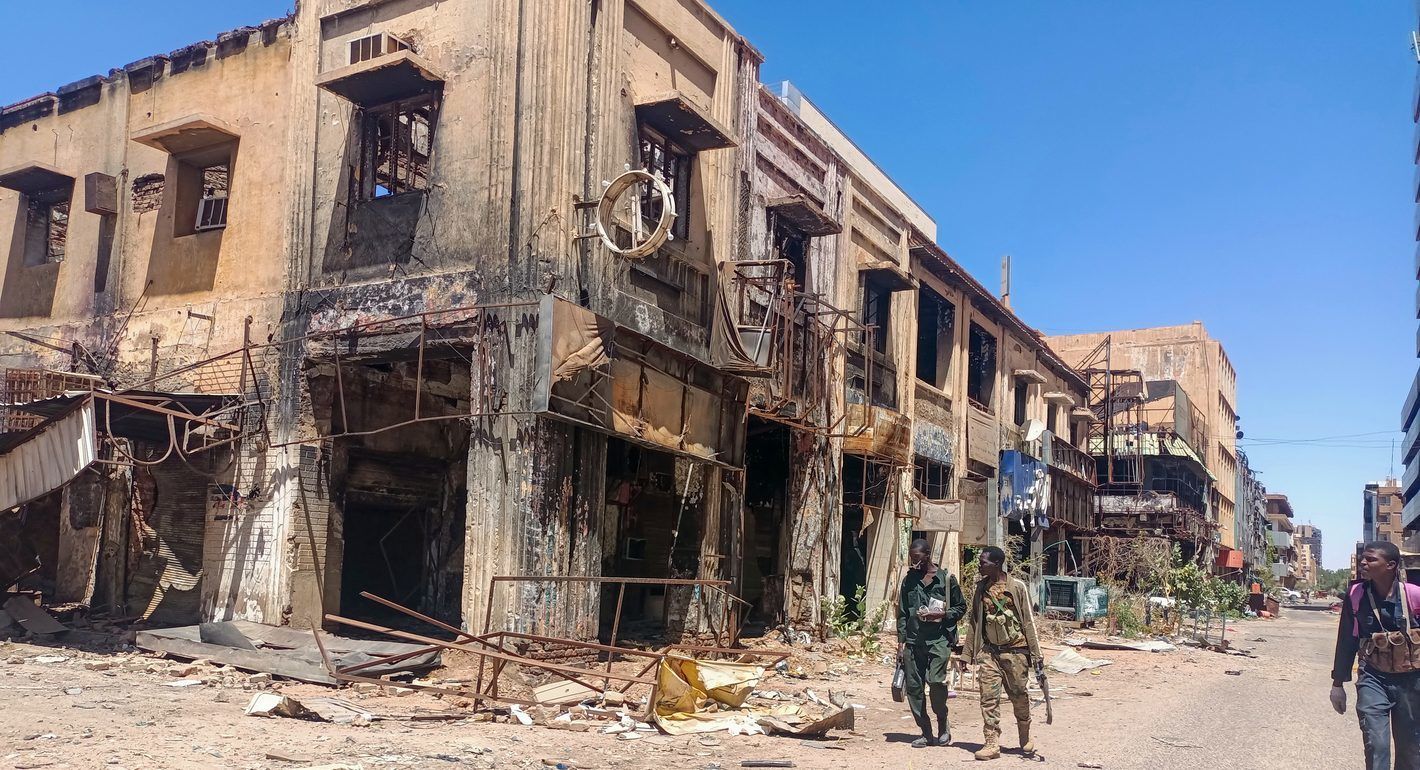
Hate speech has spread across Sudan and become a key factor in worsening the war between the army and the Rapid Support Forces. The article provides expert analysis and historical background to show how hateful rhetoric has fueled violence, justified atrocities, and weakened national unity, while also suggesting ways to counter it through justice, education, and promoting a culture of peace.
Samar Sulaiman
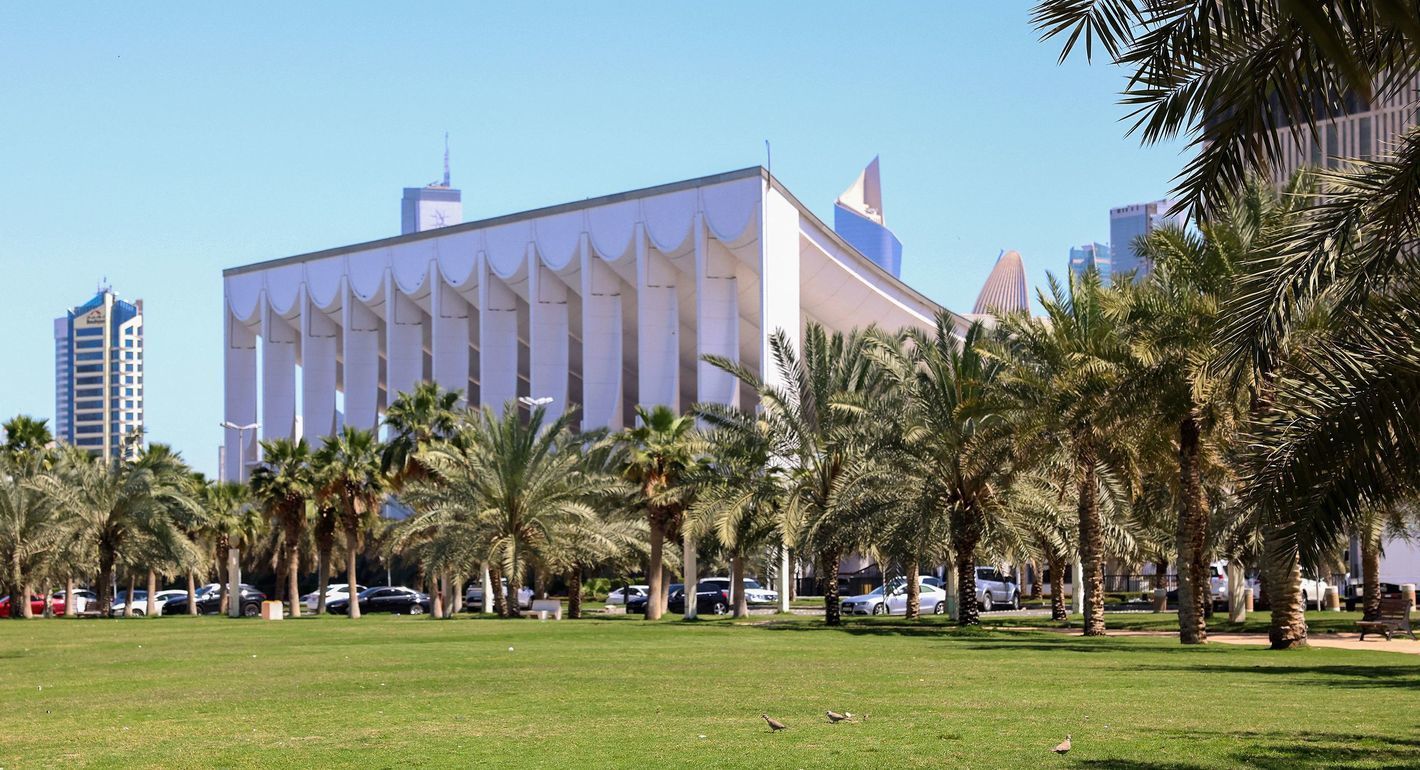
Kuwait’s government has repeatedly launched ambitious reforms under Kuwait Vision 2035, yet bureaucratic inefficiency, siloed institutions, and weak feedback mechanisms continue to stall progress. Adopting government analytics—real-time monitoring and evidence-based decision-making—can transform reform from repetitive announcements into measurable outcomes.
Dalal A. Marafie
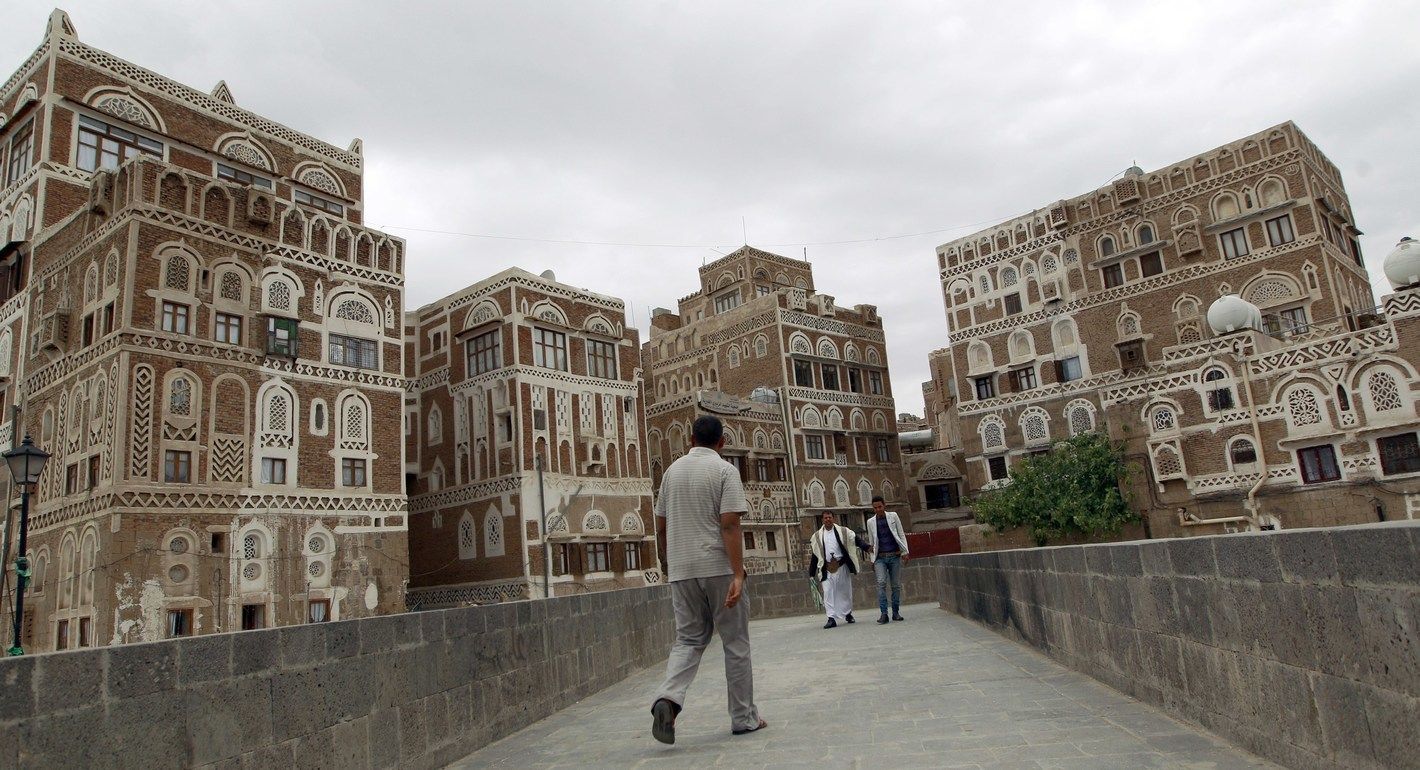
The chaos of street naming in Sana’a reflects the deep weakness of the Yemeni state and its failure to establish a unified urban identity, leaving residents to rely on informal, oral naming systems rooted in collective memory. This urban disorder is not merely a logistical problem but a symbolic struggle between state authority and local community identity.
Sarah Al-Kbat
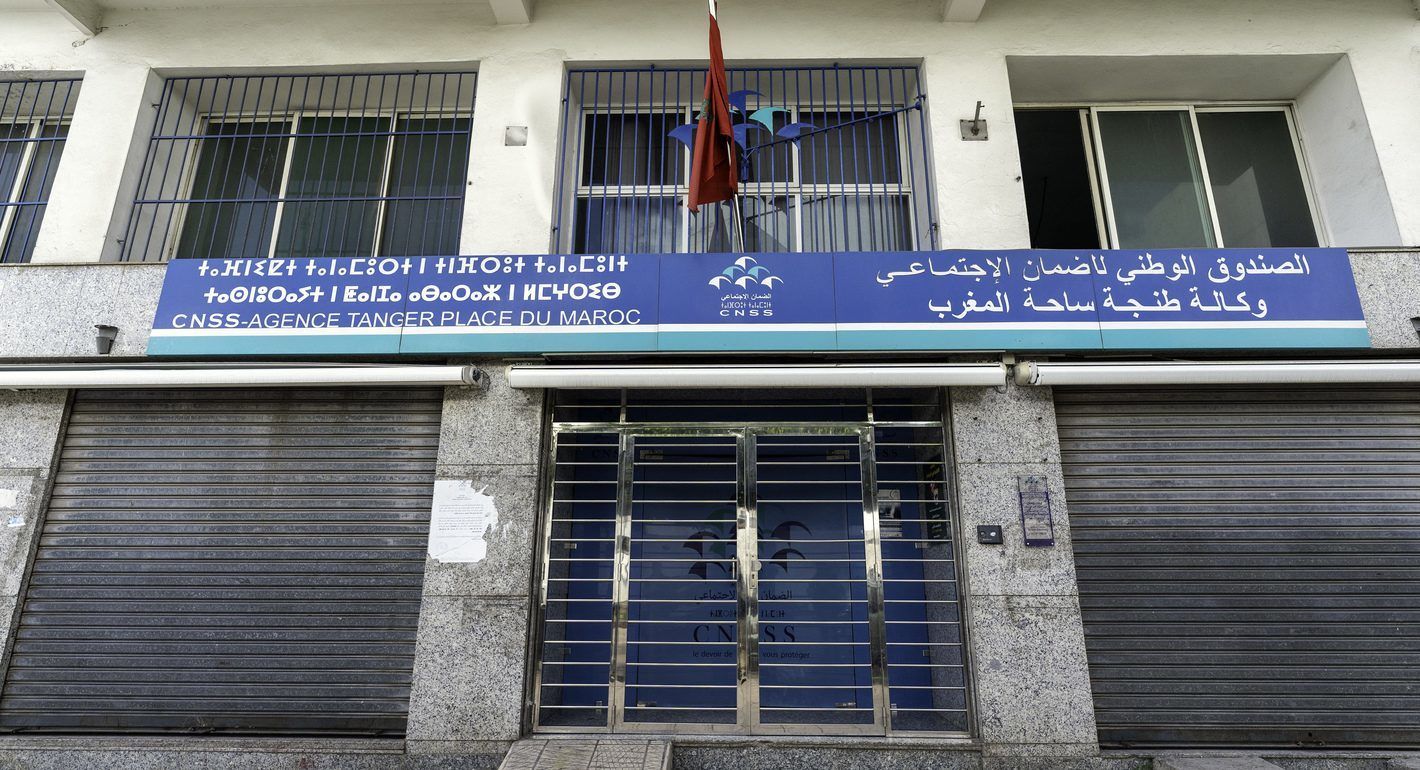
While Morocco’s shift to a digitized social targeting system improves efficiency and coordination in social programs, it also poses risks of exclusion and reinforces austerity policies. The new system uses algorithms based on socioeconomic data to determine eligibility for benefits like cash transfers and health insurance. However, due to technical flaws, digital inequality, and rigid criteria, many vulnerable families are unfairly excluded.
Abderrafie Zaanoun