

Commentary
From anime heroes to online gaming communities, Morocco’s Gen Z is building a new protest culture. What does this digital imagination reveal about youth politics, and how should institutions respond?
Abdelilah Farah
{
  "authors": [
    "Salim Hmimnat"
  ],
  "type": "commentary",
  "blog": "Sada",
  "centerAffiliationAll": "",
  "centers": [
    "Carnegie Endowment for International Peace"
  ],
  "collections": [],
  "englishNewsletterAll": "",
  "nonEnglishNewsletterAll": "",
  "primaryCenter": "Carnegie Endowment for International Peace",
  "programAffiliation": "",
  "programs": [],
  "projects": [],
  "regions": [
    "North Africa",
    "Morocco"
  ],
  "topics": []
}
Source: Getty
Recognizing the political shortcomings of marginalizing Salafis, Moroccan decision-makers are making efforts to reconcile Salafism with religious institutions’ Sufi character.
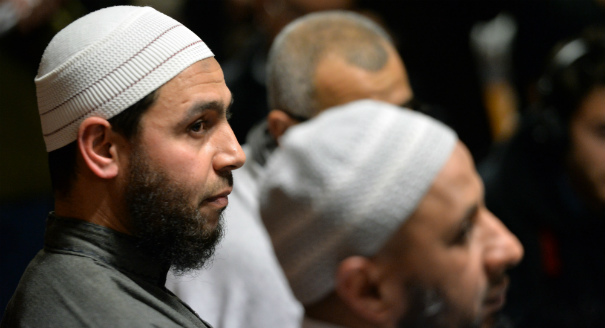
On November 6, 2015, King Mohammed VI pardoned a group of 37 Salafi detainees who had been convicted of terrorism charges, including Sheikh Hassan al-Khattab. According to a statement by the Ministry of Justice, the pardon came “when they officially declared their loyalty to principles of the nation, its holy sites, and national institutions, and after we reviewed their ideological positions and tendencies and they renounced extremism and terrorism.”
The pardons are the latest indication of a shift in the country’s approach to the Salafi jihadi issue. Five Salafi-jihadi sheikhs, as well as several hundred of their followers, were pardoned by royal decree in 2011 and 2012, a few of whom were even given permission to engage in political work within existing partisan organizations. In March 2014 Sheikh Mohammed al-Fizazi led a Friday prayer attended by the king. And the Supreme Council of Religious Scholars, in partnership with the Ministry of Awqaf, announced on April 4, 2015 that it was organizing a scholarly seminar titled “Salafism: Realizing the concept and demonstrating its content,” the conclusions of which were presented in Moroccan cleric Mustapha Benhamza’s religious lesson before the king during Ramadan in July 2015. These pardons indicate an improvement in the relationship between a number of Salafi figures and the regime, and a rethinking of some components of the government’s approach to combating extremism.
Since the terrorist attacks of May 2003, the country’s official approach to combating extremism was to promote Moroccan forms of Sufism, as a counterweight to foreign forms of religiosity—Salafism first and foremost. The Sufi character enjoyed a distinguished position and preferential official treatment, allowing it to sweep through the various domains of the public sphere. The stated goals of this strategy were to use the Sufi orders to contain extremist tendencies that were beginning to spread among the youth. It strove to confront the ideological projects of Salafi movements—whether moderate or oppositionist—even though they had been a part of Moroccan religious politics since the end of the 1970s. This approach was meant to provide an effective mechanism to protect the kingdom from anything that would threaten its security or the stability of its political system.
Though the government continues to support Sufi institutions, it has become aware of the political and security shortcomings of marginalizing Salafis. The strategy’s limitations were evident in the aftermath of the Arab Spring. Sufi orders, despite the state’s ability to use them politically, lack a political vision. Some Sufi orders, in particular the Boutchichiya, strongly supported the constitutional amendment in summer 2011, taking to the streets to express their unconditional support for the regime. But this involvement led to negative reactions among the Islamist ranks, and even within the Sufi movement itself, on account of the move being incompatible with the Sufi spirit, which distances itself from controversial political issues.
In terms of security, the government’s strategy of using Sufism to confront extremist Salafism has also fallen short. The government increasingly doubts the ability of the Sufi trend—despite the support they receive from the state—to provide a socio-religious current, as the state was hoping it would, strong enough to become an alternative to Salafi-jihadi and takfiri ideologies. The latter have yet to lose their appeal and recruiting capabilities among some fragile social groups.
Therefore, decision-makers appear to be leaning toward a policy of greater acceptance of Salafism, attempting to reconcile it with the Sufi character. The Supreme Council of Religious Scholars’ seminar on Salafism—which tried to clarify Salafism in terms of its goals, practices, public perception, and communications strategy—indicates an aim to reclaim the concept of Salafism. In addition to addressing misconceptions regarding Salafism, this government-sponsored seminar invited prominent Salafi theologians such as Sheikh Mohamed Zohal to make Salafism compatible—in concept and application—with the official Moroccan religious model that is based on Maliki jurisprudence, Ash’ari doctrine, and Sufism. It hoped to engage in an open dialogue with Salafi youth and provide them this “correct” understanding of Salafism. This shift in rhetoric was made clear during the opening address of the aforementioned seminar by Minister of Awqaf Ahmed al-Tawfiq, who said, “All Moroccans, today as in the past, are Salafis” and praised the “valuable educational efforts” some Salafi groups have made.
Furthermore, many in the Salafi movement—as the movement became harder to distance from politics—have been allowed limited political engagement, after giving the regime ample reassurances of reform and contrition. Moroccan Salafi leaders are looking to follow the integration of Egypt’s Salafi Nour Party, and a number of prominent Salafi figures and followers have sought to take a more active political role in joining small opposition parties, such as the moderate Islamist Party of Renaissance and Virtue and the center-right Democratic and Social Movement. Through this limited political activity, they can—when called upon—provide political support for the regime.
Even if temporarily, religious pluralism under political and institutional control could enhance the king’s ability to serve as a unifier and arbitrator—rather than the government maintaining an exclusionary approach that has proven ineffective in securing the its urgent political needs.
This article was translated from Arabic.
Salim Hmimnat is a professor in political science at the Mohamed V University in Rabat.
Salim Hmimnat
Carnegie does not take institutional positions on public policy issues; the views represented herein are those of the author(s) and do not necessarily reflect the views of Carnegie, its staff, or its trustees.
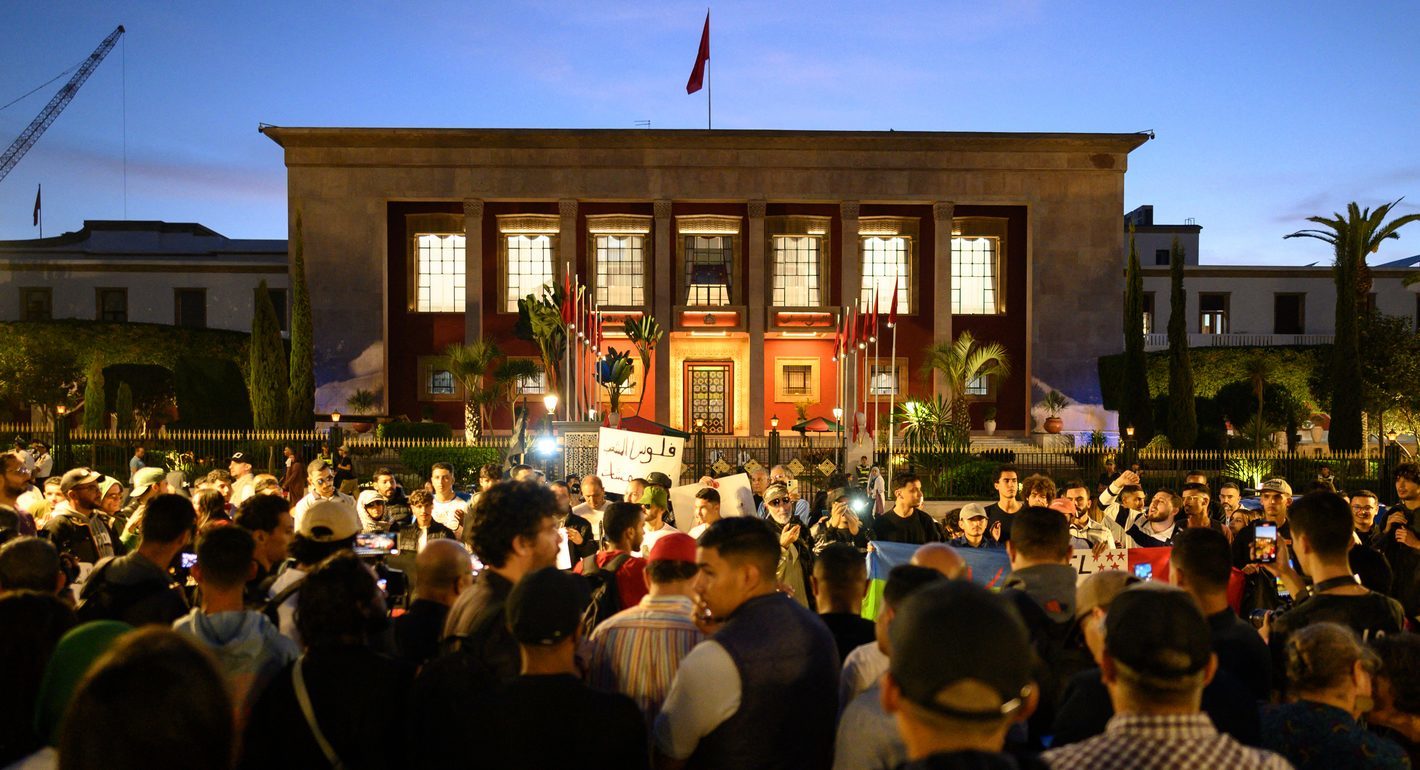
From anime heroes to online gaming communities, Morocco’s Gen Z is building a new protest culture. What does this digital imagination reveal about youth politics, and how should institutions respond?
Abdelilah Farah
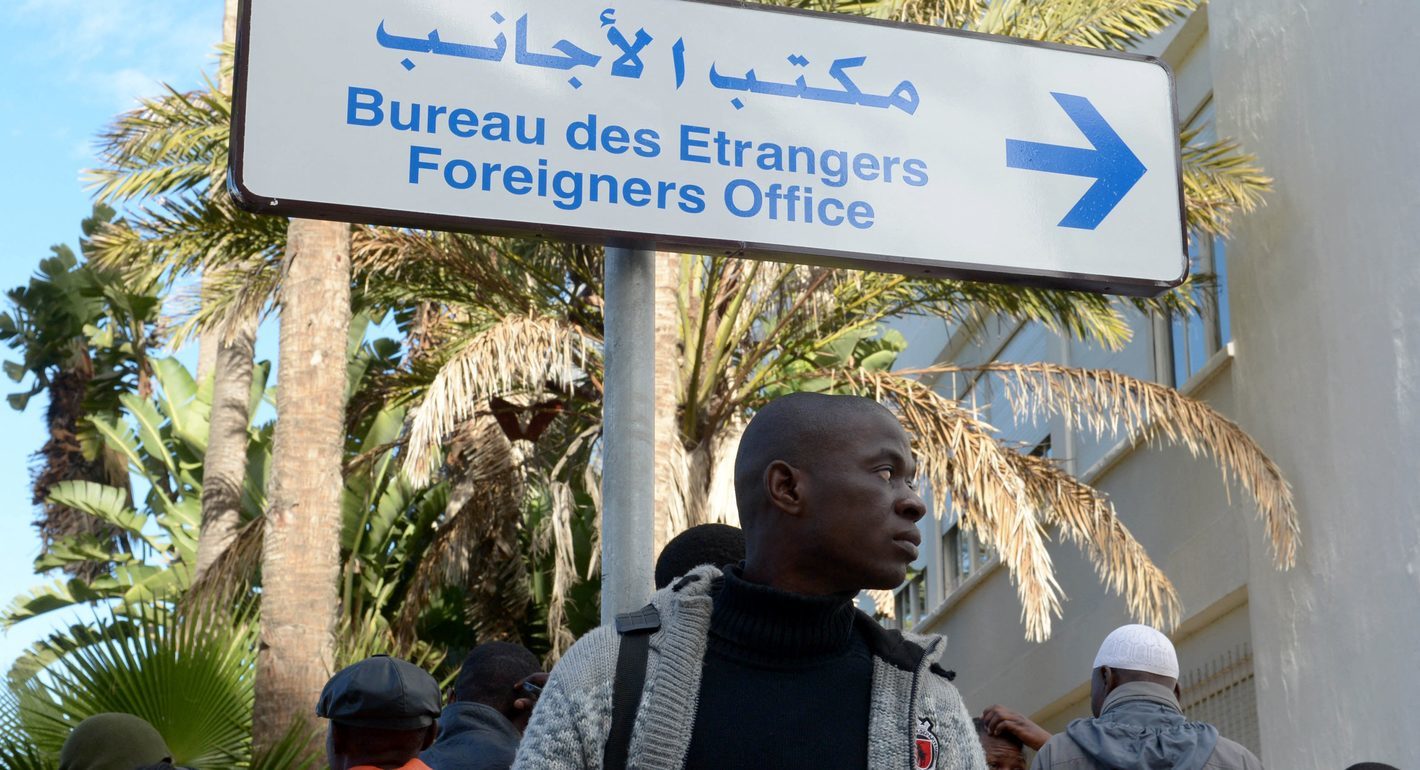
Is Morocco’s migration policy protecting Sub-Saharan African migrants or managing them for political and security ends? This article unpacks the gaps, the risks, and the paths toward real rights-based integration.
Soufiane Elgoumri
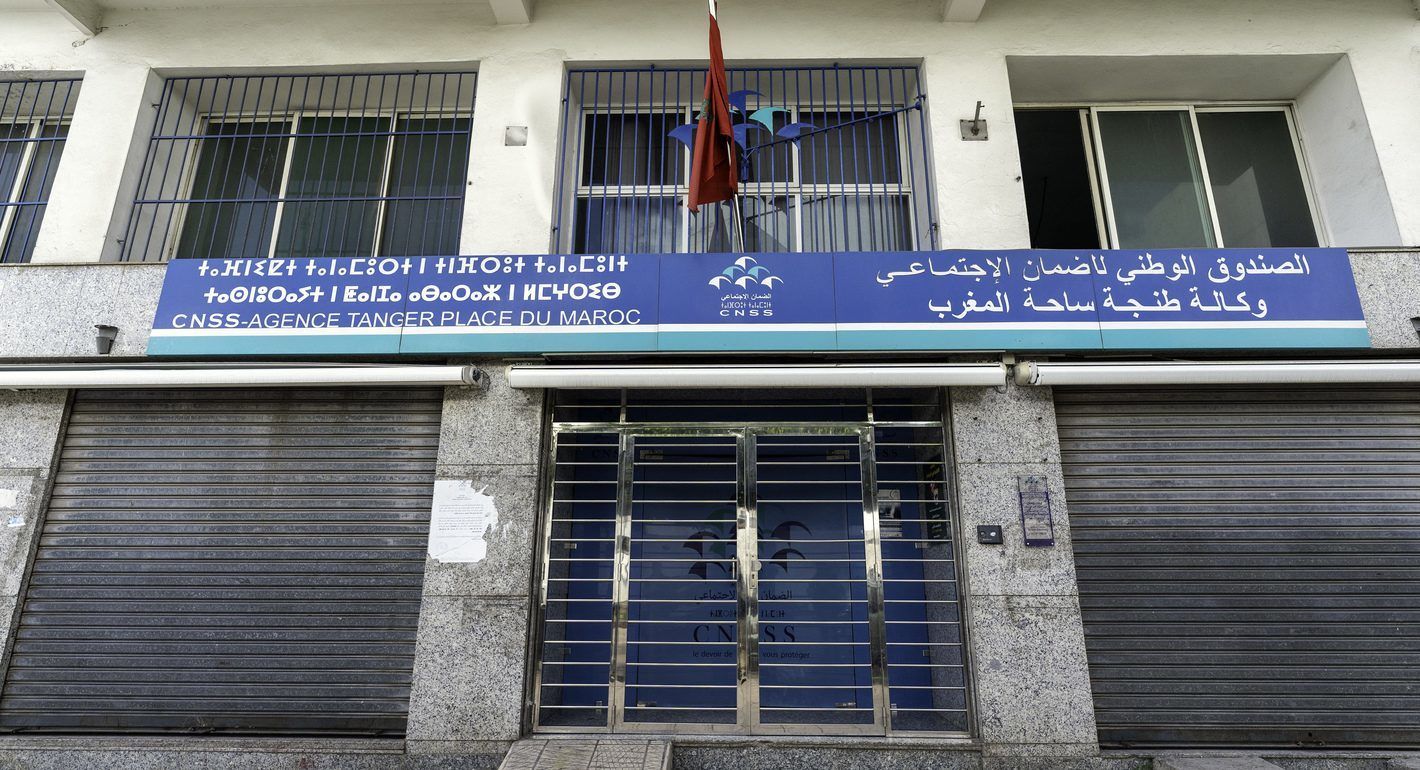
While Morocco’s shift to a digitized social targeting system improves efficiency and coordination in social programs, it also poses risks of exclusion and reinforces austerity policies. The new system uses algorithms based on socioeconomic data to determine eligibility for benefits like cash transfers and health insurance. However, due to technical flaws, digital inequality, and rigid criteria, many vulnerable families are unfairly excluded.
Abderrafie Zaanoun

Tunisia is facing a worsening water crisis characterized by widespread protests over access to potable water, particularly in rural areas with underdeveloped supply networks. This situation is exacerbated by climate change, outdated agricultural policies, and industrial water consumption, necessitating comprehensive policy reforms to secure Tunisians’ constitutional right to water and ensure equitable access across the country.
Noura Omar
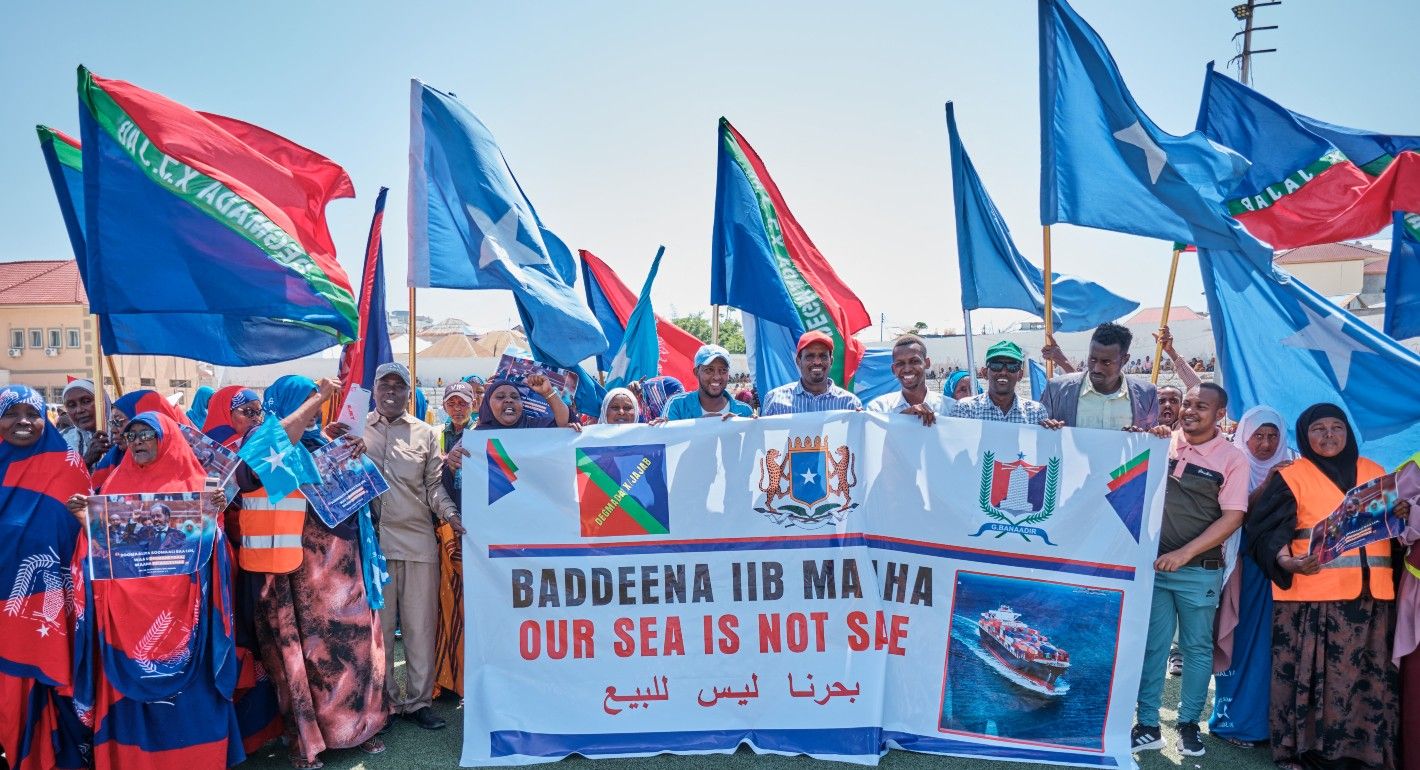
As hegemonic Ethiopian ambitions threaten stability in the Horn of Africa, Somalia is building strategic alliances regionally and internationally to counter Ethiopia’s growing political and military influence.
Hisham Qadri Ahmed