

Commentary
From anime heroes to online gaming communities, Morocco’s Gen Z is building a new protest culture. What does this digital imagination reveal about youth politics, and how should institutions respond?
Abdelilah Farah
{
  "authors": [
    "Maâti Monjib"
  ],
  "type": "commentary",
  "blog": "Sada",
  "centerAffiliationAll": "",
  "centers": [
    "Carnegie Endowment for International Peace"
  ],
  "collections": [
    "Arab Awakening"
  ],
  "englishNewsletterAll": "",
  "nonEnglishNewsletterAll": "",
  "primaryCenter": "Carnegie Endowment for International Peace",
  "programAffiliation": "",
  "programs": [],
  "projects": [],
  "regions": [
    "North Africa",
    "Morocco"
  ],
  "topics": [
    "Civil Society"
  ]
}
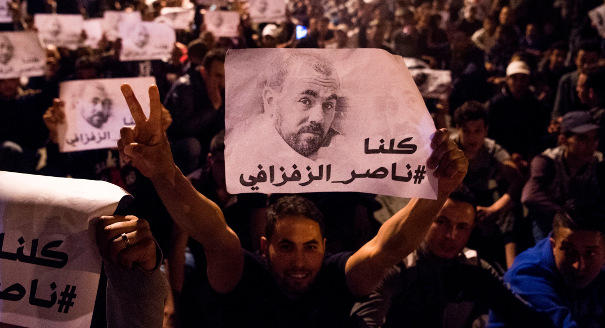
Source: Getty
The Moroccan authorities are unsuccessfully using their influence over religious discourse and the media to try to turn the public against protesters in the Rif.
In recent weeks, the protests that first started last October in the mountainous Rif region of northern Morocco have gained traction: protesters in Al-Hoceima have begun hitting the streets during the day, whereas previous demonstrations this Ramadan had been only at night. The protesters’ resolve is strengthening despite increasingly violent crackdowns, with at least one demonstrator suffering head injuries on Thursday June 8. About 150 demonstrators have reportedly been arrested so far, 25 of whom have already been sentenced to prison for disturbing public order, and others could face charges of terrorism or endangering state security. The government has designated some areas off-limits to demonstrators, like the densely populated Al-Hoceima neighborhoods of Sidi Abid and Diour al-Malik, which have been the epicenter of protests in the past several weeks. Police man checkpoints at all of the exit and entrance alleys, granting access only to local residents who show their ID cards.
As it runs out of options, the government is increasingly turning to religion and religious figures to discredit the protests. On Friday, May 26, the Ministry of Endowments and Islamic Affairs prepared a sermon delivered at several Al-Hoceima area mosques, including one where Nasser Zefzafi, the leader of the Rif protest movement, was praying. Demonstrators have also sometimes staged protests in the same public spaces where they pray. The sermon accused the protest leaders of stirring up fitna (a religiously loaded term connoting unrest against righteous authorities), spreading lies, and deceiving the media. Things took a turn for the worse when Zefzafi interrupted the sermon to denounce the ministry’s interference as illegitimate, and he and other protest leaders decided to boycott ministry-controlled mosques. In a keynote speech kicking off a series of Ramadan lessons, Minister of Endowments and Islamic Affairs Ahmed Toufiq hinted on May 28 that security is necessary, a clear reference to the Rif unrest. Mohamed Chiker, a researcher in political science, said:1
The authorities have always employed religion within politics and elections, but it has been even clearer in the case of the Rif movement. The authorities used the sermon as a trap to provoke the protest leaders in the very Al-Hoceima mosque frequented by the movement’s leader, Zefzafi. The authorities used the historical and religious import of the deeply resonating concepts of fitna and “leaving the community” to throw him in jail at what they estimated would be minimal political cost.
The population of Al-Hoceima, meanwhile, has become more opposed to the use of government-aligned preachers to spout propaganda against the Rif movement. Hassen Bennajeh, a spokesperson for al-Adl wal-Ihsan, a large but illegal Islamist group in Morocco, responded sharply to the minister’s remarks and accusations of fitna, saying, “The role of religious scholars is to stand up to rulers’ injustice, not to exploit religion to justify their oppression. True Islam is innocent of this slander. They are insulting both religion and the people.”2
Furthermore, the government has so far sought to implicate some of the arrested leaders as having extremist leanings. The arrest of one of the moderate leaders of the protest movement, El Mortada Iamrachen, illustrates this. On June 10, Iamrachen was arrested and brought before an anti-terrorism court in Salé. As a young man, Iamrachen had been a Salafi activist before emerging as a prominent liberal voice within Al-Hoceima during the nationwide February 20 protest movement in 2011. Though defenders of the palace have used his former affiliation to smear the current protest leaders as being linked to transnational terrorist organizations, Iamrachen had evolved away from any leanings toward Salafism. For instance, he vocally defended the right of Moroccans to eat in public in daytime during Ramadan, a stance even some of the secularist political parties shy away from. On another occasion, Iamrachen spoke out for the rights and dignity of homosexuals and advocated peaceful coexistence with them.
Government-controlled media is another tool on which the state is heavily relying. Government-run television stations were for a long time silent on the protests. Slowly, government-leaning outlets began attacking its leaders as separatists and saboteurs. State-owned channel Al Aoula and pro-government Medi 1TV even published images allegedly showing property damage caused by rioters in Al-Hoceima—yet the photos were instead from football riots last March, prompting the National Union of the Moroccan Press to issue an official condemnation of this tactic, and its president, Abdallah Bakkali, likewise condemned the state's response to the protests on June 19 during a conference organized by Freedom Now in Rabat.
The authorities have also kept a tight control on journalists, occasionally blocking them from reaching protest sites. A journalist working for the French-language Algerian paper Al-Watan was recently expelled from Morocco, and and a television team from the French outlet France 24 was banned from producing a program on the protests. Pro-government journalists instead covered newly elected French President Emmanuel Macron’s visit to Rabat, his first official trip overseas since being elected. The government has kept a close eye on Facebook and other social media networks to neutralize the most effective activists, forcing protest organizers to begin shouting out the time and place of the next demonstration as protesters disperse. This is so that these new leaders, who rose up to fill the voids left by the arrest of Zefzafi and his colleagues, can avoid prison, where Zefzafi has been since the end of May.
The state-owned and pro-government media have been relentless in their mudslinging campaign, including branding the protest movement’s leaders as separatists working for foreign powers. Even so, on June 11 at least 50,000 demonstrators—a particularly impressive number on a hot Ramadan day—came together in a Rabat protest in solidarity with detainees in the Rif, organized by al-Adl wal-Ihsan in coordination with left-wing and secularist organizations and some steering committees of the February 20 movement. The demonstration’s slogans were not only about the marginalized Rif area, but also echoed the sentiment of the February 20 protests. Besides demands to release the recent Rif detainees, one of the most common chants was, “The people want the downfall of corruption. The people want the downfall of authoritarianism. Listen to the people’s voice.” These slogans were about expanding democracy, improving citizen’s rights, and curbing corruption. One leftist intellectual taking part in the protest stressed, “It is a reformist demand, not a revolutionary one, but it is out of reach.”3
Notably, Attajdid Tollabi (the Student Renewal Organization), which is close to the Justice and Development Party and its former prime minister Abdelilah Benkirane, announced it would participate in the protests even though it never officially took part in the February 20 Movement in 2011. According to media reports, former prime ministers Abdelilah Benkirane and Abderrahmane Youssoufi have both turned down requests to intervene to calm the situation in northern Morocco. As the protests remain, and the government struggles to address them, mediation emerges as the only viable option. But that remains an issue as there is no credible actor capable of playing that role.
This article was translated from Arabic.
Maâti Monjib is a political analyst and historian at the University of Mohammed V-Rabat.
1. Email interview with the author, June 10, 2017.
2. Interview with the author, Rabat, June 12, 2017.
3. Interview with the author, Rabat, June 11, 2017.
Maâti Monjib
Maâti Monjib is a political analyst, human rights activist, and historian at the University of Mohammed V-Rabat.
Carnegie does not take institutional positions on public policy issues; the views represented herein are those of the author(s) and do not necessarily reflect the views of Carnegie, its staff, or its trustees.
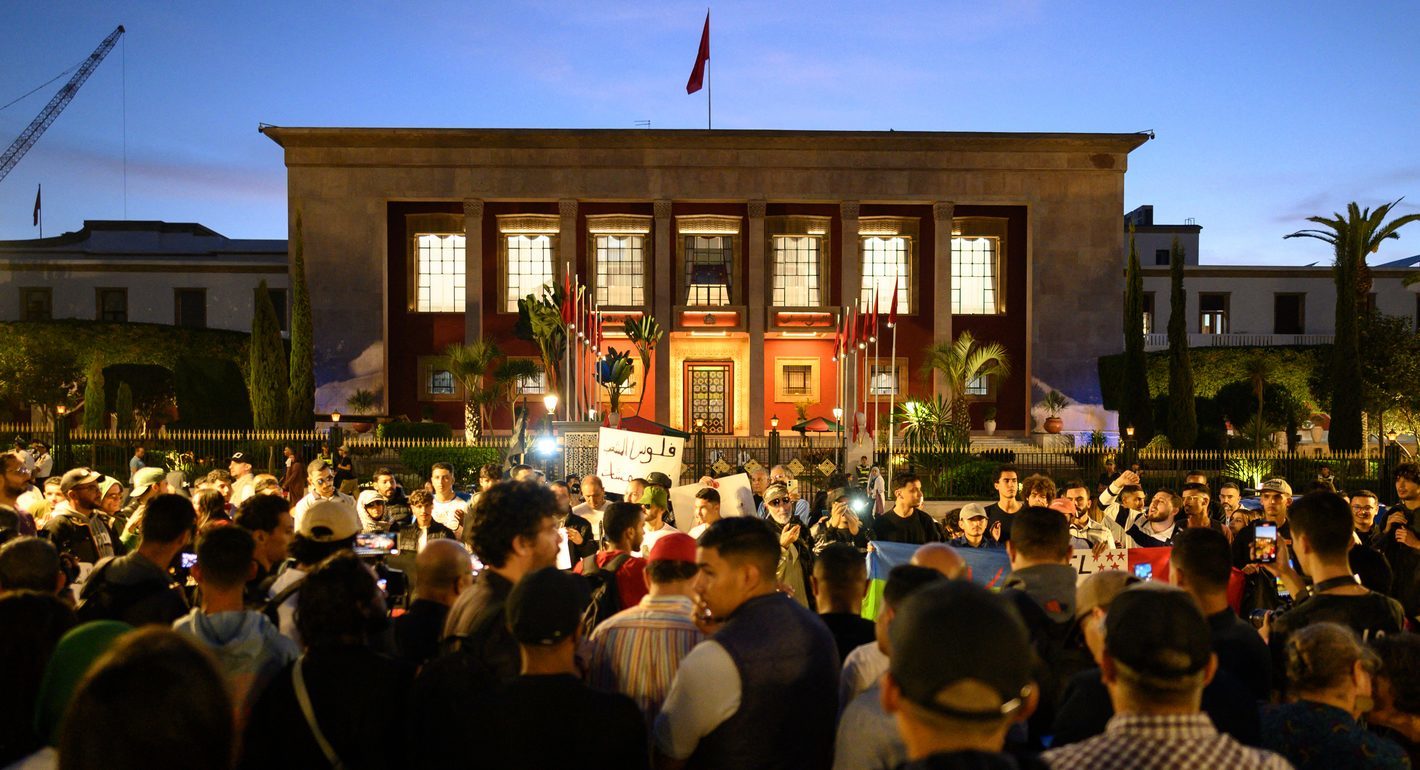
From anime heroes to online gaming communities, Morocco’s Gen Z is building a new protest culture. What does this digital imagination reveal about youth politics, and how should institutions respond?
Abdelilah Farah
Is Morocco’s migration policy protecting Sub-Saharan African migrants or managing them for political and security ends? This article unpacks the gaps, the risks, and the paths toward real rights-based integration.
Soufiane Elgoumri
While Morocco’s shift to a digitized social targeting system improves efficiency and coordination in social programs, it also poses risks of exclusion and reinforces austerity policies. The new system uses algorithms based on socioeconomic data to determine eligibility for benefits like cash transfers and health insurance. However, due to technical flaws, digital inequality, and rigid criteria, many vulnerable families are unfairly excluded.
Abderrafie Zaanoun
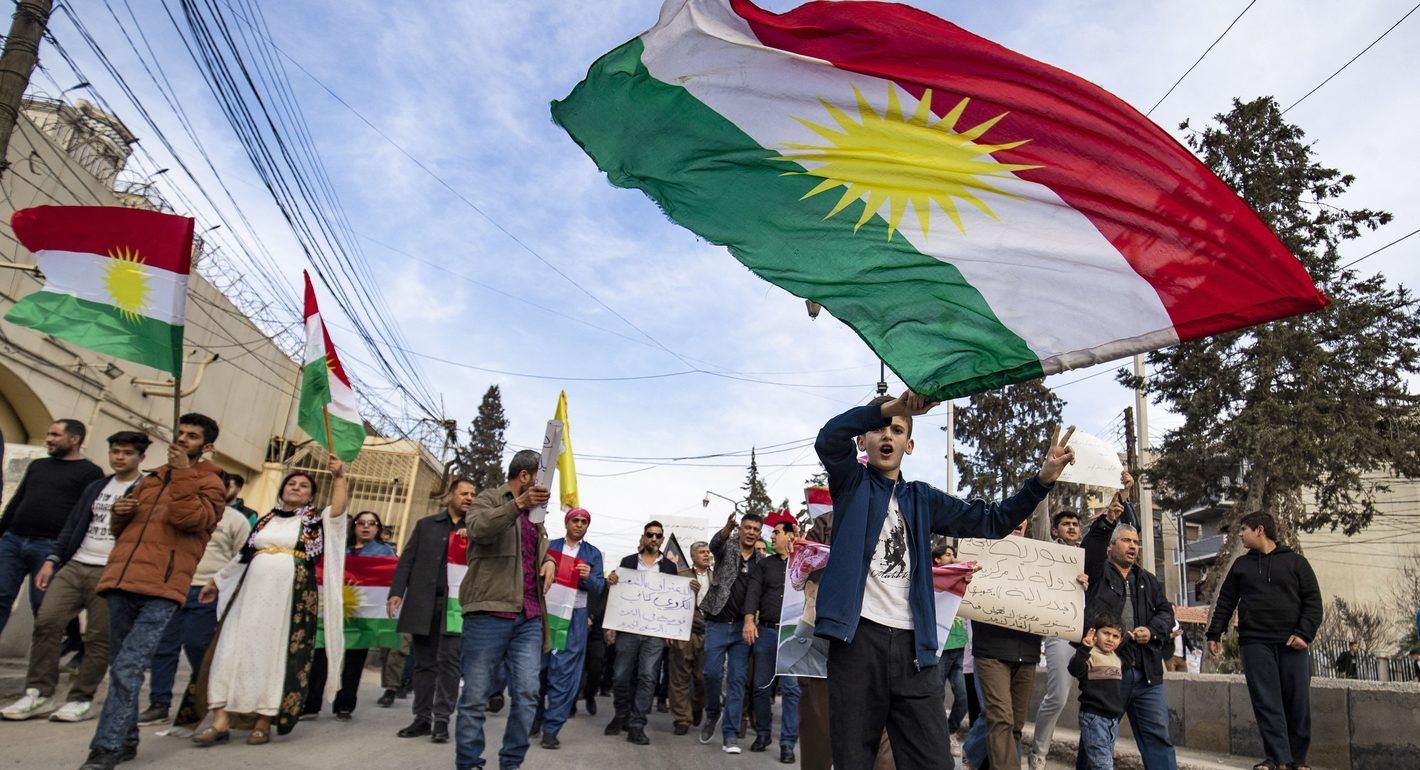
Saudi Arabia’s cautious stance on the Syrian Kurds reflects a delicate balance between leveraging Kurdish autonomy to counter Iran’s influence and managing the risks of destabilizing Syria’s territorial integrity. While Saudi Arabia seeks to safeguard its interests in the region, it remains wary of the potential internal and external consequences of supporting Kurdish autonomy.
Mohammad Salami
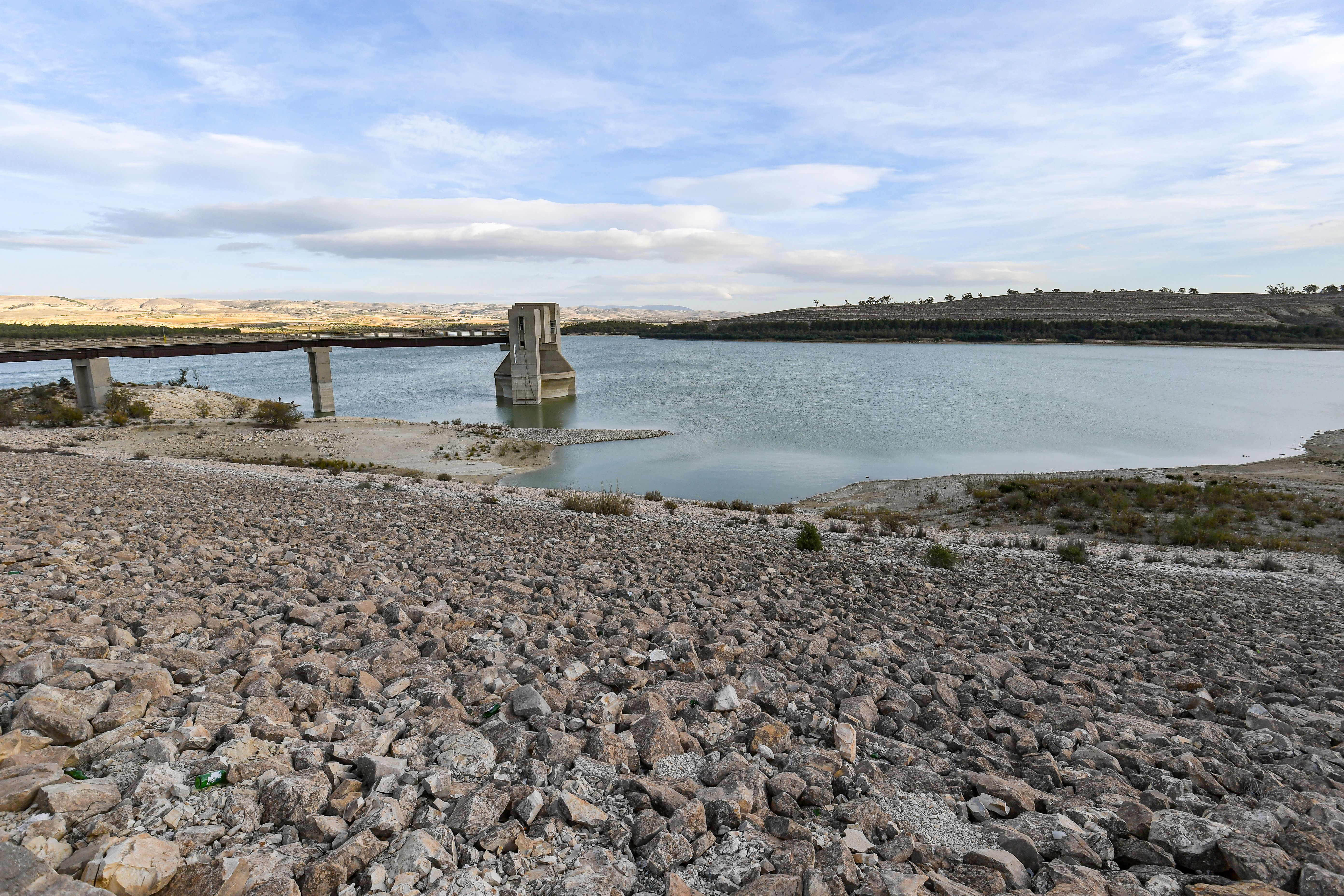
Tunisia is facing a worsening water crisis characterized by widespread protests over access to potable water, particularly in rural areas with underdeveloped supply networks. This situation is exacerbated by climate change, outdated agricultural policies, and industrial water consumption, necessitating comprehensive policy reforms to secure Tunisians’ constitutional right to water and ensure equitable access across the country.
Noura Omar