

Commentary
Syria's transition promised a fresh start. But are old habits of power making a comeback? This analysis looks at the warning signs and what it will take to build a more accountable state.
Sima Beitinjaneh
{
  "authors": [
    "Maged Mandour"
  ],
  "type": "commentary",
  "blog": "Sada",
  "centerAffiliationAll": "",
  "centers": [
    "Carnegie Endowment for International Peace"
  ],
  "collections": [],
  "englishNewsletterAll": "",
  "nonEnglishNewsletterAll": "",
  "primaryCenter": "Carnegie Endowment for International Peace",
  "programAffiliation": "",
  "programs": [],
  "projects": [],
  "regions": [
    "North Africa",
    "Egypt"
  ],
  "topics": [
    "Democracy",
    "Political Reform"
  ]
}
Source: Getty
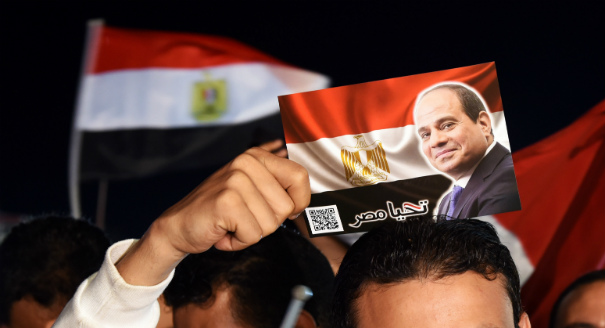
The Egyptian regime’s attempt to expand the presidential term to six years is another move to consolidate the power of the presidency.
In advance of Egypt’s presidential election, scheduled to take place between February and May 2018, Egyptian MP Ismail Nasreddine put forth a proposal to amend Article 140 of the Egyptian Constitution to extend the presidential term from four to six years, postponing the election until 2020. If extended, the presidential term would be back to what it was under former president Hosni Mubarak, in effect it would undo one of the achievements of the 2011 revolution, which weakened the power of the presidency. Even though President Abdel Fattah el-Sisi has consolidated his control of the media and civil society and deliberately weakened the opposition over the past four years, this potential amendment shows that he is looking to further expand the power of the presidency he currently holds.
According to Article 226 of the Egyptian Constitution, a two-thirds majority in the people’s assembly must first approve the amendment, which will then be put to a national referendum. If put to a vote, the amendment is likely to be pass, as Nasreddine’s call has received widespread support from the majority Tahya Misr electoral coalition, which has close links to the pro-Sisi security apparatus. Some prominent members of the 25-30 Coalition, a loose alliance of independent MPs that acts as the parliamentary opposition, have come out against the proposal. However, the vote on the transfer of Tiran and Sanafir to Saudi Arabia, support for which was divided along similar lines, suggests this vote is also likely to pass. This is largely because of the small size of the opposition, Tahya Misr’s extensive control over the parliament, and the support of Speaker of the House Ali Abdel Aal.
The question of whether to extend presidential limits has come up before, though it failed to generate enough support and was feared to generate popular anger. Nasreddine’s proposal echoes earlier statements by Sisi himself, who hinted in September 2015 that the Constitution, which he argued was written with “good intentions,” needed to be amended in order to build a stronger central state. This is part of consistent regime rhetoric, echoed by legislators’ repeated calls to enhance the power of the presidency. However, even now that the proposal has more support in parliament, Nasreddine has been unclear as to whether parliament will debate the amendment this year or whether it even would apply to Sisi’s current term or just future ones. This ambiguity reflects fears of popular opposition, an important factor in the regime’s calculations, but also of growing opposition among elites. For example, Amr Moussa, the former minister of foreign affairs under Hosni Mubarak and a presidential candidate in 2012, has come out against the proposed amendment, as has Ahmed Shafiq, an air force general who was briefly prime minister under Mubarak and also a presidential candidate in 2012.
The amendment aims to offer the option to postpone the election even though Sisi’s reelection is all but certain. His crackdown on the media and civil society, including shutting down more than 57 news and media websites accused of supporting terrorism in May 2017, would assure his victory. Many of these websites were critical of the regime and, more importantly, provided an outlet for independent writers whose views the regime could not control. In addition, the regime has tightened its grip on civil society, most notably when the new civil society law, which is expected to stifle organizations’ operations, was ratified on May 24, 2017. The law requires NGOs to seek official approval to publish findings of any opinion polls or field research that they conduct—so any potential reports about election rigging or irregularities in campaigning can no longer be published without heavy penalties. The new law also imposes heavy fines and long prison sentences for simple financial violations and gives the state control over NGO funding from both domestic and international sources.
The opposition remains weak, subject to regime pressure, and unlikely to unite, whether to mount an effective challenge to Sisi’s reelection or to oppose the constitutional amendment. State policies have fragmented and weakened the opposition. For instance, the 2015 electoral laws put smaller parties at a disadvantage, forcing them to compete for resources and giving them less representation in a weak parliament dominated by the pro-Sisi Tahya Misr coalition. The Islamist opposition is in even more disarray. Its largest political entity, the Muslim Brotherhood, is banned and labeled as a terror group. The Salafi current, most heavily represented in politics by the Nour Party, has lost the appeal it had in 2011 and 2012, as reflected in the party’s abysmal performance in the 2015 parliamentary elections.
Even if the presidential election is free and fair, neither the secular nor Islamist opposition has the appeal or unity to mount even a semblance of an effective campaign against the regime’s superior resources, control of the media, and ability repress civil society and stifle protests. Even though former presidential candidate Hamdeen Sabahi called for the civil opposition to unite behind one candidate in May 2017, they have yet to choose anyone. Even if the opposition can unite, there are no clear options. Sabahi has excluded himself from running since he has become a divisive figure because of his participation in the 2014 presidential race, which many saw as a way to legitimize an already rigged election. Khaled Ali, a long-term critic of the regime who has gained much public attention for leading the legal battle against the transfer of the Tiran and Sanafir islands to Saudi Arabia, has been convicted of public indecency, and pending the outcome of his legal battle a criminal record would disqualify him from running. Mohamed Anwar al-Sadat, the head of the Reform and Development Party and a strong government critic who was stripped of his seat in February for “degrading the Parliament,” has stated his intention to run but does not have enough backing to be a real contender.
A presidential election in 2018 would come in the middle of rapidly worsening economic and security conditions and open opposition—among not just the general public, but also the judiciary and the political and military elites—to the regime’s controversial decision to transfer the Red Sea islands to Saudi Arabia. This case is especially damaging to the regime’s narrative of being the protector of the nation. For example, one of the accusations used to justify the coup against the Muslim Brotherhood was that they had planned to sell Sinai or the Suez Canal to Qatar. Elections could place some scrutiny on Sisi’s record and draw attention to his declining popularity since 2014, something he has admitted himself and has been confirmed by government-controlled polls.
Even if his reelection is a sure bet, extending the presidential term limit would spare Sisi potential public scrutiny or even a similar small embarrassment to the 2014 presidential election, when Sabahi challenged Sisi to a debate that he refused to attend. It also would bolster the power of the presidency and spare the regime the distraction of an inconveniently timed campaign that might draw attention to its mixed record on economic and security issues. Although it is in firm control of political space, the regime seems to be playing for time. Postponing the election gives Sisi at least an additional two years to further tighten his grip on power before even the semblance of an electoral contestation.
Maged Mandour is a political analyst and writes the “Chronicles of the Arab Revolt” column for Open Democracy. Follow him on Twitter @MagedMandour.
Maged Mandour
Maged Mandour is a political analyst who is a regular contributor to the Arab Digest, Middle East Eye, and Open Democracy and author of an upcoming book entitled “Egypt Under Sisi.”
Carnegie does not take institutional positions on public policy issues; the views represented herein are those of the author(s) and do not necessarily reflect the views of Carnegie, its staff, or its trustees.
Syria's transition promised a fresh start. But are old habits of power making a comeback? This analysis looks at the warning signs and what it will take to build a more accountable state.
Sima Beitinjaneh
From anime heroes to online gaming communities, Morocco’s Gen Z is building a new protest culture. What does this digital imagination reveal about youth politics, and how should institutions respond?
Abdelilah Farah
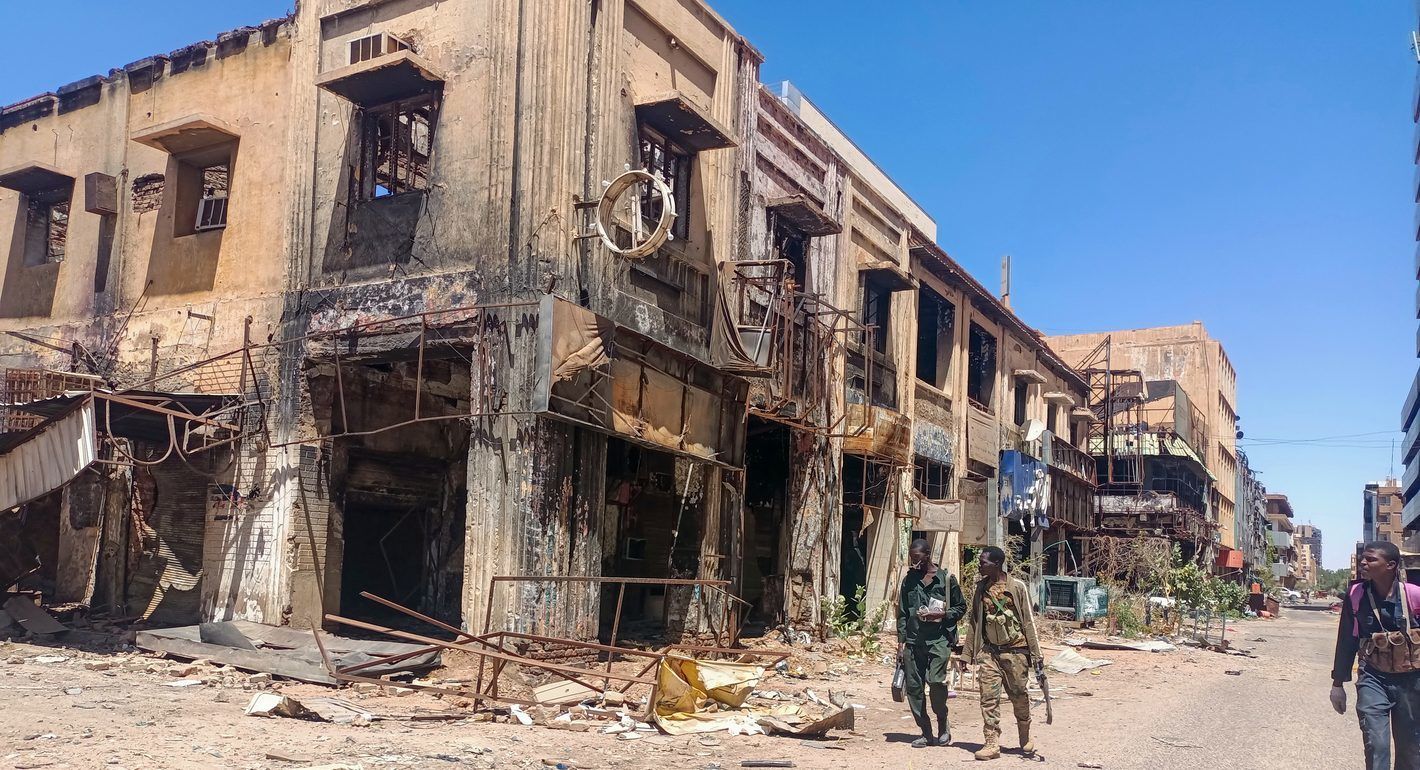
Hate speech has spread across Sudan and become a key factor in worsening the war between the army and the Rapid Support Forces. The article provides expert analysis and historical background to show how hateful rhetoric has fueled violence, justified atrocities, and weakened national unity, while also suggesting ways to counter it through justice, education, and promoting a culture of peace.
Samar Sulaiman
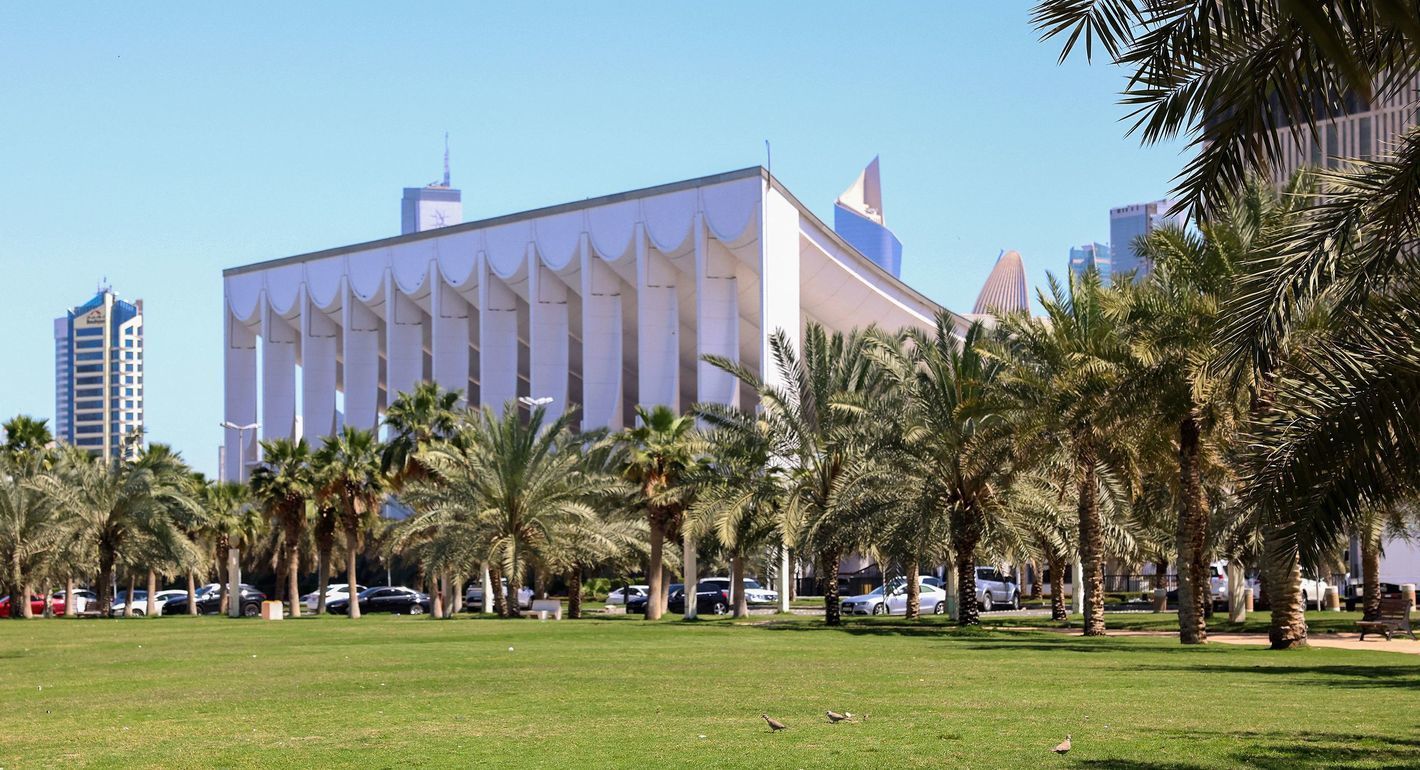
Kuwait’s government has repeatedly launched ambitious reforms under Kuwait Vision 2035, yet bureaucratic inefficiency, siloed institutions, and weak feedback mechanisms continue to stall progress. Adopting government analytics—real-time monitoring and evidence-based decision-making—can transform reform from repetitive announcements into measurable outcomes.
Dalal A. Marafie
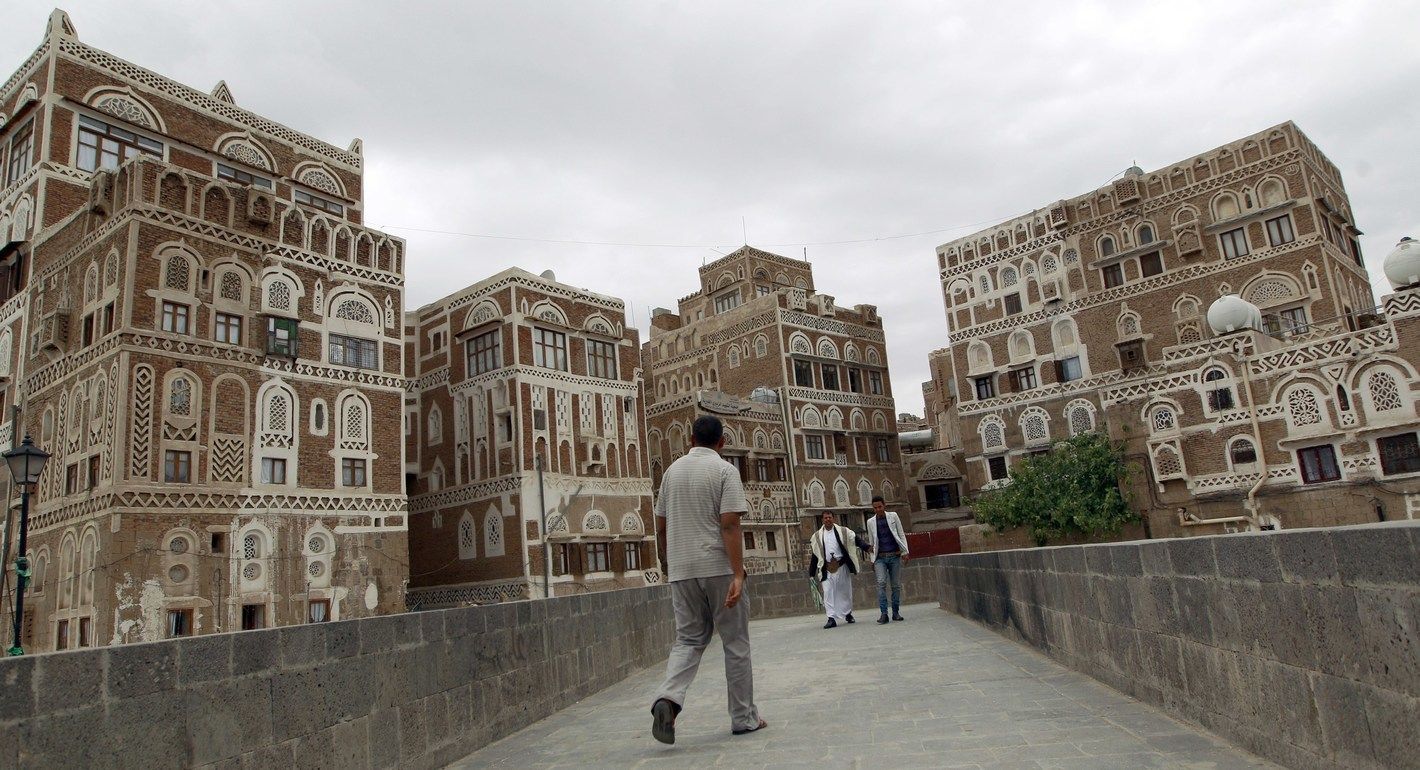
The chaos of street naming in Sana’a reflects the deep weakness of the Yemeni state and its failure to establish a unified urban identity, leaving residents to rely on informal, oral naming systems rooted in collective memory. This urban disorder is not merely a logistical problem but a symbolic struggle between state authority and local community identity.
Sarah Al-Kbat