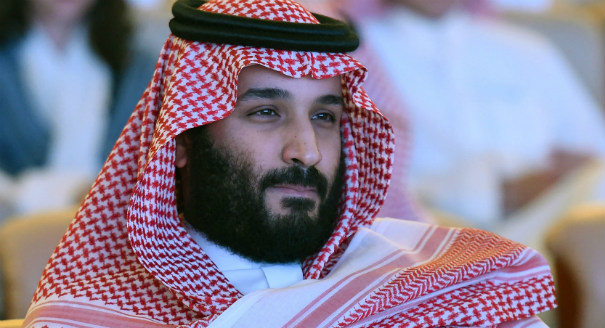
On November 5, eleven princes, four ministers, and dozens of other officials and prominent businessmen were arrested hours after King Salman Bin Abdulaziz Al Saud ordered the formation of a supreme committee to fight corruption, chaired by Crown Prince Mohammed Bin Salman (MBS). While political arrests are expected whenever economic or political pressures rise in Saudi Arabia, the profile, timing, and the nature of those arrests invited wide speculation that MBS is using accusations of corruption to further consolidate political power. While Islamic hardliners and activists have been the usual targets for political arrests, this time the affected individuals—such as billionaire prince Alwaleed Bin Talal—are extensively connected to intricate networks of patronage inside and outside of the state, suggesting MBS is eliminating potential competitors with military and business ties. These arrests also reflect the precipitate, confrontational, and risk-taking nature of Mohammed Bin Salman’s leadership.
Mounting political insecurity in the wake of the Arab Spring had already led Riyadh to pass several restrictive laws and measures in 2014, such as the Penal Law for Crimes of Terrorism and its Financing and Royal Decree 44, to limit individuals’ ability to influence public opinion. However, the fast ascent of MBS to power, which has made it difficult for his officials to establish networks of trust and shared responsibility, has given him near-absolute authority over key state positions—in turn facilitating the rise of political arrests, which he carries out under various pretenses.
For example, an earlier wave of arrests in September targeted more than 70 intellectuals, academics, writers, and key Islamist figures. The Presidency of State Security, an intelligence body directly overseen by the king, claimed they were inciting violence against the state and working to destabilize it. While the state has yet to provide evidence and those arrested have yet to face trial, it is likely that these arrests are partially tied to their online opinions regarding such sensitive issues as domestic economic reform—as was likely the case for Essam al-Zamil and Jamil Farsi. A small portion of the arrests is also likely tied to criticism of the conflict with Qatar. In August, Saud al-Qahtani, an advisor to the royal court, suggested crowdsourcing the creation of a blacklist—defended by Anwar Gargash, the Emirati minister of state for foreign affairs—to identify individuals who did not back the state’s campaign against Qatar. Yet the wider pattern of arrests reveals the state’s attempt to tighten its grip on dissent, regardless of the topic, and to promote its own narrative on domestic and foreign affairs. For instance, many of those arrested were public employees and academics in influential positions, such as seven of the judges on the Specialized Criminal Court, which handles terrorism cases. These judges may have been specifically targeted for their relationship with former Crown Prince Mohammed Bin Nayef, who had once directly supervised the court.
This state control has become profoundly noticeable on social media. On October 27, al-Qahtani, who championed the blacklist, was appointed the president of the new Union of Electronic and Software Security, part of the General Authority for Sports led by Turki al-Sheikh. The union, along with the National Authority for Cybersecurity formed on October 31 within the Presidency of State Security, signals the state’s change in tactics from using religious preachers and informants to promote its narrative to using social media and targeting its influencers. For instance, prominent Islamic preacher Salman Al-Awda was arrested on September 10 after posting a prayer on Twitter calling for Gulf leaders to reconcile. The state also arrested his brother Khalid Al-Awda for publicizing and criticizing Salman’s arrest. Many of those arrested in September had previously petitioned the state and advocated for reforms, but have been silent and unengaged in public affairs for the past few years, such as influential youth leaders Mustafa al-Hassan and Abdullah al-Malki, long-time advocates for freedom of expression. Top state-affiliated scholars came out in support of the arrests, describing their initiatives to coordinate youth conferences and foster independent discussions as a crime of treason.
In seeming incompatibility with the crackdowns, on September 26 the state simultaneously revoked the restrictions on women driving and allowed women to attend sports events. In addition to these long-awaited social reforms, on October 24 Mohammed Bin Salman vowed to return Saudi Arabia to a moderate Islam during a well-attended economic event to launch the futuristic city of Neom. The public widely praised these moves to shake off the state’s entrenched Salafist ideology. Yet the limited economic, social, and religious reforms MBS announced drew attention away from the recent arrests and even justified them as part of planned educational reforms to reduce the influence of the Muslim Brotherhood over Saudi academics. And it is difficult to envision achieving this moderate Islam when reformers such as Abdullah al-Malki are imprisoned while state-affiliated religious scholars endorse strict and contradicting opinions on their official websites and when novels are still being confiscated and censored for “indecency.”
The disparity between the promised reforms and the crackdown is neither a sign of a new socioeconomic context nor a progressive political leadership. It only points to the political system’s tighter grip on public discourse, in which increased security measures and promises of future reforms become the state’s leverage to subdue the divided public, restless youth, and marginalized women. The wide scope of arrests, as well as the online defamation of and lack of due process for the accused, are fueling greater dissent and resentment—compromising foreign investors’ and state officials’ faith in the kingdom’s political stability. The monarchy has traditionally maintained its unchecked power over public opinion by supporting the religious institution and censoring media and education. These institutions ensured the monarchy would be a central part of any reforms and control the narrative surrounding them. However, given mounting economic and political constraints it is not surprising that the state is now targeting advocates of reform, regardless of their political or religious affiliations, to ensure it maintains control of public opinion.
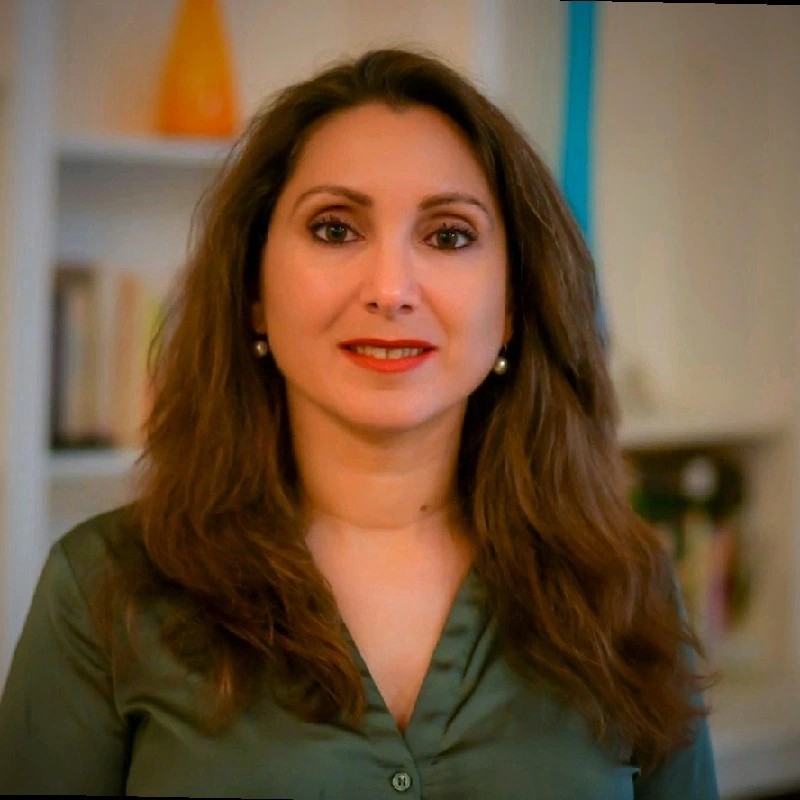
Hala Al-Dosari is a Saudi activist and a fellow at the Radcliffe Institute for Advanced Study at Harvard University. Follow her on Twitter @Hala_Aldosari.