

{
  "authors": [
    "نجوان سليمان"
  ],
  "type": "commentary",
  "blog": "صدى",
  "centerAffiliationAll": "dc",
  "centers": [
    "Carnegie Endowment for International Peace"
  ],
  "collections": [],
  "englishNewsletterAll": "menaTransitions",
  "nonEnglishNewsletterAll": "",
  "primaryCenter": "Carnegie Endowment for International Peace",
  "programAffiliation": "MEP",
  "programs": [
    "Middle East"
  ],
  "projects": [],
  "regions": [],
  "topics": []
}
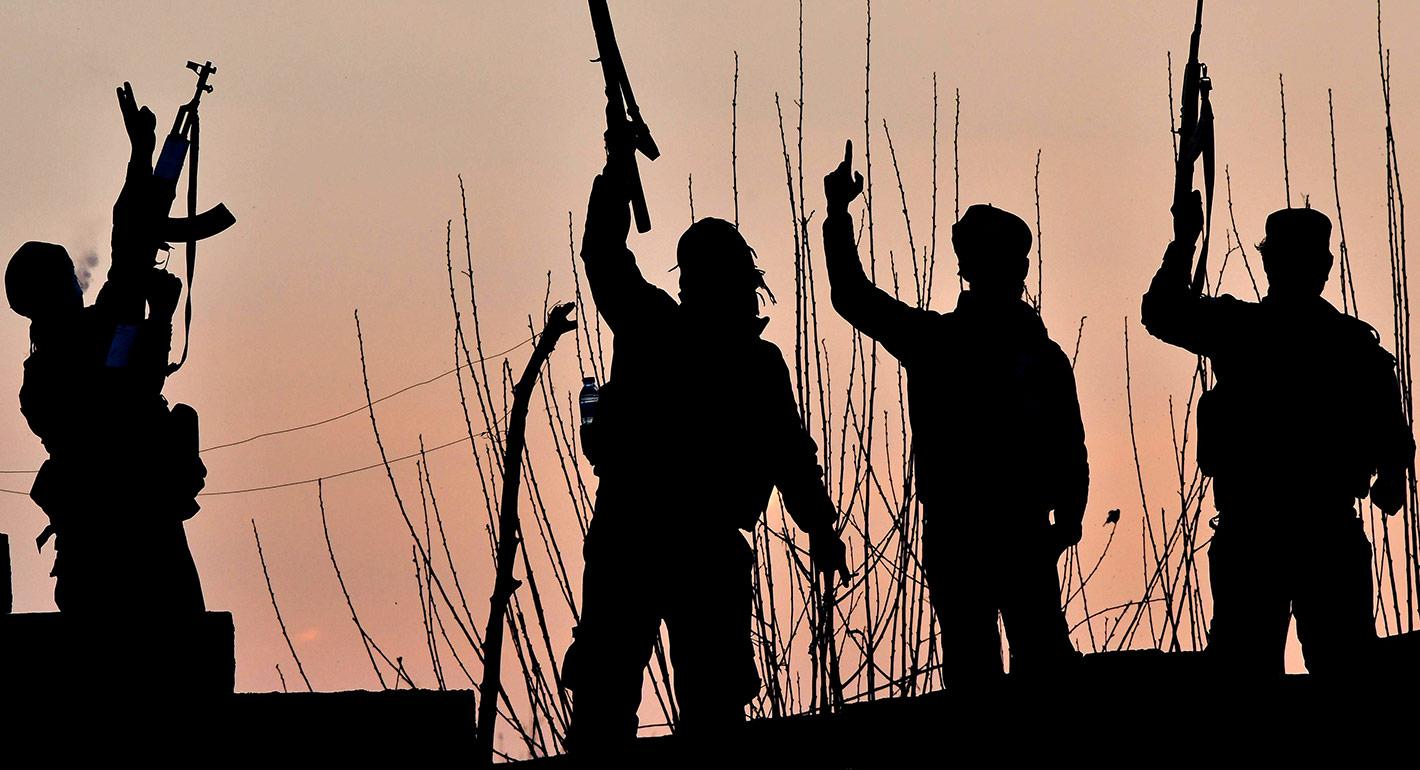
المصدر: Getty
الجهاديون الجدد ونموذج طالبان
تَحَوُل هيئة تحرير الشام إلى الجهاد المحلي، وقصر عملياتها داخل سوريا، ومحاربتها للحركات التابعة لتنظيم الدولة والقاعدة يشير إلى تغيرات مهمة تهدف إلى الاعتراف بها وحذفها من قائمة الإرهاب.
في 15سبتمبر/ أيلول الماضي قدم عبد الرحيم عطون -الشرعي العام لهيئة تحرير الشام، جبهة النصرة سابقاً، محاضرة بعنوان " الجهاد والمقاومة في العالم الإسلامي: طالبان نموذجاً" نظمتها حكومة الإنقاذ المدعومة من هيئة تحريرالشام بمدينة إدلب. ظهر الرجل الثاني، بعد أبي محمد الجولاني: رئيس الهيئة، في المحاضرة بمظهر مختلف تماماً، وركز في محاضرته على نقاط التشابه بين حركة طالبان والهيئة، والتغيرات التي حدثت في الحركة أهمها تبنيها للجهاد المحلي داخل سوريا ورغبتها في التواصل مع الدول.
الثوب الجديد: من الجهاد العالمي الى المحلي
بدأت جبهة النصرة في التشكل كفرع لتنظيم الدولة الإسلامية التابع للتنظيم القاعدة في العراق مع نهاية 2011. ولكن بحلول منتصف 2013 انفصلت جبهة النصرة عن تنظيم الدولة الإسلامية في العراق، وأعلنت بيعتها لأيمن الظواهري أمير تنظيم القاعدة. وفي 2016 أعلن الجولاني انفصال الجبهة عن القاعدة بشكل كلي، وغيّر اسم الجبهة لتصبح جبهة فتح الشام. وفي 2017 اندمجت الجبهة مع بعض الفصائل المسلحة وشكلت هيئة تحرير الشام. وصاحب هذه التحولات التنظيمية تحولات في منهجية الحركة ووسائل عملها. أهمها عدم تبنيها العمل خارج الأراضي السورية، وبالتالي تبني الجهاد المحلي والقطيعة مع منهج تنظيم القاعدة القائم على الجهاد العالمي. كما عملت الهيئة على القضاء، أو على الأقل إضعاف، الحركات المسلحة المنافسة لها، حيث سيطرت على إدلب بشكل كبير مع بداية 2019، وعلى معبر باب الهوى مع تركيا، والذي يعد المعبر الاستراتيجي الأهم لإدخال البضائع والمساعدات لإدلب.
البرجماتية والرسائل الموجهة
ومن أهم التحولات البرجماتية لهيئة فتح الشام هي تشكيل حكومة الإنقاذ لإدارة الشؤون المدنية في إدلب، وإنشاء ذراع سياسي للحركة، والدخول في اتصالات ومفاوضات مع تركيا وقبول -بل وحماية- نقاط المراقبة المقررة وفقاً لمحادثات الأستانة بين تركيا وروسيا وإيران حول سوريا. وأيضاً دخلت في صراع مفتوح مع ما تبقى من تنظيم الدولة الإسلامية في إدلب. وما يثير الاهتمام، هو قيامها بإضعاف حركة حراس الدين التابعة لتنظيم القاعدة واعتقال بعض قياداتها. وحاليا ً قامت الهيئة بمهاجمة الحركات التي يقودها مهاجرون غير سوريين مثل جند الشام وطلبت منهم مغادرة إدلب. من الواضح أن القيادة البرجماتية لهيئة تحرير الشام تبنت نموذجا مختلفا، وتسعى من خلال أعمالها وتصريحاتها الإعلامية إلى رسم صورة للحركة باعتبارها حركة سورية ثورية محلية، لا تتبع لتنظيمات جهادية خارجية، ولا تشكل خطراً على الدول الغربية، وخاصةً الولايات المتحدة الامريكية - كما صرح عطون. وفي هذا الصدد تربط قيادتها بين نموذج حركة طالبان كحركة مسلحة محلية -ونجاحها في الدخول في مفاوضات مباشرة مع الولايات المتحدة - وهيئة تحرير الشام باعتبار الأخيرة حركة شبيهة في سوريا، تعمل على انهاء التنظيمات الجهادية المتشددة، وسورنة المجال العسكري في إدلب.
في الواقع، التغيرات التي حدثت للهيئة ترجع الى العديد من العوامل: فبالإضافة الي تعلمها من تجارب الحركات الإسلامية المسلحة وأهمها حركة طالبان، وبرجماتية قيادتها، تعد استراتيجية العصا والجزرة التي اتبعتها تركيا عاملا مهما، حيث استطاعت تركيا دفع الهيئة لتغيير موقفها من العديد من القضايا الشائكة، أهمها قرارات الأستانة. على الجانب الآخر لم تتعاطَ الولايات المتحدة الامريكية مع الرسائل المباشرة التي أرسلها الجولاني، والتي أبدى فيها عدم تشكيل الهيئة خطرا على الولايات المتحدة.
تحول الهيئة إلى الجهاد المحلي، وقصر عملياتها داخل سوريا، وتشكيلها حكومة مدنية، وتعاطيها مع قرارات الأستانة، ومحاربتها للحركات التابعة لتنظيم الدولة والقاعدة والمهاجرين في سوريا يشير إلى تغيرات مهمة تهدف إلى الاعتراف بها وإزالتها من قائمة الإرهاب. وفي ضوء سيطرتها على محافظة إدلب، التي يسكنها أكثر من ثلاثة ملايين ونصف مدني، فإن أي عملية عسكرية شاملة من جهة النظام السوري وحلفائه على إدلب ستؤدي إلى كارثة إنسانية، قد تنتج موجة غير مسبوقة من اللاجئين لا يمكن لتركيا تحملها. لذا قد يكون من المناسب التفكير بشكل مختلف لمنع كارثة كهذه، واتباع استراتيجية العصا والجزرة من كافة الدول مع الهيئة، في سبيل دفعها نحو قبول مجموعة من الإجراءات التي من شأنها احترام حقوق الأقليات وعمل منظمات المجتمع المدني في إدلب، في مقابل التوسع في تقديم المساعدات الإنسانية للمدنيين في إدلب وفتح مفاوضات مباشرة مع الهيئة.
نجوان سليمان، باحثة أولى في مركز الأمير الوليد بن طلال للتفاهم الإسلامي المسيحي بجامعة جورج تاون في واشنطن. لمتابعتها على تويتر @NagwanElashwal.
عن المؤلف
نجوان سليمان
لا تتخذ كارنيغي مواقف مؤسسية بشأن قضايا السياسة العامة؛ الآراء المعبر عنها هنا هي آراء المؤلف(ين) ولا تعكس بالضرورة آراء كارنيغي أو موظفيها أو أمنائها.