

{
  "authors": [
    "Maged Mandour"
  ],
  "type": "commentary",
  "blog": "Sada",
  "centerAffiliationAll": "dc",
  "centers": [
    "Carnegie Endowment for International Peace"
  ],
  "collections": [],
  "englishNewsletterAll": "menaTransitions",
  "nonEnglishNewsletterAll": "",
  "primaryCenter": "Carnegie Endowment for International Peace",
  "programAffiliation": "MEP",
  "programs": [
    "Middle East"
  ],
  "projects": [],
  "regions": [],
  "topics": []
}
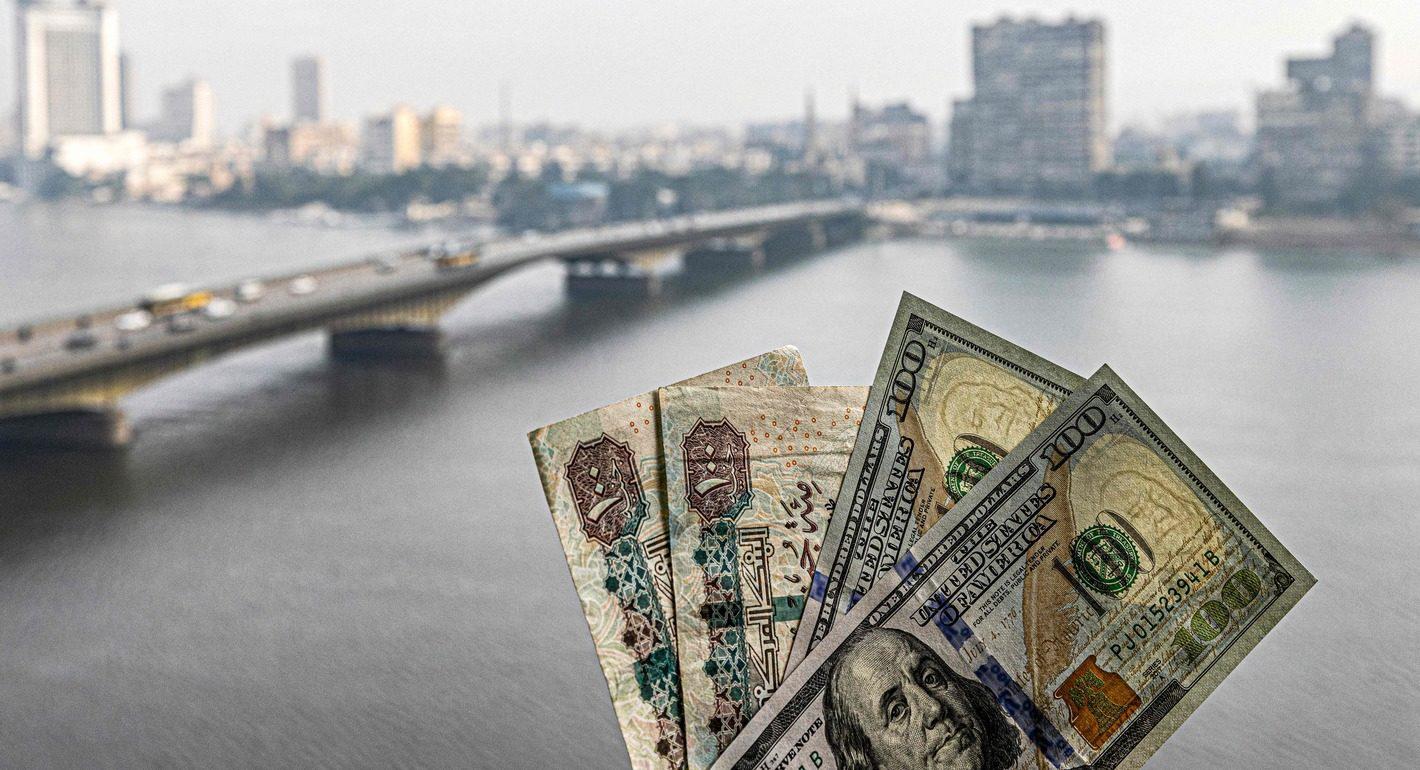
Source: Getty
Budget Breakdown: Addressing Egypt’s Debt Crisis
Consolidating public resources is an obvious step to help alleviate Egypt’s growing debt burden, but one that Sisi’s regime avoids at all costs.
On July 31, Egyptian Minister of Finance Mohamed Maati announced that the debt-to-GDP ratio was expected to reach 97 percent during the summer, a whopping 16.8 percent increase from June 2022. Egypt’s external financing needs for the current and coming fiscal year will be at least $41.5 billion—excluding $14 billion owed to its Gulf allies, which is expected to be rolled over. These are clear signs of Egypt`s deepening debt crisis, with a desperate need for sources of financing.
One would expect President Abdel Fattah El-Sisi’s regime to consolidate all available public resources. However, a cursory examination reveals three different sources of public funds that are not fully integrated into the state budget: the economic authorities, the special slush funds, and the military owned enterprises.
There are 59 state-owned economic authorities operating across 12 sectors, from construction to tourism, with independent budgets that, in total, equal the entire state budget. In theory, surplus funding from the authorities could be transferred to the state budget, but they have operated at a loss in recent years—169.7 billion EGP in the current fiscal year, increasing from 86.3 billion EGP in 2018—and rely on the state budget to fill in the gap. While transfers from the state budget to the authorities must be approved by the parliament, the latter only receives an aggregate figure of the authorities’ budgets, limiting their supervisory power to review planned expenditures. Moreover, economic authorities can take out state-backed loans, estimated to reach 251 billion EGP this fiscal year, which do not appear in the state budget.
Special slush funds are directly managed by government agencies and ministries, including the ministry of defense and the interior. Although the funds were originally intended to lighten the state budget’s burden and provide flexibility to the ministries, in reality, they are operated as independent fiefdoms. No oversight mechanism was ever introduced, and the number and value of these funds remain obscure; according to the best available estimates from 2014, they total $9.4 billion, which could go a long way to alleviate the debt crisis.
Finally, there are the tax-exempt military owned enterprises, whose finances also remain concealed. Based on a statement by Sisi in 2016, the military accounts for 1.5 to 2 percent of the Egyptian economy ($2.39 billion to $4.46 billion). The growing military footprint and its control over economic policy has been a hallmark of Sisi’s government and one of the roots of the current debt crisis. Indeed, one of the main conditions of last year’s $3 billion IMF loan is to reform the governance structure of these entities, end their tax exemptions, and level the playing field for the private sector.
This fragmented landscape allows the regime and its allies in the state bureaucracy to appropriate public funds and obscure graft, while weakening the parliament’s ability to monitor public expenditure. The economic authorities and the military, for example, play a key role in the Sisi's quest to build the New Administrative Capital. With an estimated budget of $58 billion, this megaproject is being developed by the Administrative Capital Urban Development Company—co-owned by the Ministry of Defense and the New Urban Community Authority, an economic authority controlled by the Ministry of Housing. This ownership structure has allowed government officials to proclaim that the project is independent of the state budget, even though it uses public funds. This structure has also enabled the Sisi's government to use subsidized state-bank loans and debt to finance the project, all with no parliamentary oversight and without appearing in the state budget.
Although aggregating state resources could help the government address the deepening crisis, doing so would increase the power of parliament and weaken the ability of the regime and its allies to appropriate public funds. A fragmented and opaque budgetary landscape may help ensure the stability of the ruling coalition and the regime’s survival, but it will come at the price of Egypt’s short and long-term financial health.
Maged Mandour is a political analyst who is a regular contributor to the Arab Digest, Middle East Eye, and Open Democracy and author of an upcoming book entitled “Egypt Under Sisi.
About the Author
Maged Mandour
Maged Mandour is a political analyst who is a regular contributor to the Arab Digest, Middle East Eye, and Open Democracy and author of an upcoming book entitled “Egypt Under Sisi.”
Carnegie does not take institutional positions on public policy issues; the views represented herein are those of the author(s) and do not necessarily reflect the views of Carnegie, its staff, or its trustees.