

Commentary
Rafiah Al Talei
{
  "authors": [
    "Rafiah Al Talei"
  ],
  "type": "commentary",
  "blog": "Sada",
  "centerAffiliationAll": "dc",
  "centers": [
    "Carnegie Endowment for International Peace"
  ],
  "collections": [
    "The Gaza War and Regional Reverberations"
  ],
  "englishNewsletterAll": "menaTransitions",
  "nonEnglishNewsletterAll": "",
  "primaryCenter": "Carnegie Endowment for International Peace",
  "programAffiliation": "MEP",
  "programs": [
    "Middle East"
  ],
  "projects": [],
  "regions": [],
  "topics": []
}
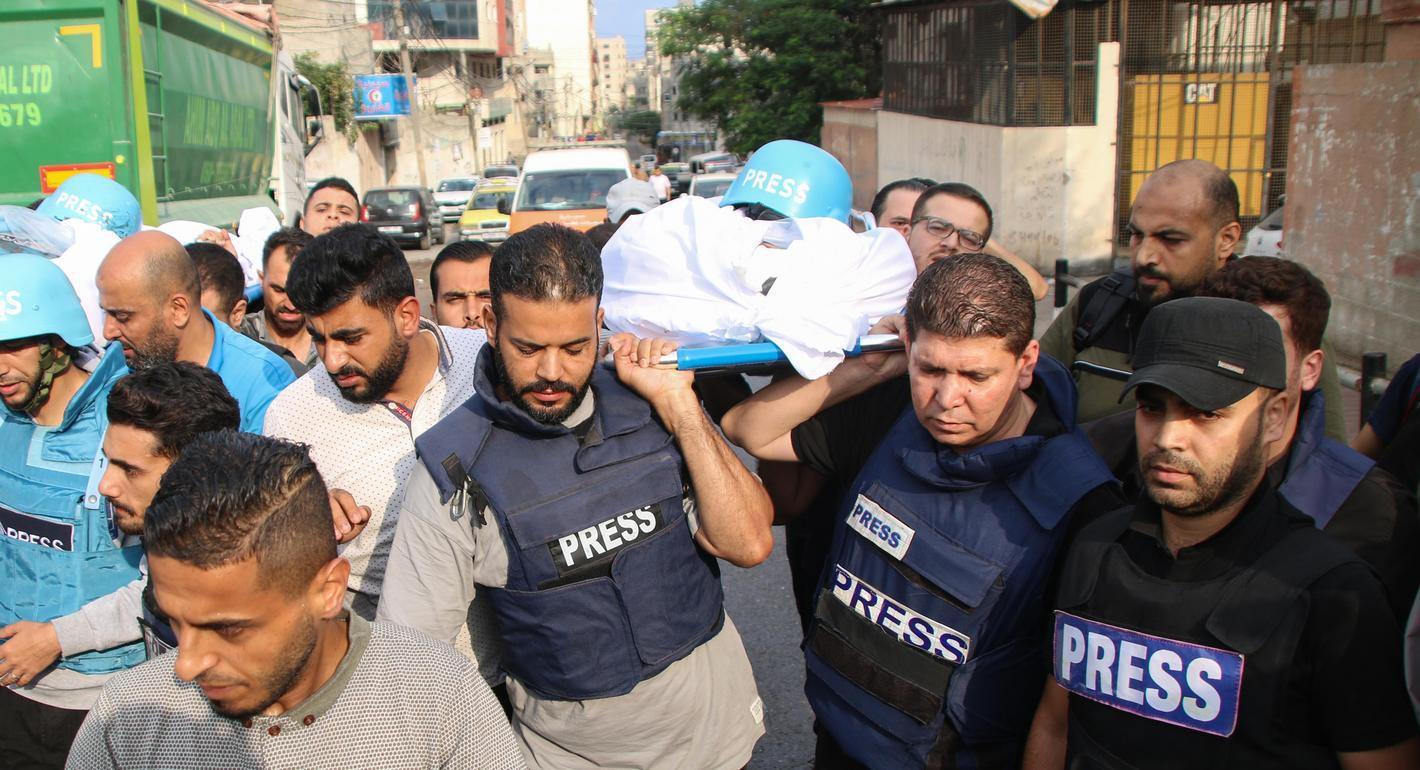
Source: Getty
Israel's impunity for targeting journalists undermines not only U.S. credibility in the Middle East, but press freedom and the safety of journalists throughout the region.
Israel’s assault on Gaza has quickly become the deadliest for journalists covering conflict zones since 1992. No other war in the twenty-first century has been so lethal for journalists, with thirty-four killed just within its first two weeks. As of November 21, that number has now risen to somewhere between fifty and sixty-two, with journalists Alaa al-Hasanat and Ayat al-Khadura being the most recent causalities. For comparison, since the start of the war in Ukraine, eleven journalists have been killed—seven during the first month. The number of journalists killed in Gaza in the first two weeks also exceeds the number killed in the first twenty days of the war in Iraq in 2003, as well the number killed in Afghanistan throughout 2001, in the immediate aftermath of the events of September 11.
On October 31, Reporters Without Borders filed a complaint with the International Criminal Court, arguing that the scale, seriousness, and repeated nature of Israel’s attacks on Palestinian journalists in Gaza fall within the scope of war crimes and require an investigation. This is the third complaint the organization has filed regarding war crimes against Palestinian journalists in Gaza during the last six years. The first was in May 2018 during the Great March of Return, while the second came in May 2021 after Israeli air strikes targeted more than twenty media outlets in the Gaza Strip. Reporters Without Borders also supported Al Jazeera's complaint regarding the killing of Palestinian journalist Shireen Abu Akleh in the West Bank on May 11, 2022.
However, the pressing question is whether these complaints and other cases filed against Israel will go beyond the offices of the ICC and result in any consequences. Israel has not yet been held accountable for the murder of Abu Akleh, nor did the complaint result in any punishment for the soldiers who killed her, despite evidence that she was killed by Israeli army bullets. More broadly, Israel has ignored UN resolutions that insist it end its occupation of Palestinian lands, and has continued to violate and deny the rights of Palestinians. But despite its military superiority and expansionist policies, Israel has not achieved the security and stability that it cites as a justification for all its actions. Rather, it has increasingly isolated itself from the international community.
Unwavering U.S. support has allowed Israel to enjoy complete impunity, and to continue to act as a rogue state that does not respect international law. This also undermines the credibility of the United States and its European allies in Europe, who affirm the importance of human rights, freedom of the press, and the democratic values only when they want to do so, and turn a blind eye to violations whenever they choose.
This has dangerous implications for the wider Middle East, which suffers from the lowest rates of freedom and human rights: unlimited U.S. support for Israel, without any red lines, will encourage other governments in the region to punish journalists for doing their work. The extent of human rights violations will increase based on the strength of their relations with the United States, allowing state actors to evade accountability and punishment—as occurred, for example, after the murder of Saudi journalist Jamal Khashoggi.
The war in Gaza has turned the United States into Israel’s partner-in-crime, and many Americans have protested against the United States’ complicity with Israel. The U.S. position not only may weaken human rights and freedom of expression in the region, but it also threatens the security and interests of the United States abroad and at home. Absolute support for Israel constitutes clear evidence that U.S policies in the region are linked to interests, and not to values or strategic security.
The current war on Gaza has revealed the extent to which governments and politicians in the West, as self-styled champions of democracy, have abandoned their moral conscience, ethical responsibilities, and humanitarian impulses. These governments should be reminded that journalists provide our facts in a time of misinformation and disinformation, and even during media blackouts. They are the ones who help expose Israel’s crimes Israel against Palestinians and restore their humanity, galvanizing people across the world to protest the war and call on their governments to pressure Israel for a ceasefire.
If the sacrifices of those journalists—those who were killed or injured, whose families were killed, or whose homes were destroyed—are not to be in vain, the United States and its Western allies must be pressured to stop granting immunity to Israel and ensure accountability for its actions, before we lose any more reporters.
Rafiah Al Talei is the editor-in-chief for Sada in Carnegie’s Middle East Program. She holds a doctorate in Gulf Studies, and her research focuses on public freedoms, human rights, and women’s political participation in the Arab Gulf region. Follow her on X @raltalei.
Former Editor-in-Chief, Sada, Middle East Program
Rafiah Al Talei was the editor-in-chief for Sada in Carnegie’s Middle East Program.
Recent Work
Rafiah Al Talei
Rafiah Al Talei, Sara Bazoobandi, Nima Khorrami
Carnegie does not take institutional positions on public policy issues; the views represented herein are those of the author(s) and do not necessarily reflect the views of Carnegie, its staff, or its trustees.
Six months into the conflict, Hamas continues to challenge the Israeli army—raising questions about Israel’s ability to eradicate the group.
Reham Owda
Iran’s adventurism may push Damascus to commit to Saudi-led efforts and reintegrate into the Arab fold.
Faysal Abbas Mohamad
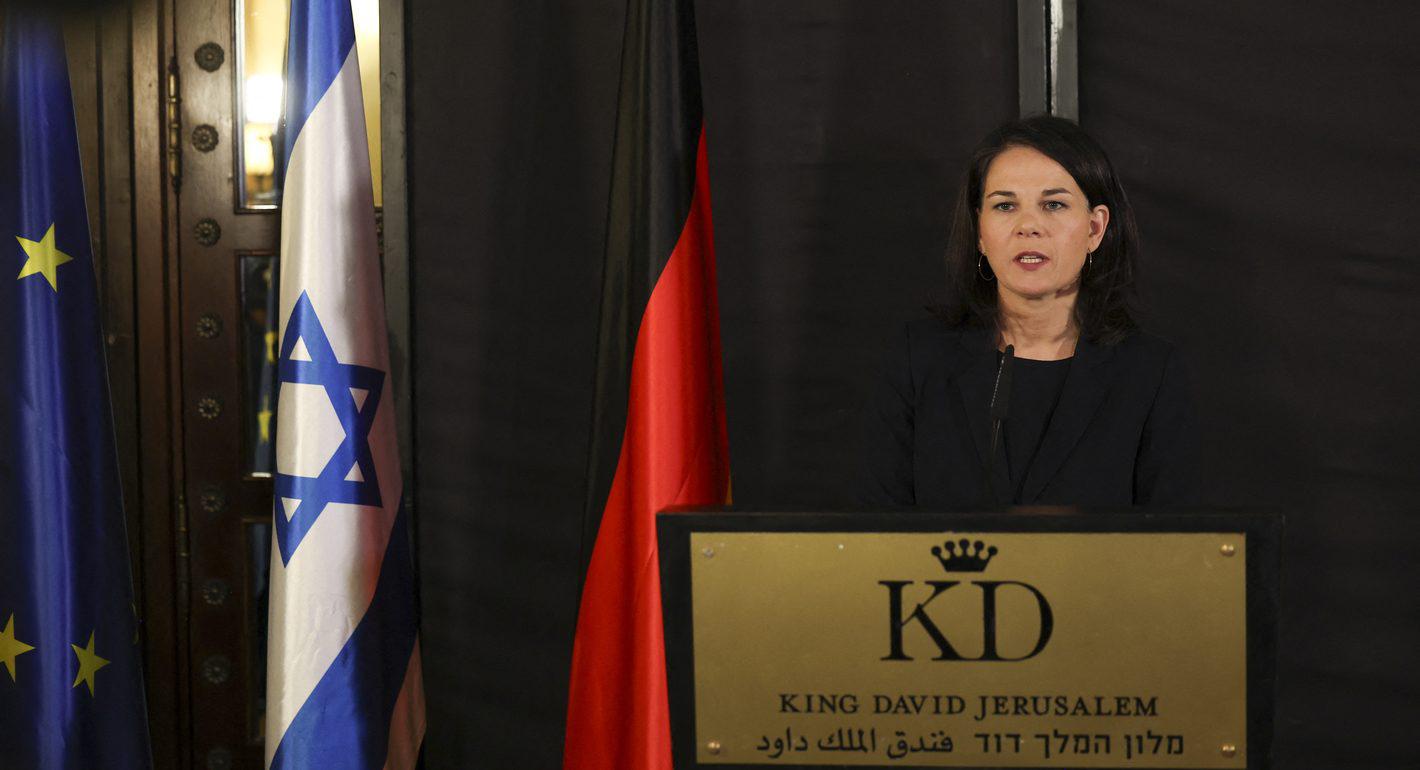
By unconditionally supporting Israel’s war, Germany is increasingly isolating itself on the global stage.
Lena Obermaier
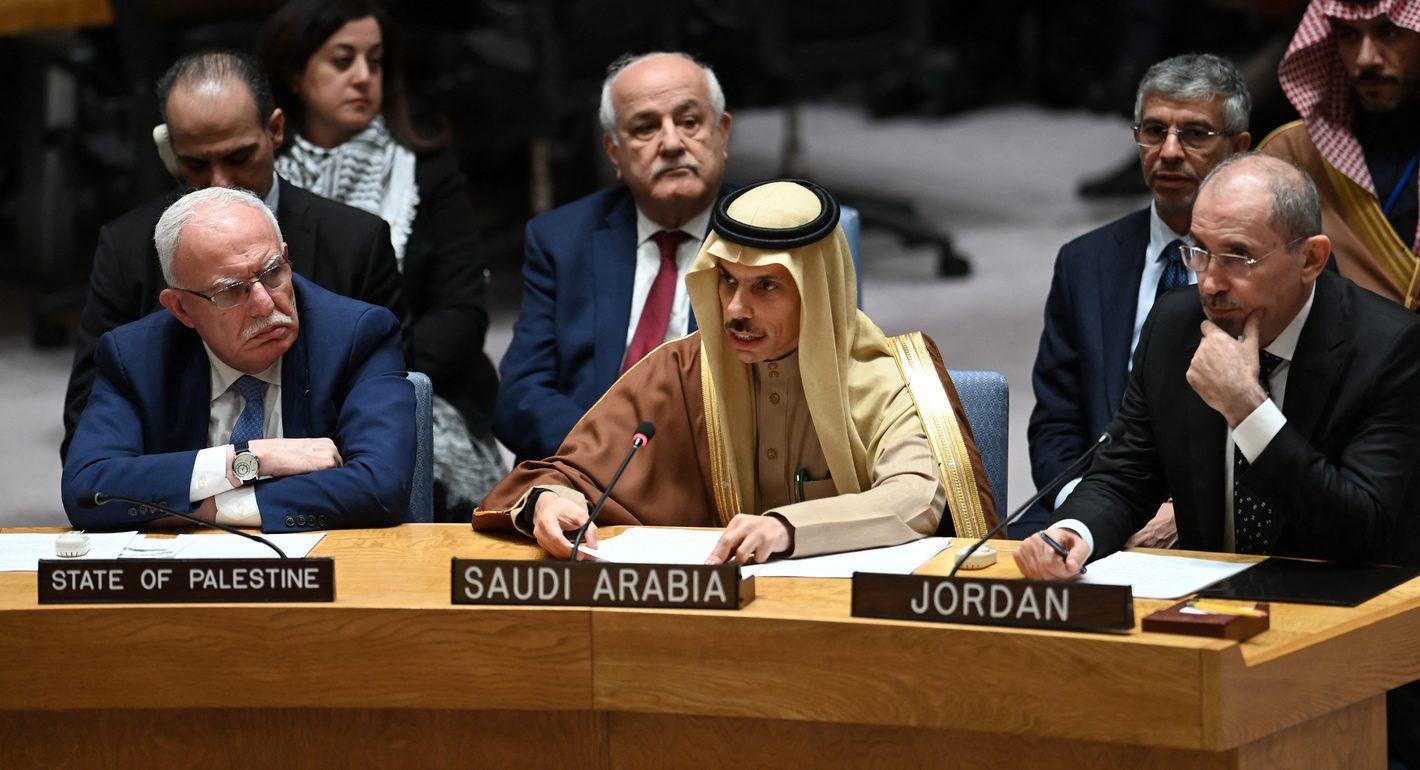
Saudi Arabia has long been perceived in the Arab world as a champion of the Palestinian cause, but developments over the past two decades suggest an imminent transformation.
Safa Nasser
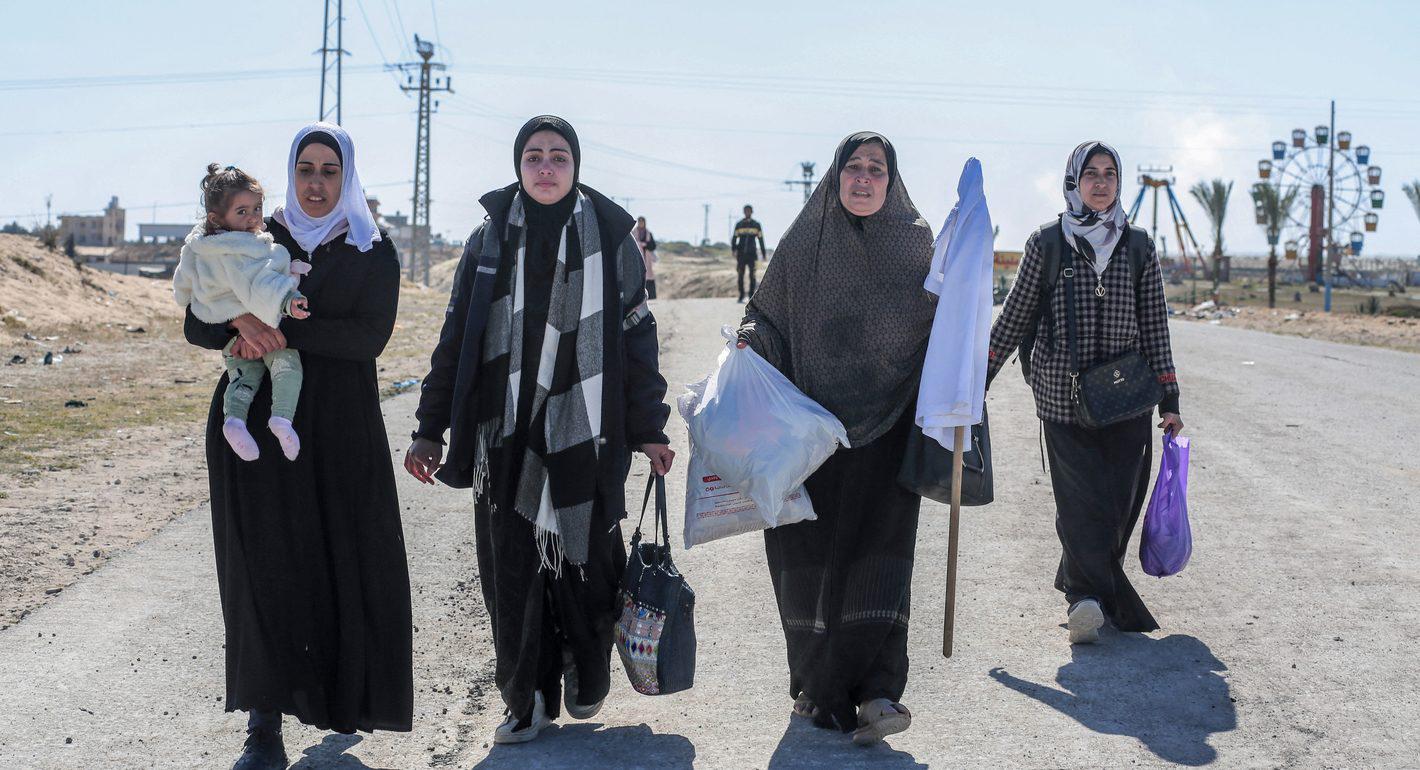
The story of Reham, a young mother sheltering in Rafah, illustrates the impact of Israel’s war on women and families.
Shahd Safi