

Commentary
Six months into the conflict, Hamas continues to challenge the Israeli army—raising questions about Israel’s ability to eradicate the group.
Reham Owda
{
  "authors": [
    "Ibrahim Ba Matraf",
    "Assem Alkhadhami"
  ],
  "type": "commentary",
  "blog": "Sada",
  "centerAffiliationAll": "dc",
  "centers": [
    "Carnegie Endowment for International Peace"
  ],
  "collections": [
    "The Gaza War and Regional Reverberations"
  ],
  "englishNewsletterAll": "menaTransitions",
  "nonEnglishNewsletterAll": "",
  "primaryCenter": "Carnegie Endowment for International Peace",
  "programAffiliation": "MEP",
  "programs": [
    "Middle East"
  ],
  "projects": [],
  "regions": [],
  "topics": []
}
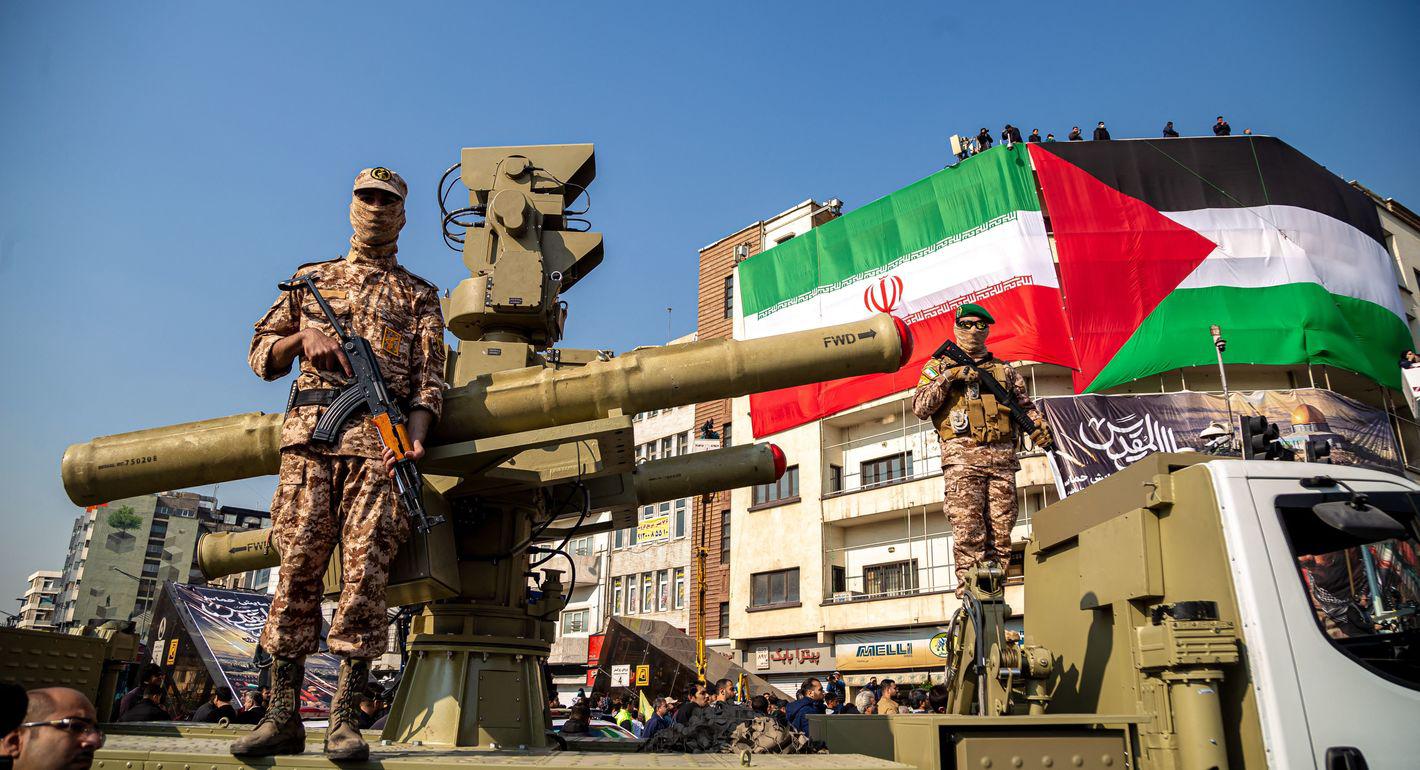
Source: Getty
Despite Iran’s persistent denial of any involvement in the Hamas attacks on October 7, many international observers remain skeptical.
A close examination of the map of the Middle East shows how Iran has projected its power across the region through militia groups and armed factions, united in their animosity toward Israel and the United States. These groups converge not only ideologically but also financially, with Iran as their primary backer. Official statements from Iran, Yemen, Syria, Iraq, Lebanon, and Gaza affirm the existence of a so-called Axis of Resistance, and Hamas' military wing commander, Muhammad al-Deif, has explicitly urged his fellow Iran-backed groups to join the conflict in Gaza.
Whether or not Iran had prior knowledge of the October 7 attacks, it is evident that Hamas anticipated support from its allies in the region. As affirmed by Abu Marzouq, a Hamas leader, the group was "expecting a lot from Hezbollah and from our brothers in the West Bank…[and was] surprised by the shameful attitude of our brothers in power." Others in Hamas believed that Iran and of the Axis of Resistance would intervene in the event of Israeli ground invasion of Gaza. In October, Ali Baraka, head of Hamas' National Relations Abroad, was confident that “the allies of the resistance will not leave Gaza up for grabs by the Zionist entity and the American administration."
The American narrative continues to strongly associate Iran with Hamas, insisting that without Iranian support, Hamas would not have been able to carry out these attacks. But today, more than three months into the war and despite the large number of causalities, Iran does not seem willing to intervene directly in the war. In November, Reuters reported that Khamenei told Hamas that Iran would not enter the war on their behalf. Although Hamas denied the veracity of this report, it still seems very plausible for several reasons:
These realities suggest that the Islamic Republic is more deliberate and moderate than what appears in the media—and what it projects through its own messaging. It is no exaggeration to say that Iranian propaganda is simply a means to convince Muslim nations of their ability to attack Israel and “liberate Jerusalem.” But unless directly attacked by Israel, all indications show that Iran’s entrance into a regional war is highly unlikely. Although this might result in a significant decline in its popularity, particularly among citizens of Axis of Resistance countries, it is still a safer alternative to entering a war that could jeopardize the stability of the ruling Iranian regime.
Ibrahim Ba Matraf is a Master's researcher at Ibn Khaldun University in Turkey and a researcher at the Turkish Institute of Strategic Thought SDE. He is interested in politics and human transformations in the postmodern era.
Assem Alkhadhami is a Master's researcher at the Department of Journalism at Ankara University in Turkey and a humanitarian and investigative journalist. He is interested in politics and active in peacebuilding.
Ibrahim Ba Matraf
Assem Alkhadhami
Carnegie does not take institutional positions on public policy issues; the views represented herein are those of the author(s) and do not necessarily reflect the views of Carnegie, its staff, or its trustees.
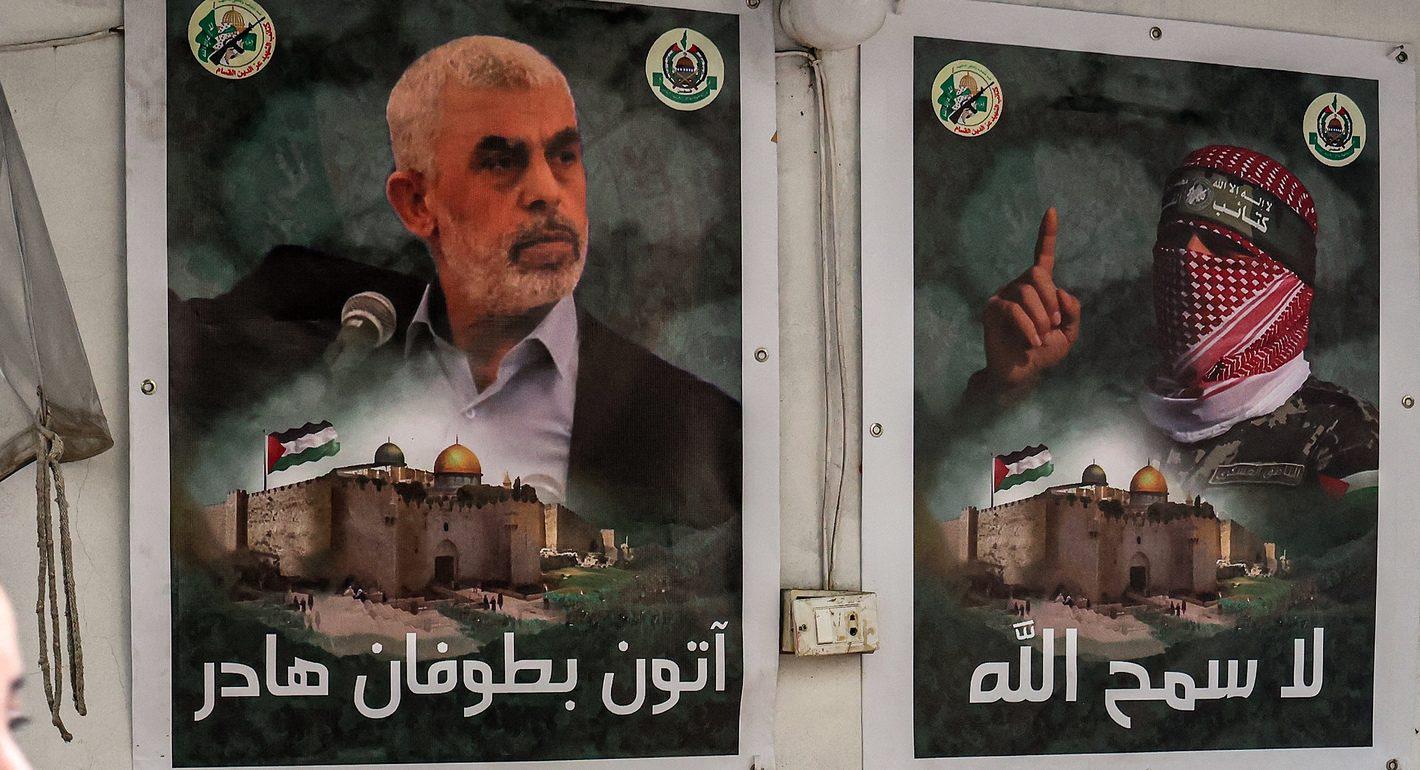
Six months into the conflict, Hamas continues to challenge the Israeli army—raising questions about Israel’s ability to eradicate the group.
Reham Owda
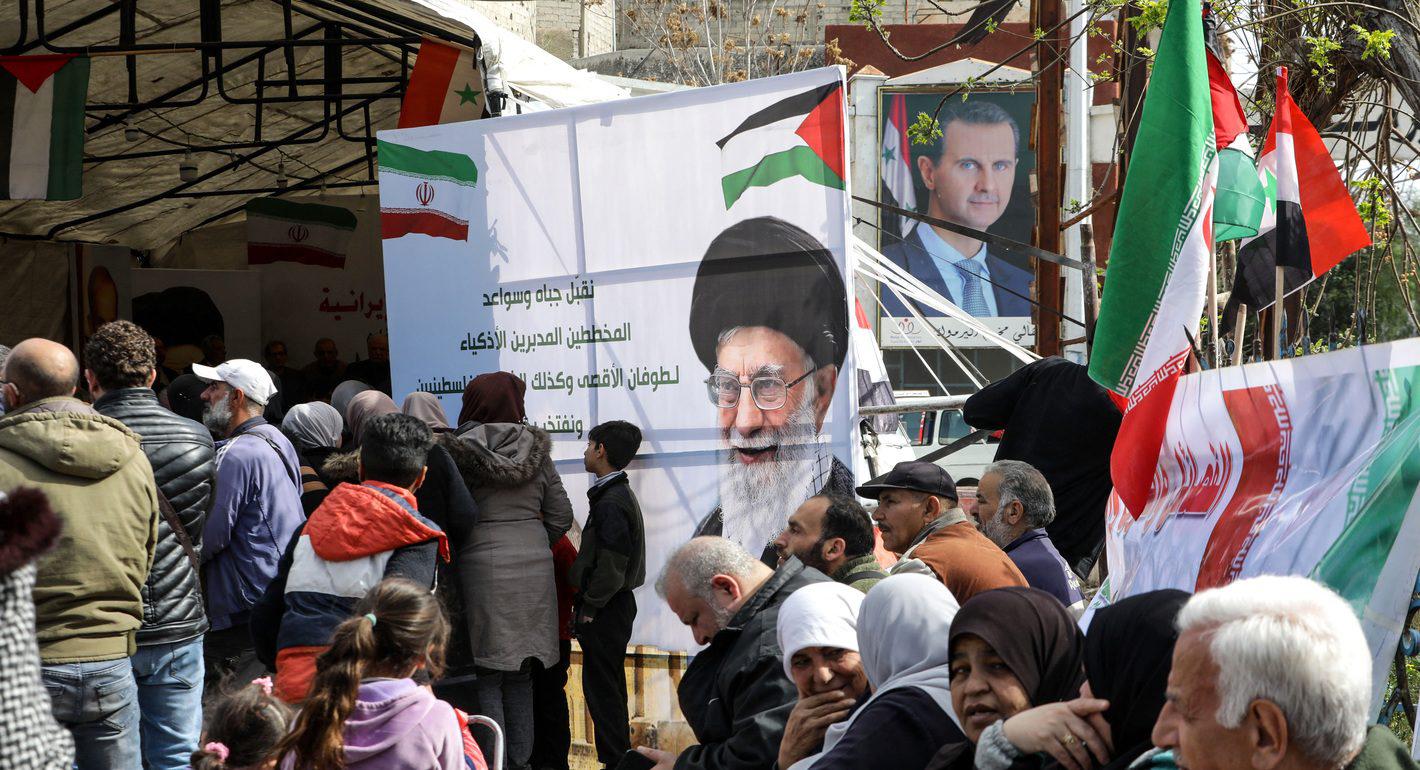
Iran’s adventurism may push Damascus to commit to Saudi-led efforts and reintegrate into the Arab fold.
Faysal Abbas Mohamad
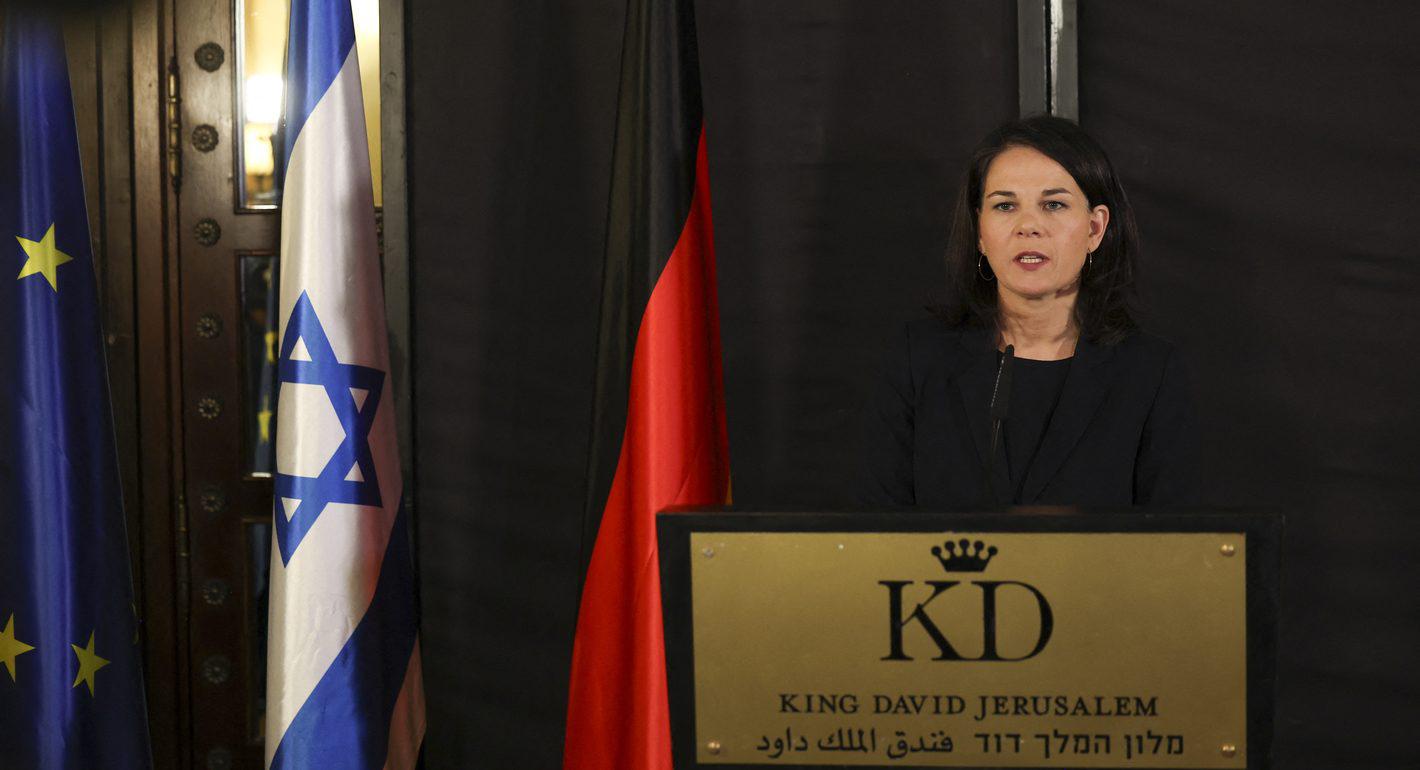
By unconditionally supporting Israel’s war, Germany is increasingly isolating itself on the global stage.
Lena Obermaier
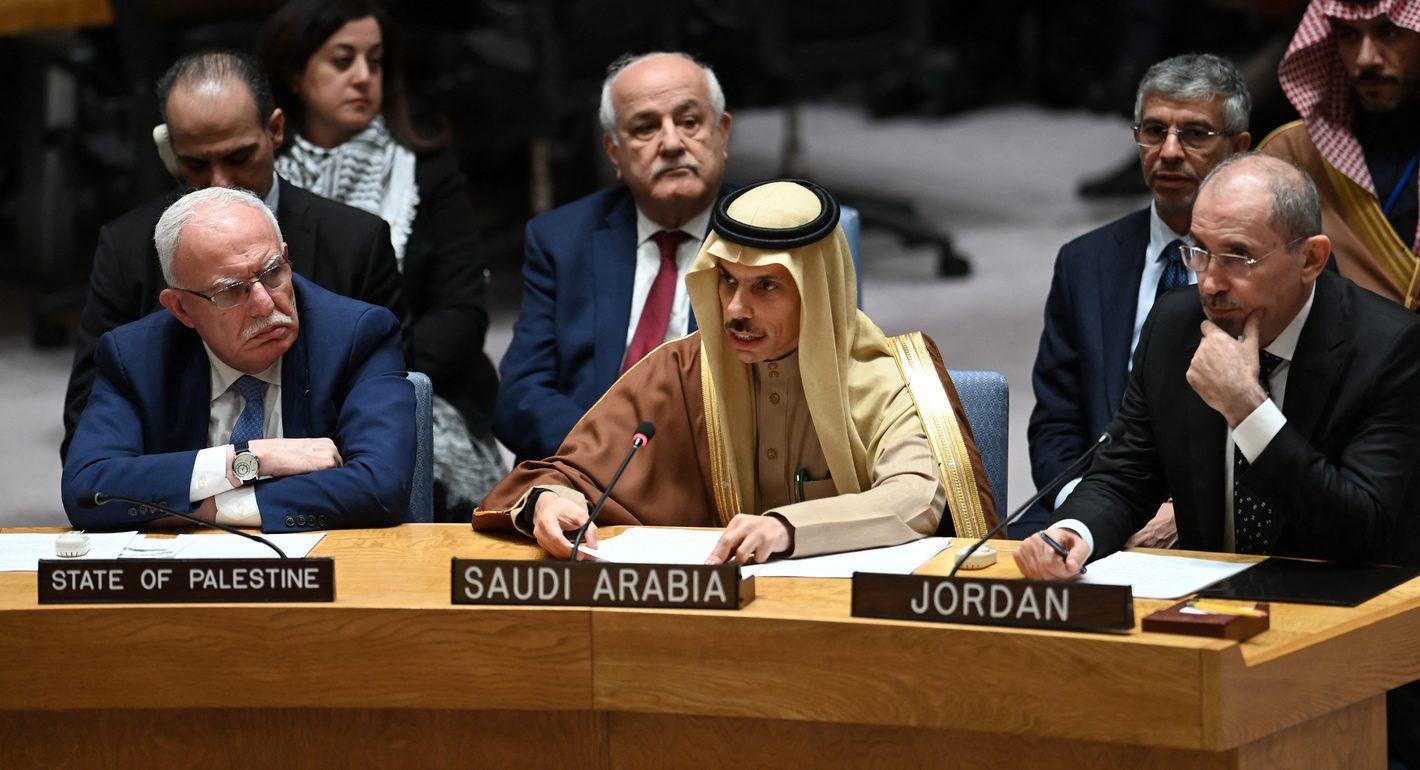
Saudi Arabia has long been perceived in the Arab world as a champion of the Palestinian cause, but developments over the past two decades suggest an imminent transformation.
Safa Nasser
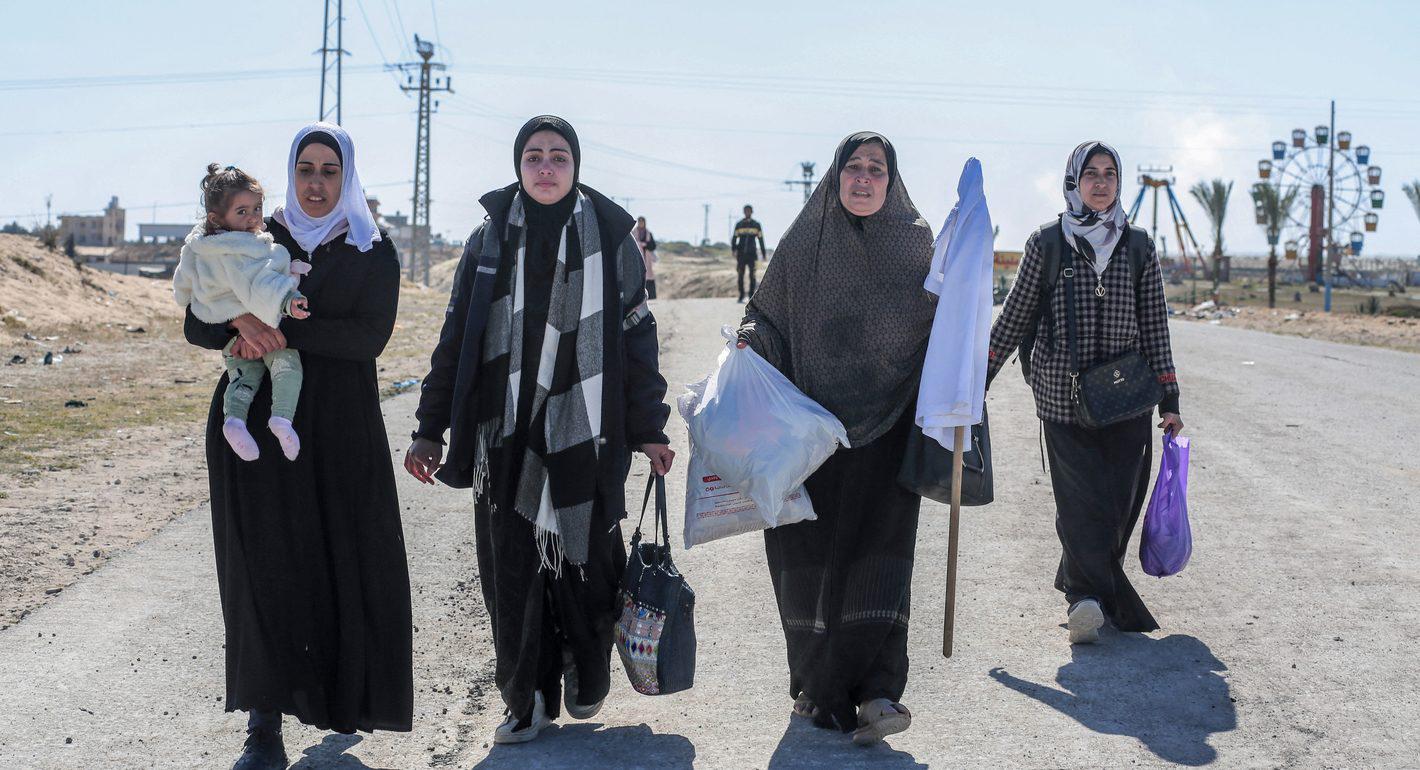
The story of Reham, a young mother sheltering in Rafah, illustrates the impact of Israel’s war on women and families.
Shahd Safi