

Commentary
Syria's transition promised a fresh start. But are old habits of power making a comeback? This analysis looks at the warning signs and what it will take to build a more accountable state.
Sima Beitinjaneh
{
  "authors": [
    "Mohammad Yaghi"
  ],
  "type": "commentary",
  "blog": "Sada",
  "centerAffiliationAll": "",
  "centers": [
    "Carnegie Endowment for International Peace"
  ],
  "collections": [],
  "englishNewsletterAll": "",
  "nonEnglishNewsletterAll": "",
  "primaryCenter": "Carnegie Endowment for International Peace",
  "programAffiliation": "",
  "programs": [],
  "projects": [],
  "regions": [
    "Palestine"
  ],
  "topics": [
    "Political Reform"
  ]
}

Source: Getty
Efforts to reconcile Fatah and Hamas are doomed; here is another way to promote Palestinian statehood and peace, even in the absence of a unified leadership.
As the new U.S. president considers whether to try to revive the Palestinian-Israeli peace process, he must understand the new realities shaping the conflict. It is well-known that Palestinians are divided into two major camps, Fatah and Hamas, who contest which truly represents the Palestinian people and diverge over strategy and tactics. The Palestine Liberation Organization (PLO), dominated by Fatah, rules the West Bank, believes in negotiations, and sees the establishment of a Palestinian state on the lands occupied in 1967 as an end to the conflict. But it also can barely preserve itself in power despite enormous financial support from the international community. Hamas, on the other hand, controls Gaza and enjoys support among many Palestinians in the diaspora. It relies on armed resistance and terrorism and says it would be willing to reach a long-term truce with Israel but that ultimately Palestinians must rule all of historic Palestine.
Mohammad Yaghi
Carnegie does not take institutional positions on public policy issues; the views represented herein are those of the author(s) and do not necessarily reflect the views of Carnegie, its staff, or its trustees.
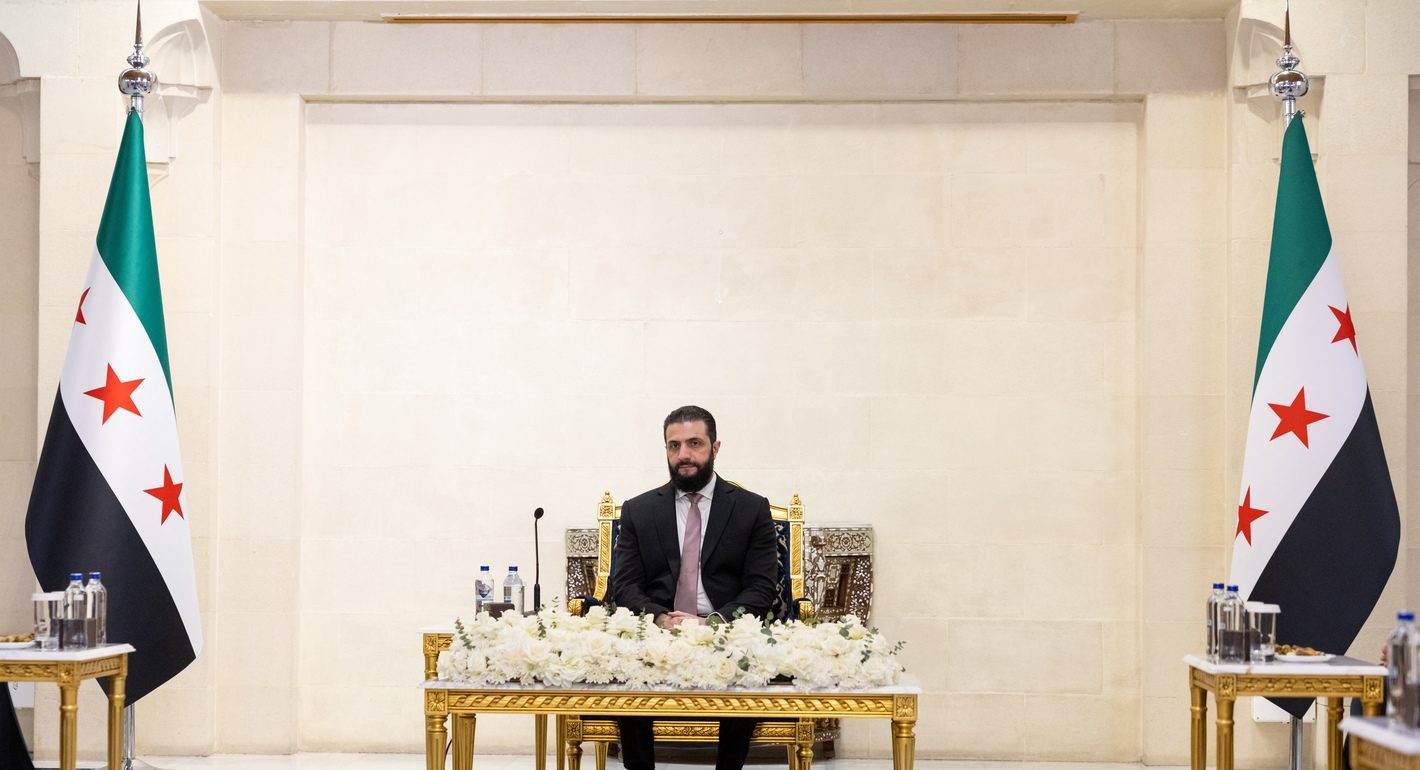
Syria's transition promised a fresh start. But are old habits of power making a comeback? This analysis looks at the warning signs and what it will take to build a more accountable state.
Sima Beitinjaneh
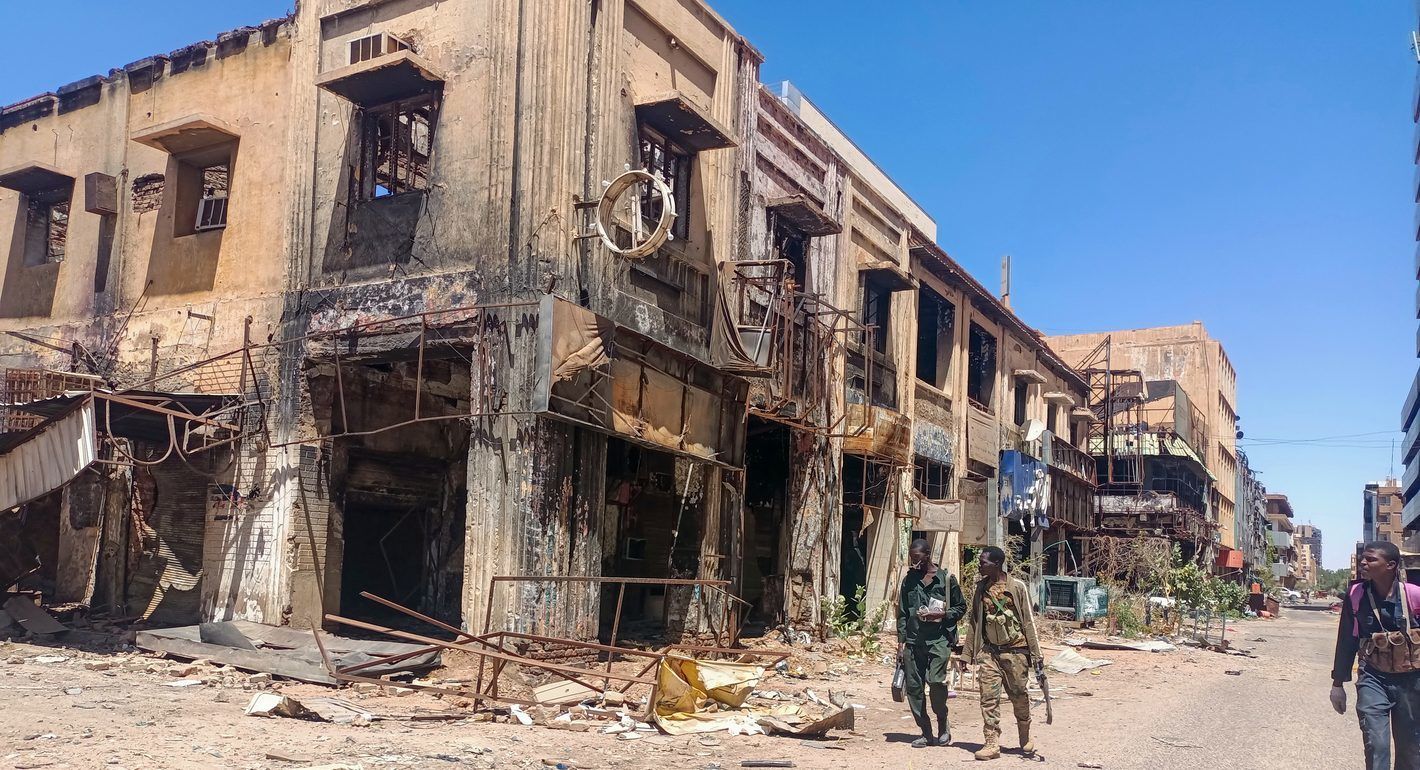
Hate speech has spread across Sudan and become a key factor in worsening the war between the army and the Rapid Support Forces. The article provides expert analysis and historical background to show how hateful rhetoric has fueled violence, justified atrocities, and weakened national unity, while also suggesting ways to counter it through justice, education, and promoting a culture of peace.
Samar Sulaiman
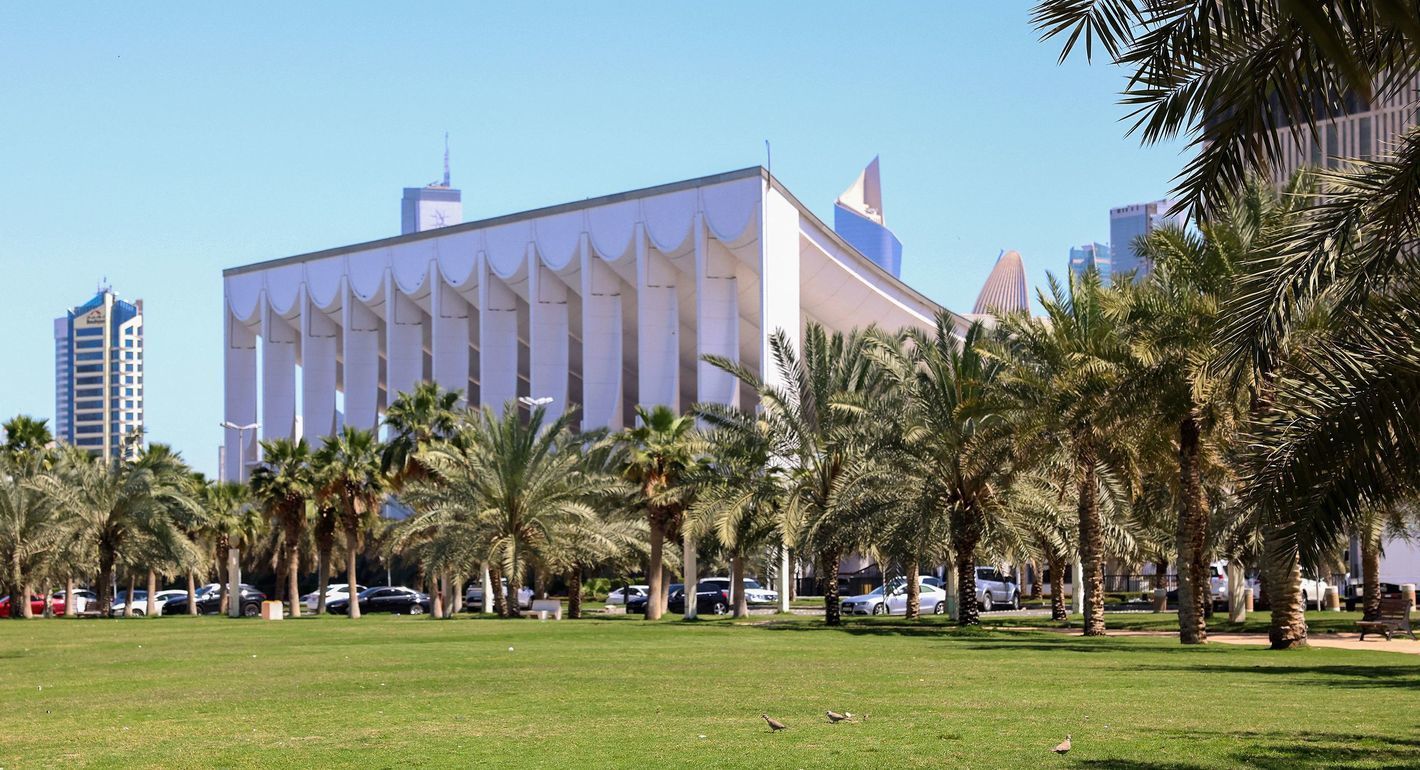
Kuwait’s government has repeatedly launched ambitious reforms under Kuwait Vision 2035, yet bureaucratic inefficiency, siloed institutions, and weak feedback mechanisms continue to stall progress. Adopting government analytics—real-time monitoring and evidence-based decision-making—can transform reform from repetitive announcements into measurable outcomes.
Dalal A. Marafie
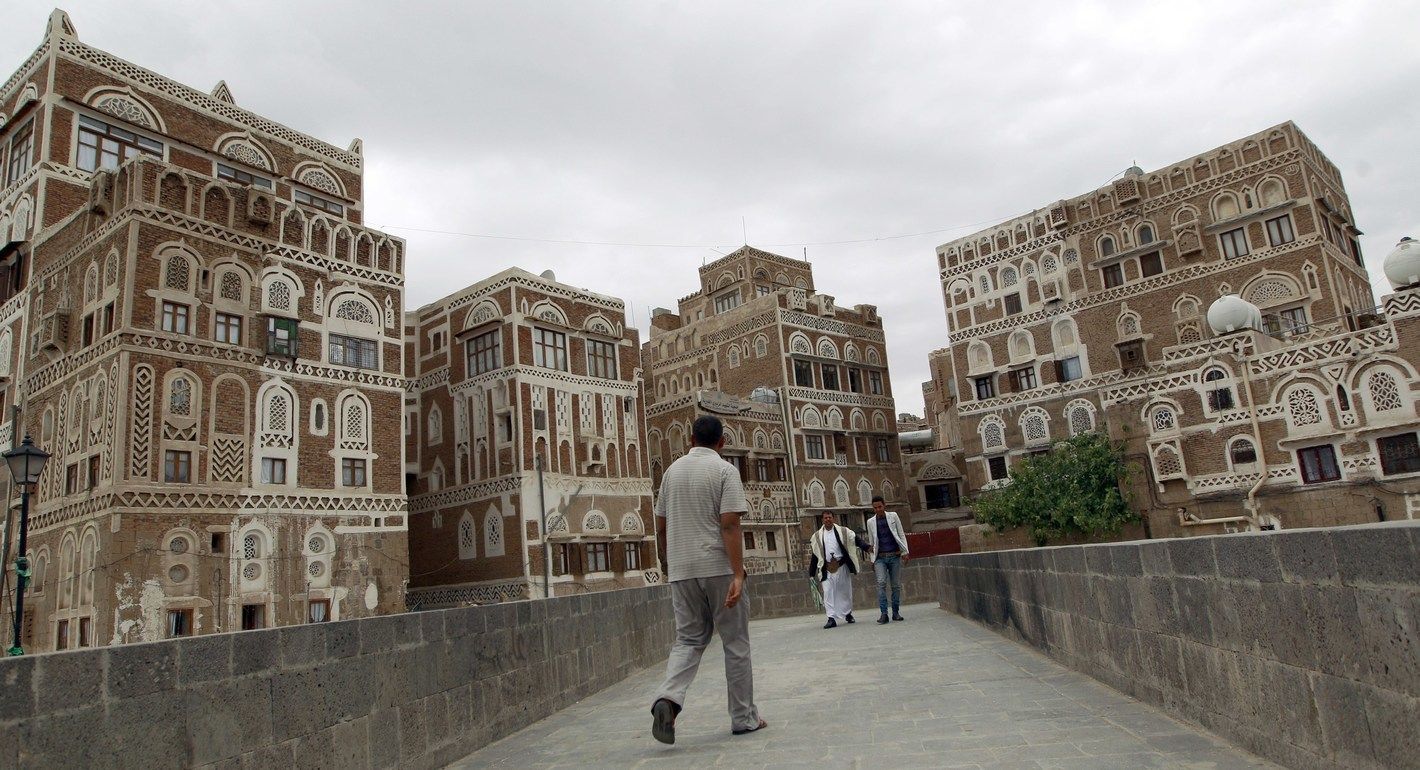
The chaos of street naming in Sana’a reflects the deep weakness of the Yemeni state and its failure to establish a unified urban identity, leaving residents to rely on informal, oral naming systems rooted in collective memory. This urban disorder is not merely a logistical problem but a symbolic struggle between state authority and local community identity.
Sarah Al-Kbat
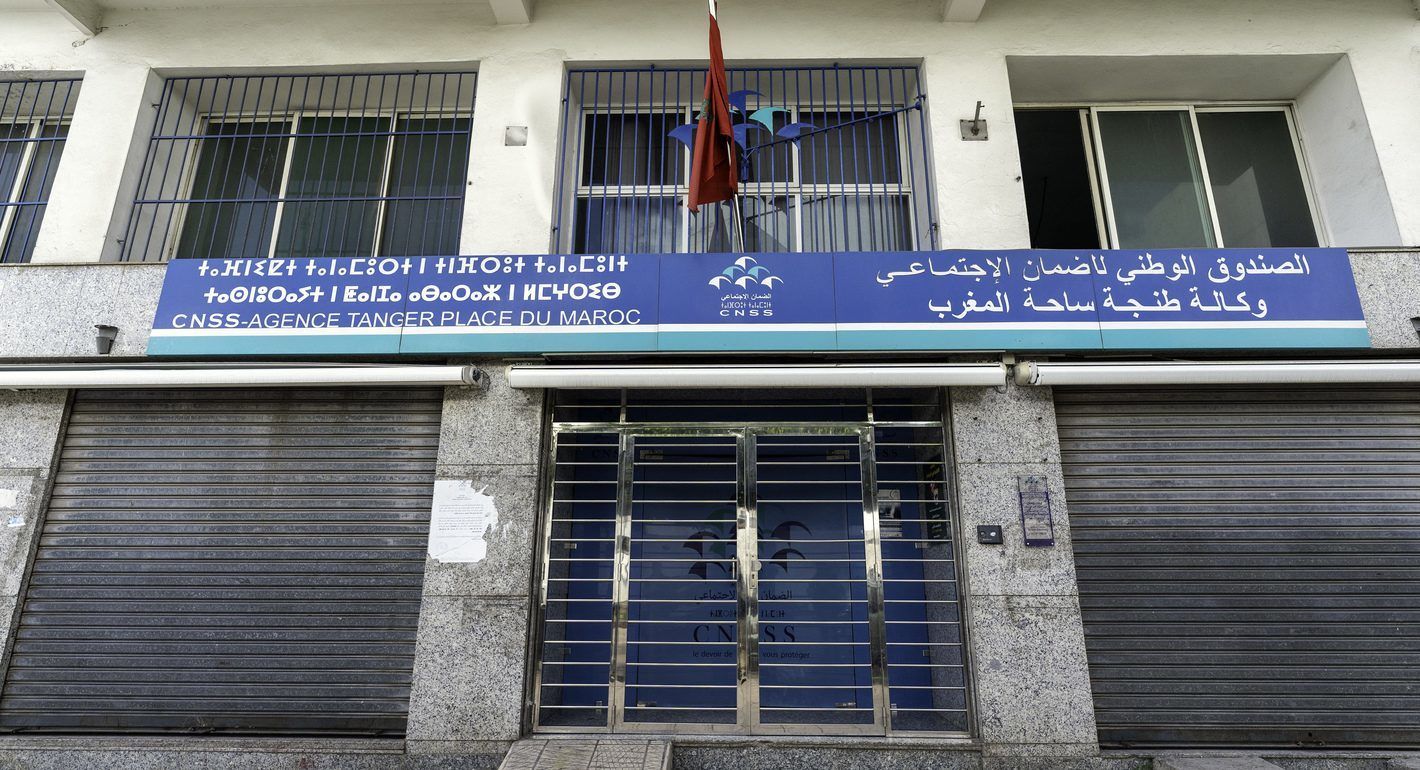
While Morocco’s shift to a digitized social targeting system improves efficiency and coordination in social programs, it also poses risks of exclusion and reinforces austerity policies. The new system uses algorithms based on socioeconomic data to determine eligibility for benefits like cash transfers and health insurance. However, due to technical flaws, digital inequality, and rigid criteria, many vulnerable families are unfairly excluded.
Abderrafie Zaanoun