

Commentary
From anime heroes to online gaming communities, Morocco’s Gen Z is building a new protest culture. What does this digital imagination reveal about youth politics, and how should institutions respond?
Abdelilah Farah
{
  "authors": [
    "Nima Khorrami Assl"
  ],
  "type": "commentary",
  "blog": "Sada",
  "centerAffiliationAll": "",
  "centers": [
    "Carnegie Endowment for International Peace"
  ],
  "collections": [],
  "englishNewsletterAll": "",
  "nonEnglishNewsletterAll": "",
  "primaryCenter": "Carnegie Endowment for International Peace",
  "programAffiliation": "",
  "programs": [],
  "projects": [],
  "regions": [
    "Middle East",
    "Bahrain",
    "Saudi Arabia",
    "Gulf"
  ],
  "topics": [
    "Political Reform"
  ]
}
Source: Getty
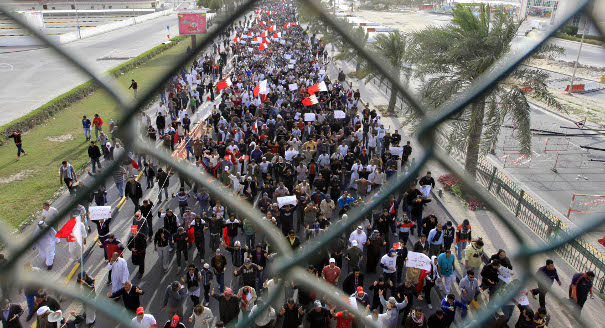
Whispers of a Bahraini-Saudi union have long abounded. Yet only recently has the matter been discussed realistically—most visibly during May 14’s GCC meeting. Is such a union possible?
Once the waves of the Arab Spring hit Bahraini shores, radical change in the domestic and foreign policies of Saudi Arabia was inevitable. Riyadh hastily embarked upon a massive public spending program, introducing cosmetic reforms in an effort to repel criticisms. Suddenly putting aside its various disputes with other members of the Gulf Cooperation Council (GCC)—notably Qatar—the Kingdom began to execute a collective (albeit paradoxical) policy in response to the region’s unrest. And as the uprising in Bahrain continues to paralyze the tiny Gulf kingdom, reports abound that Saudi Arabia has decided to take matters into its own hands and play a more direct role in the domestic affairs of Bahrain via "union" with Manama—a merger that might set the foundation of a "GCC Arabian Union."
The details are still very murky, and no specifics were released at the GCC meeting in Riyadh on May 14. We will probably have to wait until the annual CGG summit in December, although some reports suggest it may be earlier. Nevertheless, and in spite of Foreign Minister Prince Saud al-Faisal’s claim that "the aim is to bring all the members and not only two or three," the buzz in the Gulf capitals is that Riyadh is pushing ahead with the Bahrain union. Sovereignty, in the words of Bahrain's Minister of State for Information Samira Rajab, will remain "with each of the countries but they would unite in decisions regarding foreign relations, security, military, and the economy.”
Saudi Arabia hopes to achieve a number of goals. First, though Saudi Arabia already greatly influences policy in Bahrain, Saudi elites could rest assured that they would have de jure say over any reform proposal within the new borders. The Kingdom’s officials have worried extensively over prospects of a deal or compromise between the Shi‘a opposition and moderates in the Bahraini government; Riyadh has concerns that any accommodation of the opposition’s demands could embolden its own restive minority population. Even worse, such emboldening might even catalyze the formation of a secular-nationalist movement, which could then pressure the government to make meaningful moves towards the establishment of a constitutional monarchy.
Additionally, union would change the sectarian balance; Shi‘a would constitute roughly ten percent of the combined countries’ total population—a fact that the Saudi regime hopes would change Bahrain’s political equation, but also help it deal with opposition from its own Shi‘a population, which continues to stage sporadic dissident.
And while it seems likely the two states would retain their seats at the UN, the proposed federal structure will give Riyadh legal cover for its monopolization of Bahrain's security framework and allow it to station permanent troops in the country—thus opening up a new front in its fight against the perceived "Iranian threat."
But there is a wider regional context to this new Saudi venture. The recent rise of Muslim Brotherhood in Egypt has exposed the obsolescence of the Saudi model by discrediting the Kingdom’s claim that parliamentarian elections and Islam are incompatible. Moreover, Washington's apathy towards its Egyptian ally has caused immense unease among the Saudi royals who feel that they can no longer rely on the U.S. for their security and survival; this fear will likely turn into strategic paranoia should Tehran and Washington come to an agreement over the former's nuclear program.
In this context, the Saudis seek to increase integration amongst the GCC member states to ensure parallel political developments within the bloc, preserving the monarchical system, reducing dependency on the U.S., and countering the perceived threats of the rising Muslim Brotherhood or a Shi‘a-Iran alliance. Saudi Arabia considers its bilateral union with Manama as an essential prelude to the wider GCC Arabian Union, and hopes that its merger with Bahrain would showcase the economic and security benefits of a wider union.
On one level, the proposition shouldn't come as a surprise—governance in the GCC is, after all, a family affair. Marriage has long been used as a political tool of unification and all the ruling dynasties (with the exception of Oman) are intermarried into one another; royal families not only have a political interest in preserving the status quo, but also have a familial duty in doing so. Furthermore, Saudi Arabia controls 70 percent of Bahrain’s budget by allowing it access to an oilfield it owns.
Even so, there is no consensus within Bahrain on the union. For this strategy to materialize, Riyadh needs to empower its own allies in the Bahraini government, like Prime Minster Khalifa ibn Salman Al Khalifa and Royal Court minister Khalid bin Ahmed Al Khalifa, vis-à-vis the more conciliatory Crown Prince Salman bin Hamad bin Isa Al Khalifa who favors national dialogue with the opposition. Bahrain's prime minister, like his Saudi patrons, sees the events through a narrow sectarian lens that puts the blame on Iran and Hezbollah. He has appeared as a keen advocate of the union within the Bahraini government, referring to it as "the great dream of the peoples of the region." But other government officials are less optimistic. For example, the vice chairman of the Shura Council, Jamal Fakhro, expressed doubts about its feasibility. Opposition voices have been much more critical: al-Wefaq has strongly rejected it as an affront to Bahrain’s sovereignty and has demanded a national referendum on the plans.
Furthermore, it is unlikely that other GCC royals will simply tag along. Various territorial and ideological disputes between GCC states have occasionally complicated bilateral relations. Given the Kingdom's larger population and geographic spread—as well as its unique role in the Muslim world—there is a shared suspicion among the smaller members regarding the Saudi endgame. Smaller states are also adverse to the ideational consequences of the union: it prioritizes a khaliji identity to national identity, and Riyadh's offers of military cooperation when they have the luxury of U.S. military protection against any threat to their territorial integrity.
Already, Kuwait’s new speaker of parliament, Ahmed al-Saadoun, has voiced his opposition to such an undertaking, citing the deep differences in political systems: “It is, for example, very difficult for a country like Kuwait that grants freedom of speech and where people are represented in parliament to form a union with countries whose prisons are full of thousands who are guilty of speaking their minds.” Other GCC states have either demanded more time to study the proposal or called for a gradual approach.
Nima Khorrami Assl is a research associate at the UK Defence Forum.
Nima Khorrami Assl
Carnegie does not take institutional positions on public policy issues; the views represented herein are those of the author(s) and do not necessarily reflect the views of Carnegie, its staff, or its trustees.
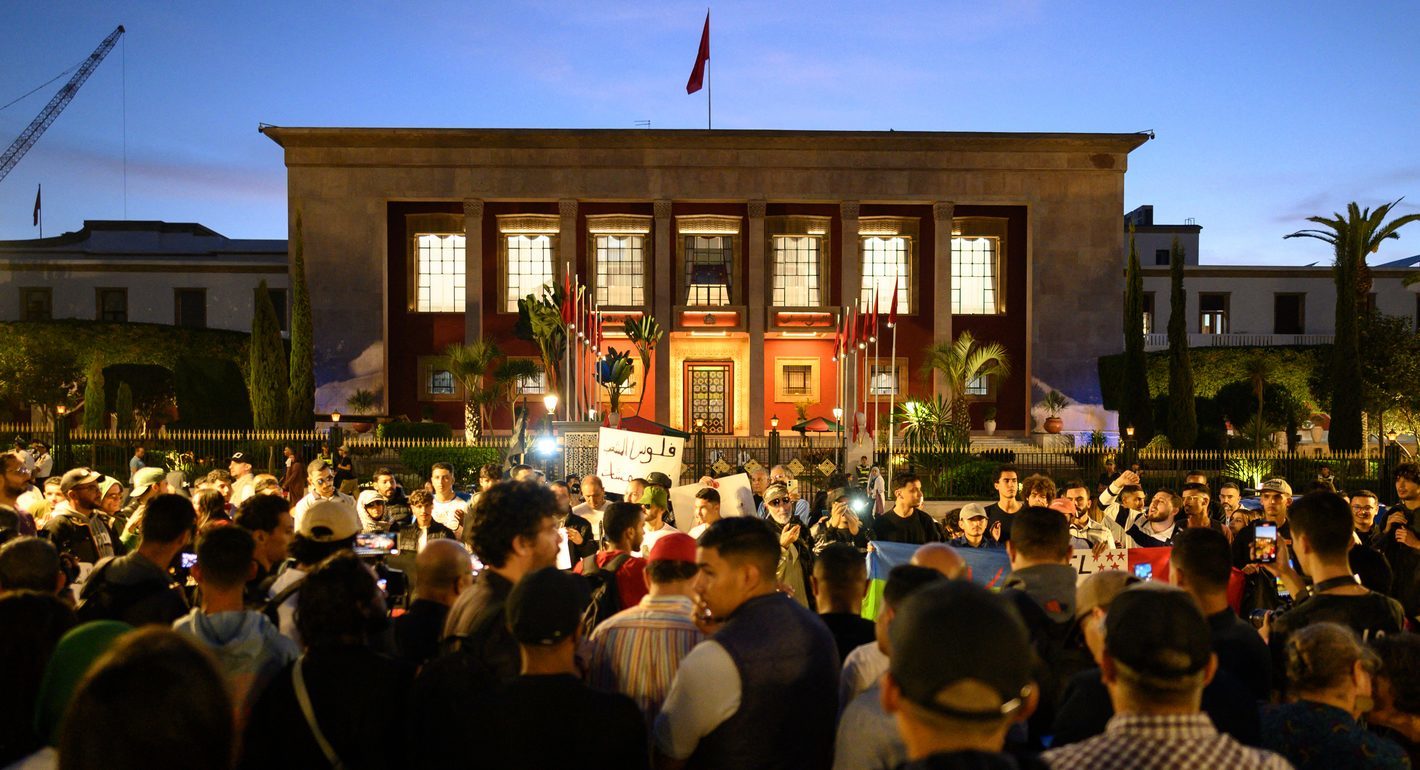
From anime heroes to online gaming communities, Morocco’s Gen Z is building a new protest culture. What does this digital imagination reveal about youth politics, and how should institutions respond?
Abdelilah Farah
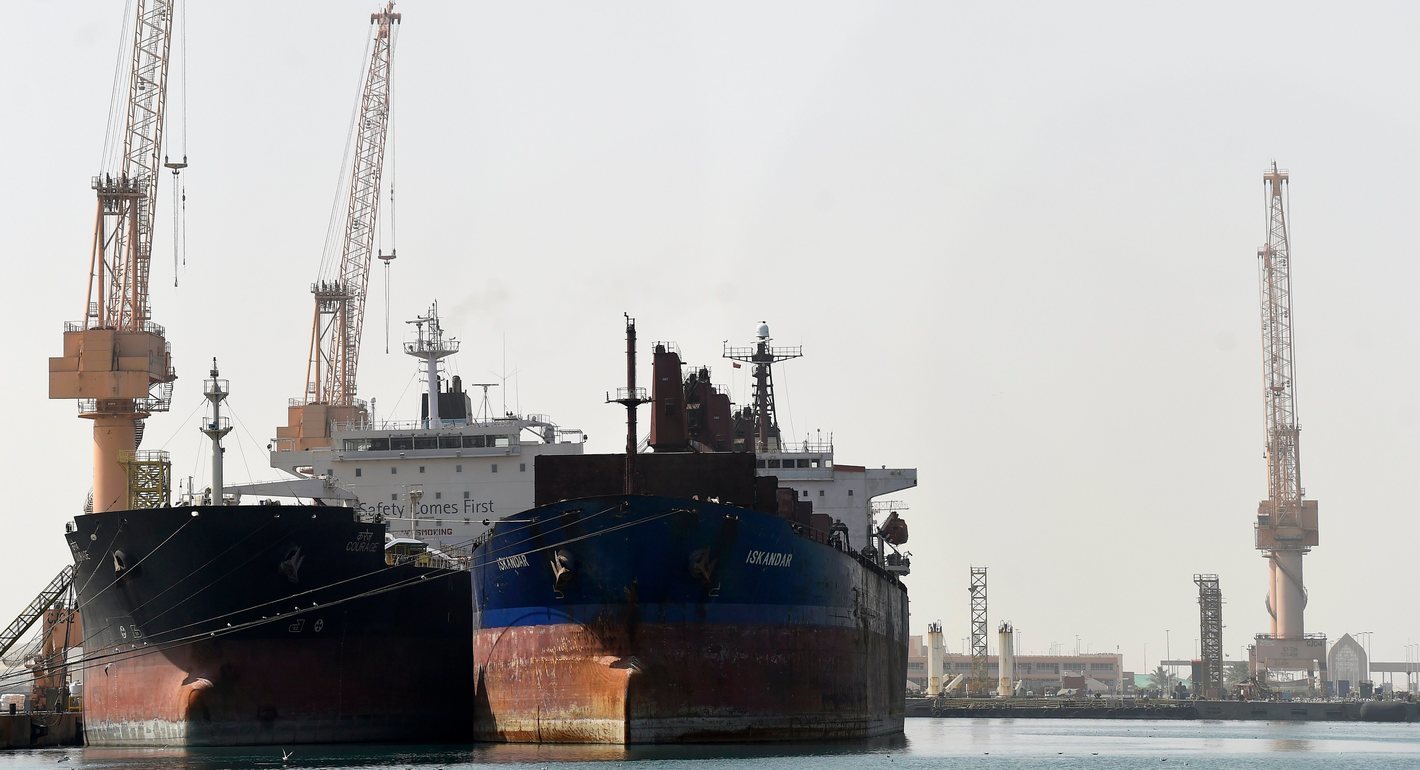
In a volatile Middle East, the Omani port of Duqm offers stability, neutrality, and opportunity. Could this hidden port become the ultimate safe harbor for global trade?
Giorgio Cafiero, Samuel Ramani
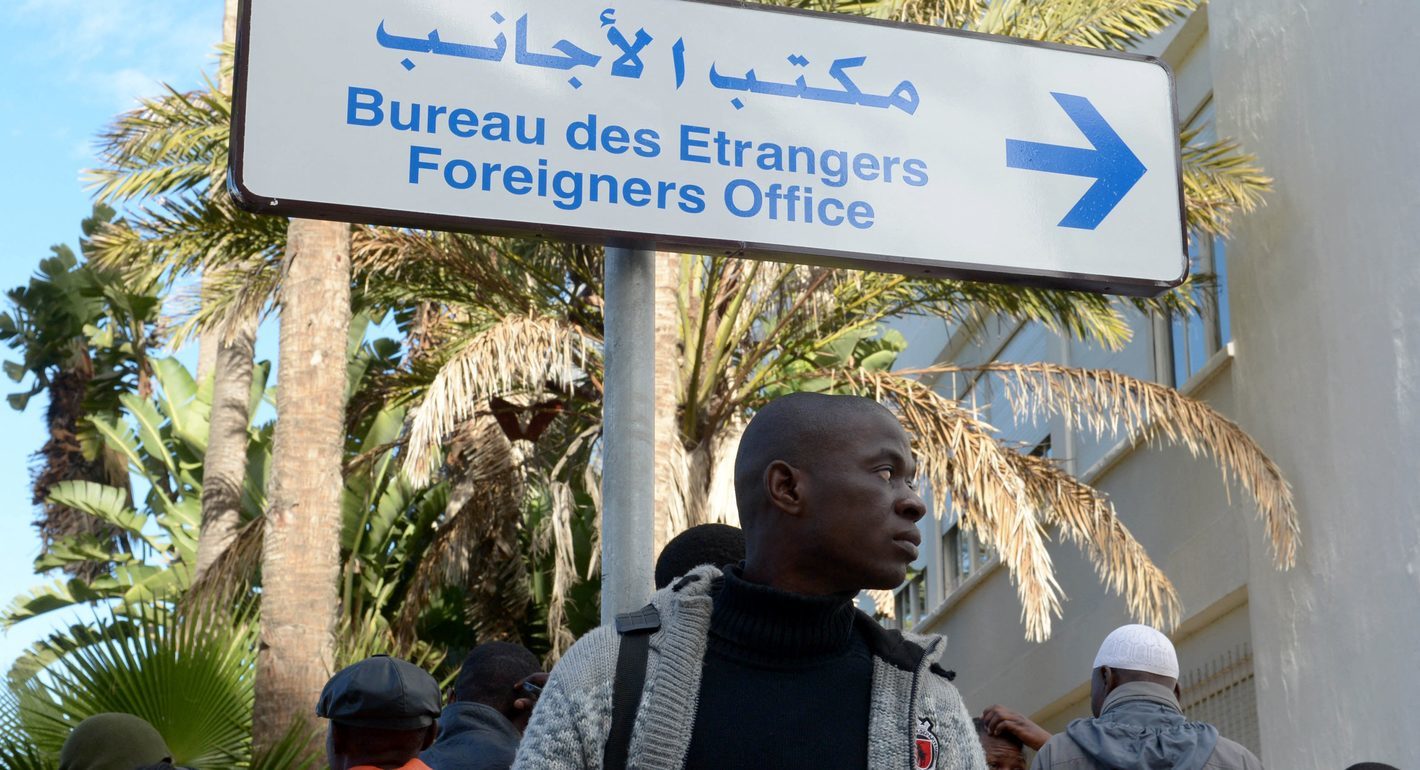
Is Morocco’s migration policy protecting Sub-Saharan African migrants or managing them for political and security ends? This article unpacks the gaps, the risks, and the paths toward real rights-based integration.
Soufiane Elgoumri
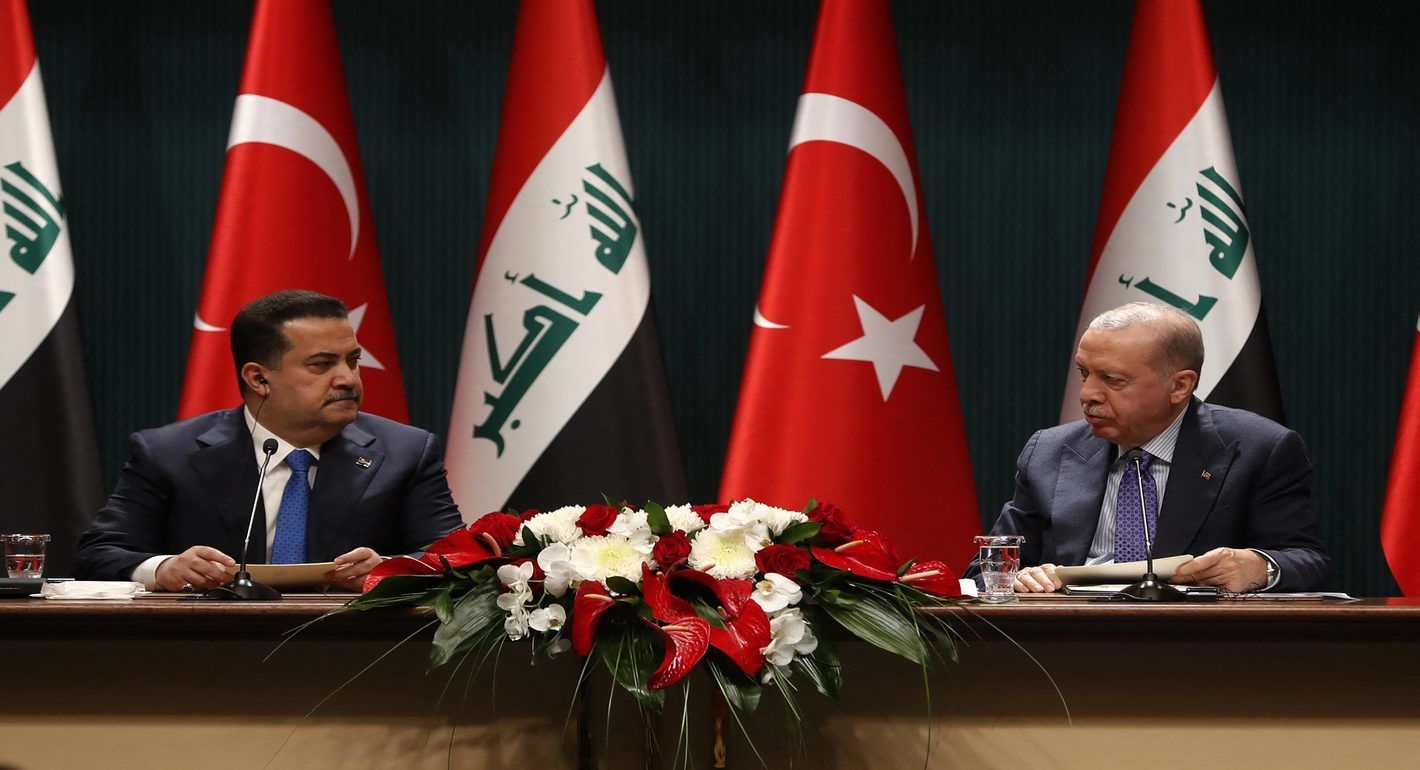
Iraq’s foreign policy is being shaped by its own internal battles—fractured elites, competing militias, and a state struggling to speak with one voice. The article asks: How do these divisions affect Iraq’s ability to balance between the U.S. and Iran? Can Baghdad use its “good neighbor” approach to reduce regional tensions? And what will it take for Iraq to turn regional investments into real stability at home? It explores potential solutions, including strengthening state institutions, curbing rogue militias, improving governance, and using regional partnerships to address core economic and security weaknesses so Iraq can finally build a unified and sustainable foreign policy.
Mike Fleet
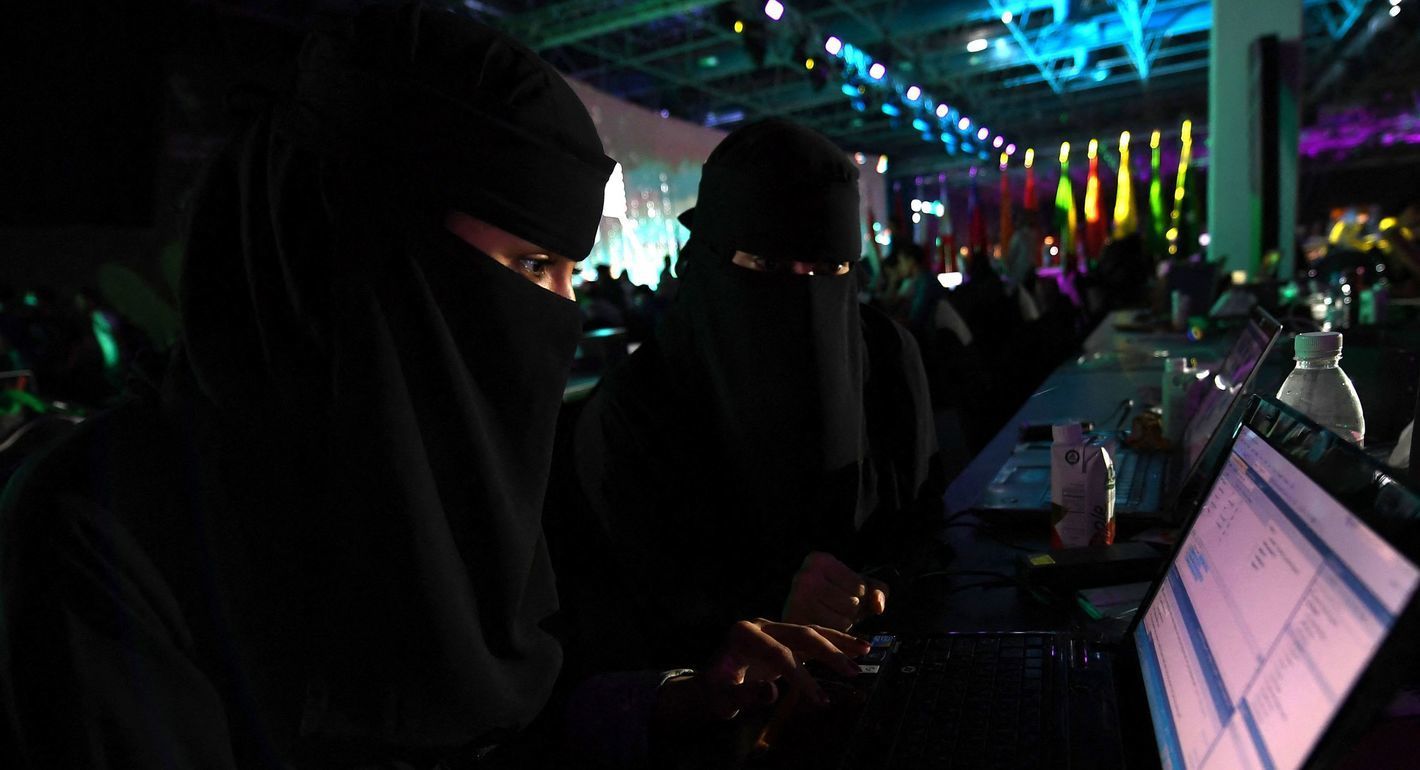
How can Saudi Arabia turn its booming e-commerce sector into a real engine of economic empowerment for women amid persistent gaps in capital access, digital training, and workplace inclusion? This piece explores the policy fixes, from data-center integration to gender-responsive regulation, that could unlock women’s full potential in the kingdom’s digital economy.
Hannan Hussain