

Commentary
Syria's transition promised a fresh start. But are old habits of power making a comeback? This analysis looks at the warning signs and what it will take to build a more accountable state.
Sima Beitinjaneh
{
  "authors": [
    "Carmen Geha",
    "Gilbert Doumit"
  ],
  "type": "commentary",
  "blog": "Sada",
  "centerAffiliationAll": "",
  "centers": [
    "Carnegie Endowment for International Peace",
    "Malcolm H. Kerr Carnegie Middle East Center"
  ],
  "collections": [],
  "englishNewsletterAll": "",
  "nonEnglishNewsletterAll": "",
  "primaryCenter": "Carnegie Endowment for International Peace",
  "programAffiliation": "",
  "programs": [],
  "projects": [],
  "regions": [
    "North Africa",
    "Libya",
    "Maghreb"
  ],
  "topics": [
    "Political Reform",
    "Democracy"
  ]
}
Source: Getty
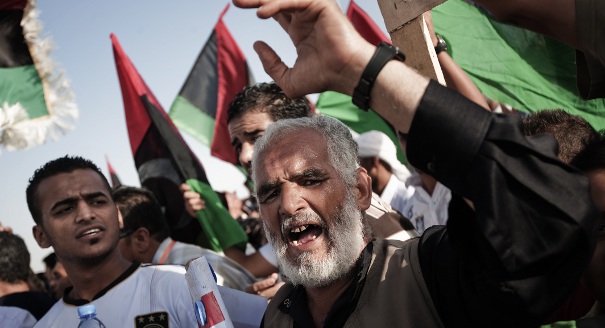
The ability of Libya’s Committee of Sixty to garner consensus is the next critical milestone for the country’s constitution.
The incidents of violence that took place during the election of the General National Congress (GNC) this past summer across the east of Libya—and in Benghazi particularly—revealed deep political divisions and a number of serious security threats. Since the rise of the National Union Party (presided over by Mahmoud Jibril) to the GNC, Libya’s increasing political polarization has been much neglected in the media. Pro-federalist groups in Benghazi burnt ballot boxes and called for voter boycotts. Tensions erupted in the wake of former National Transitional Council chairman Moustapha Abdel Jalil’s promise that the Committee of Sixty—which would be responsible for drafting the constitution—would be elected from the people, rather than appointed from the GNC. Dissatisfied with the allocation of GNC seats, the pro-federalists demanded that the eastern region of Barqa be represented with more than 60 seats in the GNC—compared to the 100 allocated for the western Tripolitania region and 40 for Fezzan in the South. Pro-federalists also seek equitable representation in the Committee of Sixty in charge of drafting the constitution, demanding direct election, rather than GNC-appointment of the 20 committee members from each of the three regions.
The committee’s ability to gain legitimacy and garner consensus is the next critical milestone for Libya’s legislature as outlined in Article 30 of the August 3, 2011 constitutional declaration. Modeled on the 1951 constitutional development process (with each of Libya’s three regions—Barqa (East), Tripoli (West), and Fezzan (South)— represented equally) determining the system of governance will nonetheless be one of the most contested issues, as the choice between a federal versus unitary administration will have long-lasting implications on future political stability, economic prosperity, and social cohesion. Disagreements over the mechanisms and prerogatives of the Committee of Sixty are thus rooted in Libya’s deep and historic schisms. Once in place, the committee would have no more than 60 days to draft a constitution and submit it to the GNC who would organize a referendum in 30 days: hardly enough time to address priorities for the country’s future or agree on a system of governance that appeases both sides. At present, Libya awaits the appointment of a new government, and the GNC has not yet agreed on the selection process–potentially a sign of deadlock. The process of selecting the committee requires that immediate measures of dialogue and consensus be addressed.
Recently, calls for a power-sharing system are gaining momentum. But the GNC and soon-to-be Committee of Sixty should embark on a truly national dialogue that would define real participatory mechanisms for decision-making that are not bound to a consensus among elite. And while power-sharing might seem feasible at the outset, it nevertheless creates a fragile system prone to deadlock and internal paralysis. A referendum alone, as mentioned in the constitutional declaration of August 2011 in Article 30, is not enough to ensure legitimacy; regional, tribal, and ethnic quotas are being adopted in present discussions for a new government, and will remain as long as the actual institutions of government are still very weak. But minority groups—like the Amazigh, Tuareg and Tabu—are being left out of the equation. Throughout August and September, protests in Tripoli calling for minorities to be represented remain underreported in national and international media—of these, the Amazigh community seems better organized than other minority groups. Human rights activists, NGOs, and intellectuals have attempted to coordinate their efforts and demand representation within the new system. But the debate is far from inclusive, and the regional factors of a unitary versus federal system seem to overshadow discussion of minority issues as the predominant discourse.
A series of workshops conducted between July 2011 and March 2012 on citizenship and democratic participation with local participants (about 800) to discuss the desired outcome of the constitution writing process revealed that among the priorities and most heated debates was Libya’s system of governance. While participants agreed on a range of broad issues—access to social and health services, employment opportunities, distribution of natural resources, de-concentration, local development and accountability—the underlying tension among groups (particularly those from Tripoli and Benghazi) continues to manifest in a general fear of being less represented under a unitary system, especially in the eastern region of Barqa.
Political polarization also has economic roots. The distribution of natural resources (specifically the oil income) has many influential implications on the future of Libyan economic development. With about one-third of its population living at or below the poverty line, the country’s economy is still highly dependent on oil income. Citizens in eastern Libya are particularly concerned: according to the US Energy Information administration, “Broadly speaking, about two-thirds of Libyan oil production comes from fields in the eastern part of the country,” yet Qaddafi’s highly centralized regime left them underdeveloped compared to the west, while widespread corruption lined the pockets of regime supporters. A unitary system of governance would likely enforce an similarly unfair redistribution of these resources.
Another crucial factor that will impact the choice of a governance system is religious affiliation. Despite consensus that sharia should be part of the new governance system, Libyans have yet to agree on whether sharia law would be the sole source of governance, a main source, or a source of “inspiration.” In spite of the general discourse, there are still radical groups like Ansar Al-Sharia and al-Qaeda that want to replace democracy with a full-fledged religious emirate. These groups might seem a minority, but they have relevant grassroots support and have participated actively during the revolution–adding to their popularity. More threateningly, they have arms—and while suspicions of their culpability in the death of Ambassador Christopher Stevens has led to a rise in grassroots opposition, many civilians only oppose their military activism. There are no indications that they will lose political appeal in the near future, largely due to the weak economic and security conditions that play to their advantage.
The greatest concern among most Libyans is that trust be restored in governmental institutions. For more than four decades, national and local administrations were controlled by the Qaddafi regime—and very much feared. Any attempt to forge a new governance system must reform and strengthen the judiciary so as to prevent corruption and protect national security. The general conversation is still not addressing the judiciary system, how it will be shaped, and whether central versus local courts would be more powerful. At present, the Council of Elders (majlis al-hukuma) plays a role in mediating conflict and settling local disputes; likewise, respected tribal leaders have intervened in a number of local clashes—including the grassroots responses to the Benghazi violence. This is not sustainable; these interventions rely on tribal compromise, rather than the rule of law. Separation of powers, a strong judiciary system, and an anti-corruption legislative framework should be integral to the debate, as they will be critical in rebuilding Libyan citizens’ trust in their government.
Moving forward, the GNC can put in place actionable mechanisms using technological and grassroots means to motivate the participation of all factions. The Committee of Sixty should hold debate sessions among experts and other stakeholders in all three regions to identify means of mediating conflict in future decisions. Additionally, the GNC should take immediate steps to involve political activists from all three areas to shadow the committee and provide feedback during the drafting process. While these measures have not yet been attempted, there is strong evidence that Libyan citizens will respond positively to GNC-encouraged dialogue: when the NTC put up the electoral law for input from citizens, more than 14,000 replies provided feedback and helped produce a final electoral law for Libya.
Whether or not the dialogue for a new governance system will be left in the hands of the few or open to all citizens will determine whether and how fears will be put at ease. Best to quell these fears and tensions now, rather than have them emerge later in the form of political deadlock.
Gilbert Doumit and Carmen Geha are civil society activists and partners at Beyond Reform & Development. The information in this article is based on a series of workshops in Libya conducted over the course of a year by that organization in tandem with the Forum for Democratic Libya since June 2011.
Carmen Geha
Carmen Geha is an associate professor of Public Administration, Leadership, and Organizational Development at the American University of Beirut.
Gilbert Doumit
Carnegie does not take institutional positions on public policy issues; the views represented herein are those of the author(s) and do not necessarily reflect the views of Carnegie, its staff, or its trustees.
Syria's transition promised a fresh start. But are old habits of power making a comeback? This analysis looks at the warning signs and what it will take to build a more accountable state.
Sima Beitinjaneh
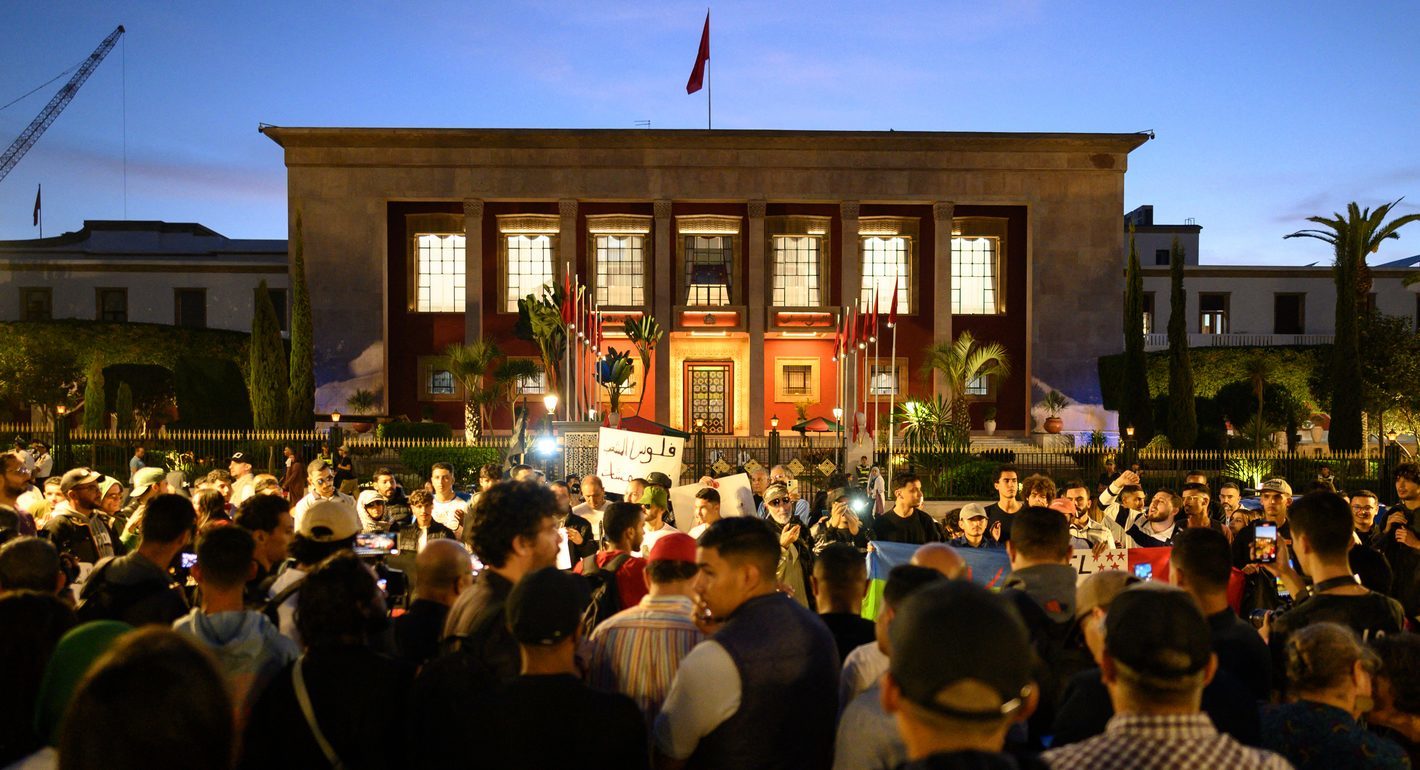
From anime heroes to online gaming communities, Morocco’s Gen Z is building a new protest culture. What does this digital imagination reveal about youth politics, and how should institutions respond?
Abdelilah Farah
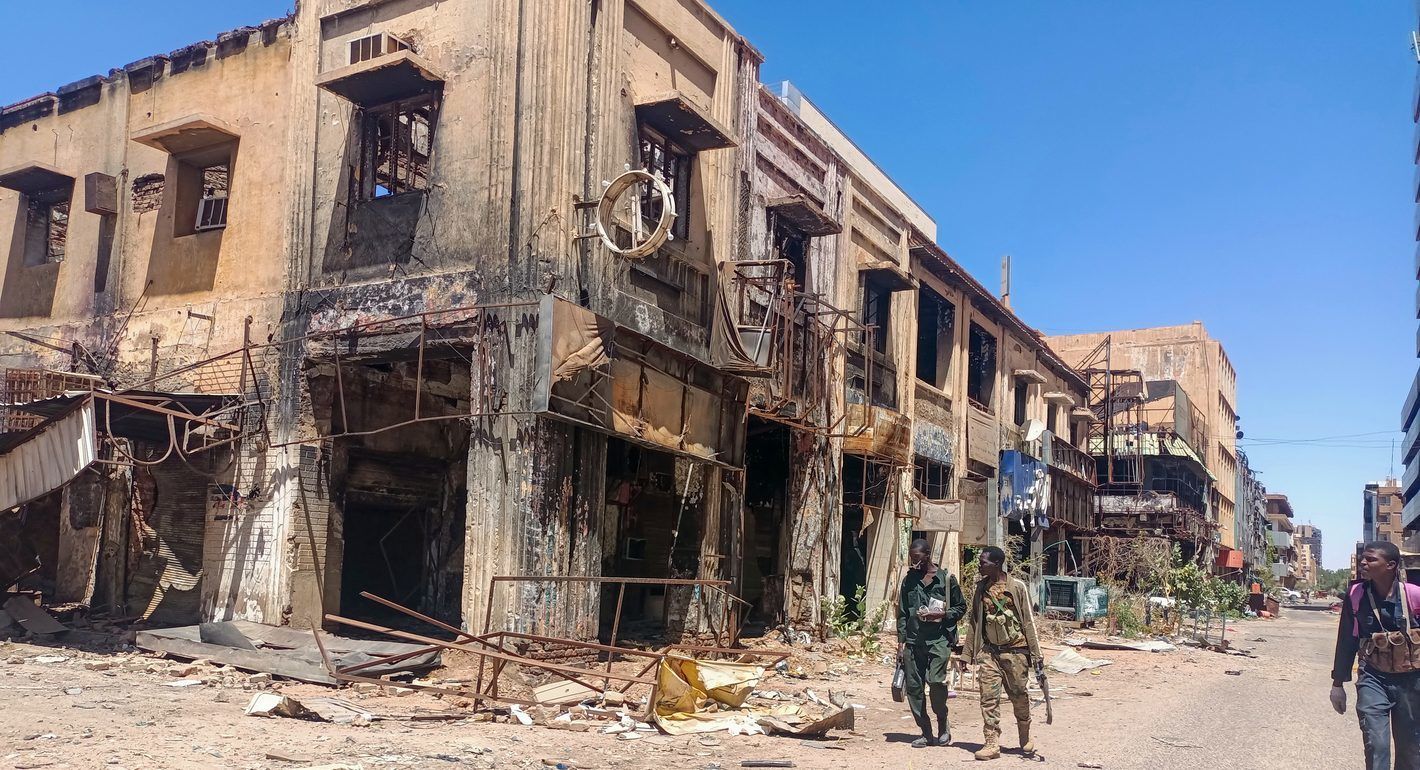
Hate speech has spread across Sudan and become a key factor in worsening the war between the army and the Rapid Support Forces. The article provides expert analysis and historical background to show how hateful rhetoric has fueled violence, justified atrocities, and weakened national unity, while also suggesting ways to counter it through justice, education, and promoting a culture of peace.
Samar Sulaiman
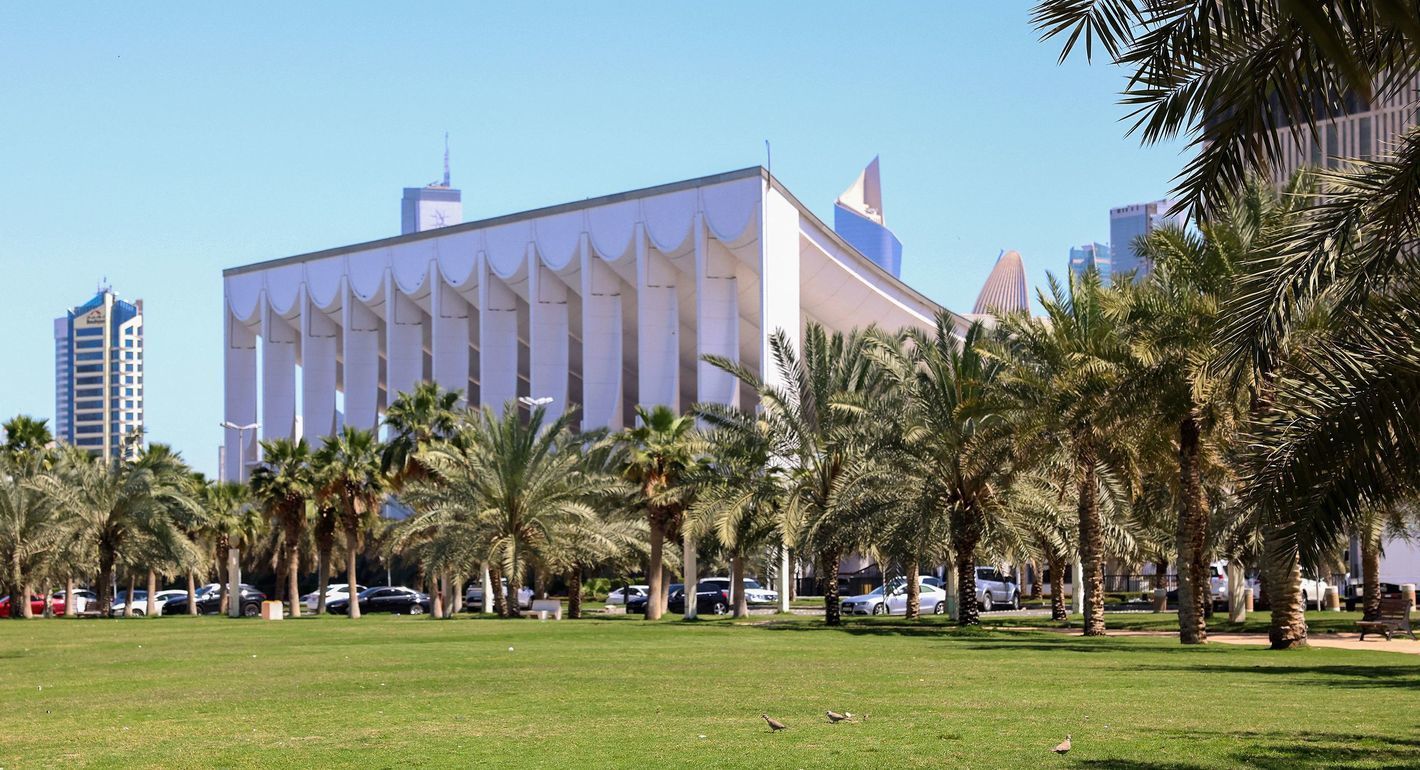
Kuwait’s government has repeatedly launched ambitious reforms under Kuwait Vision 2035, yet bureaucratic inefficiency, siloed institutions, and weak feedback mechanisms continue to stall progress. Adopting government analytics—real-time monitoring and evidence-based decision-making—can transform reform from repetitive announcements into measurable outcomes.
Dalal A. Marafie
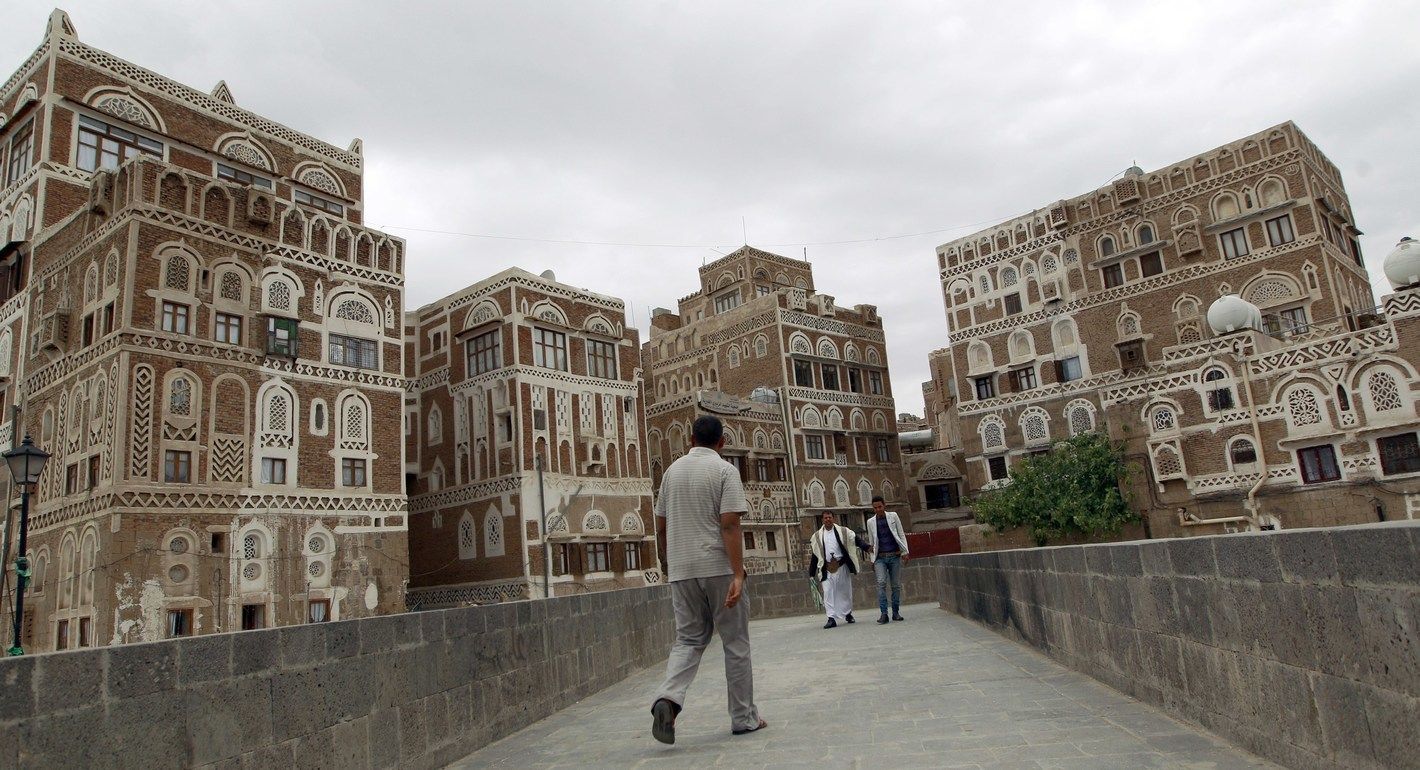
The chaos of street naming in Sana’a reflects the deep weakness of the Yemeni state and its failure to establish a unified urban identity, leaving residents to rely on informal, oral naming systems rooted in collective memory. This urban disorder is not merely a logistical problem but a symbolic struggle between state authority and local community identity.
Sarah Al-Kbat