• Research
  • Emissary
  • About
  • Experts
Carnegie Global logoCarnegie lettermark logo
DemocracyIran
  • Donate
REQUIRED IMAGE
Book
Carnegie Russia Eurasia Center

Russia in the World Arms Trade: The Strategic, Political, and Economic Dimensions

Eight prominent Russian experts contribute to this Russian-American analysis of the state of Russia's arms industry and national export controls, as well as the strategic implications of Russian arms sales to China and clients in the Middle East.

Link Copied
By Dmitri Trenin and Andrew J. Pierre
Published on Nov 1, 1997

Additional Links

Paperback - $12.95
Program mobile hero image

Program

Russia and Eurasia

The Russia and Eurasia Program continues Carnegie’s long tradition of independent research on major political, societal, and security trends in and U.S. policy toward a region that has been upended by Russia’s war against Ukraine.  Leaders regularly turn to our work for clear-eyed, relevant analyses on the region to inform their policy decisions.

Learn More

Source: Washington

Eight prominent Russian experts contribute to this unique Russian-American analysis of the state of Russia's arms industry and national export controls, as well as the strategic implications of Russian arms sales to China and clients in the Middle East. Since the early 1990s, Russia's once colossal defense-industrial complex has been in upheaval. Parts of the arms industry have collapsed, and hopes for conversion from military to civilian production have proven largely illusory. An aggressive arms-sales policy—seen as a panacea—has also met with mixed results. At the same time, turmoil in domestic politics and in the reform process has limited and slowed much-needed changes in the industry's organization, operations, decisionmaking, and controls over the export of arms and sensitive technologies.

The authors examine these and other issues posed by Russia's participation in the world arms trade. The book evolved from discussions of the Russian-American working group on conventional arms proliferation convened by the co-editors at the Carnegie Endowment's Moscow Center.

ABOUT THE AUTHOR

Dmitri Trenin is director of the Carnegie Moscow Center, where he specializes in foreign and security policy. He is the author of numerous books, including The End of Eurasia: Russia on the Border Between Geopolitics and Globalization and coeditor of Ambivalent Neighbors: The EU, NATO and the Price of Membership.

Advance Praise

"Russia in the World Arms Trade is the first book-length attempt by Russian authors to tie together the strategic, political, and commercial aspects of Russia?s arms exports. It provides highly useful insights into the current condition of Russia?s armaments industry and the drive for arms sales. The book offers a well-informed and insightful view of the Russian debate on this formerly completely taboo subject."
— Sergei Rogov, Director of the Institute for USA and Canadian Studies, the Russian Academy of Sciences

About the Authors

Dmitri Trenin

Former Director, Carnegie Moscow Center

Trenin was director of the Carnegie Moscow Center from 2008 to early 2022.

Andrew J. Pierre
Authors

Dmitri Trenin
Former Director, Carnegie Moscow Center
Andrew J. Pierre
ChinaCaucasusRussia

Carnegie does not take institutional positions on public policy issues; the views represented herein are those of the author(s) and do not necessarily reflect the views of Carnegie, its staff, or its trustees.

More Work from Carnegie Endowment for International Peace

  • Commentary
    Carnegie Politika
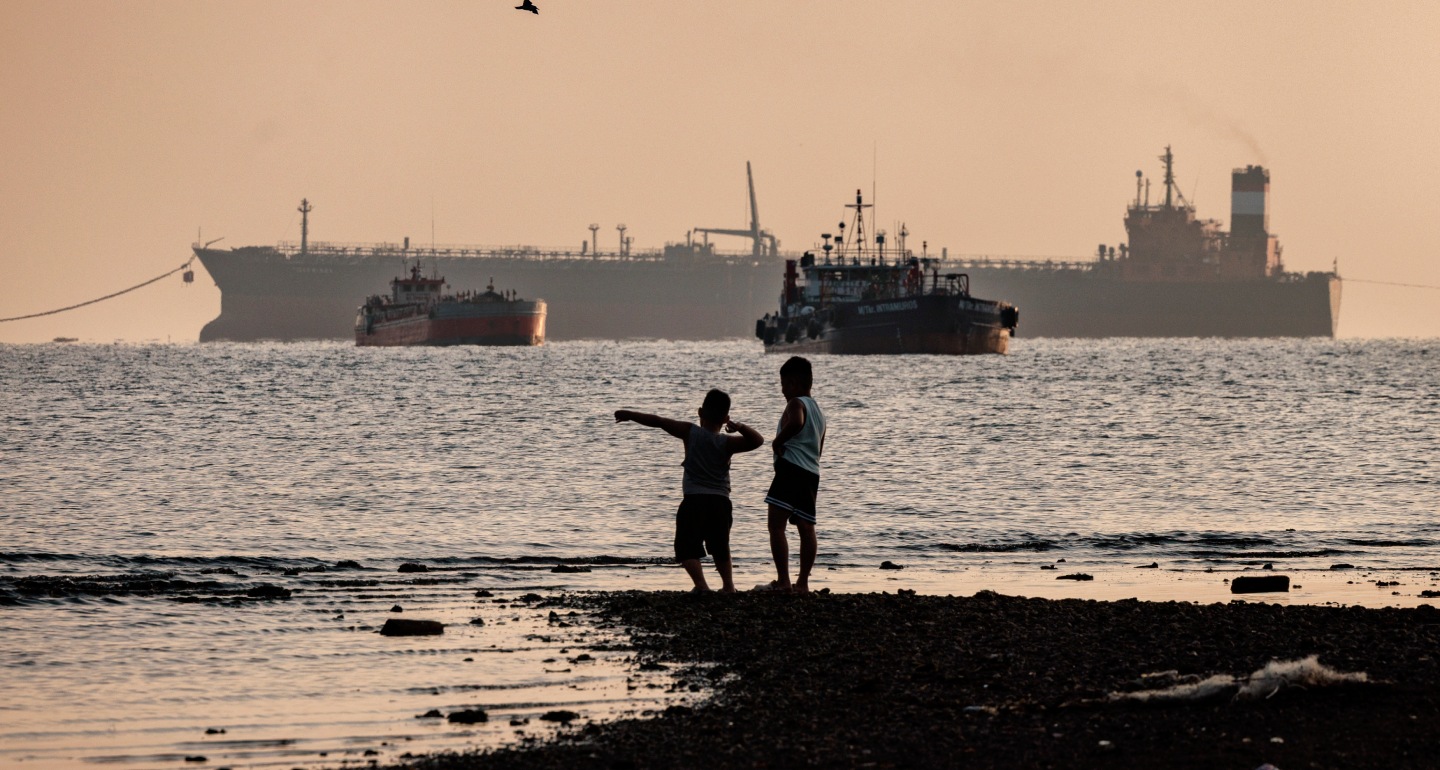
    What’s Having More Impact on Russian Oil Export Revenues: Ukrainian Strikes or Rising Prices?

    Although Ukrainian strikes have led to a noticeable decline in the physical volume of Russian oil exports, the rise in prices has more than made up for it.

      • Sergey Vakulenko

      Sergey Vakulenko

  • Shipping port at dawn from above
    Commentary
    Emissary
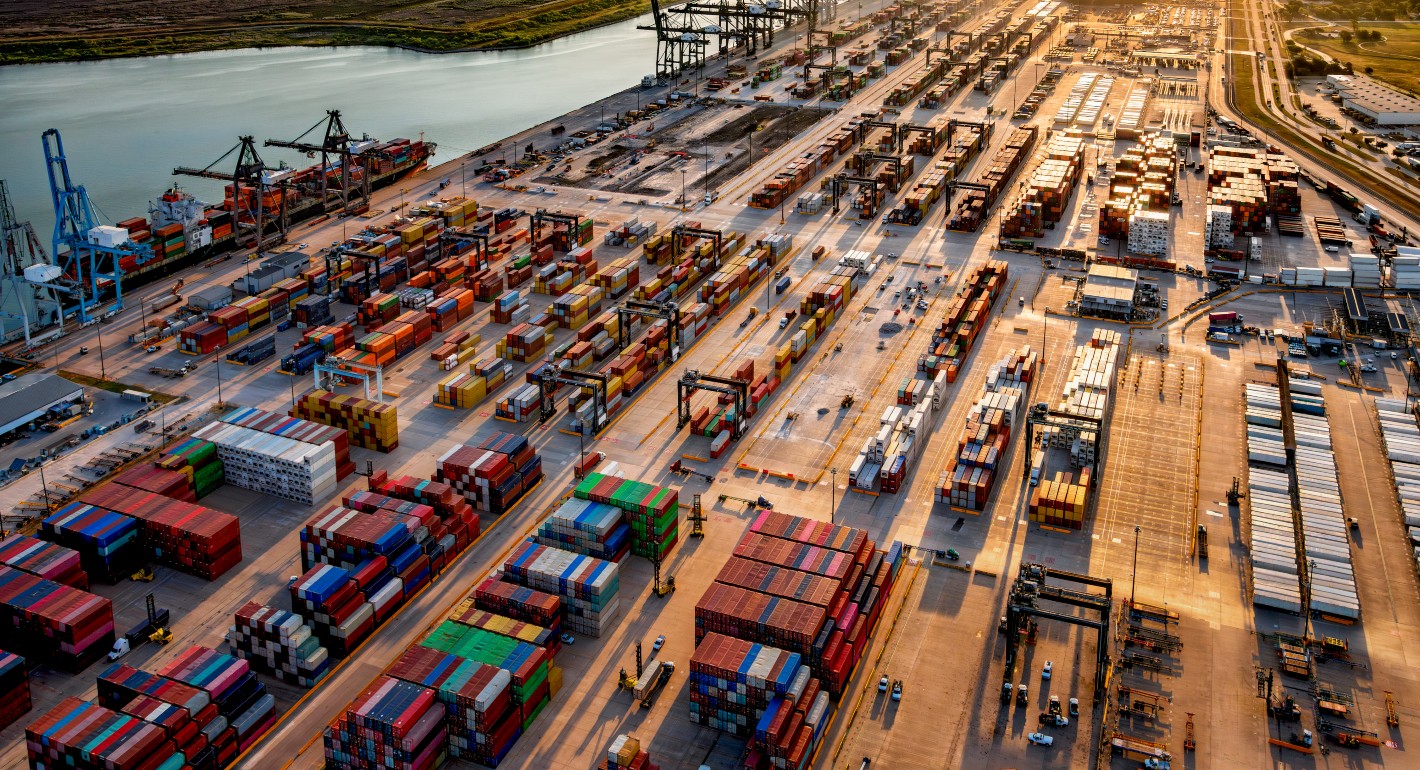
    The U.S. Export-Import Bank Was Built for a Different Era. Here's How to Fix It.

    Five problems—and solutions—to make it actually work as a tool of great power competition.
      • Afren Akhter

      Afreen Akhter

  • Commentary
    Carnegie Politika
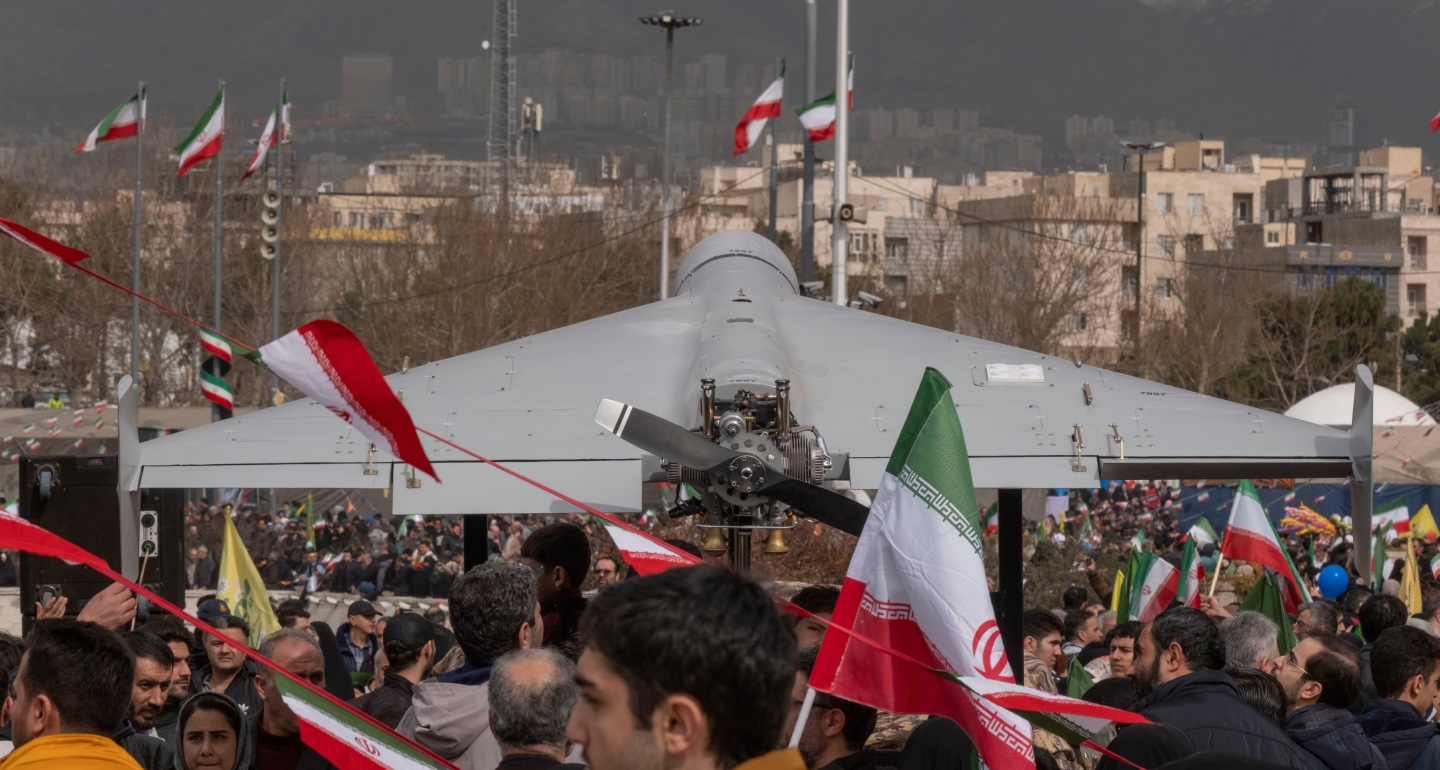
    Russia Is Meddling for Meddling’s Sake in the Middle East

    The Russian leadership wants to avoid a dangerous precedent in which it is squeezed out of Iran by the United States and Israel—and left powerless to respond in any meaningful way.

      Nikita Smagin
  • Commentary
    Carnegie Politika
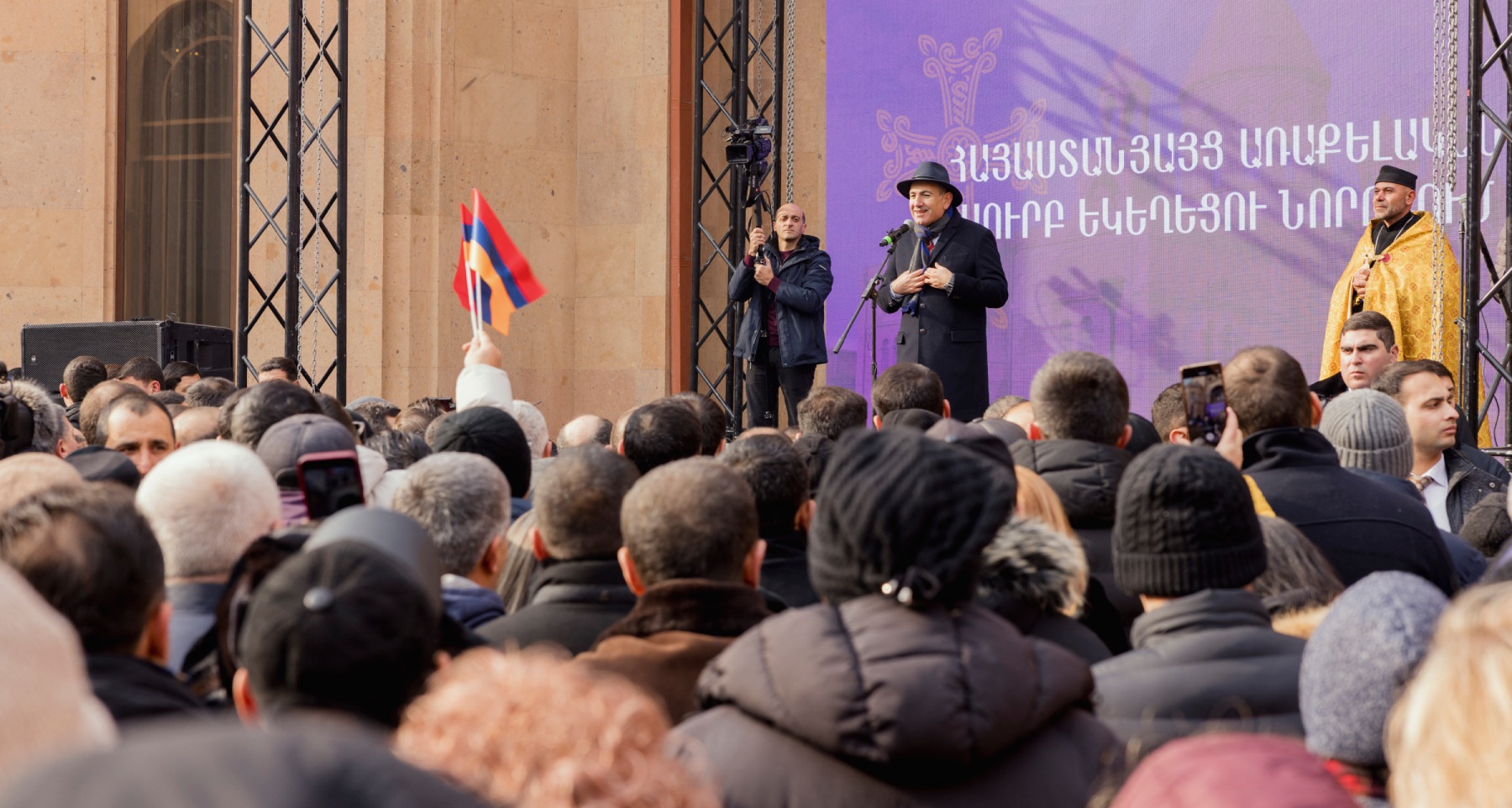
    Is Frustration With Armenia’s Pashinyan Enough to Bring the Pro-Russia Opposition to Power?

    It’s true that many Armenians would vote for anyone just to be rid of Pashinyan, whom they blame for the loss of Nagorno-Karabakh, but the pro-Russia opposition is unlikely to be able to channel that frustration into an electoral victory.
      Mikayel Zolyan
  • Commentary
    Carnegie Politika
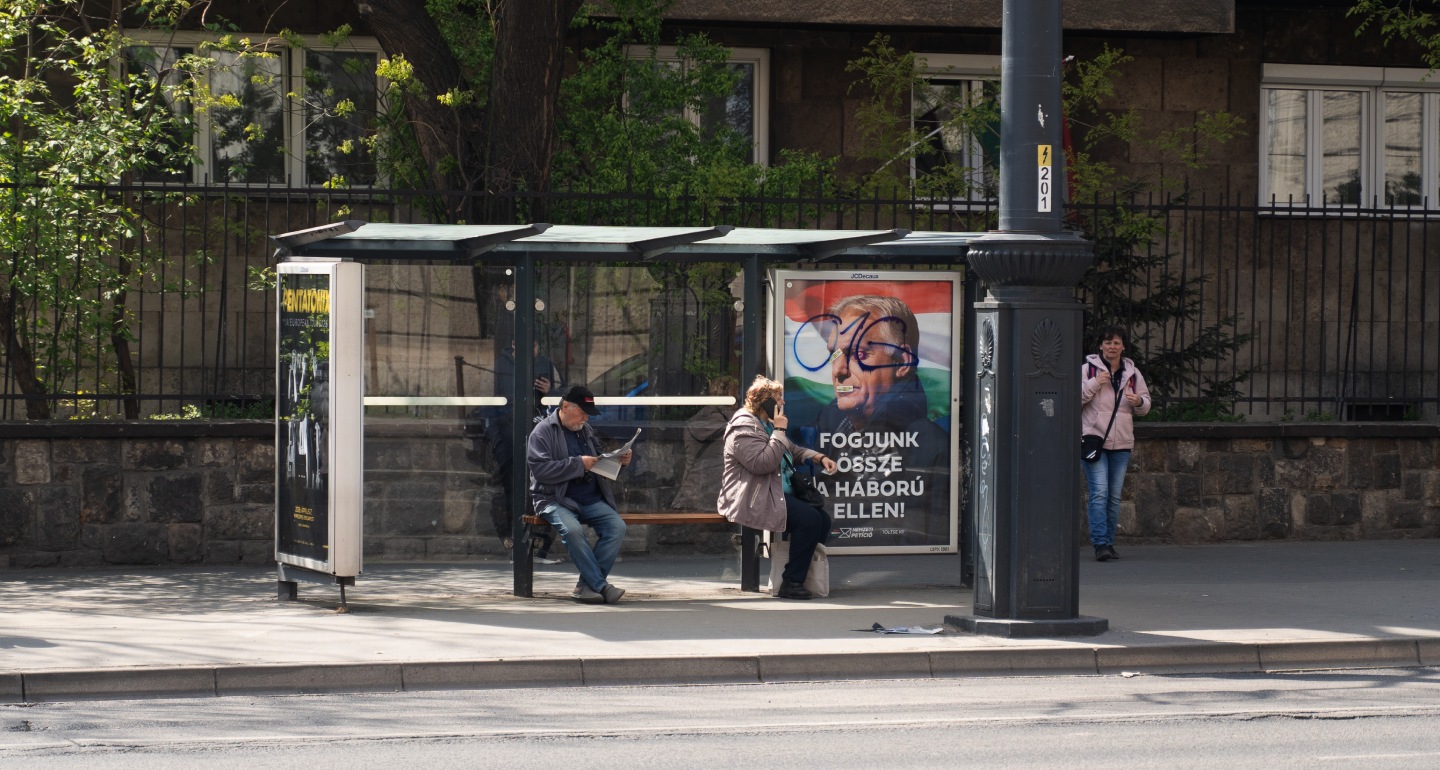
    Will Hungary’s New Leader Really Change EU Policy on Russia and Ukraine?

    Orbán created an image for himself as virtually the only opponent of aid to Ukraine in the entire EU. But in reality, he was simply willing to use his veto to absorb all the backlash, allowing other opponents to remain in the shadows.
      Maksim Samorukov

Get more news and analysis from
Carnegie Endowment for International Peace
Carnegie global logo, stacked
1779 Massachusetts Avenue NWWashington, DC, 20036-2103Phone: 202 483 7600Fax: 202 483 1840
  • Research
  • Emissary
  • About
  • Experts
  • Donate
  • Programs
  • Events
  • Blogs
  • Podcasts
  • Contact
  • Annual Reports
  • Careers
  • Privacy
  • For Media
  • Government Resources
Get more news and analysis from
Carnegie Endowment for International Peace
© 2026 Carnegie Endowment for International Peace. All rights reserved.