• Research
  • Emissary
  • About
  • Experts
Carnegie Global logoCarnegie lettermark logo
DemocracyIran
  • Donate
REQUIRED IMAGE

REQUIRED IMAGE

Paper

Democracy and Constituencies in the Arab World

Link Copied
By Marina Ottaway
Published on Jul 12, 2004

Additional Links

Full Text (PDF)
Program mobile hero image

Program

Democracy, Conflict, and Governance

The Democracy, Conflict, and Governance Program is a leading source of independent policy research, writing, and outreach on global democracy, conflict, and governance. It analyzes and seeks to improve international efforts to reduce democratic backsliding, mitigate conflict and violence, overcome political polarization, promote gender equality, and advance pro-democratic uses of new technologies.

Learn More

Source: Carnegie

Summary
The central dilemma of Democratic reform in Arab countries can be summed up fairly simply. Presidents and kings remain too powerful, untrammeled by the limits imposed by effective parliaments and independent judiciaries. Countervailing institutions remain weak, if they exist at all, not only because constitutions and laws deliberately keep them that way, but also because they are not backed by organized citizens demanding political rights, participation, and government accountability. This does not mean that there is no desire for democracy on the part of Arab publics. The demand, or better the desire, for democracy is present in the Arab world today; what is lacking is a supply of broad-based political organizations pushing for democracy—political parties, social movements, labor unions, large civic organizations. Unless such constituencies develop, the future of democracy remains extremely uncertain.

Click on link above for the full text of this Carnegie Paper.

Also in the Middle East series:

Europe's Uncertain Pursuit of the Middle East, by Richard Youngs
Middle Eastern Democracy: Is Civil Society the Answer?
, by Amy Hawthorne
Women's Rights and Democracy in the Arab World
, by Marina Ottaway
Is Gradualism Possible? Choosing a Strategy for Promoting Democracy in the Middle East
, by Thomas Carothers
Liberalization Versus Democracy: Understanding Arab Political Reform
, by Daniel Brumberg
Promoting Democracy in the Middle East: The Problem of U.S. Credibility
, by Marina Ottaway

About the Author
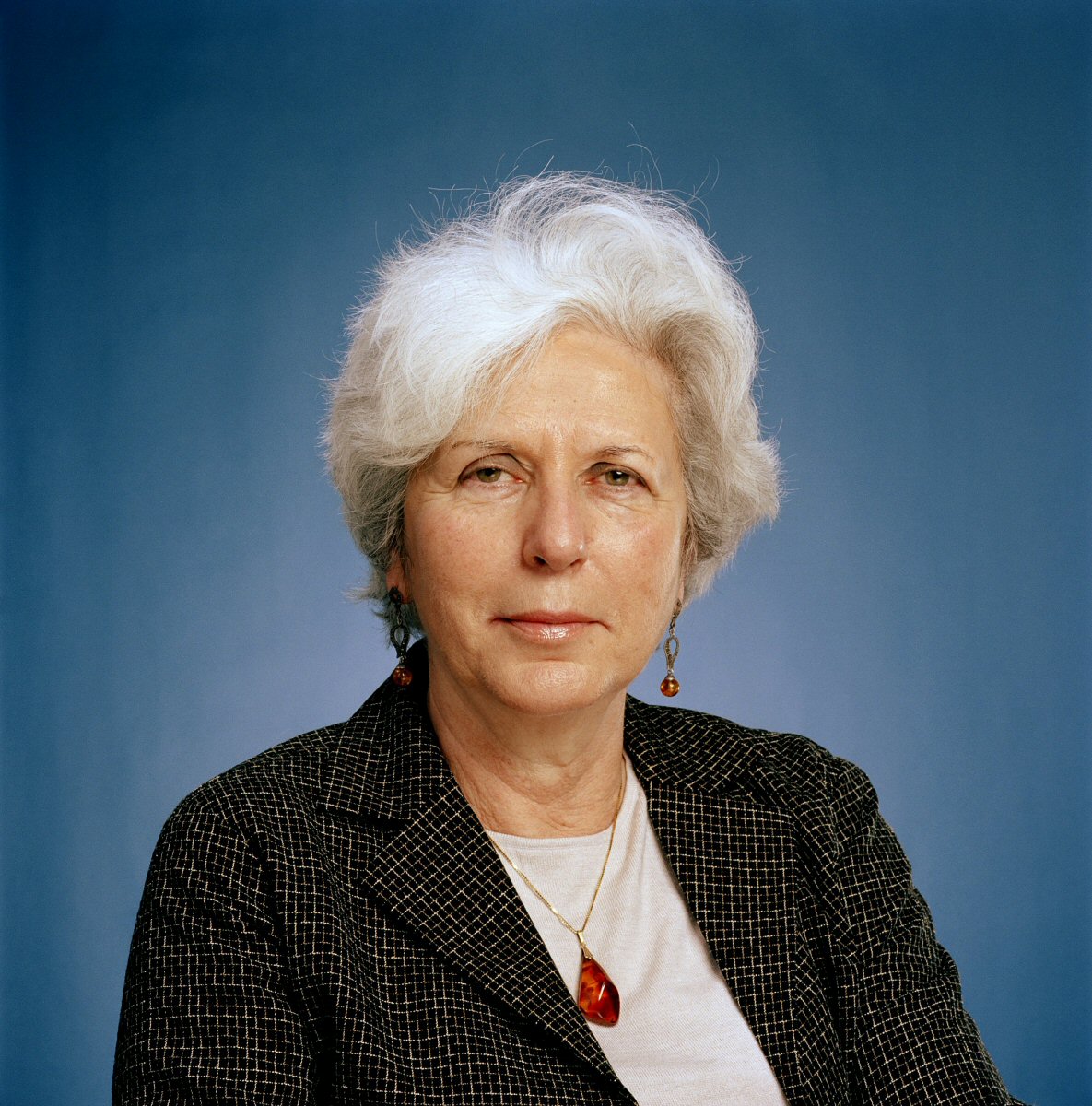
Marina Ottaway
is senior associate in the Democracy and Rule of Law Project at the Carnegie Endowment. She is the author of more then six books, including Democracy Challenged: The Rise of Semi-Authoritarianism.
About the Author

Marina Ottaway

Former Senior Associate, Middle East Program

Before joining the Endowment, Ottaway carried out research in Africa and in the Middle East for many years and taught at the University of Addis Ababa, the University of Zambia, the American University in Cairo, and the University of the Witwatersrand in South Africa.

    Recent Work

  • Article
    Reactions to the Syrian National Initiative

      Marina Ottaway, Omar Hossino

  • Article
    Slow Return to Normal Politics in Egypt

      Marina Ottaway

Marina Ottaway
Former Senior Associate, Middle East Program
Marina Ottaway
Middle EastPolitical ReformDemocracyEconomy

Carnegie does not take institutional positions on public policy issues; the views represented herein are those of the author(s) and do not necessarily reflect the views of Carnegie, its staff, or its trustees.

More Work from Carnegie Endowment for International Peace

  • Commentary
    Strategic Europe
    How to Join the EU in Three Easy Steps

    Montenegro and Albania are frontrunners for EU enlargement in the Western Balkans, but they can’t just sit back and wait. To meet their 2030 accession ambitions, they must make a strong positive case.


      Dimitar Bechev, Iliriana Gjoni
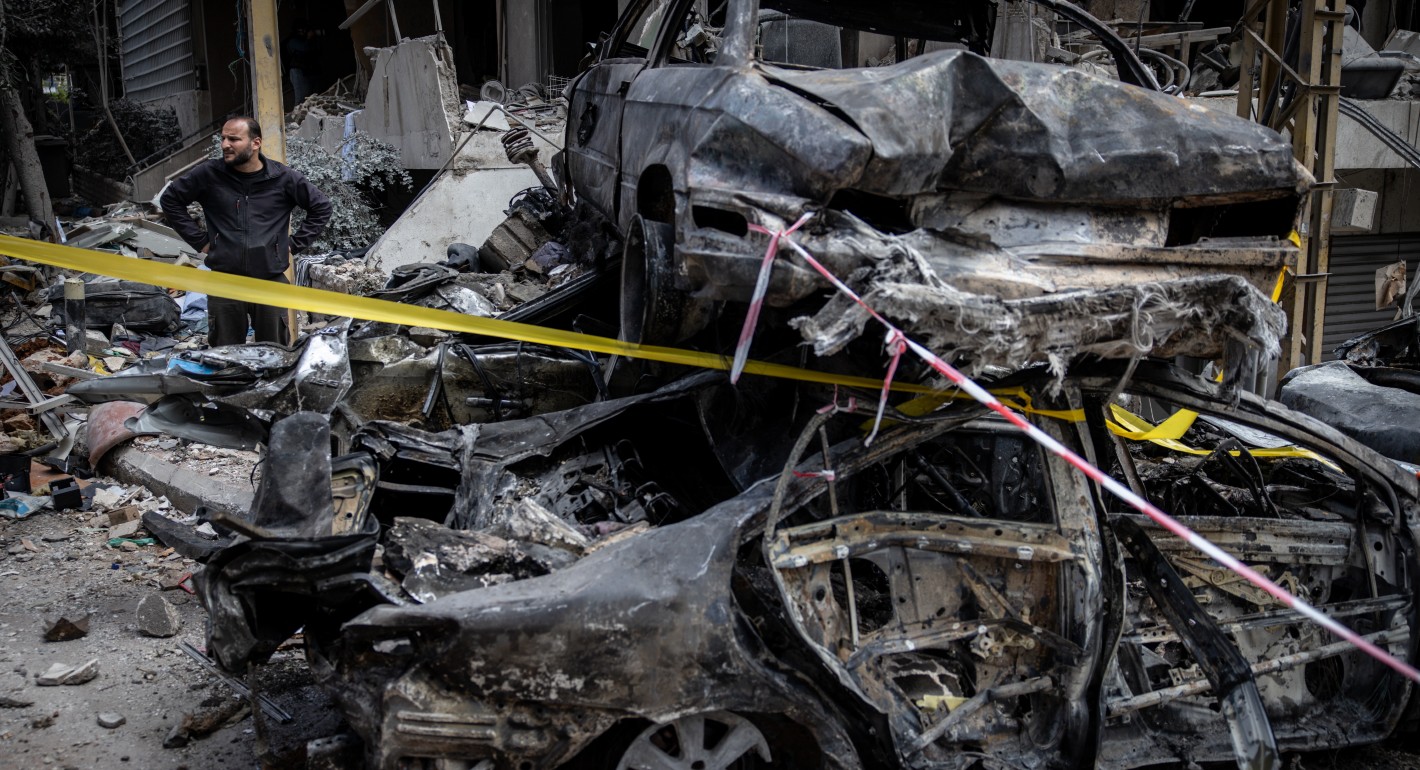
  • Man standing next to a pile of burned cars
    Commentary
    Emissary
    The Myriad Problems With the Iran Ceasefire

    Four Middle East experts analyze the region’s reactions and next steps.

      • Andrew Leber
      • Eric Lob
      • +1

      Amr Hamzawy, Andrew Leber, Eric Lob, …
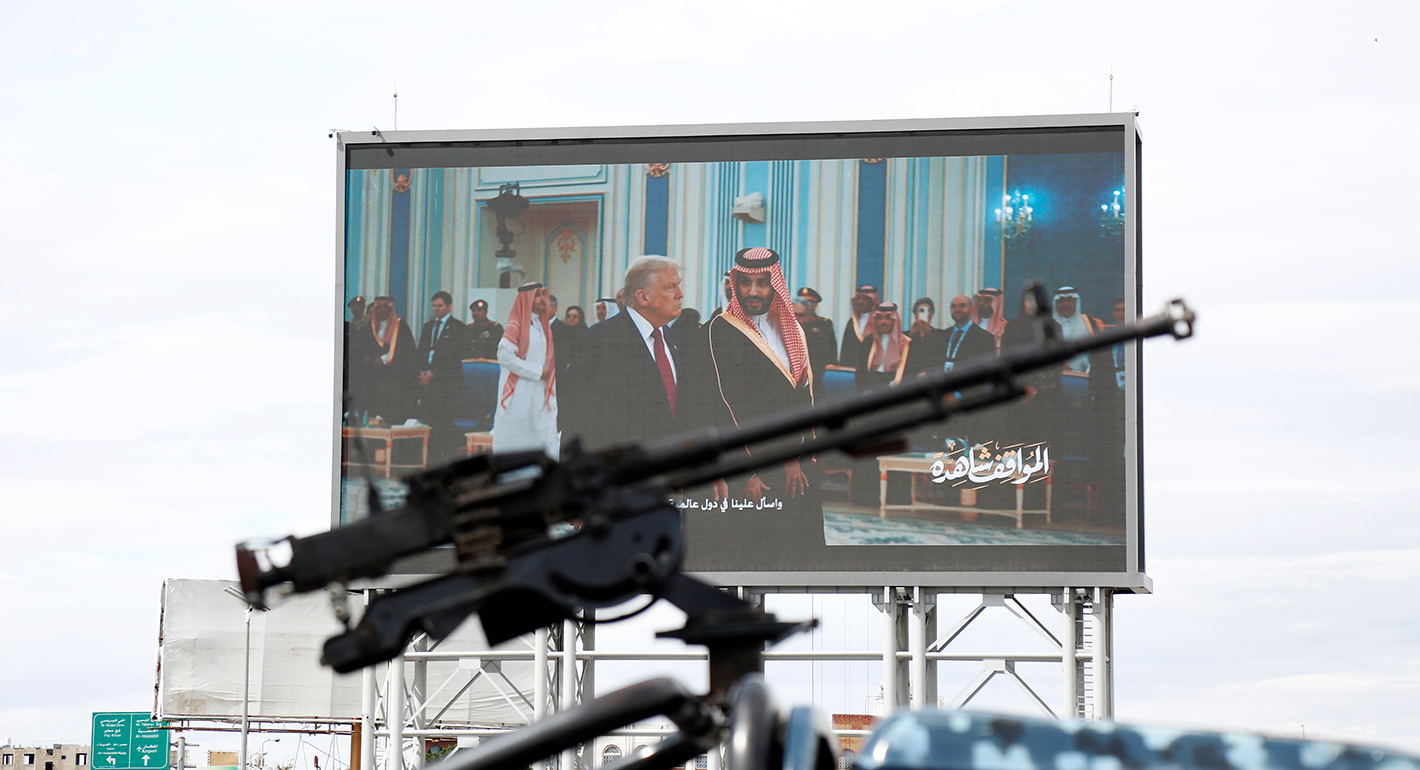
  •  A machine gun of a Houthi soldier mounted on a police vehicle next to a billboard depicting the U.S. president Donald Trump and Mohammed Bin Salman, the Crown Prince and Prime Minister of Saudi Arabia, during a protest staged to show support to Iran against the U.S.-Israel war on March 27, 2026 in Sana'a, Yemen.
    Collection
    The Iran War’s Global Reach

    As the war between the United States, Israel, and Iran continues, Carnegie scholars contribute cutting-edge analysis on the events of the war and their wide-reaching implications. From the impact on Iran and its immediate neighbors to the responses from Gulf states to fuel and fertilizer shortages caused by the effective shutdown of the Strait of Hormuz, the war is reshaping Middle East alliances and creating shockwaves around the world. Carnegie experts analyze it all.

  •  A machine gun of a Houthi soldier mounted on a police vehicle next to a billboard depicting the U.S. president Donald Trump and Mohammed Bin Salman, the Crown Prince and Prime Minister of Saudi Arabia, during a protest staged to show support to Iran against the U.S.-Israel war on March 27, 2026 in Sana'a, Yemen.
    Article
    Amid Iran War, Gulf Countries Slow the Pace of Reforms

    The return of war as the organizing factor in Middle Eastern politics has predictable consequences: governments are prioritizing regime stability and becoming averse to political and social reform.
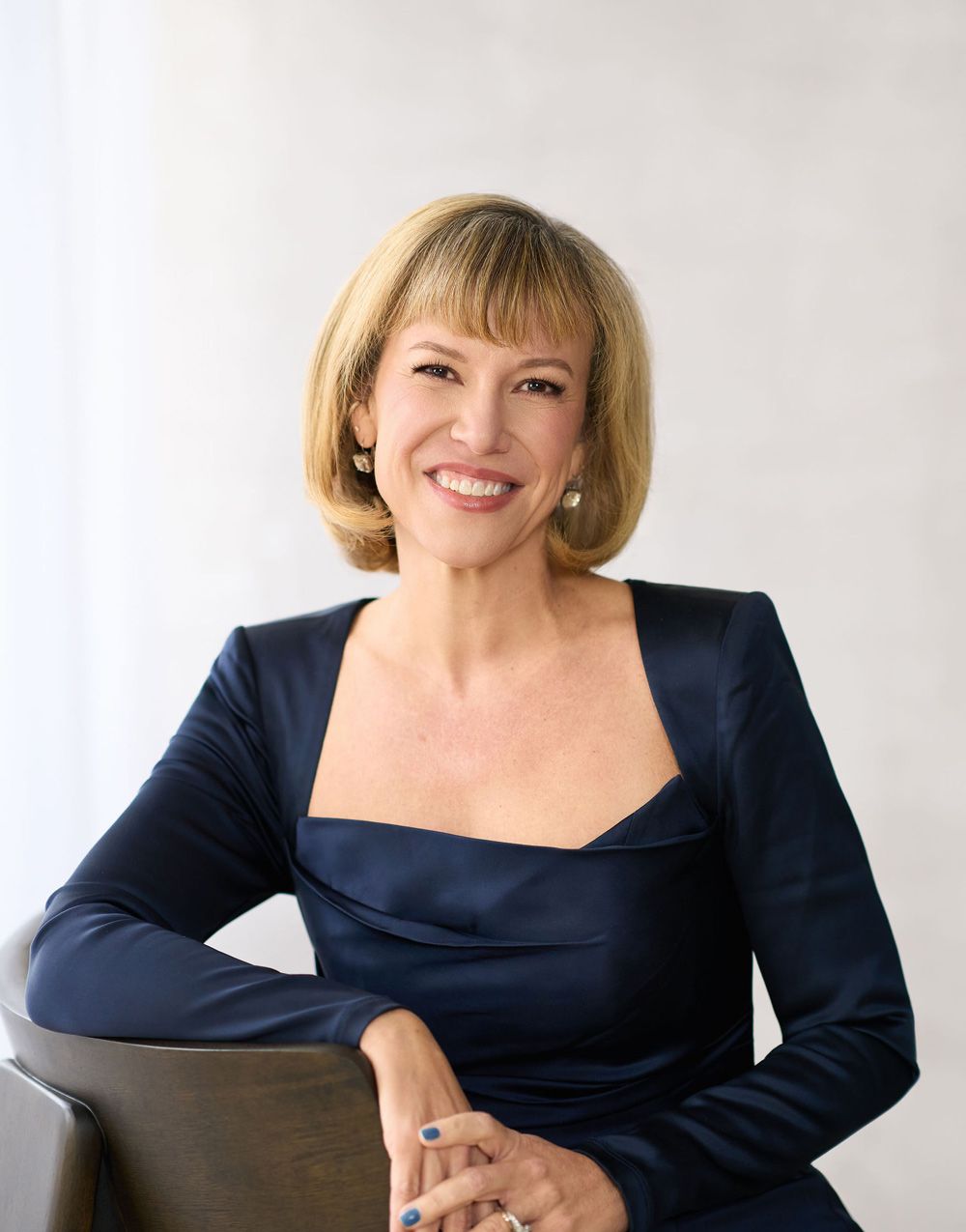
      • Sarah Yerkes

      Sarah Yerkes, Amr Hamzawy

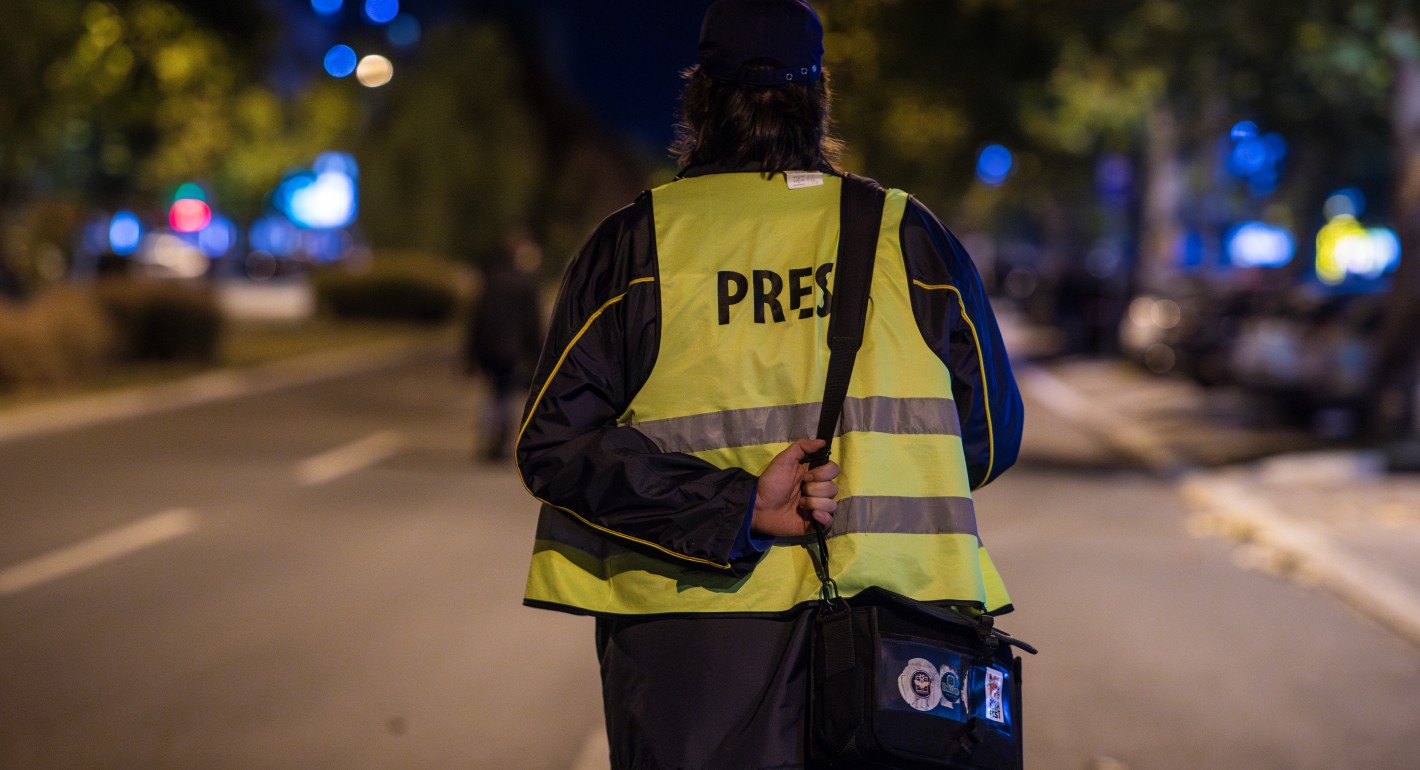
  • A person faces away from the camera wearing a yellow jacket with "PRESS" printed across the back
    Paper
    The Impact of Ending U.S. International Media Assistance

    The future looks bleak for independent media worldwide, but there is a robust infrastructure of knowledge, organizations, and people to build upon.

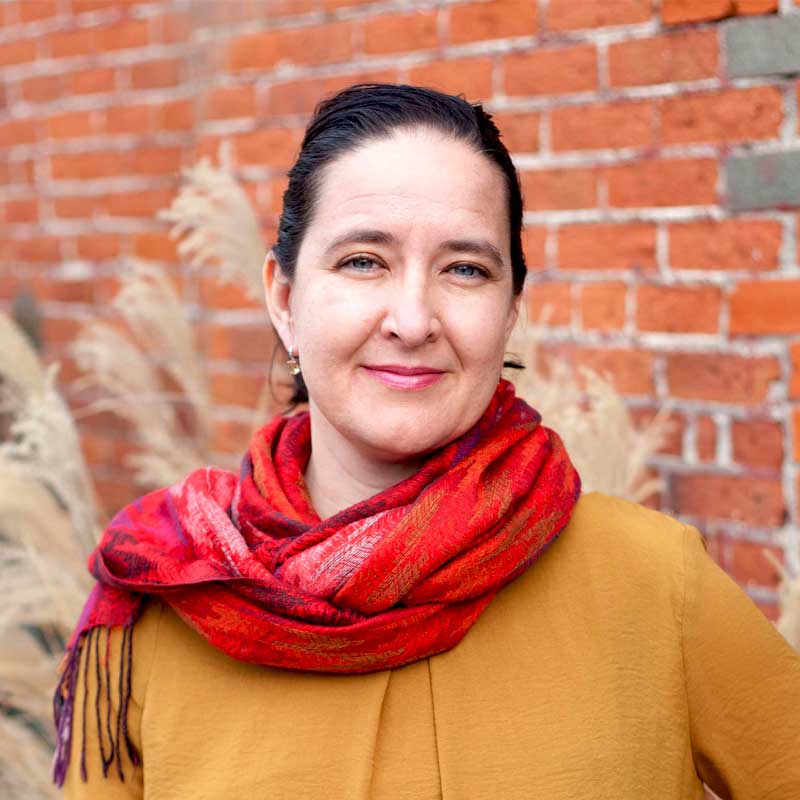
      Daniel Sabet, Susan Abbott
Get more news and analysis from
Carnegie Endowment for International Peace
Carnegie global logo, stacked
1779 Massachusetts Avenue NWWashington, DC, 20036-2103Phone: 202 483 7600Fax: 202 483 1840
  • Research
  • Emissary
  • About
  • Experts
  • Donate
  • Programs
  • Events
  • Blogs
  • Podcasts
  • Contact
  • Annual Reports
  • Careers
  • Privacy
  • For Media
  • Government Resources
Get more news and analysis from
Carnegie Endowment for International Peace
© 2026 Carnegie Endowment for International Peace. All rights reserved.