In The Media
Branko Milanovic
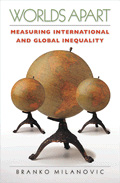
Top World Bank economist Branko Milanovic analyzes income distribution worldwide using, for the first time, household survey data from more than 100 countries. This offers a more accurate way of measuring inequality and discusses the relevant policies of first-world countries and NGOs.
Source: Princeton

Inequality has increased between nations over the last half century (richer countries have generally grown faster than poorer countries). And yet the two most populous nations, China and India, have also grown fast. But over the past two decades inequality within countries has increased. As complex as reconciling these three data trends may be, it is clear: the inequality between the world's individuals is staggering. At the turn of the twenty-first century, the richest 5 percent of people receive one-third of total global income, as much as the poorest 80 percent. While a few poor countries are catching up with the rich world, the differences between the richest and poorest individuals around the globe are huge and likely growing.
ABOUT THE AUTHOR
Branko Milanovic is Lead Economist in the World Bank research department, working on income inequality and poverty. The author of Income, Inequality, and Poverty during the Transition and the coauthor of Income and Influence: Social Policy in Emerging Market Economies, he is currently a senior associate with the Carnegie Endowment for International Peace and a visiting professor at the School for Advanced International Studies, Johns Hopkins University.
REVIEWS
"Don't be fooled by globalization's noisy naysayers or proponents, who invoke the rise or decline of 'global inequality' to make their case. Here, in the first comprehensive look at inequality across the world's individuals as well as the world's nations, are laid out the many definitions of global inequality, and comprehensive, evidence-based analysis about the course of global inequality, variously defined, before and during our globalization era."
—Nancy Birdsall, founding President of the Center for Global Development
"Branko Milanovic's painstaking work takes us closest to a global understanding of income disparities at the present time. Among many other things, his work underscores that while national level income disparities are often obscene, international differences account for much more of the even more obscene level of global income inequality."
—Jomo K. S., Assistant Secretary General for Economic Development, United Nations
"Worlds Apart is a real tour de force. It presents a new interpretation of trends in the distribution of income among the world's countries and individuals, and makes a strong argument that global income inequality can be and should be reduced. In this emerging issue area of international politics it will become a standard reference."
—Robert Hunter Wade, London School of Economics
"A fascinating read. This book is a helpful primer to help you find your way around the complex debates surrounding global inequality. It is also a forceful demonstration that the world economy remains much too unequal."
—Dani Rodrik, Harvard University
"An important book by a master of the relevant data. Milanovic provides hard answers to tough questions."
—Samuel Bowles, Santa Fe Institute, author of Microeconomics: Behavior, Institutions, and Evolution
Former Adjunct Scholar
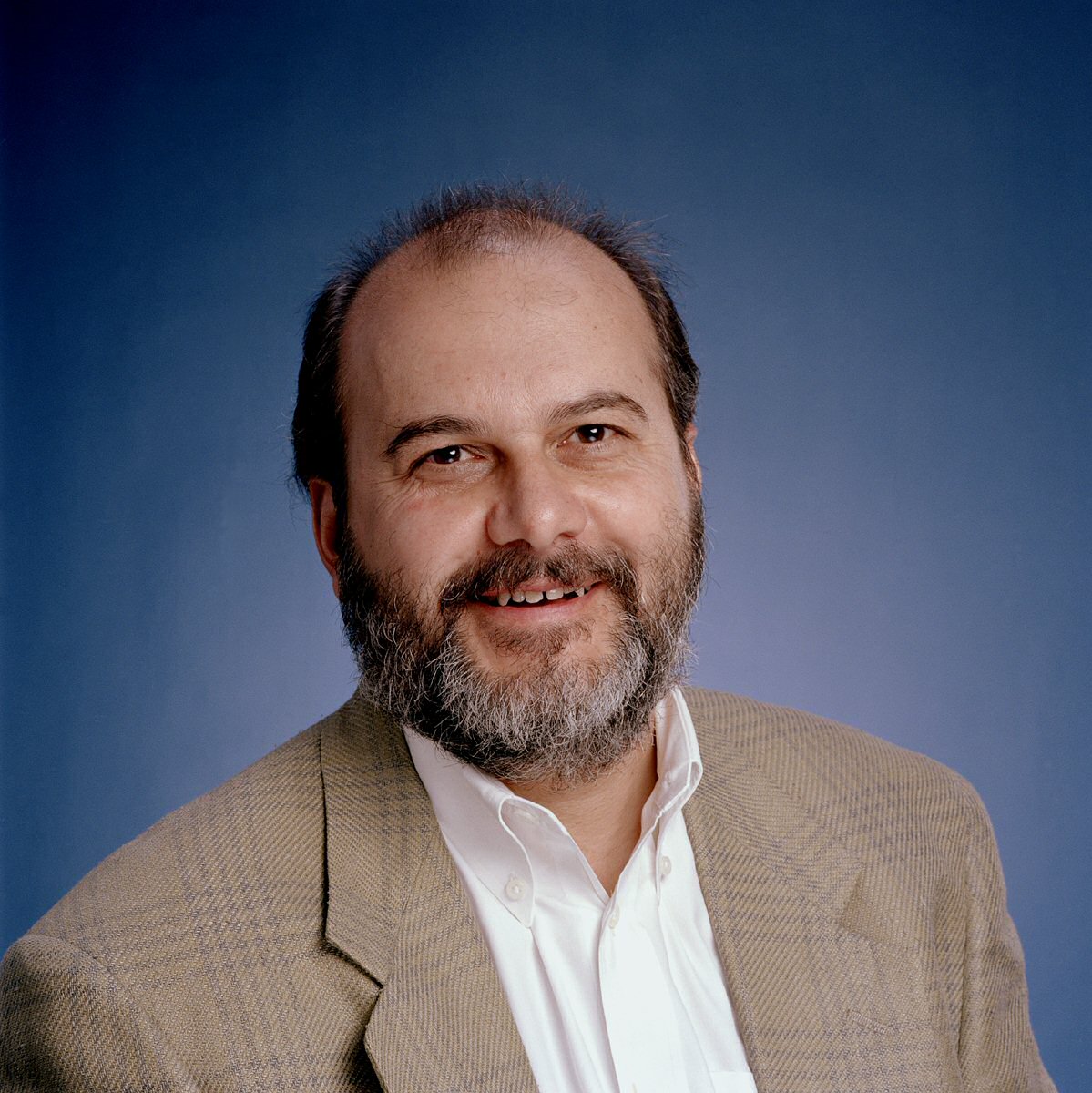
Milanovic is a lead economist in the World Bank's research department,where he has been working on the topics of income inequality and globalization. Previously, he was a World Bank country economist for Poland and a research fellow at the Institute of Economic Sciences in Belgrade.
Recent Work
Branko Milanovic
Branko Milanovic
Carnegie does not take institutional positions on public policy issues; the views represented herein are those of the author(s) and do not necessarily reflect the views of Carnegie, its staff, or its trustees.

Its reinstatement should be celebrated, but it retains some major shortcomings.
Leonardo Martinez-Diaz

Despite long-standing differences, China and Vietnam are reinforcing common ground for collaboration, especially in public security. This internal security–centered diplomacy offers a strengthened road map for how China moves forward with Southeast Asia.
Sophie Zhuang

Four Middle East experts analyze the region’s reactions and next steps.



Amr Hamzawy, Andrew Leber, Eric Lob, …
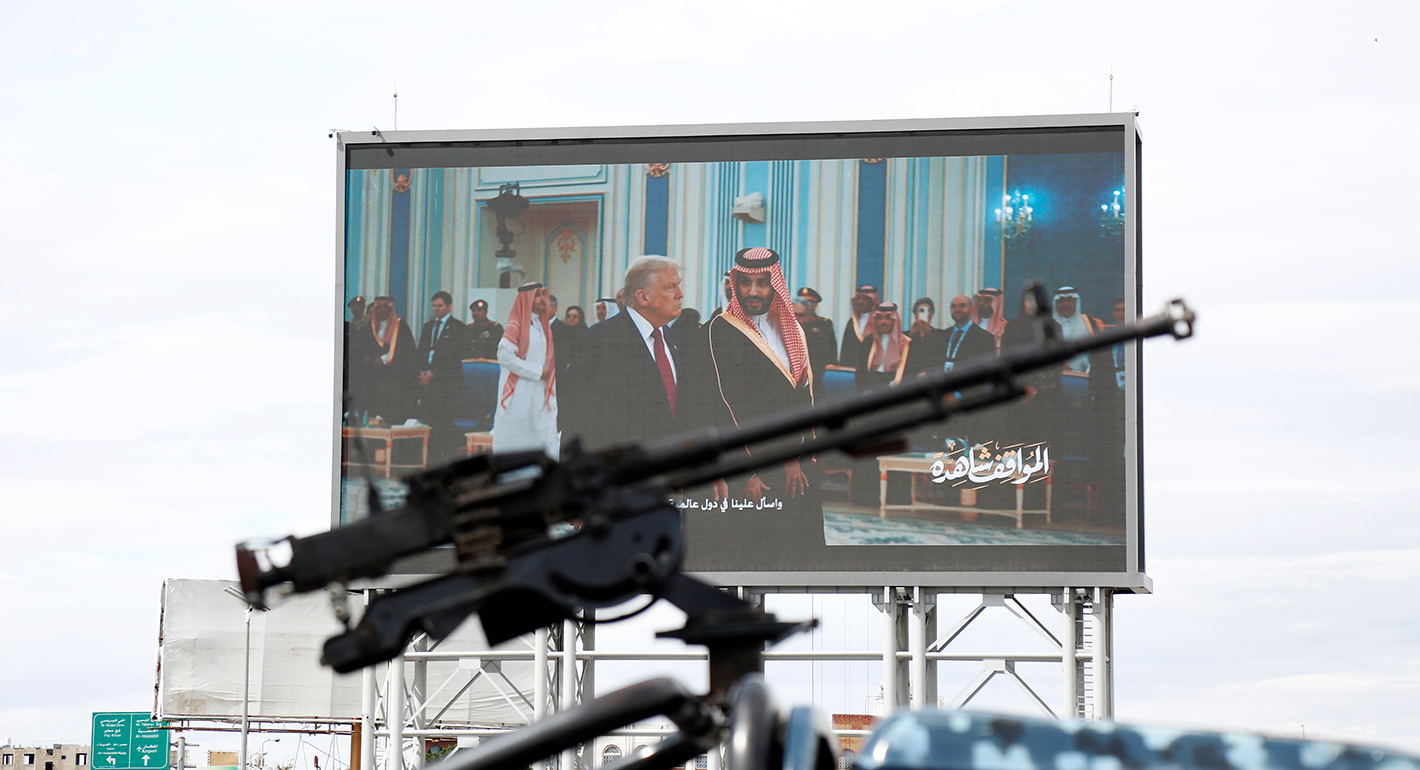
As the war between the United States, Israel, and Iran continues, Carnegie scholars contribute cutting-edge analysis on the events of the war and their wide-reaching implications. From the impact on Iran and its immediate neighbors to the responses from Gulf states to fuel and fertilizer shortages caused by the effective shutdown of the Strait of Hormuz, the war is reshaping Middle East alliances and creating shockwaves around the world. Carnegie experts analyze it all.
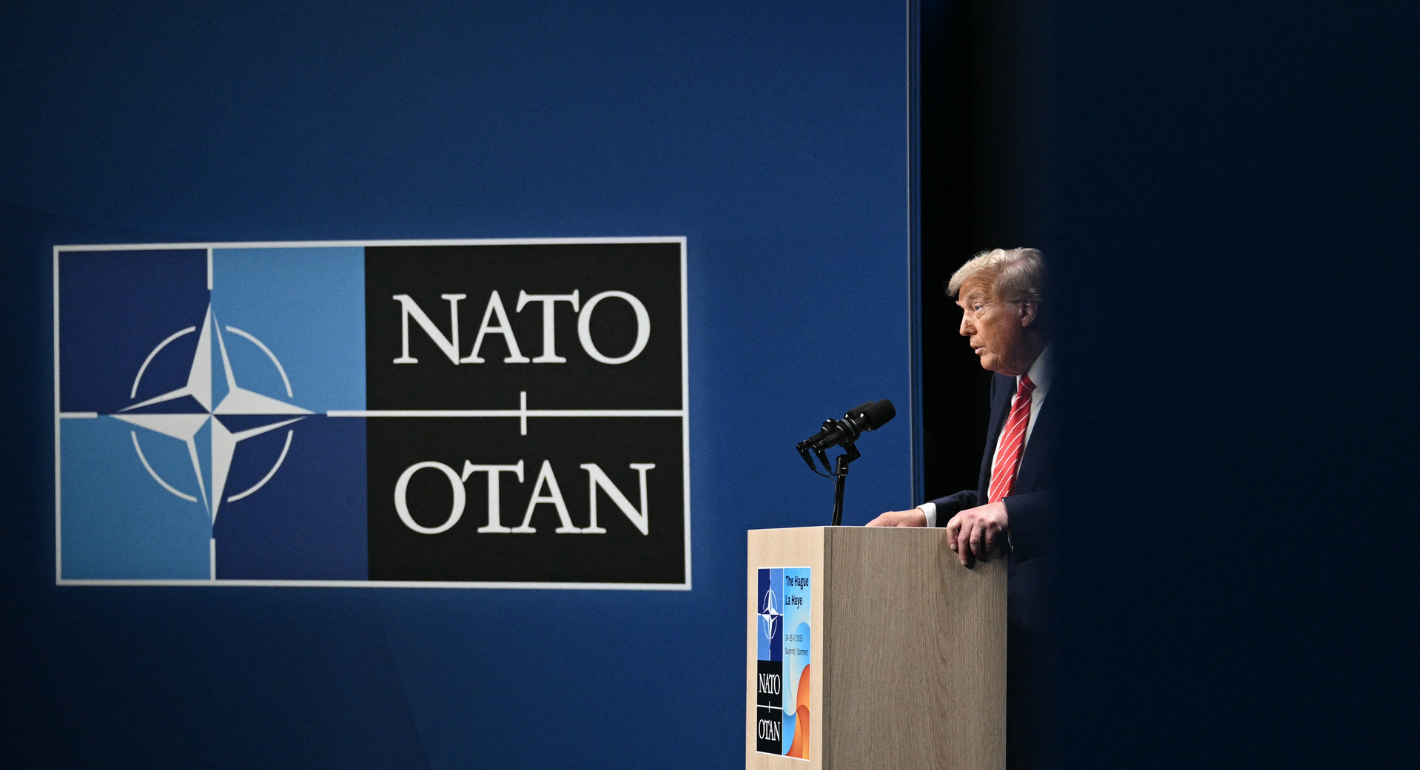
Donald Trump has repeatedly bashed NATO and European allies, threatening to annex Canada and Greenland and deploring their lack of enthusiasm for his war of choice in Iran. Is this latest round of abuse the final straw?

Rym Momtaz, ed.