Commentary
Montenegro and Albania are frontrunners for EU enlargement in the Western Balkans, but they can’t just sit back and wait. To meet their 2030 accession ambitions, they must make a strong positive case.
Dimitar Bechev, Iliriana Gjoni

REQUIRED IMAGE
Source: Carnegie Endowment
Summary
The Egyptian government has allowed the religious establishment to increase its control on Egyptian politics and society in an attempt to tighten the influence of more radical Islamist organizations. In this new Carnegie paper, Bassma Kodmani writes a case study on the relationship between religious authority and political authority in Egypt.
Kodmani outlines the motivations, interests, strategies, and agendas of the institutions that represent and speak for Islam and those that represent the state and act in its name. She concludes that, “Conservative Islamic authorities that claim to be nonpolitical are more problematic and dangerous for social progress than legally recognized parties participating in the democratic process would be.” Therefore, in order to secure responsible behavior from the state, the religious establishment, and the citizenry, Kodmani advocates greater space for political parties, including Islamist ones.
Click on link above for the full text of this Carnegie Paper.
About the Author
Bassma Kodmani is an associate professor at the College de France and director of the Arab Reform Initiative. She is an expert on Middle East politics and contributing writer to the Carnegie Endowment’s Middle East Political Reform Initiative (MEPRI).
Bassma Kodmani
Carnegie does not take institutional positions on public policy issues; the views represented herein are those of the author(s) and do not necessarily reflect the views of Carnegie, its staff, or its trustees.
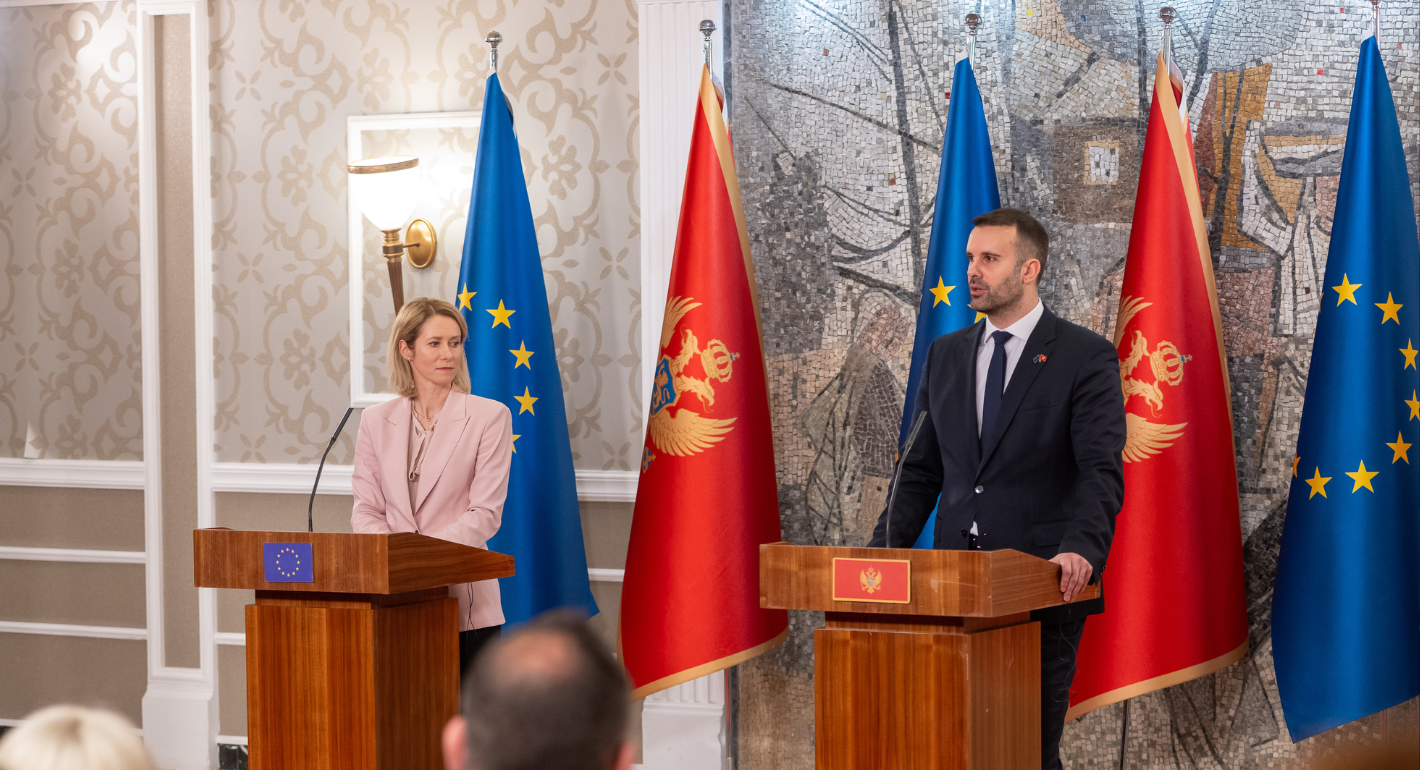
Montenegro and Albania are frontrunners for EU enlargement in the Western Balkans, but they can’t just sit back and wait. To meet their 2030 accession ambitions, they must make a strong positive case.


Dimitar Bechev, Iliriana Gjoni
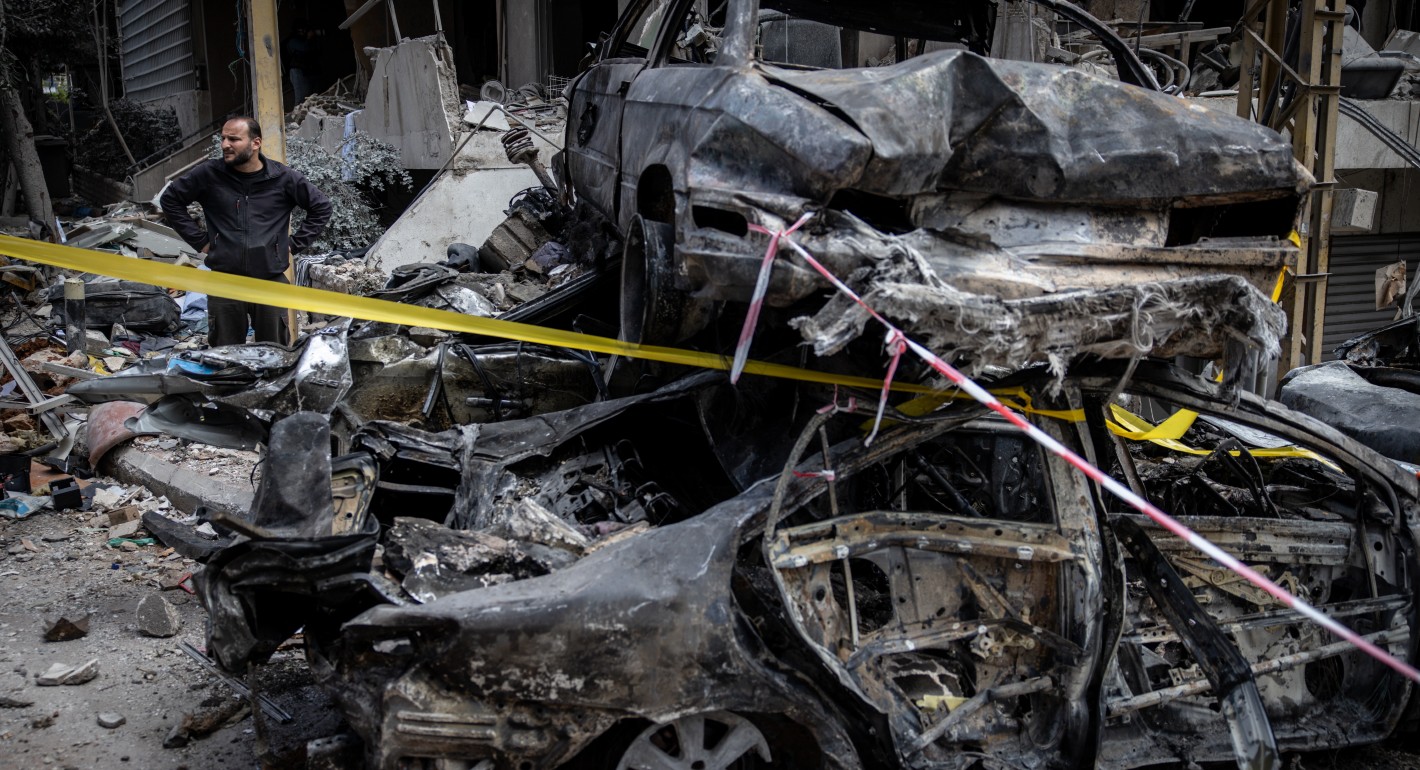
Four Middle East experts analyze the region’s reactions and next steps.



Amr Hamzawy, Andrew Leber, Eric Lob, …
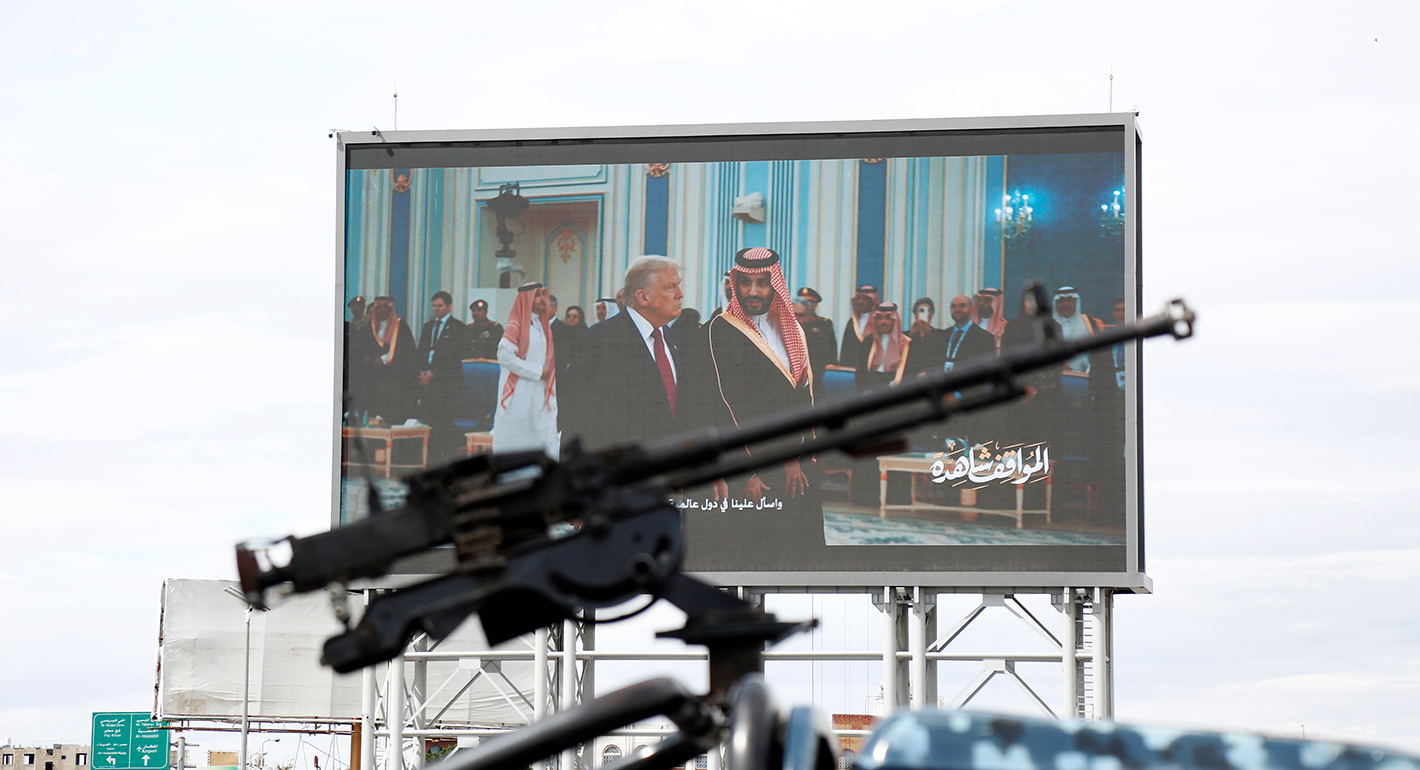
As the war between the United States, Israel, and Iran continues, Carnegie scholars contribute cutting-edge analysis on the events of the war and their wide-reaching implications. From the impact on Iran and its immediate neighbors to the responses from Gulf states to fuel and fertilizer shortages caused by the effective shutdown of the Strait of Hormuz, the war is reshaping Middle East alliances and creating shockwaves around the world. Carnegie experts analyze it all.
The return of war as the organizing factor in Middle Eastern politics has predictable consequences: governments are prioritizing regime stability and becoming averse to political and social reform.

Sarah Yerkes, Amr Hamzawy

The future looks bleak for independent media worldwide, but there is a robust infrastructure of knowledge, organizations, and people to build upon.


Daniel Sabet, Susan Abbott