

Commentary
Julia Choucair-Vizoso

REQUIRED IMAGE
The Lebanese political system, designed to ensure representation for a diverse population, makes it very difficult for one group to gain enough seats in parliament to govern effectively. Therefore, although Syria's withdrawal has restored Lebanon's sovereignty, it has also left a power vacuum that threatens the stability of the country.
Source: Carnegie Endowment
Summary
Syria's troop withdrawal in April 2005 allowed Lebanon to hold its first completely independent elections in three decades. However, the Lebanese political system, designed to ensure representation for a diverse population, makes it very difficult for one group to gain enough seats in parliament to govern effectively. Therefore, although Syria's withdrawal has restored Lebanon's sovereignty, it has also left a power vacuum that threatens the stability of the country.
In a new Carnegie Paper, Julia Choucair discusses the problems and prospects facing the largely fractured Lebanese political system. She outlines policies to realistically achieve security, electoral, and economic reform in Lebanon and discusses the role of international actors in Lebanon's political future.
Click on link above for the full text of this Carnegie Paper.
About the Author
Julia Choucair is a project associate in the Democracy and Rule of Law Project and serves as assistant editor of Carnegie's e-monthly, the Arab Reform Bulletin.
Former Editor in Chief, Sada
Julia Choucair Vizoso is editor in chief of the online journal, Sada. Her research interests include Middle Eastern politics, authoritarianism, and identity politics.
Recent Work
Julia Choucair-Vizoso
Julia Choucair-Vizoso
Carnegie does not take institutional positions on public policy issues; the views represented herein are those of the author(s) and do not necessarily reflect the views of Carnegie, its staff, or its trustees.
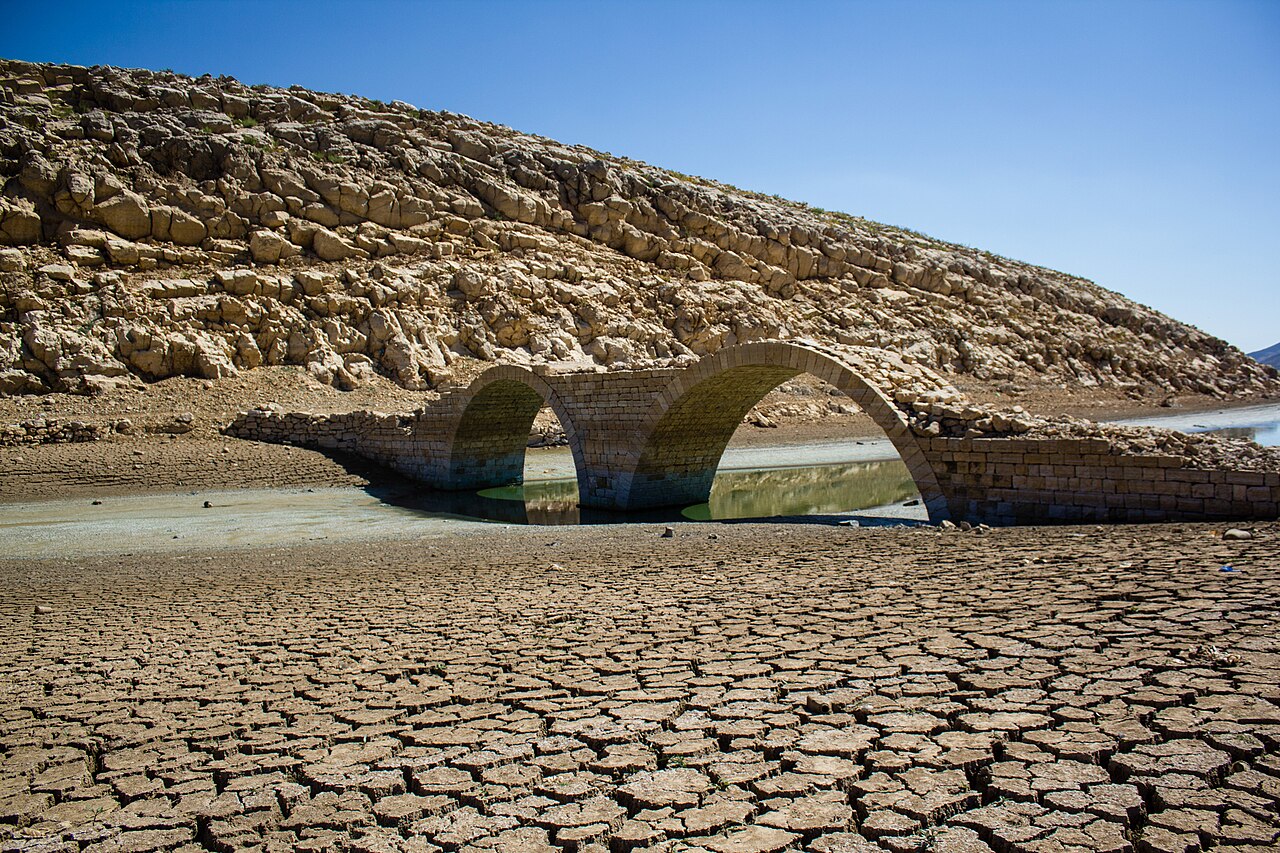
Lebanon’s largest water reservoir is a house of many mansions when it comes to converging failures.
Camille Ammoun
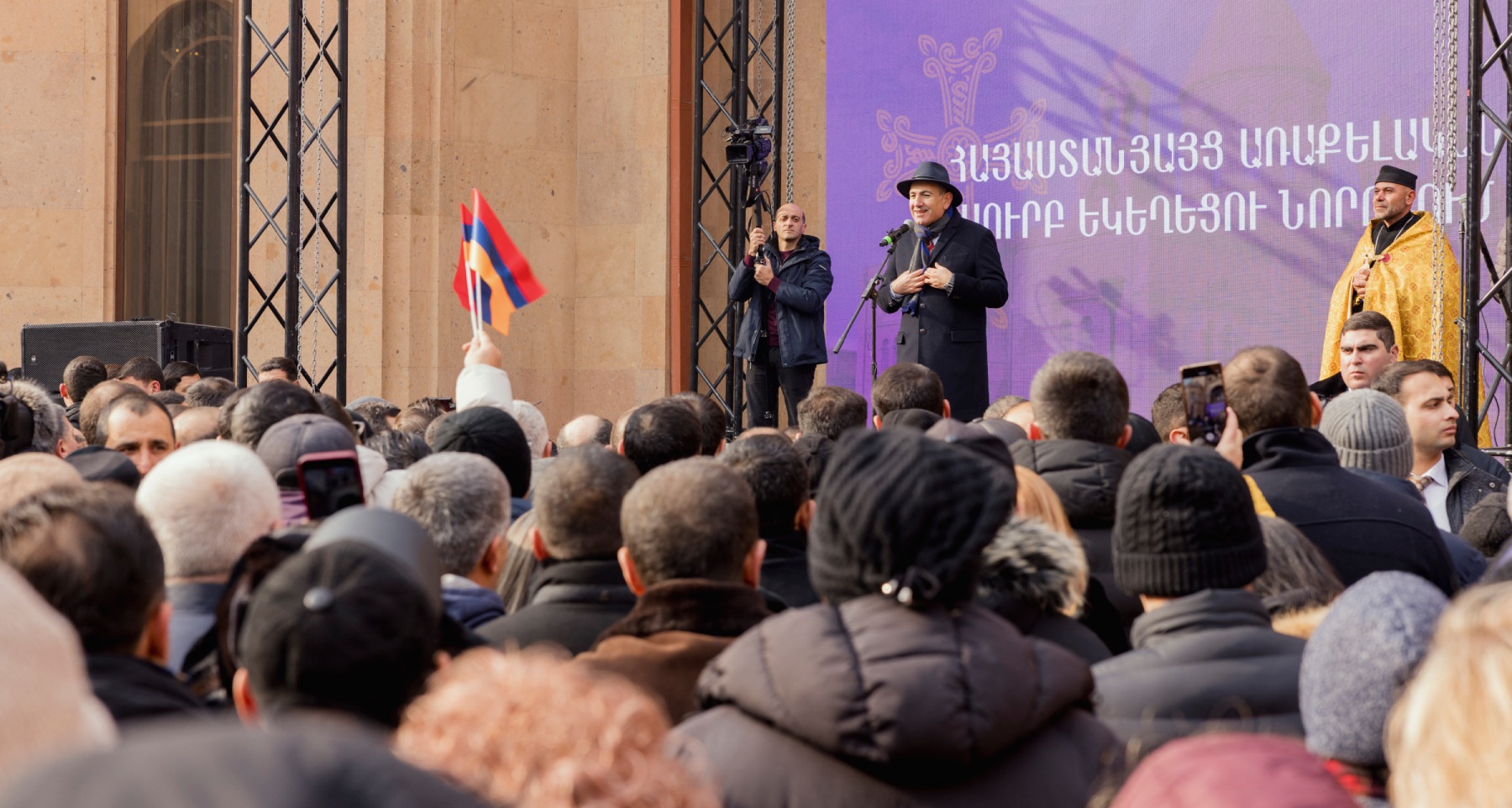
It’s true that many Armenians would vote for anyone just to be rid of Pashinyan, whom they blame for the loss of Nagorno-Karabakh, but the pro-Russia opposition is unlikely to be able to channel that frustration into an electoral victory.
Mikayel Zolyan
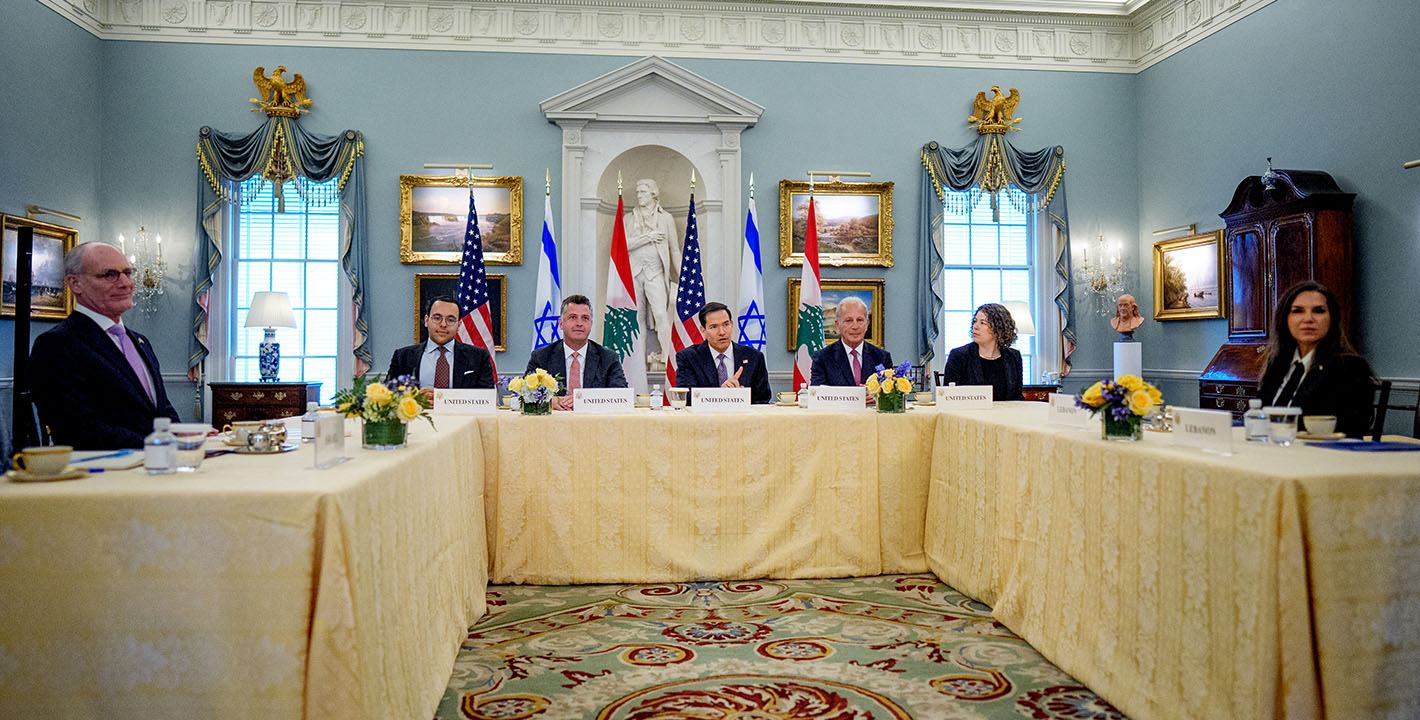
Beirut’s desire to break free from Iranian hegemony may push it into a situation where it has to accept Israel’s hegemony.

Michael Young
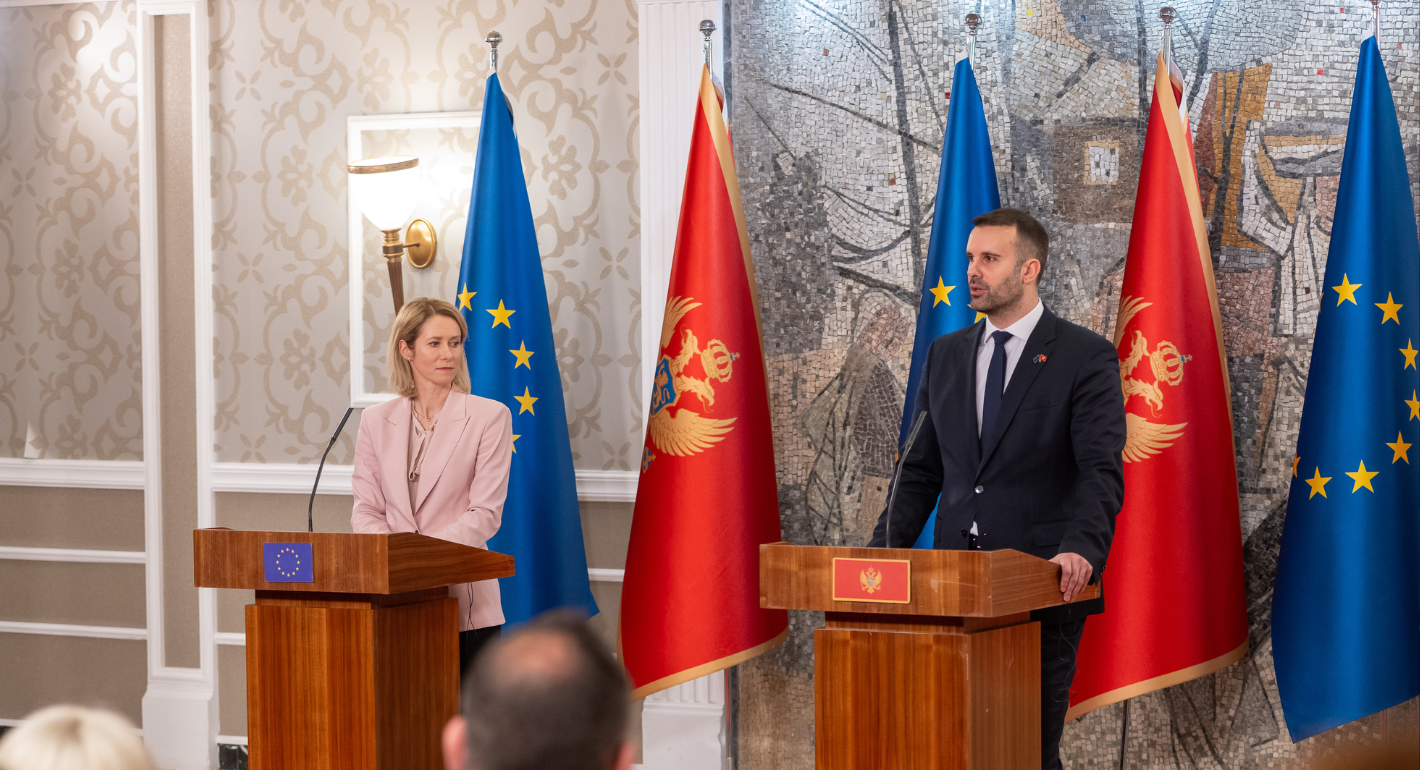
Montenegro and Albania are frontrunners for EU enlargement in the Western Balkans, but they can’t just sit back and wait. To meet their 2030 accession ambitions, they must make a strong positive case.


Dimitar Bechev, Iliriana Gjoni
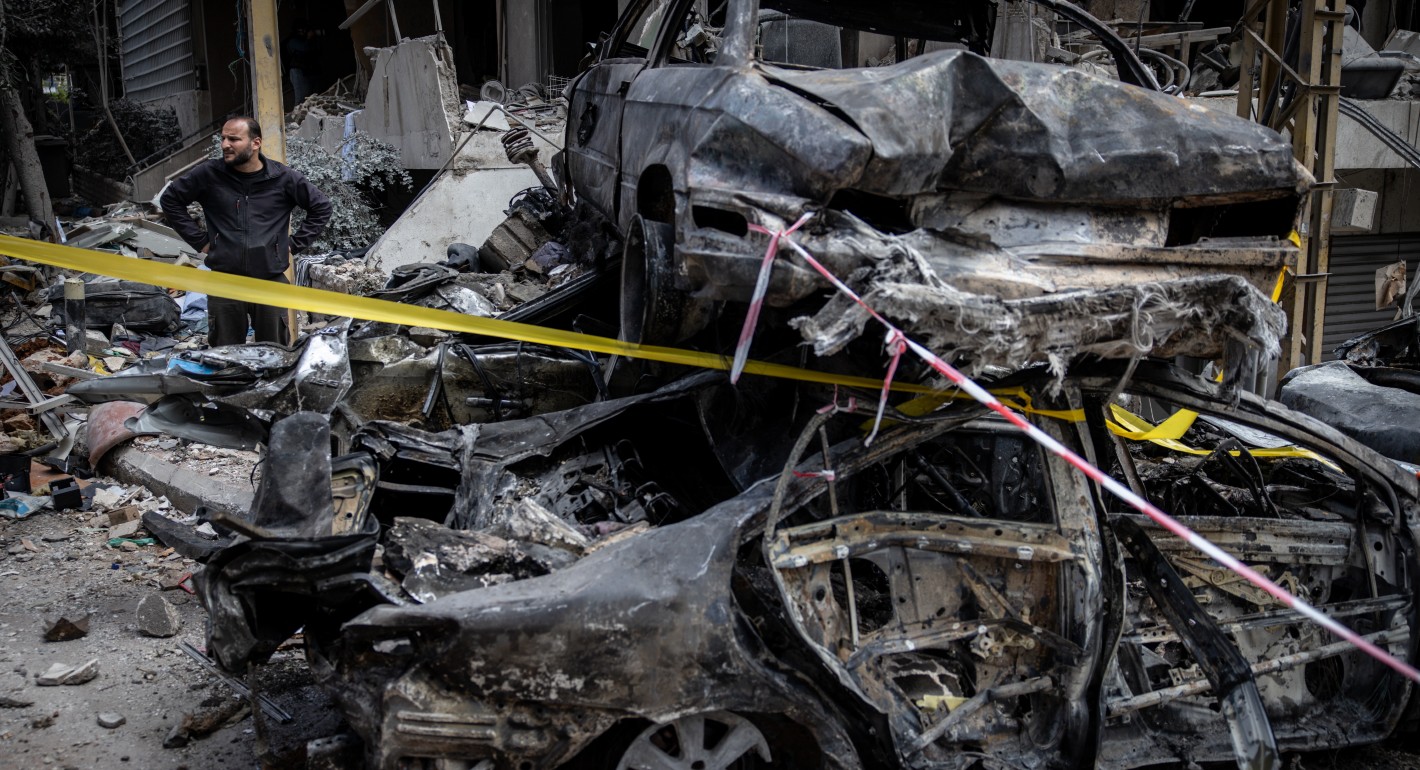
Four Middle East experts analyze the region’s reactions and next steps.



Amr Hamzawy, Andrew Leber, Eric Lob, …