

Commentary
With the growth in points of friction between the great powers, organizations like the SCO will continue to play a role in the strategic adaptation of the smaller powers caught between them.
Temur Umarov
{
  "authors": [],
  "type": "pressRelease",
  "centerAffiliationAll": "dc",
  "centers": [
    "Carnegie Endowment for International Peace"
  ],
  "collections": [],
  "englishNewsletterAll": "ctw",
  "nonEnglishNewsletterAll": "",
  "primaryCenter": "Carnegie Endowment for International Peace",
  "programAffiliation": "russia",
  "programs": [
    "Russia and Eurasia"
  ],
  "projects": [],
  "regions": [
    "Caucasus",
    "Russia"
  ],
  "topics": []
}
REQUIRED IMAGE
— NEWS RELEASE —
WASHINGTON, Sept 18—Valery Tishkov, former Russian Minister for Nationalities and current director of the Institute of Ethnology and Anthropology at the Russian Academy of Sciences, has joined the Carnegie Endowment for International Peace as a visiting scholar with the Carnegie Russia and Eurasia Program, the Endowment announced today.
Welcoming the announcement, Ambassador James F. Collins, director of the Russia and Eurasia Program, said, “We are delighted to be expanding the collaboration between Valery Tishkov and the Carnegie Endowment that began at our Moscow Center and continues here in Washington, D.C. Dr. Tishkov, a distinguished expert on nationalism and ethnic identity in Russia, has made major contributions to understanding questions of political culture and ethnicity in Russia. His work with Carnegie will provide unique and valuable insights for the policy and scholarly communities in Washington and internationally.”
Tishkov, an expert on Russia ethnic and civic identity, previously served on the advisory board for the United Nations High Commissioner for Refugees, was a member of the Russian State Committee on Migration Policy, and chairman of the State Committee for Nationality Affairs in the Russian government.
###
Notes:

With the growth in points of friction between the great powers, organizations like the SCO will continue to play a role in the strategic adaptation of the smaller powers caught between them.

Temur Umarov
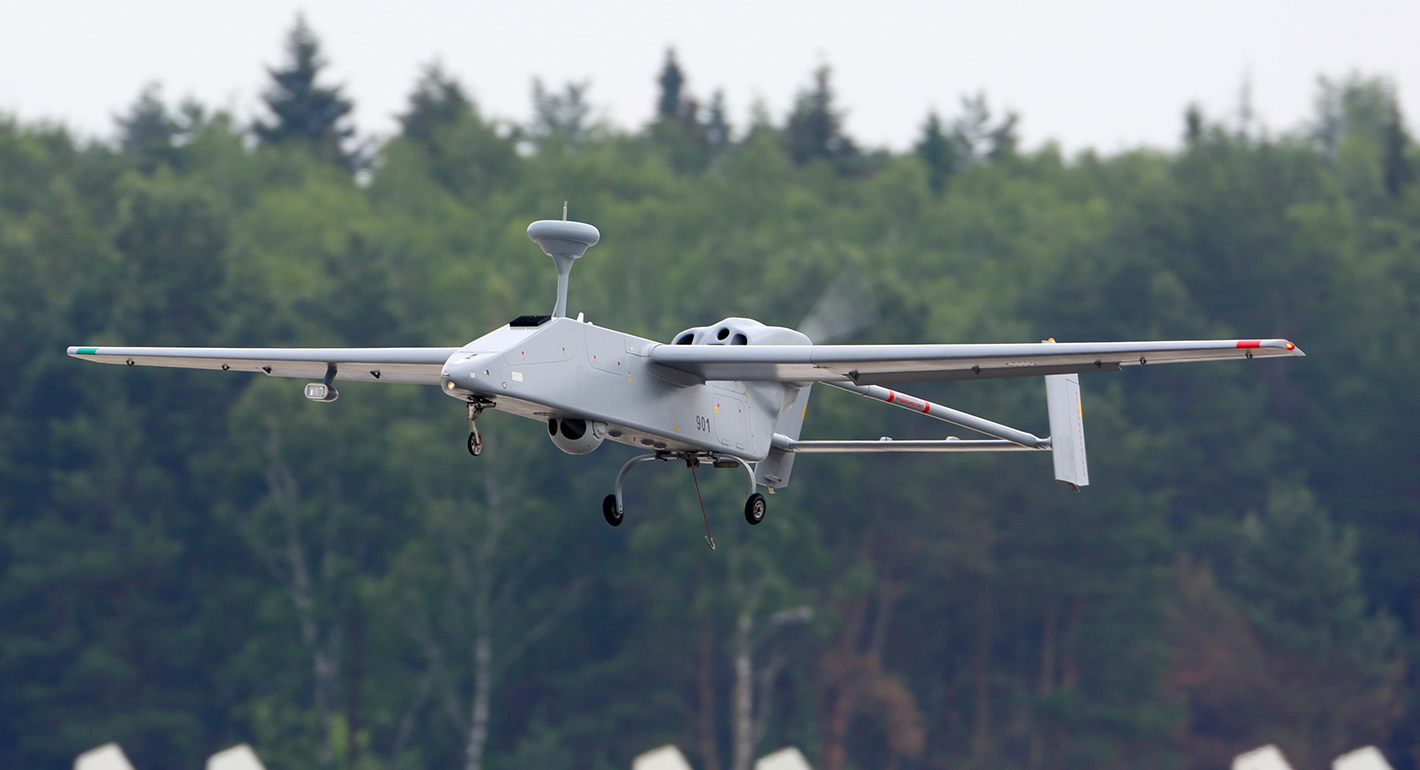
Moscow is testing Europe’s defenses with drone incursions and could decide to use drones against the continent on a much larger scale once the war in Ukraine pauses. European countries will need Kyiv to help them prepare for such a possibility.
Pavlo Zvenyhorodskyi

The war in Ukraine and a change in ownership led VK to neglect its commercial ventures in favor of implementing the Kremlin’s online agenda. Now it’s been sanctioned by the EU.

Maria Kolomychenko

Xi, Putin, and other regional leaders are back-slapping in Bishkek, but the SCO has yet to answer the most serious questions about continental Asia's economic future.

Evan A. Feigenbaum

The EU’s responses to two recent incidents expose the gulf between European perceptions and capabilities. Unless the union can bridge that gap, it will never become a real geostrategic power.

Rym Momtaz