• Research
  • Emissary
  • About
  • Experts
Carnegie Global logoCarnegie lettermark logo
DemocracyIran
  • Donate
{
  "authors": [
    "Minxin Pei"
  ],
  "type": "legacyinthemedia",
  "centerAffiliationAll": "dc",
  "centers": [
    "Carnegie Endowment for International Peace"
  ],
  "collections": [],
  "englishNewsletterAll": "asia",
  "nonEnglishNewsletterAll": "",
  "primaryCenter": "Carnegie Endowment for International Peace",
  "programAffiliation": "AP",
  "programs": [
    "Asia"
  ],
  "projects": [],
  "regions": [
    "North America",
    "United States",
    "China"
  ],
  "topics": [
    "Foreign Policy"
  ]
}
Source: Getty

In The Media

An Unlikely New Ally

Although most of the world sees U.S. behavior under President Bush as "an unmitigated disaster," China has benefited dramatically from declining U.S. influence, meaning Chinese leaders are quite satisfied with U.S.-China relations.  Below the top levels of government, Chinese views of America are more ambivilent, falling into three categories: the sophisticated realists, the conservative nationalists, and the cosmopolitan elite.

Link Copied
By Minxin Pei
Published on Jan 21, 2008
Program mobile hero image

Program

Asia

The Asia Program in Washington studies disruptive security, governance, and technological risks that threaten peace, growth, and opportunity in the Asia-Pacific region, including a focus on China, Japan, and the Korean peninsula.

Learn More

Source: Newsweek

Although most of the world sees U.S. behavior under President Bush as "an unmitigated disaster," China has benefited dramatically from declining U.S. influence, meaning Chinese leaders are quite satisfied with U.S.-China relations.  Below the top levels of government, Chinese views of America are more ambivilent, falling into three categories: the sophisticated realists, the conservative nationalists, and the cosmopolitan elite.

Click here to read this article, which appeared in Newsweek.
About the Author

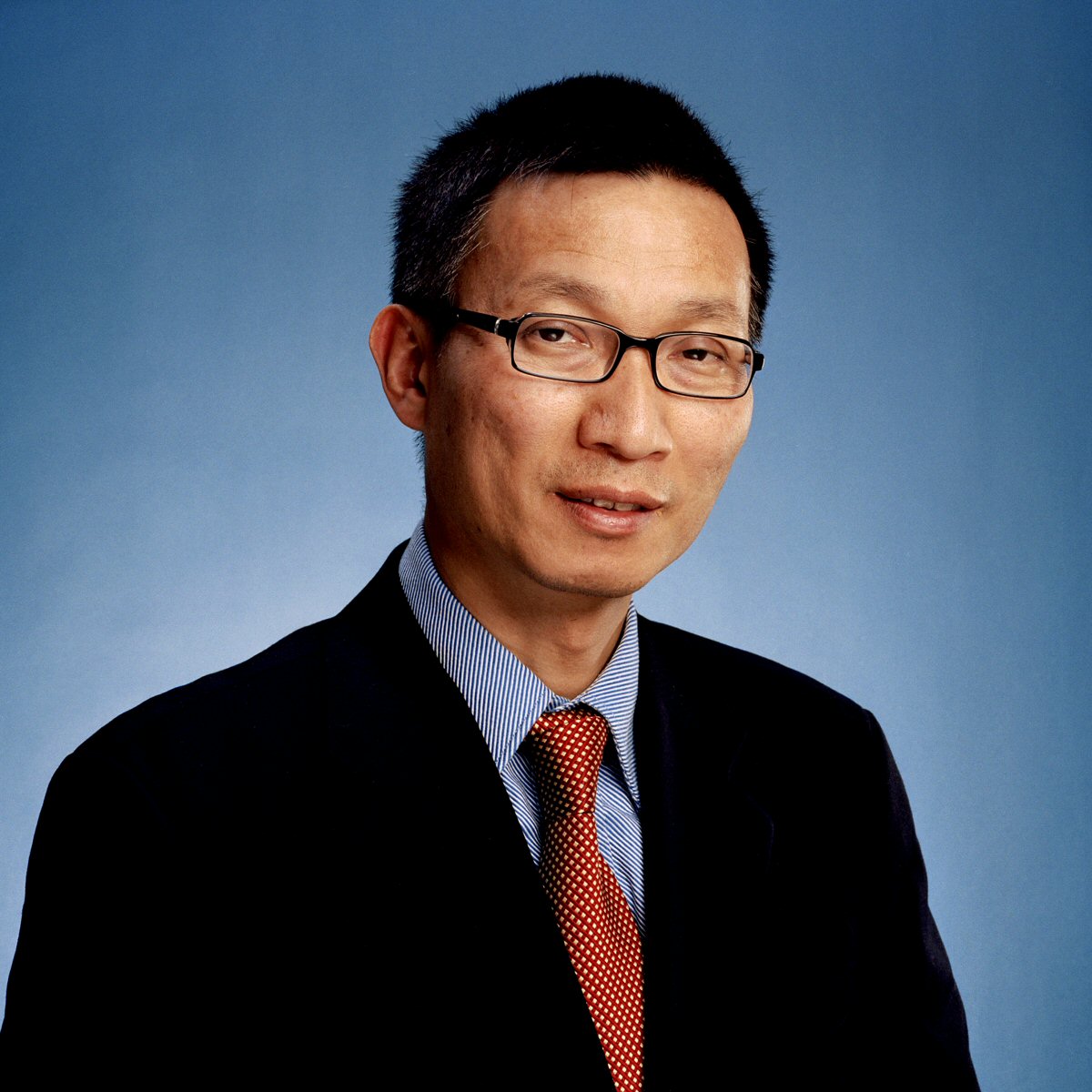
Minxin Pei

Former Adjunct Senior Associate, Asia Program

Pei is Tom and Margot Pritzker ‘72 Professor of Government and the director of the Keck Center for International and Strategic Studies at Claremont McKenna College.

    Recent Work

  • In The Media
    How China Can Avoid the Next Conflict

      Minxin Pei

  • In The Media
    Small Change

      Minxin Pei

Minxin Pei
Former Adjunct Senior Associate, Asia Program
Minxin Pei
Foreign PolicyNorth AmericaUnited StatesChina

Carnegie does not take institutional positions on public policy issues; the views represented herein are those of the author(s) and do not necessarily reflect the views of Carnegie, its staff, or its trustees.
More Work from Carnegie Endowment for International Peace

  • Commentary
    Strategic Europe
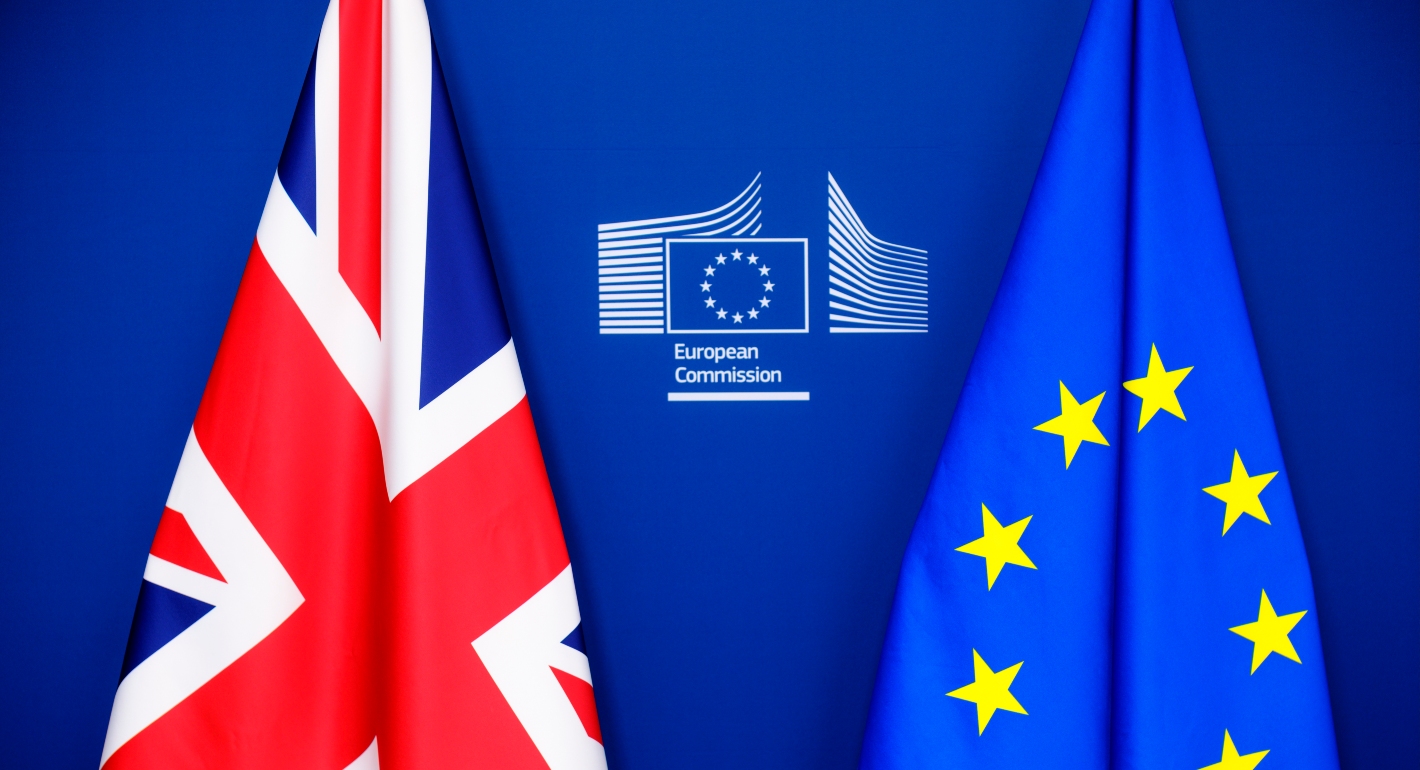
    Taking the Pulse: Is the EU Ready for Rapprochement With the UK?

    Closer EU-UK ties could help address urgent European concerns. But is the EU ready for rapprochement with the United Kingdom?

      • Rym Momtaz

      Rym Momtaz, ed.

  • Commentary
    Diwan
    A Military Balance Sheet in the U.S. and Israeli War With Iran

    In an interview, Jim Lamson discusses the ongoing regional conflict and sees an unclear picture when it comes to winners and losers. 

      Michael Young
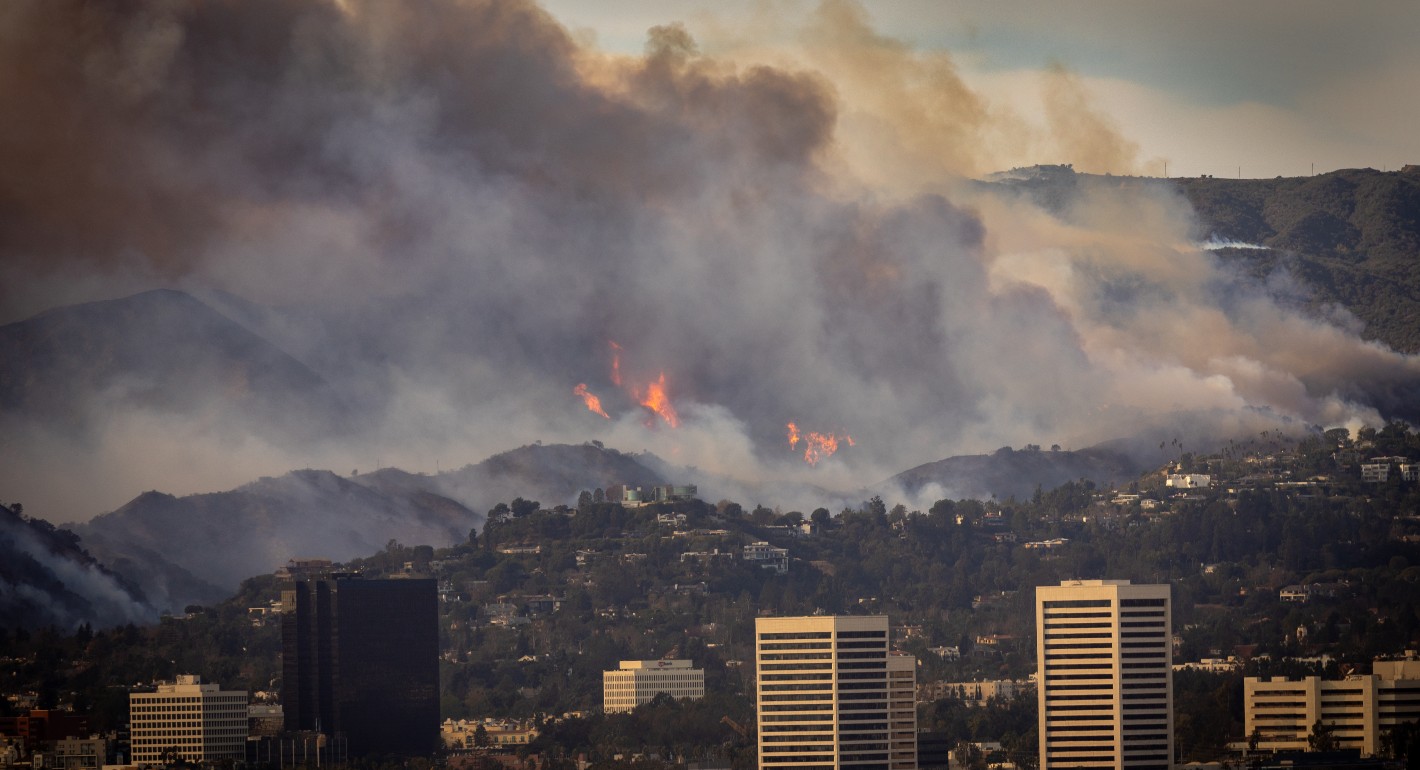
  • Wide shot of a wildfire burning a hillside near buildings
    Commentary
    What We Lost When Washington Walked Away From Climate-Health Efforts

    Our new report offers a path forward for local officials and future policymakers.

      • +2

      Joe McCannon, Jenny Keroack, Lauren Jensen, …
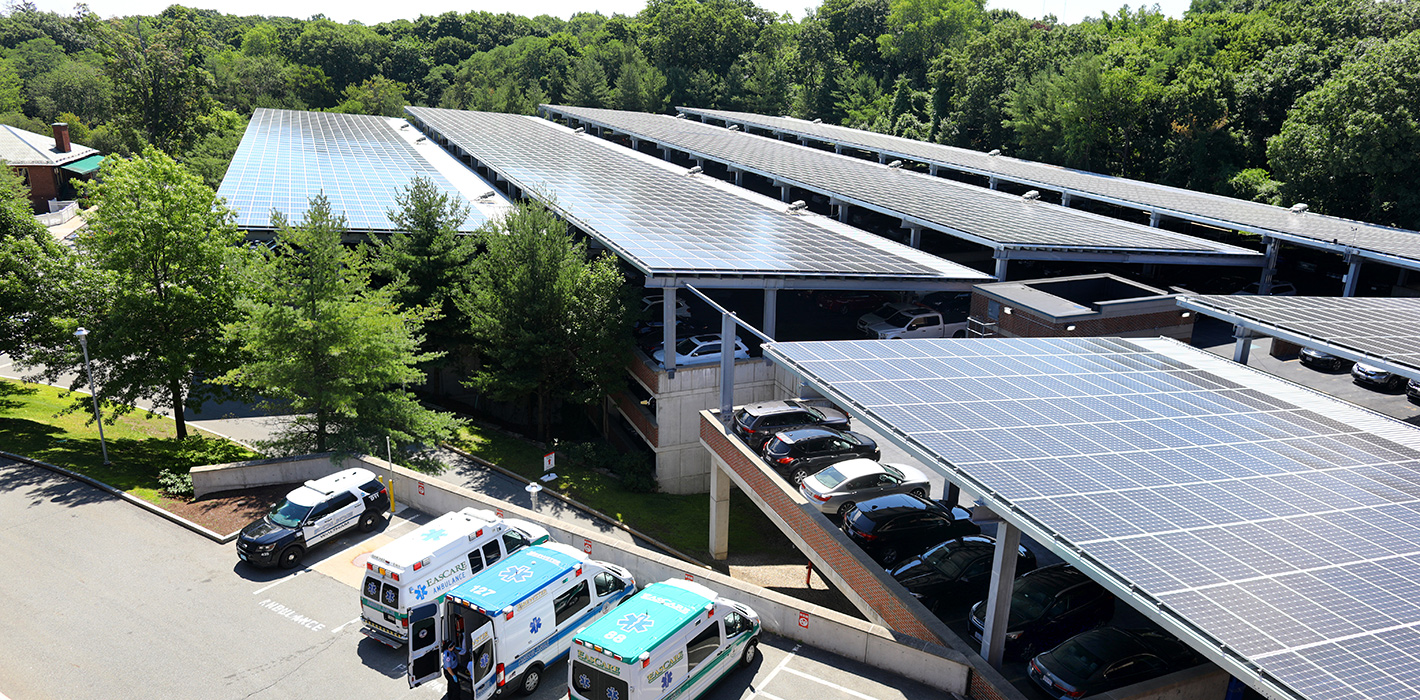
  • Newton-Wellesley Hospital has a bevy of solar panels atop their employee parking garage
    Paper
    Advancing Climate Health for Vulnerable Groups in the United States: Looking Back and Looking Ahead

    Present and future policymakers seeking to address climate-related health challenges can draw lessons from the successes and failures of the Biden administration.

      • +1

      Joe McCannon, Jenny Keroack, Lauren Jensen, …
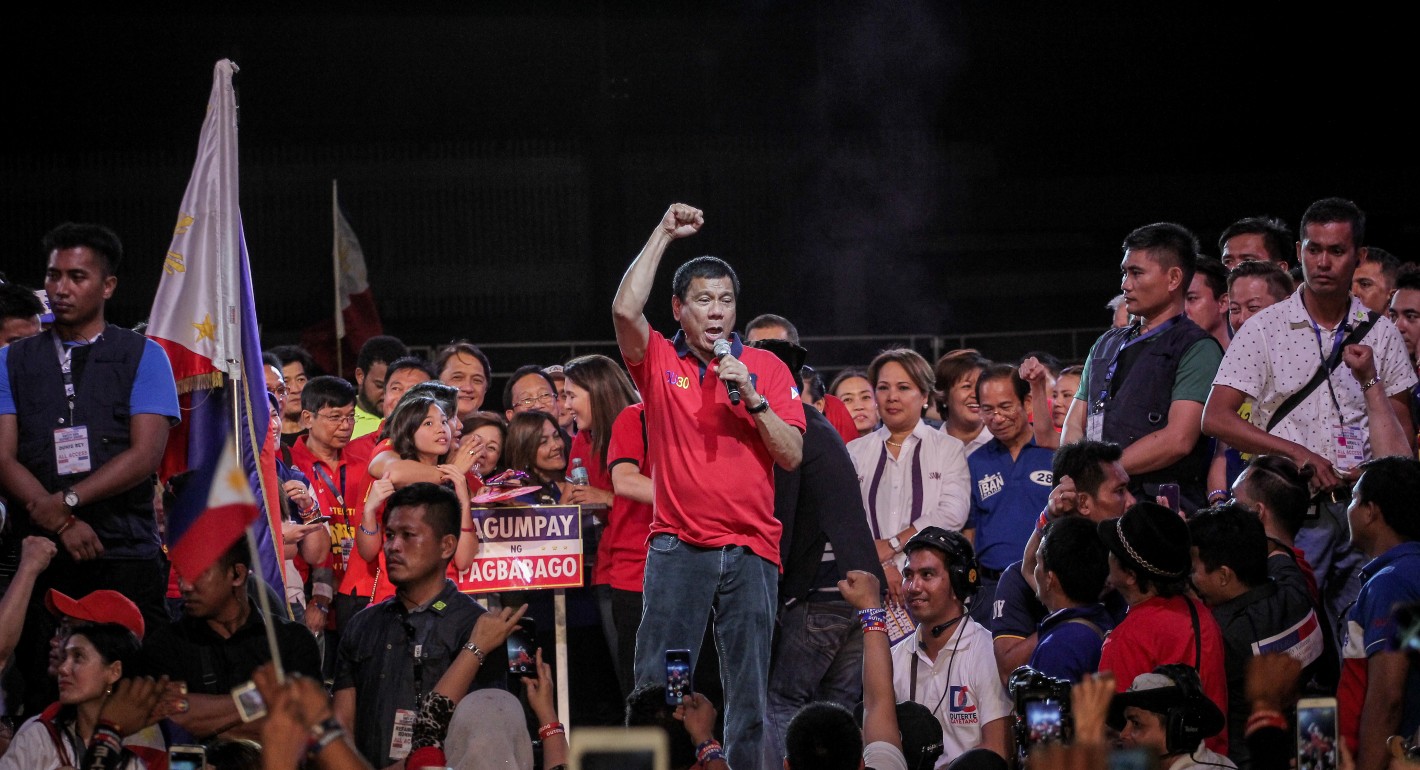
  • Duterte stands with his fist raised and a crowd of people stand behind him
    Paper
    Duterte’s Populist Foreign Policy as Illiberal Defiance: Consequences and Prospects

    In the Philippines, Duterte-era discourse emphasizing sovereignty, anti-Western skepticism, and strongman diplomacy mirrors tenets of populist foreign policy around the world.
      Aries A. Arugay

Get more news and analysis from
Carnegie Endowment for International Peace
Carnegie global logo, stacked
1779 Massachusetts Avenue NWWashington, DC, 20036-2103Phone: 202 483 7600Fax: 202 483 1840
  • Research
  • Emissary
  • About
  • Experts
  • Donate
  • Programs
  • Events
  • Blogs
  • Podcasts
  • Contact
  • Annual Reports
  • Careers
  • Privacy
  • For Media
  • Government Resources
Get more news and analysis from
Carnegie Endowment for International Peace
© 2026 Carnegie Endowment for International Peace. All rights reserved.