Commentary
Montenegro and Albania are frontrunners for EU enlargement in the Western Balkans, but they can’t just sit back and wait. To meet their 2030 accession ambitions, they must make a strong positive case.
Dimitar Bechev, Iliriana Gjoni
{
  "authors": [
    "Amr Hamzawy",
    "Mohammed Herzallah"
  ],
  "type": "other",
  "centerAffiliationAll": "dc",
  "centers": [
    "Carnegie Endowment for International Peace",
    "Malcolm H. Kerr Carnegie Middle East Center"
  ],
  "collections": [],
  "englishNewsletterAll": "menaTransitions",
  "nonEnglishNewsletterAll": "",
  "primaryCenter": "Malcolm H. Kerr Carnegie Middle East Center",
  "programAffiliation": "MEP",
  "programs": [
    "Middle East"
  ],
  "projects": [],
  "regions": [
    "Middle East",
    "Egypt"
  ],
  "topics": [
    "Political Reform"
  ]
}
Source: Getty
The Egyptian government’s crackdown on the Muslim Brotherhood in advance of the April 8 local elections was motivated by its determination to exclude the Brotherhood from the 2011 presidential election and is likely to persist until the matter of presidential succession is settled. The Brotherhood bowed under pressure and boycotted the elections, a lesson the regime is not likely to forget.
The Egyptian government’s crackdown on the Muslim Brotherhood in advance of the April 8 local elections was motivated by its determination to exclude the Brotherhood from the 2011 presidential election and is likely to persist until the matter of presidential succession is settled, argue two Carnegie experts.
In Egypt’s Local Elections Farce: Causes and Consequences, Carnegie’s Amr Hamzawy and Mohammed Herzallah argue that Egypt’s controversial April 8 elections underscore the present backward slide and a broad deterioration in Egyptian politics.
Key points:
• Current social and political unrest in Egypt is not the consequence of reform driven activism like that of 2004 and 2005, but a reaction to worsening economic conditions by independent and discordant activists. The regime’s repressive response—using security forces and various coercive methods to preempt or smother strikes—has failed to stabilize the street. The decentralized nature of these protests makes it more difficult for the regime to contain them, but also prevents the formation of a cohesive opposition movement with clear objectives.
• The regime has consistently failed to resolve the problems of relentless inflation, high unemployment, and crippled welfare system in the country. Minor steps taken by the government continue to fall short of the comprehensive social and economic reform needed.
• The Egyptian regime’s return to authoritarian methods impairs organized political opposition in the country, which in turn erodes the prospects of sustainable national and political recovery. But opposition forces are also partly responsible for their present condition. Their lack of credibility and discipline has undermined their ability to establish a reliable opposition front.
• The Brotherhood’s last-minute boycott of the local elections revealed the movement’s lack of consistency in its strategic thinking. The Brotherhood’s decision to boycott these elections conspicuously contradicts its previous commitment to advancing reform through political participation at all costs.
Reflecting on the Brotherhood’s boycott, the authors strike a cautionary note on the consequences.
“To the degree that the movement intended to retaliate for the regime’s flagrant actions, its decision may not pay off. After all, keeping the Muslim Brotherhood out of the local councils was the intention of the ruling establishment in the first place. What’s more, the movement is setting a dangerous precedent that the regime will certainly keep in mind: through sufficient political persecution and repression, the authorities can count on the Brotherhood to take itself voluntarily out the political equation,” they conclude.

Director, Middle East Program
Amr Hamzawy is a senior fellow and the director of the Carnegie Middle East Program. His research and writings focus on governance in the Middle East and North Africa, social vulnerability, and the different roles of governments and civil societies in the region.
Mohammed Herzallah
Former Junior Fellow, Middle East
Carnegie does not take institutional positions on public policy issues; the views represented herein are those of the author(s) and do not necessarily reflect the views of Carnegie, its staff, or its trustees.
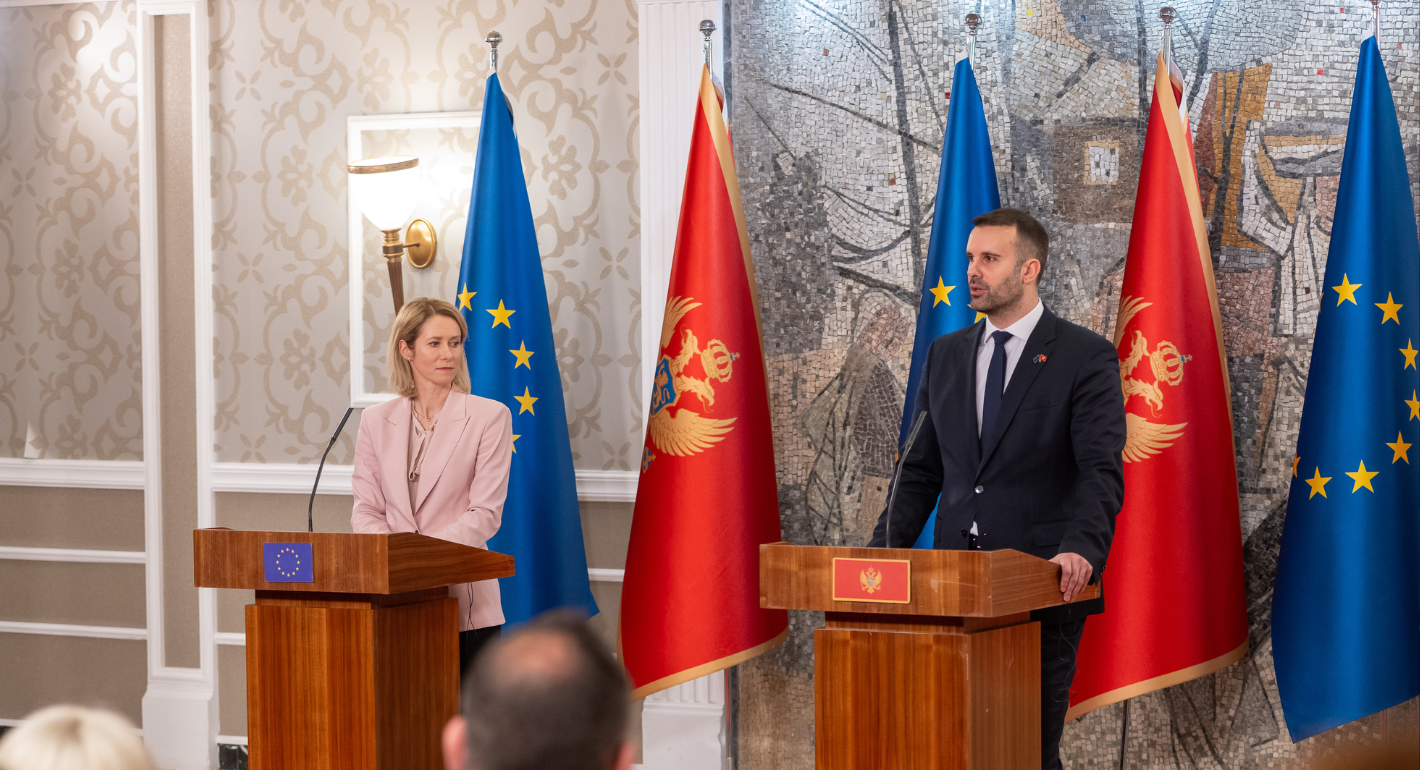
Montenegro and Albania are frontrunners for EU enlargement in the Western Balkans, but they can’t just sit back and wait. To meet their 2030 accession ambitions, they must make a strong positive case.


Dimitar Bechev, Iliriana Gjoni
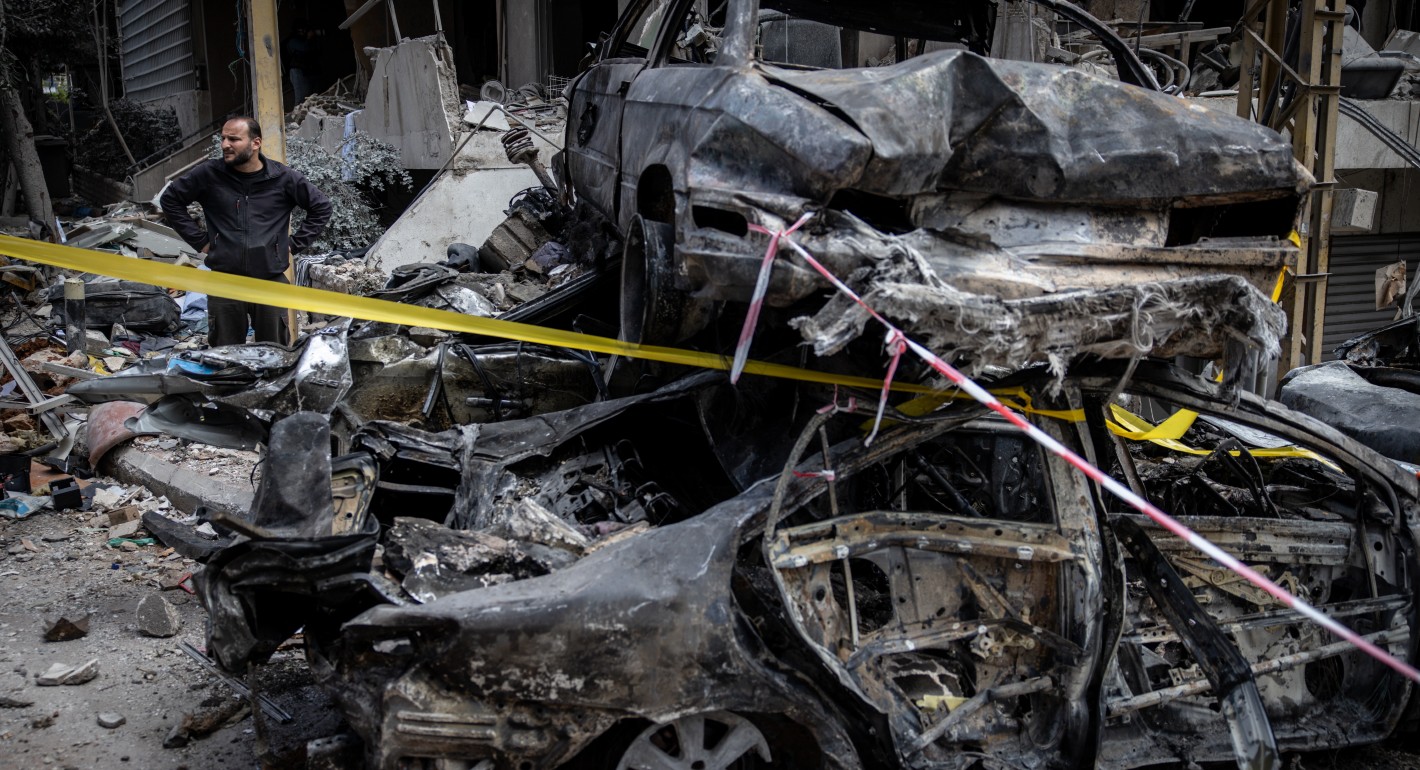
Four Middle East experts analyze the region’s reactions and next steps.


Amr Hamzawy, Andrew Leber, Eric Lob, …
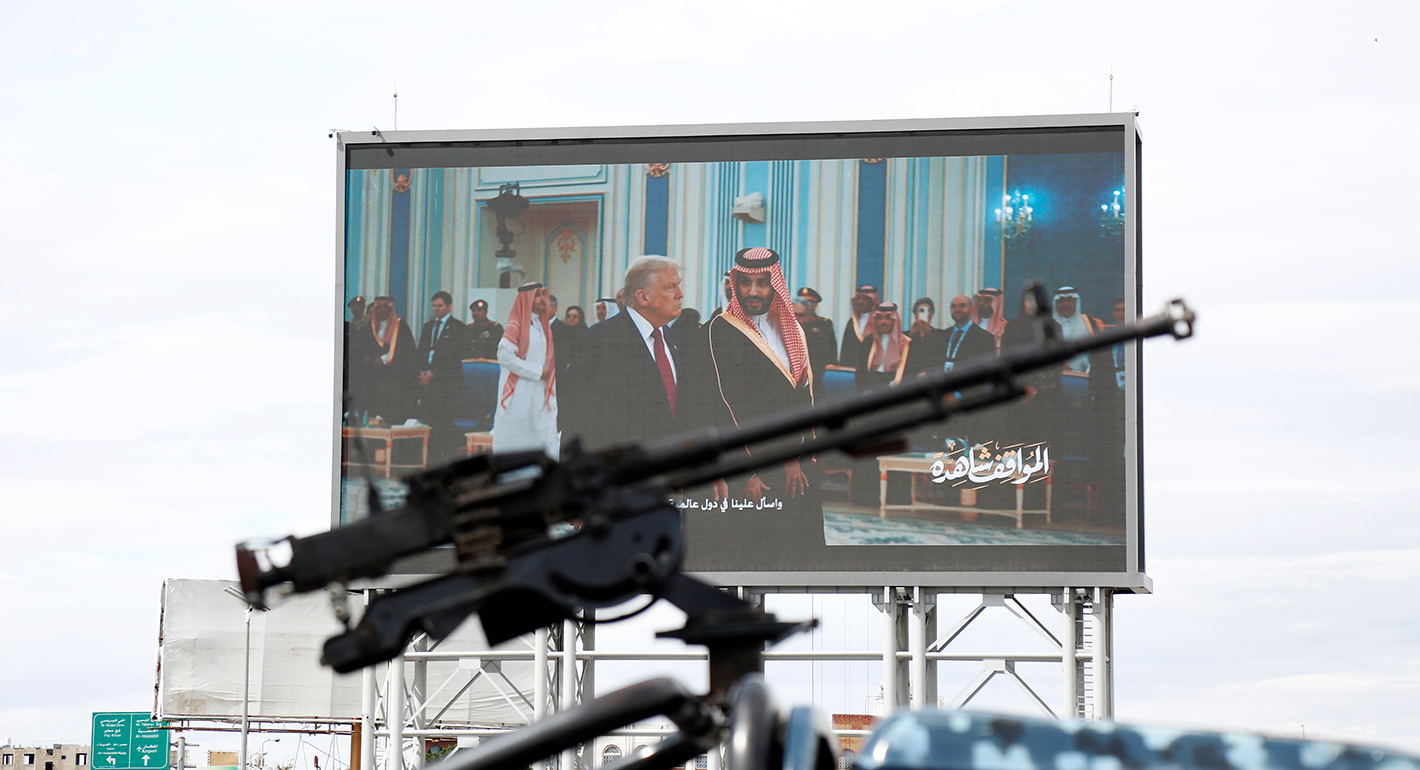
As the war between the United States, Israel, and Iran continues, Carnegie scholars contribute cutting-edge analysis on the events of the war and their wide-reaching implications. From the impact on Iran and its immediate neighbors to the responses from Gulf states to fuel and fertilizer shortages caused by the effective shutdown of the Strait of Hormuz, the war is reshaping Middle East alliances and creating shockwaves around the world. Carnegie experts analyze it all.
The return of war as the organizing factor in Middle Eastern politics has predictable consequences: governments are prioritizing regime stability and becoming averse to political and social reform.

Sarah Yerkes, Amr Hamzawy
Why the Iran ceasefire isn’t a quick fix to the Strait of Hormuz energy crisis.


Helima Croft, Aaron David Miller