

Commentary
Cairo’s efforts send a message to the United States and the region that it still has a place at the diplomatic table.
Angie Omar
{
  "authors": [
    "Amr Hamzawy",
    "Mohammed Herzallah"
  ],
  "type": "legacyinthemedia",
  "centerAffiliationAll": "dc",
  "centers": [
    "Carnegie Endowment for International Peace"
  ],
  "collections": [],
  "englishNewsletterAll": "democracy",
  "nonEnglishNewsletterAll": "",
  "primaryCenter": "Carnegie Endowment for International Peace",
  "programAffiliation": "DCG",
  "programs": [
    "Democracy, Conflict, and Governance",
    "Middle East"
  ],
  "projects": [],
  "regions": [
    "Egypt"
  ],
  "topics": [
    "Political Reform",
    "Democracy"
  ]
}
REQUIRED IMAGE
President Bush concludes his Middle East trip with a visit to Egypt, who is an important anchor for the moderate coalition resisting the growing influence of Iran in the region. Despite its strong relationship with the U.S., Egypt has experienced unprecedented civil unrest in recent months as democratization efforts have effectively hit rock bottom in the nation.
Source: Washington Post
President Bush will conclude his trip to the Middle East this week with a brief stop in Egypt, which, along with Saudi Arabia, constitutes an important anchor for the moderate coalition resisting the growing influence of Iran in the region. Notwithstanding its geopolitical significance, Egypt has experienced unprecedented civil unrest in recent months and, despite its strong relationship with the United States, democratization efforts have effectively hit rock bottom in the nation.
On April 6, a number of Egyptian organizations, including various independent unions, syndicates and networks of young activists, organized a national strike day to express their frustration with deteriorating socio-economic conditions. Hundreds of strikes and protests have been carried out over the past two years, but none escalated to the levels witnessed early April. The primary demand of workers has been to link their wages to commodity price levels. Based on a recent press release by the Central Bank of Egypt, the Consumer Price Index has reached punishing heights in the past few months, arriving at 12.1 percent in February, up from 10.1 percent in January. This problem has intensified public accusations of mismanagement and corruption that the regime has yet to address adequately.
Remarkably, the regime seems to have abandoned the option of using political reforms to defuse socioeconomic tensions. Instead it has consistently tried to contain social strife through a combination of repressive measures that included arbitrary arrests, and minor economic conciliatory measures like expanding the welfare beneficiary pool and raising wages in the public sector. This stands in contrast to what happened in the 2003-2005 period. The political openings of those years followed the economic difficulties the country was experiencing as a result of the government's decision to float the national currency. Among the political reforms introduced in this period was eased control over opposition activities, constitutional amendments allowing multicandidate presidential elections, and toleration of political participation by the major Islamist opposition movement, the Muslim Brotherhood.
A similar wave of political reforms by the regime seems far less likely today, as a trouble-free presidential succession, anticipated for 2011, seems to surpass any other considerations. In fact, developments on the ground suggest that the regime has completely recoiled from the reform agenda and returned to old authoritarian habits.
In 2007, the ruling National Democratic Party (NDP) used its control of parliament to ratify controversial amendments to 34 articles of the constitution, dealing a serious blow to political reform in Egypt. In addition, the state security apparatus carried out an arrest and intimidation campaign targeting many of the regime's political opponents, especially members and leaders of the Muslim Brotherhood. During the first several months of 2008, authoritarian practices became even more prevalent. A number of media outlets came under pressure and some journalists and bloggers were briefly arrested early in the year. But, it was the April local elections that belied the regime's resolve to enforce its control and reassert its monopoly over power.
The Egyptian regime engaged in a calculated effort to prevent most opposition candidates from registering and running in the local elections, to preclude meaningful political gains by the opposition. Nearly a thousand opposition activists, primarily from the Muslim Brotherhood, were arrested. Of more than five thousand potential Muslim Brotherhood candidates, fewer than two dozen names were approved by the authorities. The remaining opposition groups had less than 1,000 candidates on the final ballots. The NDP, on the other hand, had over 53,000 registered candidates. Needless to say, the vast majority of the 52,000 local council seats were won by NDP candidates running unopposed.
The Egyptian regime's current practices are likely to have severe consequences, felt long after the presidential succession has taken place. The capacity of organized opposition forces to mobilize the public and resolve collective grievances in a peaceful manner continues to wane. Many liberal and leftist forces are losing credibility having grown dependent on the government for their political survival. More critically, it remains to be seen whether the Muslim Brotherhood can sustain moderation within its ranks given the government's consistently hostile response to its participation in the political process.
In all likelihood, President Bush will not try to interfere in Egyptian domestic affairs at this unstable stage in the Middle East's history. Nevertheless, as U.S. officials follow the developments in Lebanon and Palestine unfold, they would do well to keep an eye on Egypt, and think of new ways resuscitate the reform agenda there in the near future.

Director, Middle East Program
Amr Hamzawy is a senior fellow and the director of the Carnegie Middle East Program. His research and writings focus on Egypt’s and other middle powers’ involvement in regional security in the Middle East, particularly through collective diplomacy and multilateral conflict resolution
Mohammed Herzallah
Former Junior Fellow, Middle East
Carnegie does not take institutional positions on public policy issues; the views represented herein are those of the author(s) and do not necessarily reflect the views of Carnegie, its staff, or its trustees.
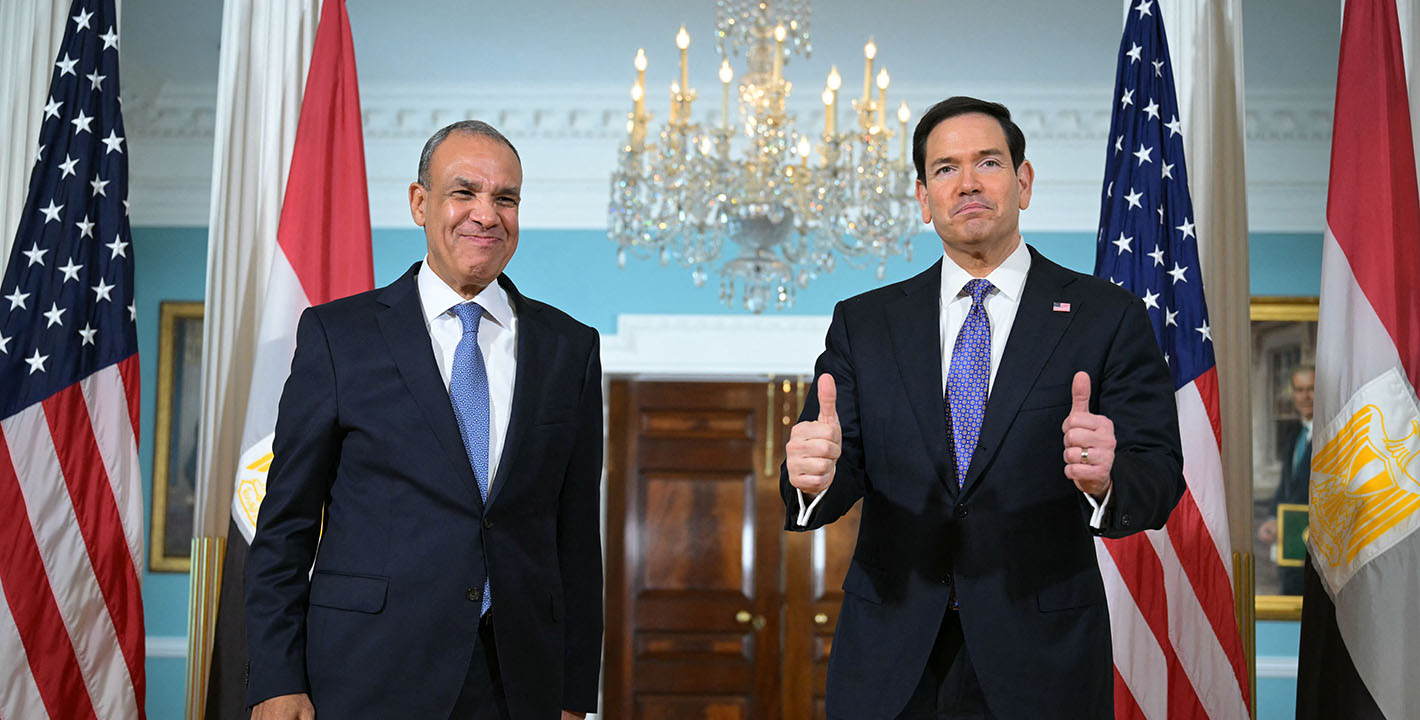
Cairo’s efforts send a message to the United States and the region that it still has a place at the diplomatic table.

Angie Omar
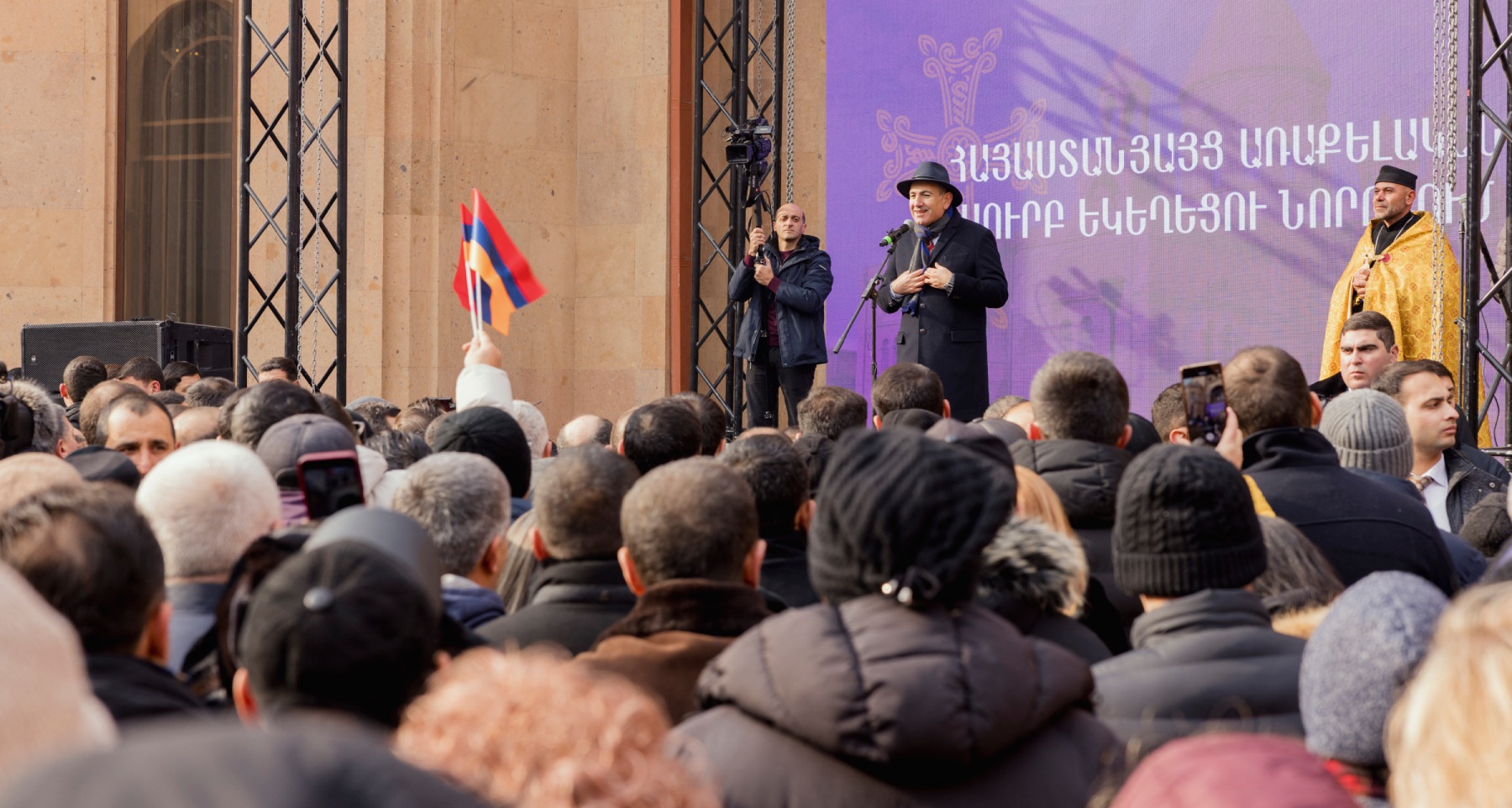
It’s true that many Armenians would vote for anyone just to be rid of Pashinyan, whom they blame for the loss of Nagorno-Karabakh, but the pro-Russia opposition is unlikely to be able to channel that frustration into an electoral victory.
Mikayel Zolyan

Montenegro and Albania are frontrunners for EU enlargement in the Western Balkans, but they can’t just sit back and wait. To meet their 2030 accession ambitions, they must make a strong positive case.


Dimitar Bechev, Iliriana Gjoni

Four Middle East experts analyze the region’s reactions and next steps.


Amr Hamzawy, Andrew Leber, Eric Lob, …
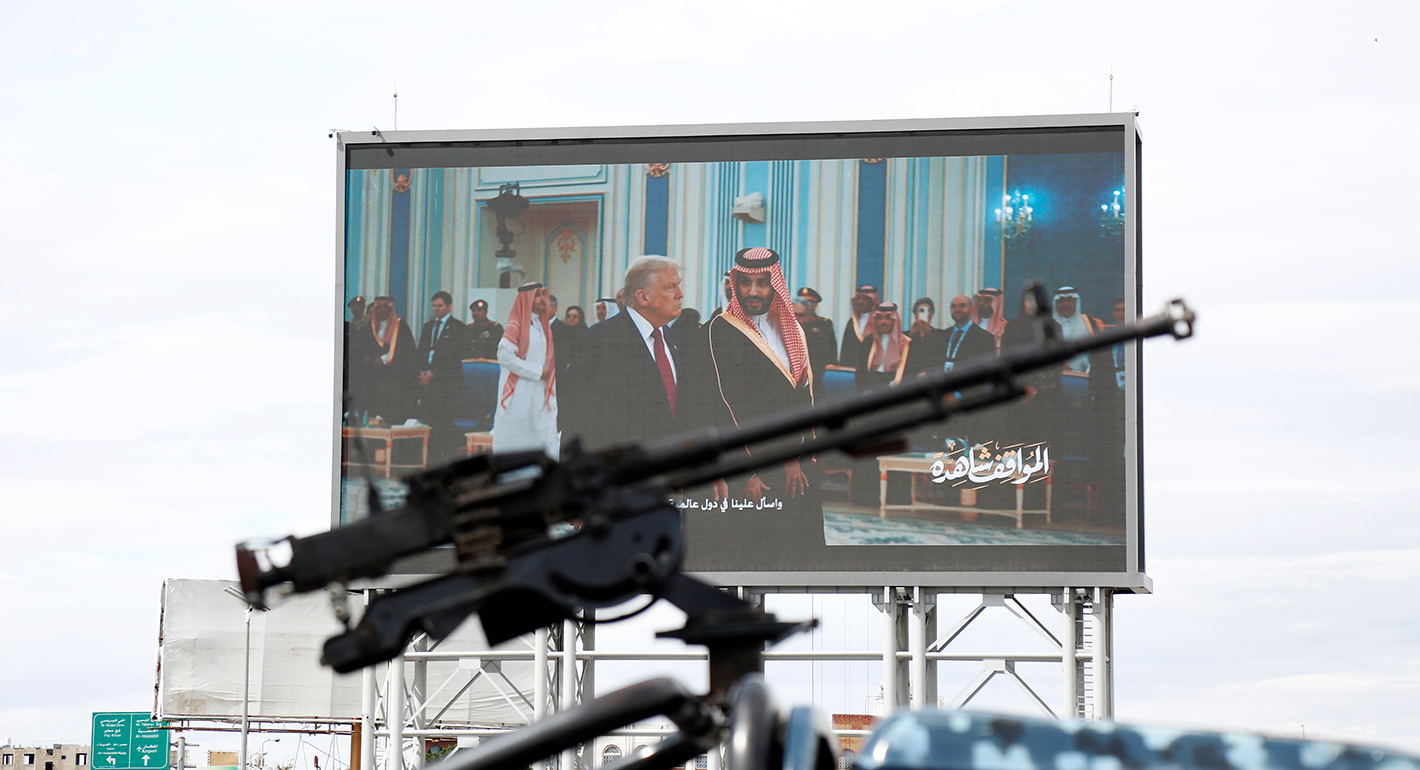
The return of war as the organizing factor in Middle Eastern politics has predictable consequences: governments are prioritizing regime stability and becoming averse to political and social reform.

Sarah Yerkes, Amr Hamzawy