

Q&A
Aaron David Miller, Karim Sadjadpour, Robin Wright
{
  "authors": [
    "Karim Sadjadpour"
  ],
  "type": "legacyinthemedia",
  "centerAffiliationAll": "dc",
  "centers": [
    "Carnegie Endowment for International Peace"
  ],
  "collections": [],
  "englishNewsletterAll": "menaTransitions",
  "nonEnglishNewsletterAll": "",
  "primaryCenter": "Carnegie Endowment for International Peace",
  "programAffiliation": "MEP",
  "programs": [
    "Middle East"
  ],
  "projects": [],
  "regions": [
    "Middle East",
    "Iran"
  ],
  "topics": [
    "Foreign Policy",
    "Nuclear Policy"
  ]
}
Source: Getty
Any successful approach toward Iran must take into account that real political power resides with Ayatollah Ali Khamenei, Supreme Leader of Iran. On C-SPAN’s Book TV, Karim Sadjadpour discussed his monograph Reading Khamenei: The World View of Iran's Most Powerful Leader, and policy implications for the United States.
Source: C-SPAN2's Book TV

A central tenet of Khamanei’s strategy, Sadjadpour explained, is to position Iran as the champion of the downtrodden and dispossessed throughout the Middle East. His writings and speeches are replete with the rhetoric of “justice.”
Sadjadpour argued that Khamenei has great ambivalence about mending Iran’s relationship with the West and the U.S. in particular. Thus far, he has straddled the line between accommodation and confrontation with the West. He refuses to compromise when Iran is pressured, since he believes this projects weakness and will invite even more pressure, but he does not seek an all out confrontation. Ultimately, Sadjadpour argued, Khamenei may desire an adversarial relationship with the U.S. to sustain the regime’s legitimacy.

Senior Fellow, Middle East Program
Karim Sadjadpour is a senior fellow at the Carnegie Endowment for International Peace, where he focuses on Iran and U.S. foreign policy toward the Middle East.
Recent Work


Aaron David Miller, Karim Sadjadpour, Robin Wright
Aaron David Miller, David Petraeus, Karim Sadjadpour
Carnegie does not take institutional positions on public policy issues; the views represented herein are those of the author(s) and do not necessarily reflect the views of Carnegie, its staff, or its trustees.
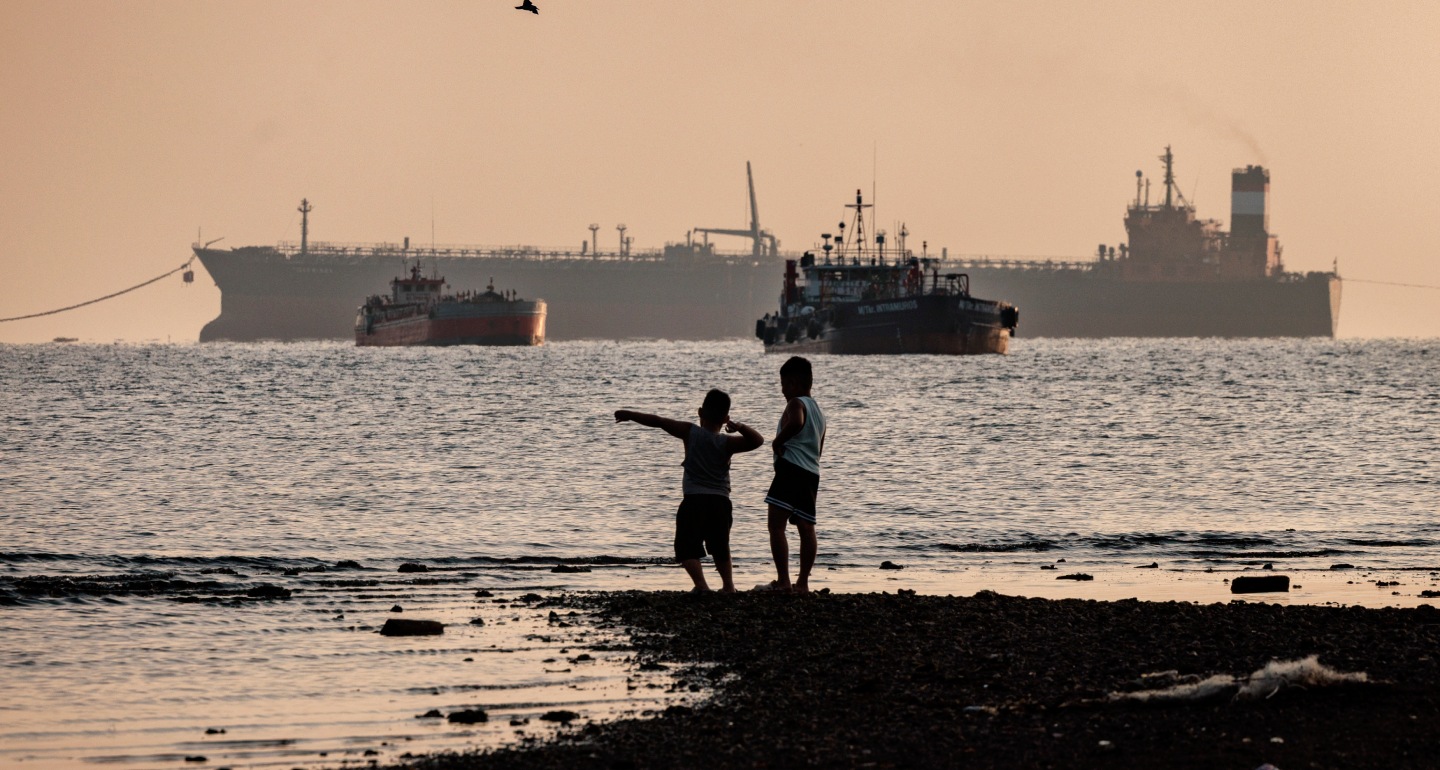
Although Ukrainian strikes have led to a noticeable decline in the physical volume of Russian oil exports, the rise in prices has more than made up for it.

Sergey Vakulenko

Five problems—and solutions—to make it actually work as a tool of great power competition.
Afreen Akhter
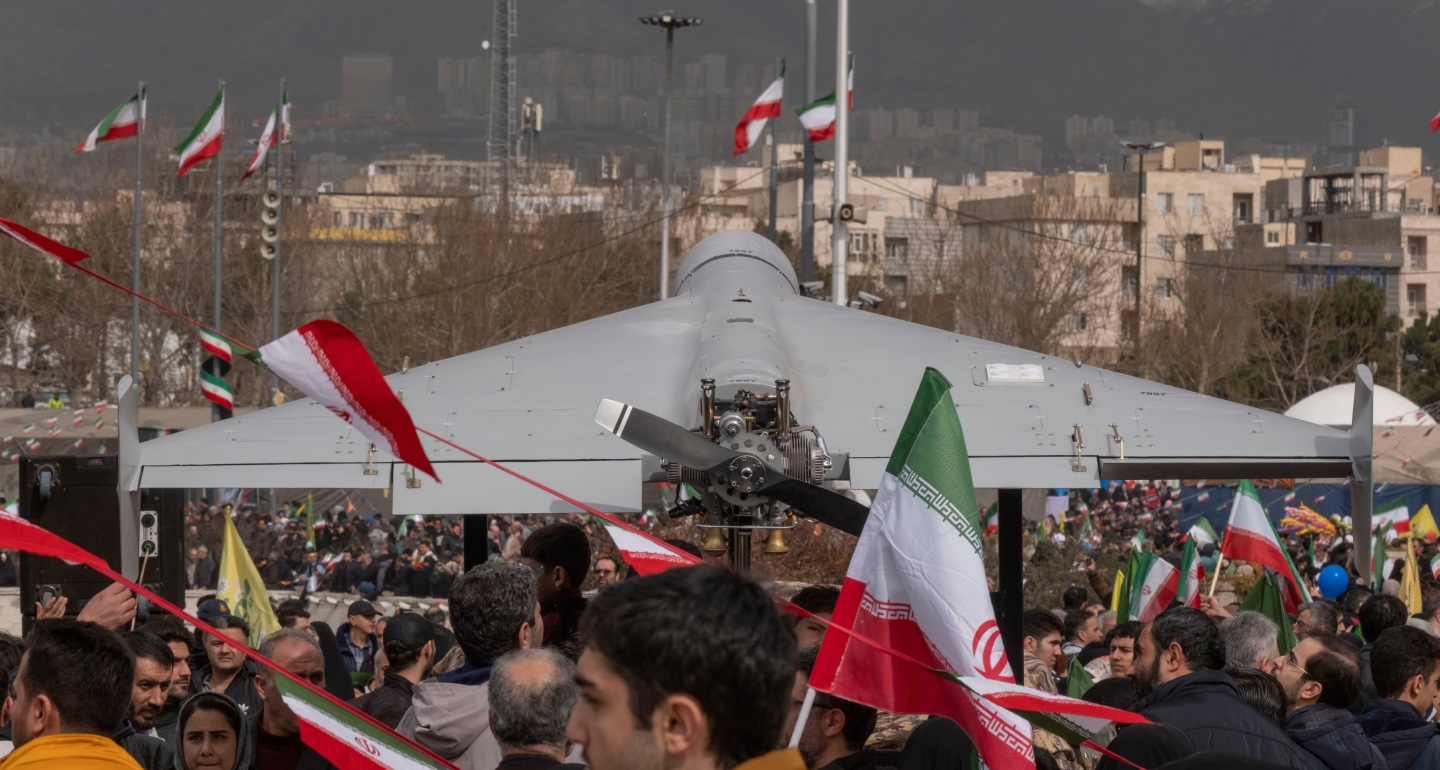
The Russian leadership wants to avoid a dangerous precedent in which it is squeezed out of Iran by the United States and Israel—and left powerless to respond in any meaningful way.

Nikita Smagin
One is hopeful. One is realistic. One is cautionary.

Andrew Leber, Sam Worby
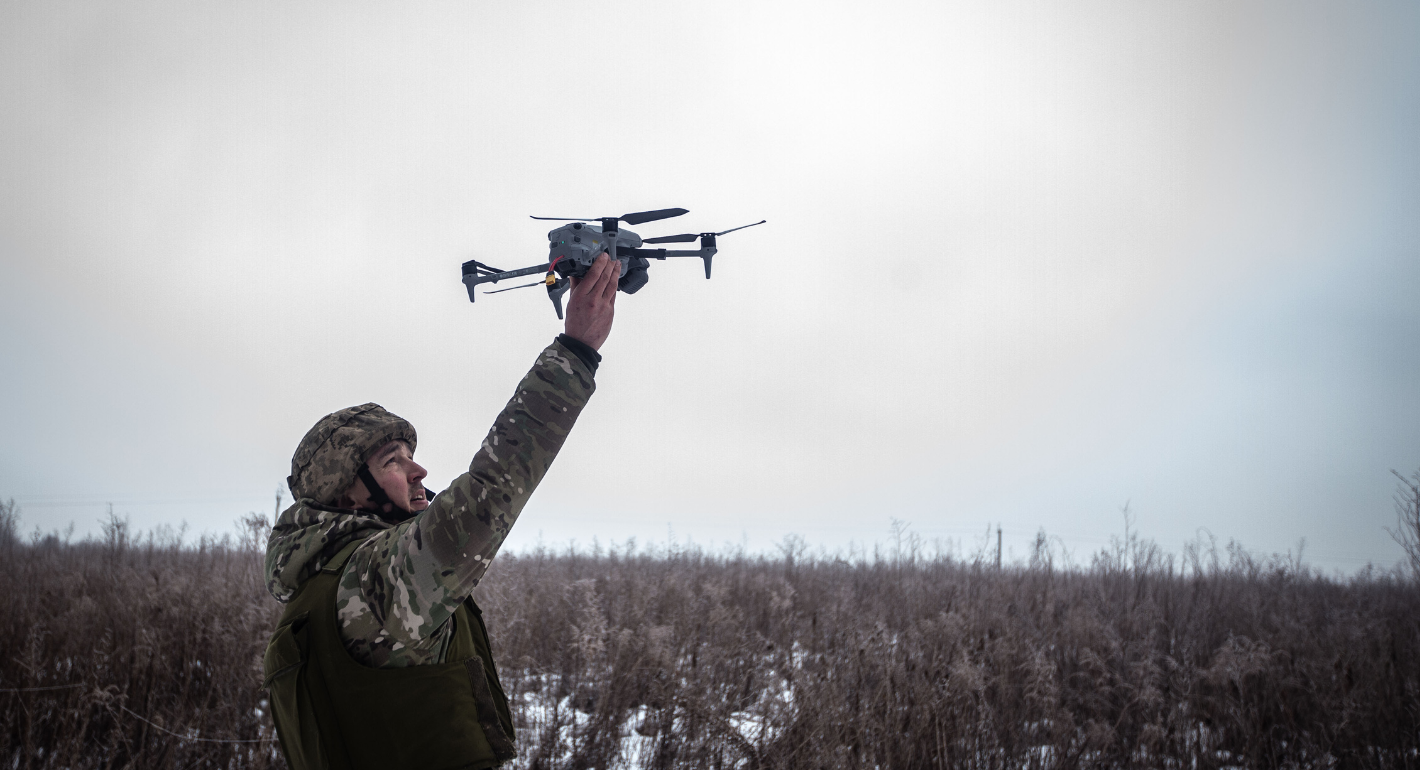
In Ukraine, Gaza, and Iran, AI warfare has come to dominate, with barely any oversight or accountability. Europe must lead the charge on the responsible use of new military technologies.

Raluca Csernatoni