Paper
Ashley J. Tellis
{
  "authors": [
    "Ashley J. Tellis"
  ],
  "type": "legacyinthemedia",
  "centerAffiliationAll": "dc",
  "centers": [
    "Carnegie Endowment for International Peace"
  ],
  "collections": [],
  "englishNewsletterAll": "ctw",
  "nonEnglishNewsletterAll": "",
  "primaryCenter": "Carnegie Endowment for International Peace",
  "programAffiliation": "SAP",
  "programs": [
    "South Asia"
  ],
  "projects": [],
  "regions": [
    "South Asia",
    "India",
    "Pakistan"
  ],
  "topics": [
    "Security",
    "Foreign Policy"
  ]
}
REQUIRED IMAGE
The Mumbai attacks bear the hallmarks of Lashkar-e-Taiba, a group which operated in Kashmir in the 1990s, but has global reach today. It was founded and supported by the ISI, Pakistan’s intelligence agency. If Lashkar-e-Taiba responsible for the attacks, Pakistan will face new scrutiny from the U.S. as an ally in the war on terror.
Source: CNN Fareed Zakaria's GPS
IMGXYZ1621IMGZYXThe Mumbai attacks bear the hallmarks of Lashkar-e-Taiba (LeT), a group which operated in Kashmir in the 1990s, but has global reach today. It was founded and supported by the ISI, Pakistan’s intelligence agency. If Indian investigative agencies can link the group responsible for this operation to Pakistan, it will further strain relations in the subcontinent. Ashley J. Tellis explains to Fareed Zakaria that the central question that the U.S. will face is whether Pakistan can be an ally in the war on terror while being complicit in fomenting terrorism.
Former Senior Fellow
Ashley J. Tellis was a senior fellow at the Carnegie Endowment for International Peace.
Recent Work
Ashley J. Tellis
Ashley J. Tellis
Carnegie does not take institutional positions on public policy issues; the views represented herein are those of the author(s) and do not necessarily reflect the views of Carnegie, its staff, or its trustees.
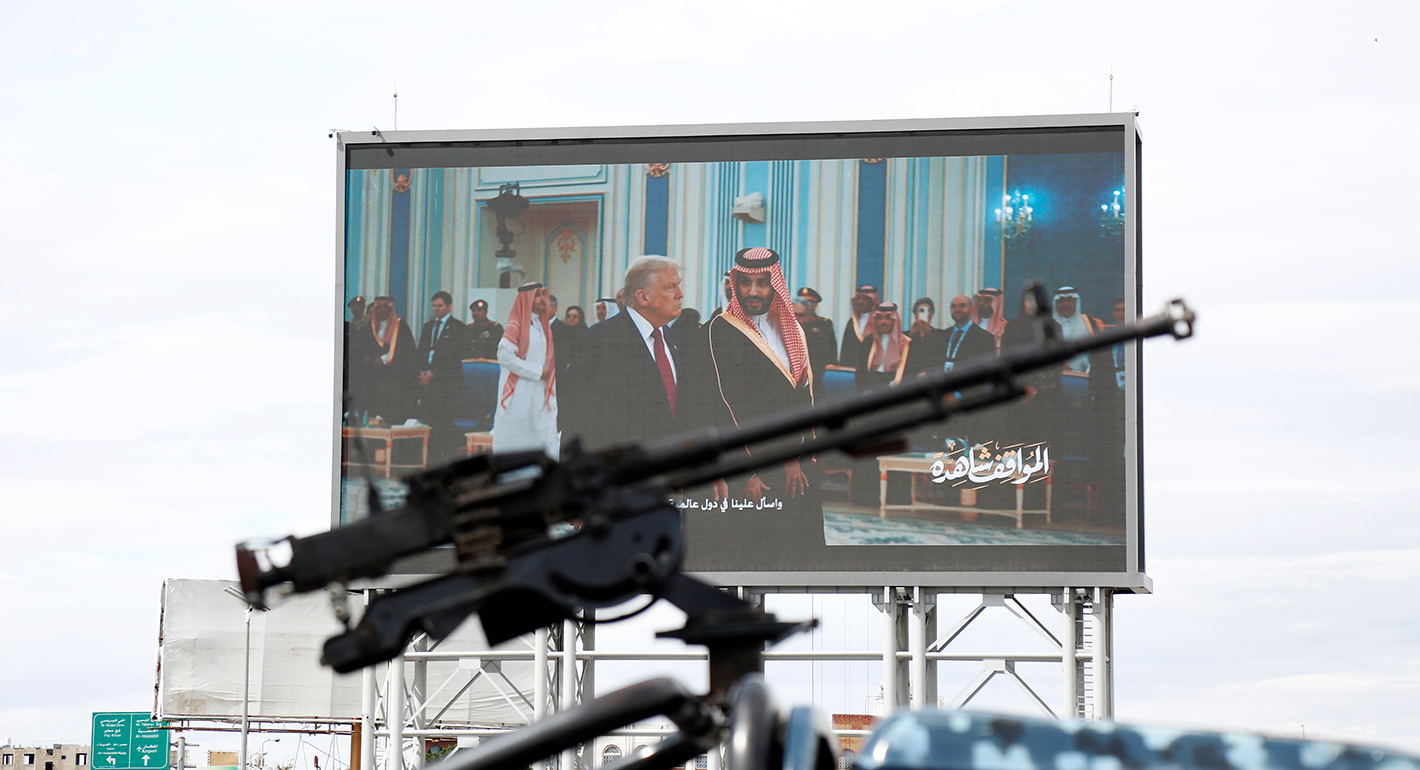
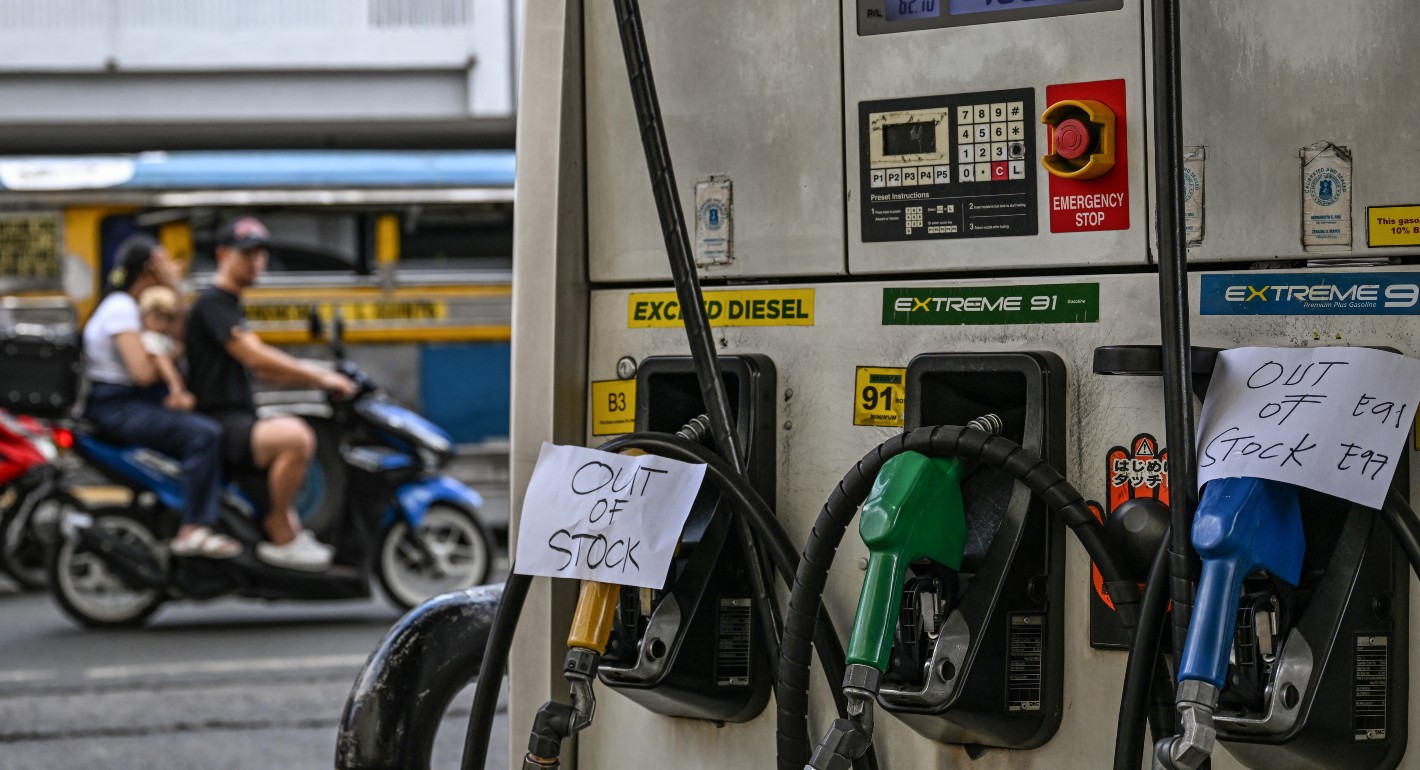
As the war between the United States, Israel, and Iran continues, Carnegie scholars contribute cutting-edge analysis on the events of the war and their wide-reaching implications. From the impact on Iran and its immediate neighbors to the responses from Gulf states to fuel and fertilizer shortages caused by the effective shutdown of the Strait of Hormuz, the war is reshaping Middle East alliances and creating shockwaves around the world. Carnegie experts analyze it all.
The return of war as the organizing factor in Middle Eastern politics has predictable consequences: governments are prioritizing regime stability and becoming averse to political and social reform.


Sarah Yerkes, Amr Hamzawy
Central Asia’s digital ambitions are achievable, but only if policy is aligned with the region’s physical constraints.

Aruzhan Meirkhanova
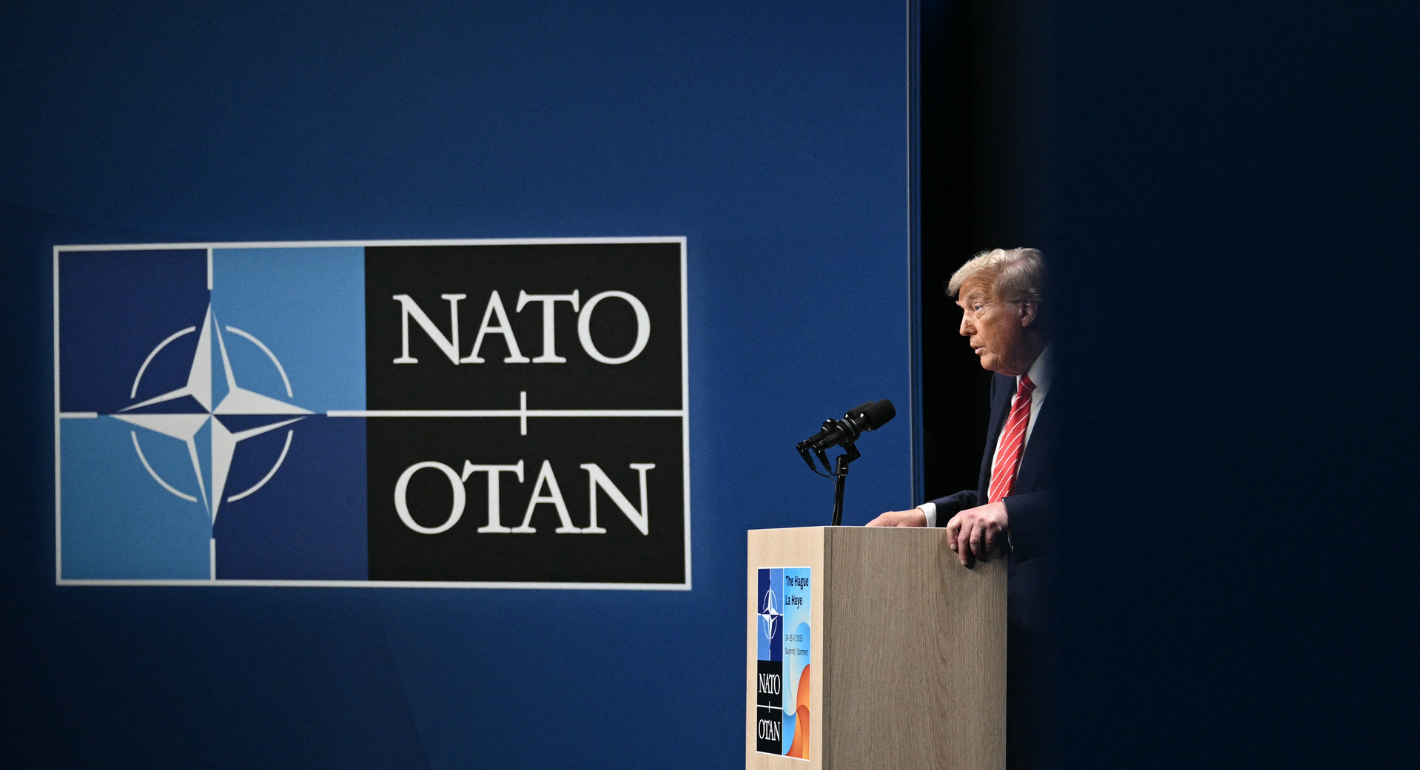
Donald Trump has repeatedly bashed NATO and European allies, threatening to annex Canada and Greenland and deploring their lack of enthusiasm for his war of choice in Iran. Is this latest round of abuse the final straw?

Rym Momtaz, ed.
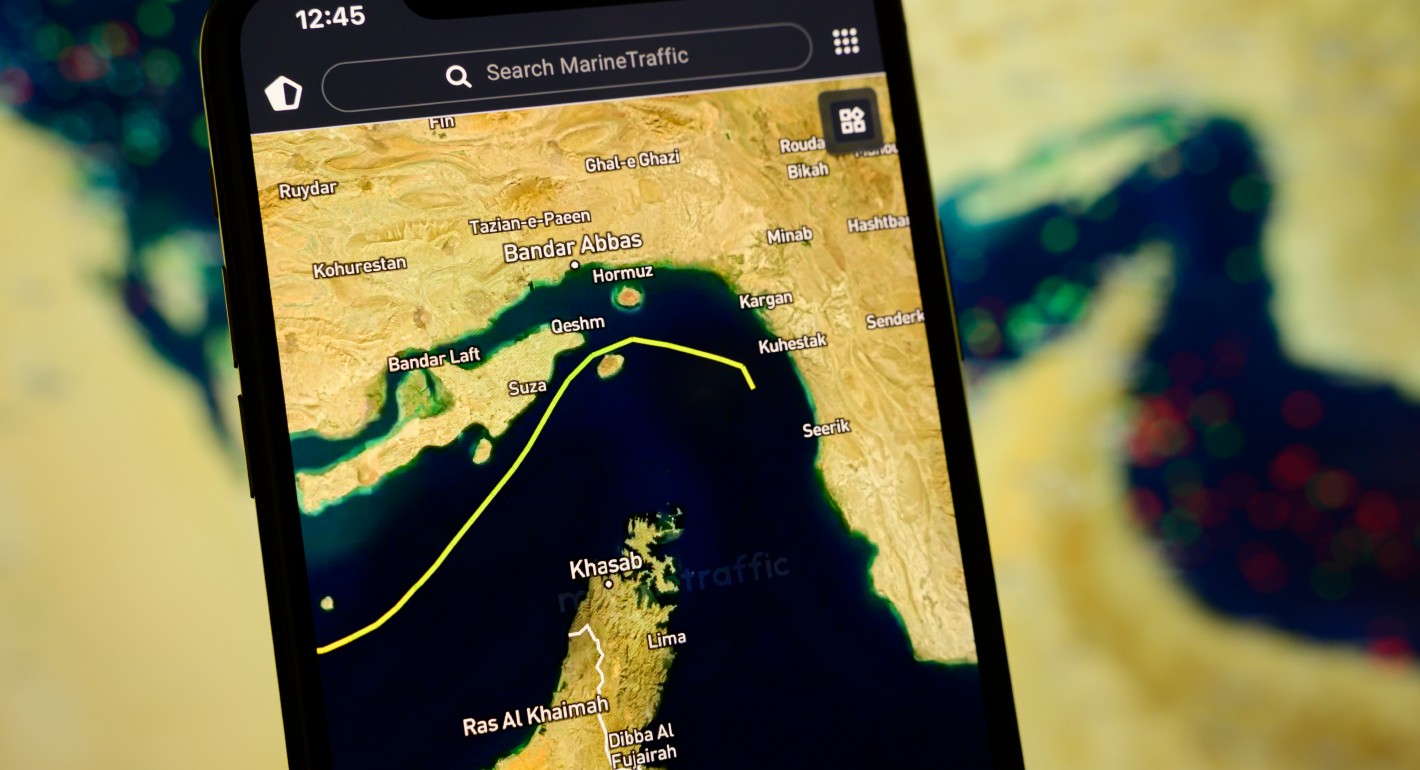
Why the Iran ceasefire isn’t a quick fix to the Strait of Hormuz energy crisis.


Helima Croft, Aaron David Miller